Where to Stay in Asamushi Onsen: Eight Ryokan, Each With a Different Kind of Night
Compare eight Asamushi ryokan by bay views, private-bath access and dinner style, from high-rise stays to small inns. Choose how you want to spend the evening.
Asamushi is an easy train ride from Aomori City. Staying overnight gives you time to choose the kind of evening you want: a high-rise room above Mutsu Bay, a small inn with a private bath, or a quieter ryokan where dinner and the spring are the focus.
There is no single best inn for everyone here. The practical differences are more helpful: how far you will walk from the station, what kind of bath you can use, and whether you want a buffet, a set dinner or a quiet room. The comparison below covers eight stays. For a visit without an overnight stay, see the Asamushi day-trip and public-bath guide.
Updated September 27, 2026. Room rates change with dates, room type, party size and meal plan. Compare the full booking total, including meals, taxes, cancellation terms and any private-bath charge; a single platform price is not a lasting rate.
Eight ryokan at a glance
| Ryokan | A good fit if… | From Asamushi-Onsen Station | What stands out | What to weigh |
|---|---|---|---|---|
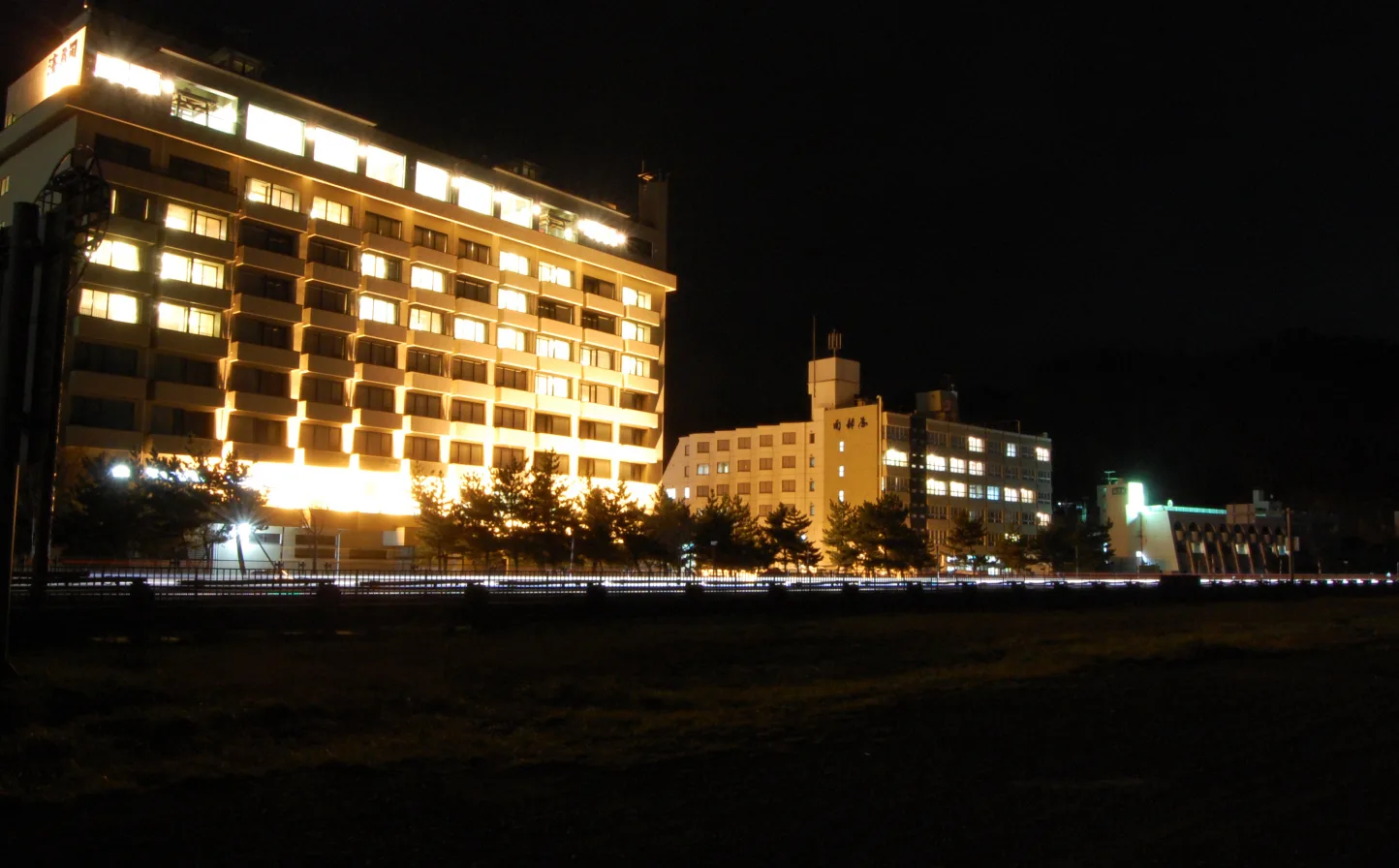
| Nambuya Kaisen-kaku | You want a full-service first stay without a car | About 2–3 minutes on foot | Ninth-floor baths over Mutsu Bay; evening Tsugaru performances | Tattooed guests cannot use the public baths |
| Tsubakikan | The spring water and traditional inn atmosphere matter most | Shuttle or a walk from the station area | Nine on-site springs, flowing baths, garden and Hiba-wood sauna | Not a waterfront high-rise; confirm shuttle arrangements |
| Tatsumikan | You want a traditional ryokan and a garden bath | About 3 minutes on foot | The inn describes its baths as 100% natural hot spring water, flowing through | Fewer bath facilities than the larger hotels |
| Yadoya Tsubaki | You want a small inn and the option to bathe together | About 1 minute on foot | A 15-room inn with several private baths; one is free for overnight guests when vacant | Private rooms are limited; check which bath and time you can use |
| Ryokan Ogawa | A very small inn and its cooking are part of the plan | About 5 minutes on foot; shuttle information is also listed | Four groups a day, spring water drawn directly to the baths, local seafood | No elevator; some details are best confirmed by phone |
| Yanagi-no-Yu | You like historic inns, timber baths and a quieter setting | About 6 minutes on foot | Two bathing areas, including hinoki-wood baths; spring water flows through | A sea view is not the main attraction; check current bath times |
| Hotel Akitaya | You are travelling with children and want the bay nearby | About 5 minutes on foot | Bay-facing public bath, shallow private family baths, baby equipment | The private baths are seasonal, and shared spaces may be lively |
| Asamushi Sakura Kanko Hotel | A sea-facing room is the priority | About 10 minutes on foot; shuttle available | All rooms are listed as facing the sea; baths and dining overlook the bay | Further from the station, and private bathing is not its focus |
Walking times are approximate; snow, luggage and the exact route can make a short walk feel longer. If a station pickup matters, ask the ryokan how to arrange it and whether you need to book ahead.
Getting around without a car: check the walk and pickup
Asamushi-Onsen Station is on the Aoimori Railway line from Aomori, and several inns are close enough to reach on foot. Yadoya Tsubaki is almost opposite the station. Nambuya Kaisen-kaku and Tatsumikan are also only a few minutes away, while Akitaya and Yanagi-no-Yu remain manageable walks for most visitors.
Asamushi Sakura Kanko Hotel is farther along the shore, roughly a ten-minute walk from the station, and lists a pickup service. Tsubakikan also offers transport information on its site. Those options can take the strain out of arriving with heavy bags, but do check how the service works before you travel. A ride that needs advance notice is not the same as a shuttle waiting at the station.
The Aoimori Railway ride from Aomori takes roughly 23–25 minutes. Check the return timetable as well as the outbound train, especially if you plan to spend the evening outside your hotel. The town is easy to reach; late-night connections are still worth planning.
Spring water: Asamushi does not mean every bath is the same
Tsubakikan draws on nine on-site springs and describes its baths as flow-through. The large indoor and outdoor baths are open 3 p.m.–midnight and 4–9 a.m.; the men’s and women’s areas switch. The Hiba-wood sauna closes earlier, at 10 p.m. The inn also has a garden and a connection to artist Shikō Munakata, who once stayed there. Its older water-analysis sheet does not give one current reading for all nine springs.
Tatsumikan also presents its baths as natural hot spring water used without recirculation, with a garden outdoor bath. It is a straightforward traditional stay near the station rather than a resort built around many facilities. If you want a sauna, several private baths or an elaborate view from a high floor, another property may suit you better.
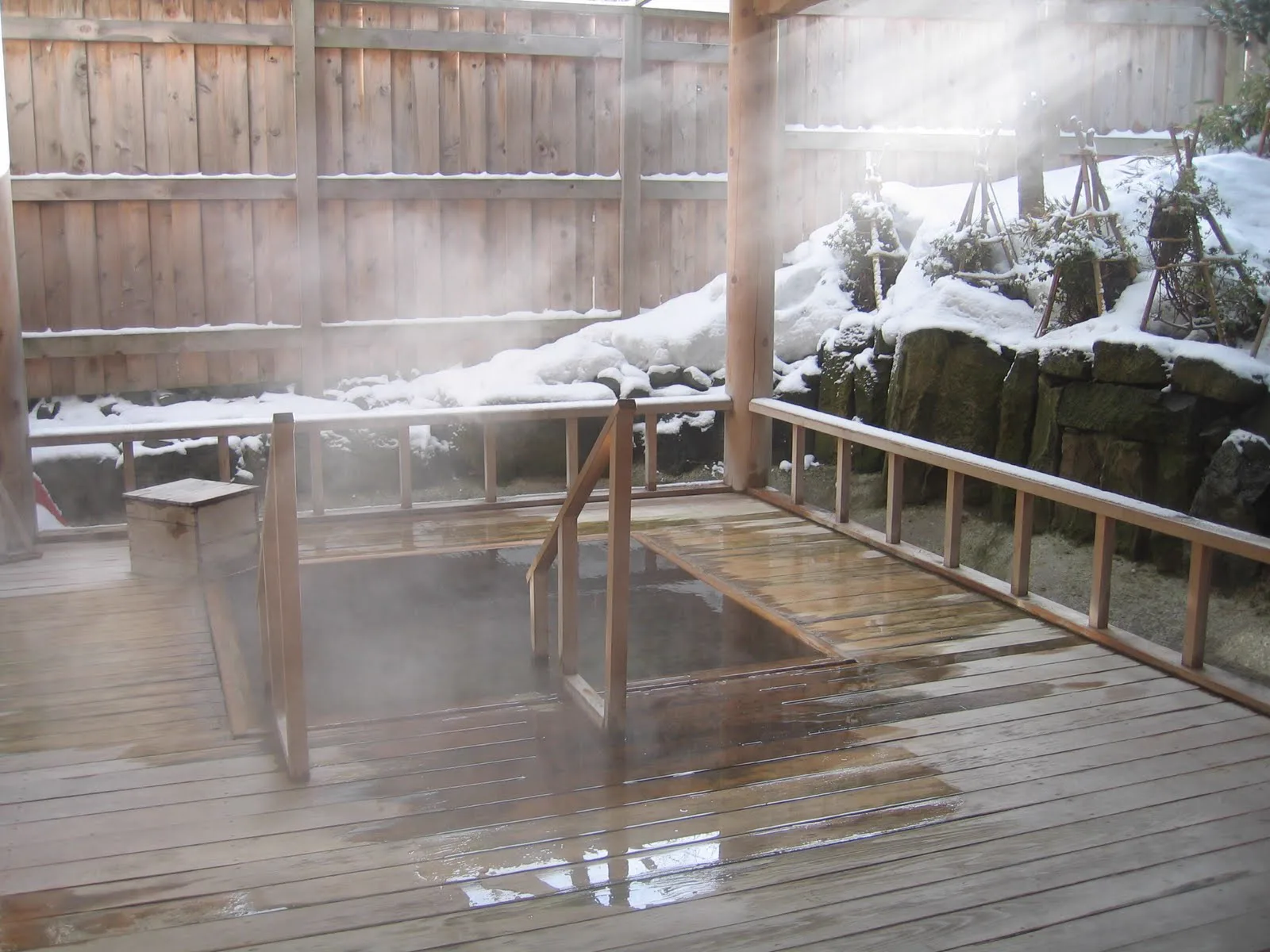
At Yadoya Tsubaki, the most useful overnight detail is the small third-floor private bath: guests can use it free when it is vacant, without a reservation. Two more private baths on the first floor have separate arrangements; their published day-use terms do not automatically apply to overnight guests, so ask the inn what is included with your room. The water is drawn from the Asamushi Onsen association. The inn says the temperature may be adjusted seasonally, so “flowing spring water” does not mean every bath is untreated at all times.
Ogawa keeps things small: the inn accepts up to four groups a day and describes its baths as fed directly from the source, with no recirculation. The spring is hot, so water may be added to bring the temperature down. Its scale is part of the appeal, but there is no elevator; anyone who finds stairs difficult should ask about room and bath locations before booking.
Yanagi-no-Yu is a historic inn whose current site describes its spring water as flowing directly into the baths. Two bathing areas include a lord’s bath, round outdoor bath, hinoki-wood outdoor bath and sauna. The areas switch between men and women at 7 p.m. Check the current schedule when reserving, since an older timetable or rate may no longer apply after the inn’s 2026 ownership and website changes.
Kaisen-kaku’s ninth-floor baths overlook Mutsu Bay. The hotel pairs the view with dining and Tsugaru music and dance performances. Bathing hours are 3 p.m.–1 a.m. and 5–9:30 a.m., with last entry at 9 a.m. The hotel describes the water as flow-through, but does not specify treatment for each tub. Guests with tattoos cannot use the public baths. Five rooms have private open-air baths.
Hotel Akitaya has a bay-facing public bath on its upper floor and two shallow private family baths. Its official site highlights equipment for babies and its location beside Sunset Beach, about a minute away on foot. The private baths operate from May through October, with one-hour reservations; the hotel says the season can shift with the weather. That is useful to know if bathing together is central to your plans. Check availability and any fee for your dates.
Asamushi Sakura Kanko Hotel lists every guest room as sea-facing. The public bath is on the third floor, and dining areas on the tenth floor also look over Mutsu Bay. It is the most direct choice when the room view is the deciding factor; the walk from the station is longer, though a pickup is available. Its published offering puts the emphasis on the bay and a traditional meal rather than on private baths.
Private bathing, family rooms and the quieter inns
For couples or families who would rather bathe together, Yadoya Tsubaki is the easiest property to understand: the third-floor private bath is free for overnight guests when it is open, and two more private baths are available under separate terms. Because these rooms are limited, ask what can be reserved before you book. Akitaya is another option for families, with two shallow outdoor baths designed for private use and baby equipment listed by the hotel.
Ogawa offers a different kind of privacy. Four groups a day means fewer guests sharing the inn, but it does not come with the same choice of private bathing rooms. Its appeal lies in the small scale, the local seafood and cooking, and a stay centred on the inn rather than a packed activity schedule.
Tsubakikan and Yanagi-no-Yu suit travellers who want a more traditional ryokan atmosphere. Tsubakikan has its own sources, a garden and Munakata-related history; Yanagi-no-Yu leans into its old post-station heritage and timber baths. Neither is the obvious pick for a guaranteed room-with-a-bay-view stay. For that, look at Asamushi Sakura Kanko Hotel, or choose Kaisen-kaku for the elevated public-bath panorama.
If stairs or long walks are a concern, contact the property before booking. Ogawa has no elevator, and Tatsumikan notes that some second-floor rooms in its main building are not served by one. A station shuttle can solve the walk from the train; it does not tell you how far you will need to walk inside the inn.
Travelling with children: check bathing rules and plan details
Start with the bath rules: ask who may accompany a child, whether diaper users are allowed and what private-bath arrangements are actually available on your dates. Akitaya, Yadoya Tsubaki and Sakura Kanko Hotel each publish different baby or family facilities; the property-specific bathing sections above explain how those offers differ. Do not assume a private bath automatically accepts every age or situation.
Older guests: check the route inside the inn
The station walk is only part of the access question. Ogawa has no elevator, and Tatsumikan says some second-floor rooms in its main building are not served by one. Confirm the exact route from entrance to room and bath, plus any stairs, handrails and pickup arrangements. If the guest needs step-free access, Kaisen-kaku lists an accessible room; contact the property to confirm that its layout suits the person travelling.
Looking for a quieter stay
Ogawa accepts up to four groups a day, making it the clearest small-scale option. Yanagi-no-Yu and Tsubakikan lean toward a traditional, quieter evening, while Kaisen-kaku, Akitaya and Sakura Kanko Hotel have larger shared spaces, family or group guests, and more activity. This is a guide to each inn’s format, not a promise about noise on a particular night.
Meals and the room plan: kaiseki, in-room dinner, buffet or room-only
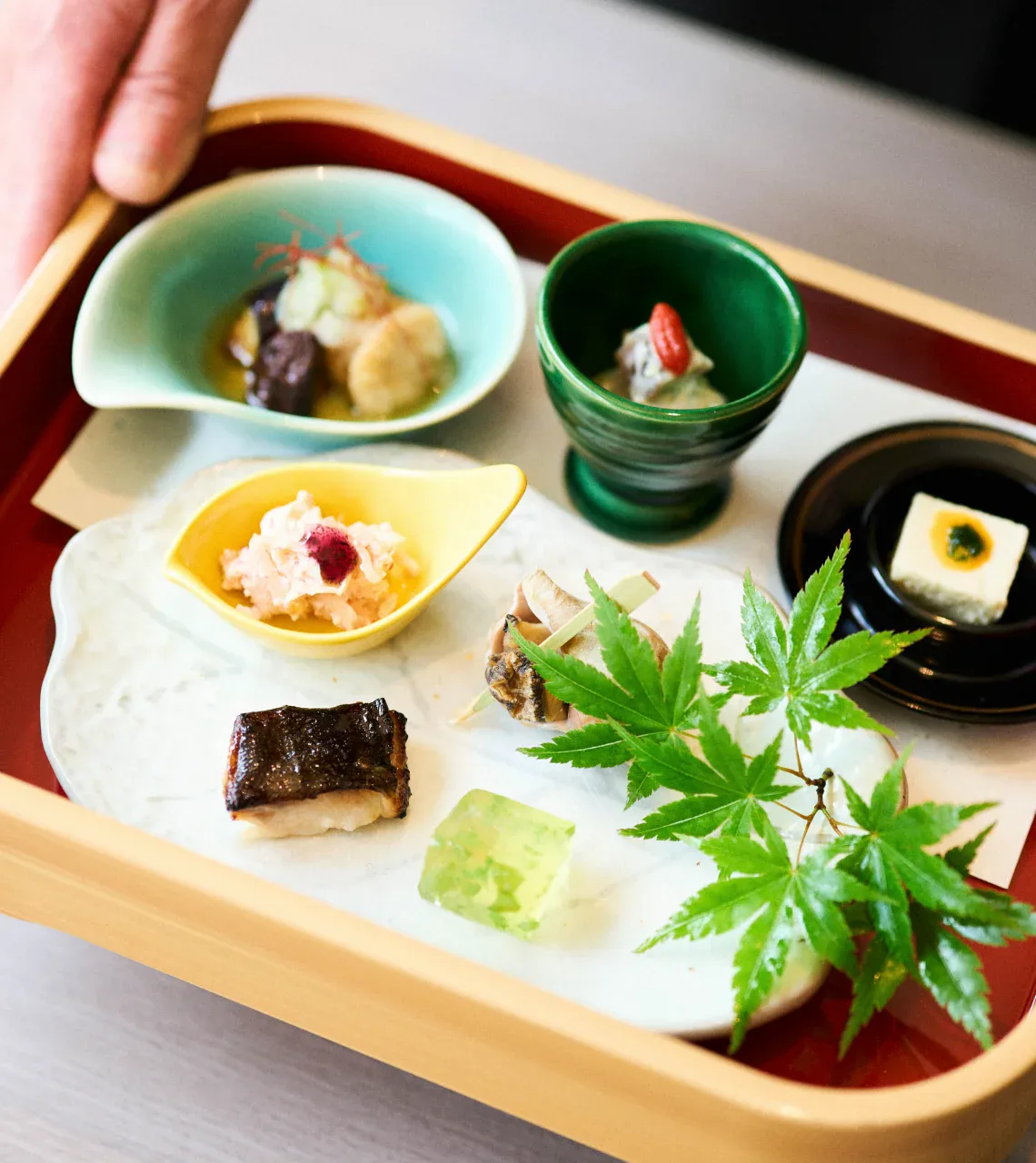
At a small inn such as Ogawa, dinner is closely tied to the stay: the property highlights local ingredients and seafood from Mutsu Bay. Tsubakikan serves a seasonal meal in its renovated dining room. Yanagi-no-Yu and Asamushi Sakura Kanko Hotel are worth considering if you want a traditional multi-course dinner as part of the evening.
Hotel Akitaya’s buffet is easier for families and groups with different appetites. Kaisen-kaku is a larger hotel with a more complete dining operation and evening entertainment. Yadoya Tsubaki makes sense if you would rather keep the meal flexible; check whether your plan includes breakfast before assuming the inn is room-only.
Compare rates for the same date, party size and room type. Check whether each plan includes dinner, breakfast and private-bath use, and add the bathing tax and cancellation fee before comparing totals. Weekend, holiday and seasonal rates can differ, so a quote for one night is not a standard price.
A few things to settle before booking
Room labels can be vague about the view, and a shuttle may need arranging in advance. Check those details with the inn rather than relying on a booking-page thumbnail. Do the same for dinner and breakfast: some plans include both meals, others do not, and the inn’s usual dining style does not guarantee a particular menu on your date.
If you need a private bath, ask which one is included, whether you can reserve a time and what it costs. For anyone who has trouble with stairs, check the route between reception, the room and the baths; a station pickup only covers the journey to the door. These questions are especially relevant at Ogawa, which has no elevator, and at Tatsumikan, where the main building’s second-floor rooms are reached by stairs.
Choose by the view
If a sea-facing room is essential, Sakura Kanko Hotel is the clearest choice: it lists all rooms as facing Mutsu Bay, with the view continuing into the third-floor bath and tenth-floor dining room. Kaisen-kaku is close to the station and has a ninth-floor bay-view bath, but some guest rooms face the mountains, so choose a sea-side category. Akitaya is closer to Sunset Beach and suits a day built around the coast. Tatsumikan also has sea-view room options, while its baths look onto a garden; Tsubakikan, Yanagi-no-Yu and Ogawa are more about gardens, timber and the traditional inn setting.
Travelling as a couple, family, solo guest or group
For couples who want to bathe together, Yadoya Tsubaki has several private baths, including a third-floor bath that overnight guests may use free when vacant. Akitaya’s shallow family baths are another option during their seasonal operating period. Families should also consider whether a child is comfortable in a gender-separated public bath and whether dinner needs to be flexible; Akitaya’s buffet and baby equipment are geared to that kind of stay.
Solo guests who want meals and activity close at hand may prefer Kaisen-kaku or Akitaya; Yadoya Tsubaki offers room-only plans for a more independent schedule. A small group seeking a quieter stay can look at Ogawa, which accepts four groups a day, or the smaller traditional inns. These are tendencies based on each property’s published facilities, not guarantees about the atmosphere on a particular date.
Budget: compare the night, not a search-result price
Asamushi room rates vary by date, occupancy, room category, meal plan and season. Dated 2026 booking examples show Yadoya Tsubaki room-only stays at lower rates on some dates and above ¥10,000 per person on busier dates; Akitaya two-meal examples are around ¥12,000–¥15,000; Sakura Kanko Hotel examples range from the ¥10,000s into the ¥20,000s. Kaisen-kaku, Tsubakikan and the other inns also vary by room and meal plan. These are examples, not official fixed prices.
Compare the same date and party, then include dinner, breakfast, bath tax, any private-bath fee, pickup and cancellation terms. A room-only plan plus a free private bath may work well for a couple eating outside; a family that needs dinner and child-friendly facilities may find a two-meal hotel plan more practical.
Frequently asked questions
Which inn is the safest first choice?
For a car-free first stay with a full-service hotel, bay-view bath and evening events, Kaisen-kaku is straightforward. If you prefer a traditional inn and a smaller property, Tatsumikan combines a short station walk with garden baths and published flow-through bathing.
Where can a couple bathe privately?
Yadoya Tsubaki has several private baths and is the clearest option for an overnight stay. Confirm which bath is available and what is included. Akitaya also offers shallow family baths, but they are seasonal and need a reservation.
Which inns publish the clearest flow-through details?
Tsubakikan, Tatsumikan, Yadoya Tsubaki, Ryokan Ogawa and Yanagi-no-Yu publish relatively clear flow-through information, although details differ. For example, Yadoya Tsubaki may add water seasonally, and Ogawa says it adds water to cool the hot source. “Flow-through” alone does not mean every bath is untreated year-round.
Which inn has the best sea view?
Sakura Kanko Hotel explicitly lists every room as sea-facing. Kaisen-kaku is the easier station-side choice for a high-floor bay-view bath, while Akitaya combines the coast with family facilities.
Which is best for a young child or for a quiet stay?
Akitaya has baby equipment and seasonal shallow family baths; Yadoya Tsubaki has a family-friendly private bath. For a quieter, smaller property, Ogawa accepts four groups a day, while Yanagi-no-Yu and Tsubakikan offer a more traditional inn atmosphere. Confirm the bath rules and room layout for your dates.
Related guides
- Asamushi day baths and a half-day in Aomori
- Kaisen-kaku versus Tsubakikan
- Kaisen-kaku versus Tatsumikan
- Yadoya Tsubaki versus Ryokan Ogawa
- Asamushi or Hakkoda for an overnight stay
- Hakkoda Onsen guide
Official information
Property details checked September 27, 2026. Room plans, transport arrangements and bath schedules can change; confirm the details for your dates with the ryokan.