Yadoya Tsubaki or Ryokan Ogawa in Asamushi Onsen?
Compare station-side Yadoya Tsubaki, with private-bath options, and four-room Ryokan Ogawa, where dinner and direct-source spring bathing shape the stay.
The short version
Pick Tsubaki if you want an easy station-side base, do not need a formal dinner, or would rather have the option of bathing privately. Ogawa is a better match when dinner is part of the trip and you like the idea of a four-room inn where the meal and hot spring are the evening’s main event.
| Yadoya Tsubaki | Ryokan Ogawa | |
|---|---|---|
| Rooms and scale | 15 rooms, up to 60 guests | Four rooms; four guest groups a day |
| From Asamushi-Onsen Station | About one minute on foot | About five minutes; ask about a pickup |
| Bathing | Shared baths and three private bathing spaces | Two shared baths, switched between men and women |
| Meal style | Room-only is the clearest fit; check current plans for food | Dinner and breakfast built around Aomori seafood and local produce |
| Main limitation | Popular private-bath times can fill | No elevator; confirm the room and meal details directly |
The word “small” can hide a meaningful difference here. Tsubaki has 15 rooms and several baths; Ogawa has four rooms and serves four groups a day. That affects the feel of the property more than the label “small inn” does.
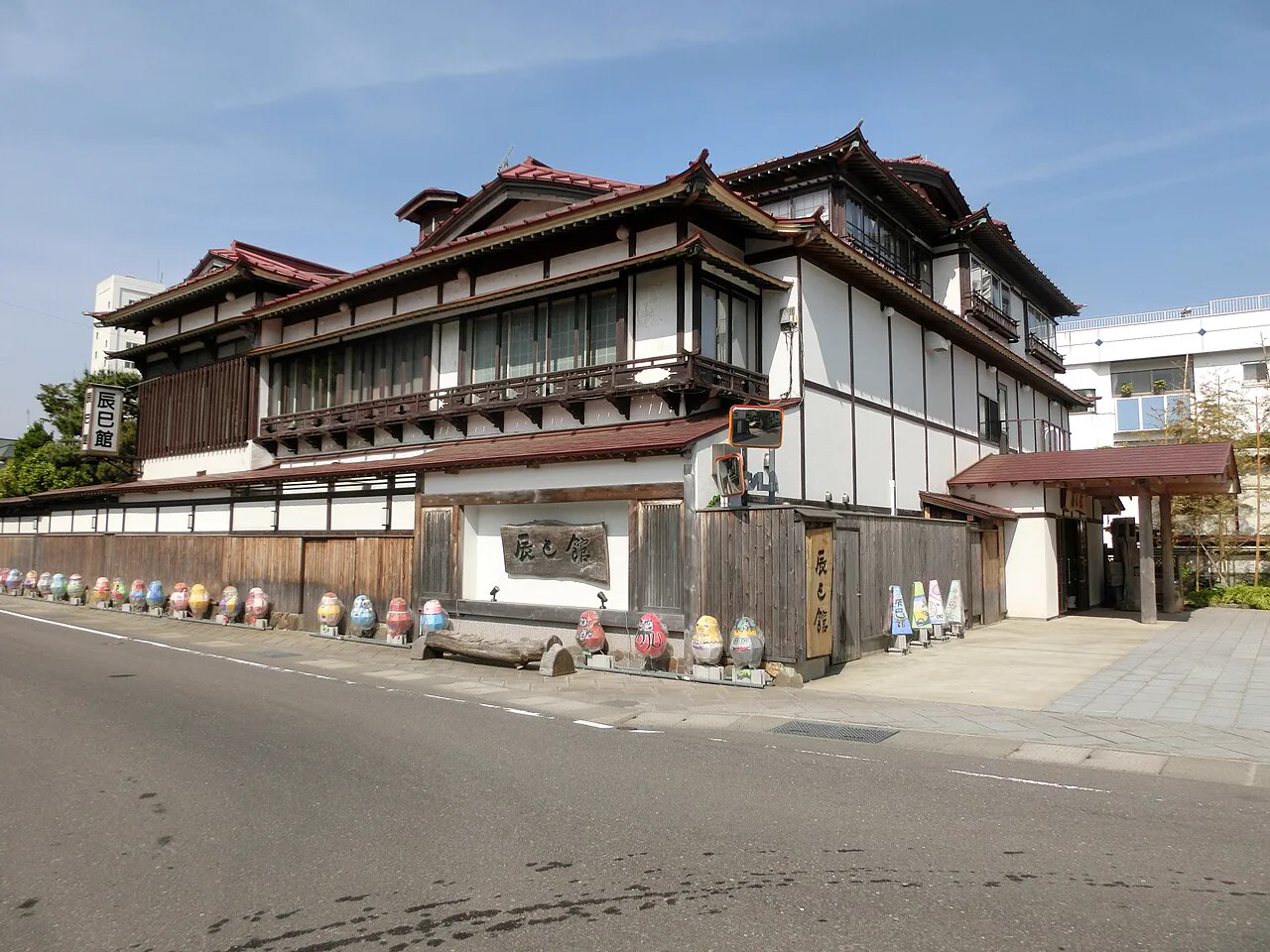
These two small inns work in very different ways. Yadoya Tsubaki is almost beside Asamushi-Onsen Station and makes its baths the centre of the stay. Ryokan Ogawa is a little farther along the river, accepts just four groups a day and builds the evening around Aomori seafood and local cooking.
If you are arriving late, travelling solo or hoping to bathe together, start with Tsubaki. If dinner is part of the reason for the trip and you are happy to spend the evening at the inn, Ogawa is the more complete fit.
| Yadoya Tsubaki | Ryokan Ogawa | |
|---|---|---|
| Scale | 15 rooms, up to 60 guests | Four rooms, four guest groups per day |
| From the station | About a one-minute walk | About a five-minute walk; a pickup can be requested |
| Bath setup | Shared baths plus three different private bathing spaces | Two shared baths, rotated between men and women |
| Meals | Mostly a room-and-bath stay; check the current plan for food | Dinner-and-breakfast plans focus on Aomori seafood and local ingredients |
| The catch | Two private baths have to be booked; popular slots can fill | No elevator; confirm room, meal requests and total price directly |
Tsubaki keeps the evening open
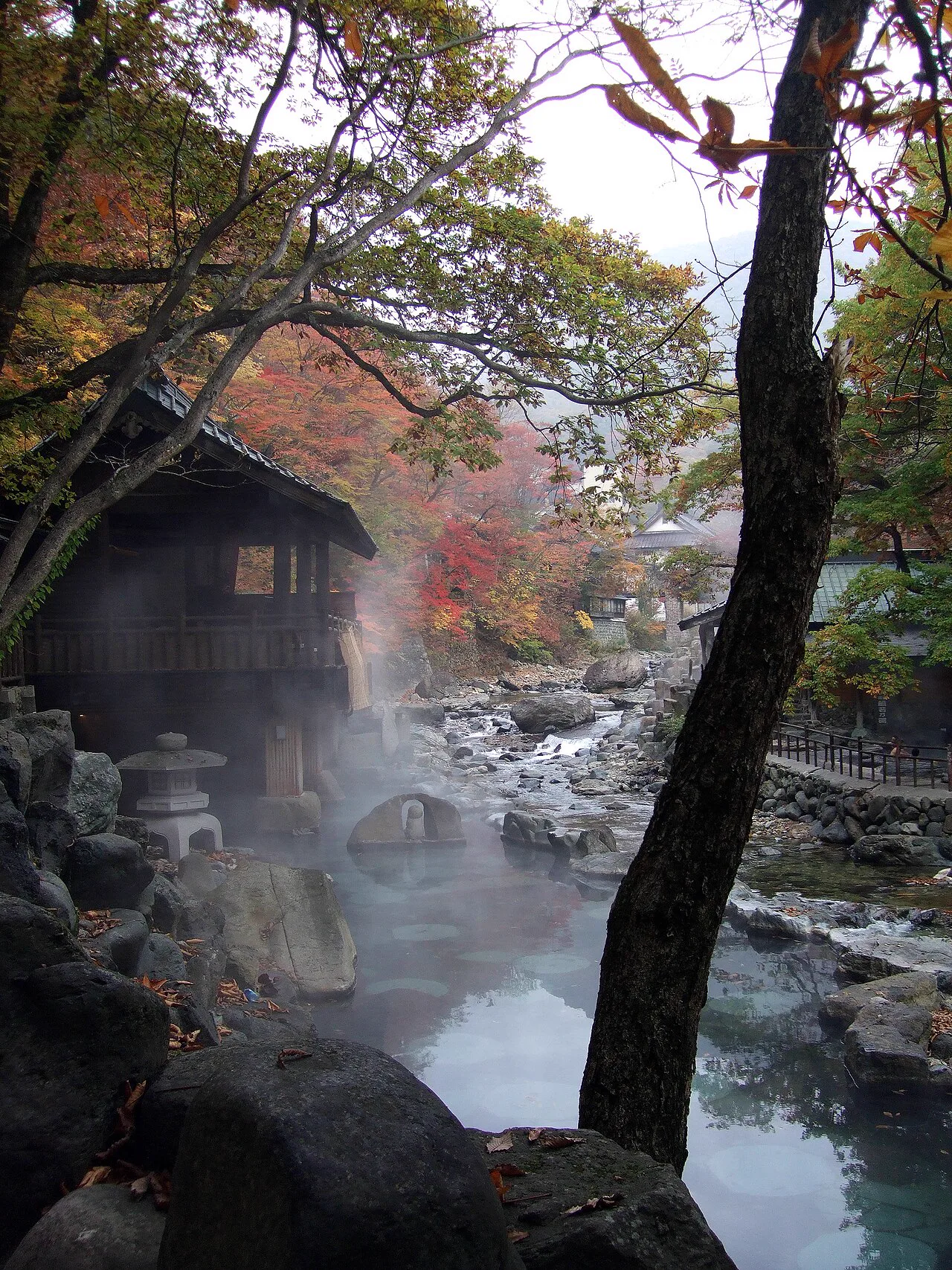
Tsubaki’s shared first-floor baths are open from check-in through 9:30 the next morning. They use Asamushi Onsen water supplied through the local cooperative; the inn describes the bath as free-flowing, with seasonal water addition possible.
Tsubaki’s private baths work in different ways. The third-floor outdoor bath, Chakkoi Maruyu, is free for overnight guests, unreservable and available when vacant. Its water can cool faster in winter.
Day visitors can book one of two first-floor baths, Gin no Tsuki or Kuro Wabisuke, for 50 minutes at ¥3,000 for two or three people. Sessions start between noon and 2 p.m. The overnight-only outdoor bath is not part of that offer.
The private baths give couples, parents with young children and other guests an alternative to the shared baths. Overnight use is not a guaranteed appointment; ask about the booking process and available slots after arrival.
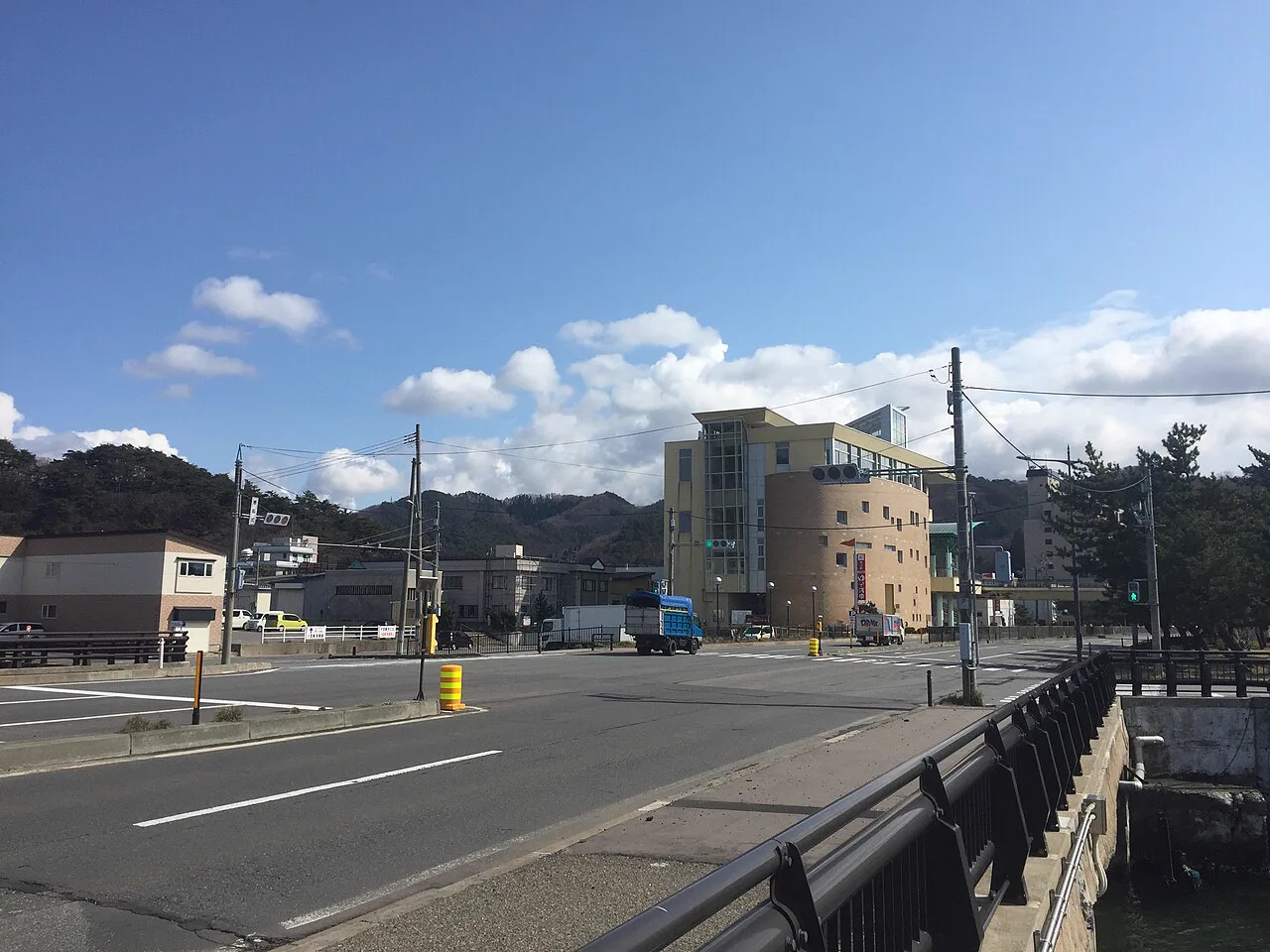
Tsubaki is especially easy without a car: the station is about a minute away. There is no need to coordinate a shuttle after the train, which can make a short stay or winter arrival less of a production.
Ogawa makes dinner and the bath part of one quiet stay
Ogawa draws spring water directly into its baths and says it does not recirculate the water; because the source is hot, it adds water to manage the temperature. Its two bathing rooms have distinct looks: one is built in Japanese cypress, the other has tile interiors. They switch between men and women by time of day, and overnight guests can bathe around the clock. There is no general private-bath setup to book.
The inn’s small scale is real rather than a shorthand for “boutique”: there are four guest rooms and four groups per day. Published accommodation plans centre on two meals, with room and menu affecting the price. The current plan page lists a standard dinner-and-breakfast range of ¥14,000–¥27,500 per person before tax; confirm the date-specific total, meal details and any dietary requests before paying. The inn says guests can discuss allergies and disliked foods when booking.
The station walk is about five minutes, crossing Asamushi River. A small pickup can be requested, but the building has no elevator. If anyone in your party is uncomfortable on stairs, ask about the assigned room and route to the bath before choosing a date.
Ogawa suits travellers who want to arrive, eat and bathe without making another dinner plan. For a late arrival or a short stay built around outside restaurants, Tsubaki’s station-side location and room-only flexibility are easier to use.
For more places to stay around the bay, see the Asamushi ryokan guide. If you are visiting without an overnight stay, the Asamushi day-bath guide covers facilities that take day visitors.
How to compare the price
Tsubaki’s rate changes with the date and room plan, and the inn does not publish one fixed nightly price. Recent dated booking records have shown room-only stays from around ¥6,000 to ¥13,000 per person, with solo stays and high-demand dates sometimes above ¥15,000. Treat those as examples of its general position, not as a current quote.
Ogawa’s published plan page lists a typical two-meal range of ¥14,000–¥27,500 per person before tax. The final amount depends on the room, menu and party size, and the page does not give a clear 2026 revision date. Its booking page currently asks guests to reserve by phone while the email form is unavailable. Check the date-specific total and meal arrangements before you commit.
For a bed and a bath, Tsubaki is usually the more flexible budget choice. For a fair comparison with Ogawa, count the dinner and breakfast you would otherwise buy elsewhere; its price covers more of the evening.
A two-person example
For two people, a Tsubaki room-only stay at roughly ¥9,000–¥12,000 per person, plus a dinner out, may still cost less than Ogawa’s two-meal plan. If you were already planning to pay for a proper seafood dinner, compare that meal plus Tsubaki’s room with Ogawa’s full package. The exact result depends on the date and menu; the useful point is to compare the same evening, not the room figures alone.
Meals and the pace of the stay
Tsubaki is best approached as a stay where you decide the evening yourself. The tourism association lists a simple breakfast, and the inn has a curry shop and café on the first floor. Current plans and booking listings have also included room-only and outside-meal arrangements. That leaves room for a late train, a walk to a local restaurant or a takeaway meal without racing back for a set dinner time.
Ogawa puts its cooking at the centre of the stay. Its plans pair dinner and breakfast, with Aomori seafood and local ingredients; guests can raise allergies or foods they do not eat when booking. Meals are normally served in the dining room or salon, and in-room dining may be worth asking about. The published plan page also gives different prices by room and menu, so do not assume every stay includes the same dishes.
Which inn fits your group?
For a solo trip or a late arrival, Tsubaki’s one-minute station walk and room-only flexibility are hard to beat. Couples who want a private bath and dinner out will probably find the same setup easier. Families may prefer its private bathing options if a child is not comfortable in a shared bath.
Ogawa suits couples, small families and food-focused travellers who are happy to settle in for the evening. It lists children’s meal options, but families should confirm the arrangement and total cost. Older guests should pay particular attention to the stairs: the building has no elevator, and a station pickup does not solve movement between floors. Ask which room and bath route would be assigned.
A quieter stay, at a much smaller scale
Tsubaki is already smaller than the large bay-view hotels in Asamushi, and its private baths give couples or families a way to avoid the shared bathing area. It still has 15 rooms and can accommodate up to 60 guests. Ogawa’s four rooms and four groups per day create a different scale altogether. It also offers whole-inn bookings for groups of 12 or more, subject to the inn’s terms.
If crowded corridors, a busy breakfast room or peak-time public bathing would bother you, Ogawa is the stronger fit on numbers. The trade-off is that a four-room inn may need more direct coordination: confirm the room, meal requests and total price with the property instead of relying on a broad booking-platform filter.
Neither is the obvious choice if you are after a high-rise bay view, a large communal bath, evening shamisen or the range of facilities at a big resort-style ryokan. In that case, compare Kaisenkaku and Tatsumikan or Kaisenkaku and Tsubakikan.
A few practical questions
Can day visitors use all three of Tsubaki’s private baths? No. The clearly listed day-use private baths are Gin no Tsuki and Kuro Wabisuke, booked for 50 minutes between noon and 2pm at ¥3,000 including tax for two or three people. The third-floor outdoor bath, Chakkoi Maruyu, is for overnight guests.
Is Ogawa’s water completely untreated? The inn says the spring water is not recirculated, but it adds water because the source is hot. “Free-flowing” should not be read as “never adjusted.”
Which is easier in winter? Tsubaki is only a minute from the station. Ogawa is about five minutes away and may arrange a pickup, but has no elevator. Tsubaki also notes that its outdoor private bath can cool more quickly from December through late March.
Is Ryokan Ogawa still operating? The Asamushi Onsen association’s current inn directory still lists it. Its booking page asks guests to call while the online form is unavailable; being hard to find on a major booking platform is not evidence that it has closed.
Tattoo policy
Neither inn’s current public information clearly states a tattoo policy. Ask the property before booking if this affects your stay.
Sources
- Yadoya Tsubaki: [baths](https://www.448108.com/onsen/index.html), [inn details and room count](https://www.448108.com/yadoya/index.html), [access](https://www.448108.com/access/index.html) - Ryokan Ogawa: [baths](https://www.asamushi-ogawa.com/onsen.html), [plans and published rates](https://www.asamushi-ogawa.com/plan.html), [access and mobility note](https://www.asamushi-ogawa.com/access.html) - Asamushi Onsen Tourism Association: [inn directory](https://www.asamushi.com/ryokan/) - [Ryokan Ogawa: cuisine](https://asamushi-ogawa.com/cuisine.html) and [current booking notice](https://asamushi-ogawa.com/wp/) Checked: 2026-09-27Tags: Asamushi Onsen, Yadoya Tsubaki, Ryokan Ogawa, private bath, Aomori ryokan, Aomori without a car