Kaisen-kaku vs Tatsumikan in Asamushi: Bay View or Garden Bath?
Kaisen-kaku has Mutsu Bay views and 88 rooms; smaller Tatsumikan serves in-room dinner and accepts day bathers. Compare baths, meals and access.

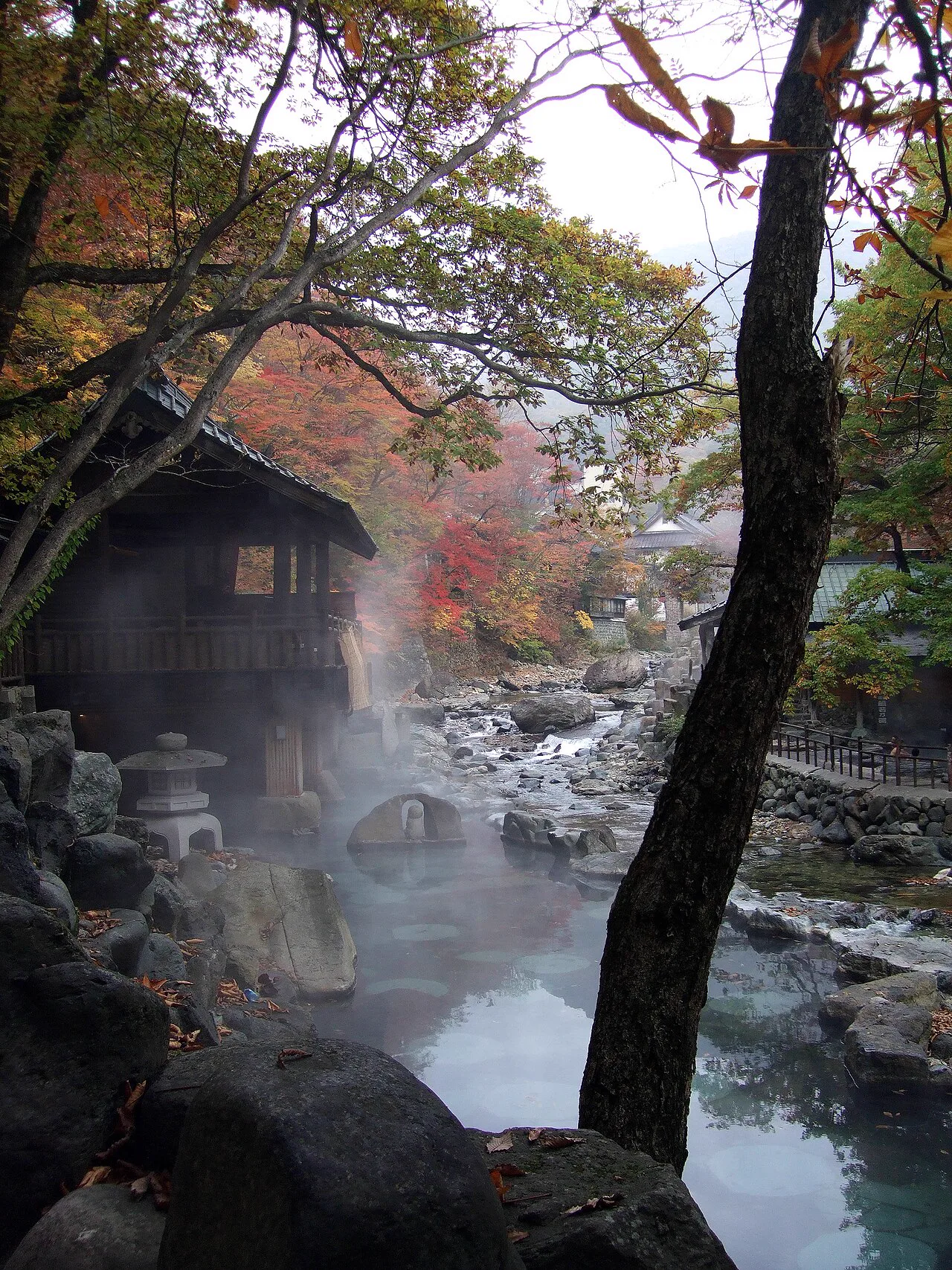
Image: Asamushi Onsen footbath, Wikimedia Commons.
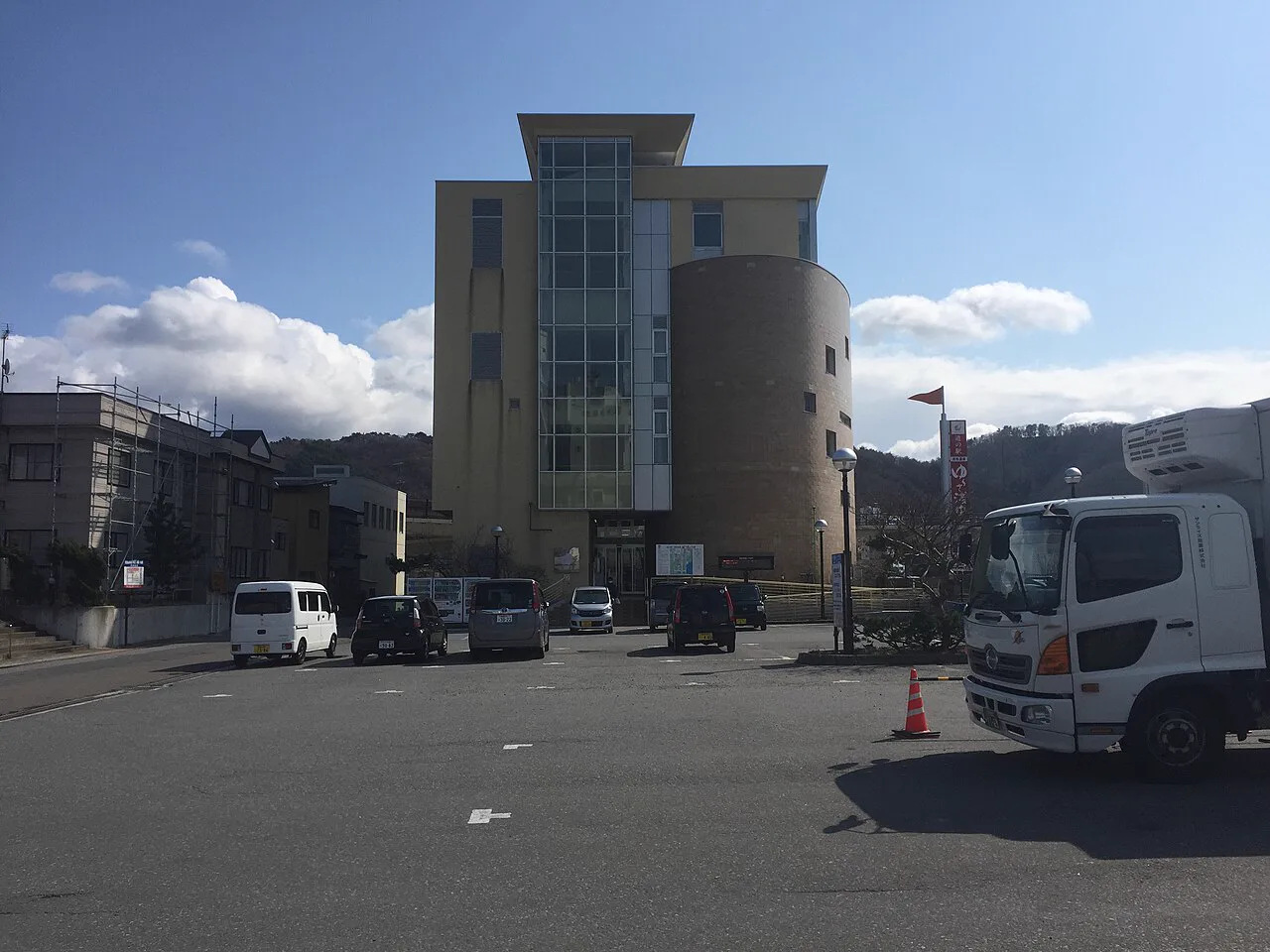
Image: East entrance to the Asamushi Onsen roadside station, Wikimedia Commons.
The two inns are close to the same station, yet they offer very different nights. Kaisen-kaku has 88 rooms, ninth-floor baths above Mutsu Bay, buffet or kaiseki plans, and evening Tsugaru performances. Tatsumikan has 26 rooms and is about a three-minute walk away; its garden baths and in-room seafood dinner make for a quieter, more traditional stay.
For the bay view, Kaisen-kaku is the easy call
The ninth-floor bath is Kaisen-kaku’s most distinctive feature. Bathing hours are 3 pm to 1 am and 5 am to 9:30 am; the male and female baths do not switch sides. Some rooms face Mutsu Bay, while others look toward the mountains, so check the room category before booking for the view.
The spring is sodium-calcium sulfate-chloride and the baths are described as flow-through. Individual tub treatment is not fully specified, so the available details do not establish that every pool is untreated.
The view is part of the evening here: you can bathe above the bay, then choose a live-cooking buffet or kaiseki dinner, depending on your plan. The hotel’s Tsugaru performances add another reason to stay in for the night.
Tatsumikan is smaller and more old-school
Tatsumikan uses 100% natural hot-spring water in its flowing baths. Each side has an indoor bath and a garden-side open-air bath. There is no sauna or bookable private bath. Overnight guests can bathe from noon until 8:30 the next morning.
Seafood kaiseki is served in the guest room, a more private dinner for couples or anyone who prefers to settle in rather than join a large dining room. The trade-off is fewer public facilities and no sweeping bay panorama like Kaisen-kaku’s.
Some second-floor rooms in the main building have no elevator. If stairs are difficult for anyone in your party, confirm the room location and route before booking. Station pickup is available by request; agree on a time with the inn.
Day visitors can use Tatsumikan, not Kaisen-kaku
Day-use bathing at Tatsumikan runs from noon to 4 pm, with last admission at 3 pm. The fee is ¥500 for adults and ¥300 for children. Availability changes with hotel operations, so call before making a special trip.
Kaisen-kaku does not accept general day-use bathers. Tatsumikan’s entry fee buys a bath visit; a Kaisen-kaku room rate includes an overnight stay, meals and evening facilities.
| Kaisen-kaku | Tatsumikan | |
|---|---|---|
| Size | 88 rooms | 26 rooms |
| Station | About 140 m | About 3 minutes on foot; pickup can be arranged |
| Bath | Ninth-floor bay-view indoor and open-air baths | Indoor and garden open-air baths |
| Water information | Sodium-calcium sulfate-chloride spring; treatment varies by tub | 100% natural hot spring, described as flowing |
| Dinner | Buffet or kaiseki by plan | Seafood kaiseki served in the guest room |
| Day use | Not accepted | Noon–4 pm, last entry 3 pm; confirm availability |
Rates depend on dates, room categories and meals. Compare the same night for the same number of guests and the same meal plan; Kaisen-kaku’s sea-view room and mountain-side room are not like-for-like. Tatsumikan’s older building layout also matters more than a small nightly difference if stairs or mobility are a concern.
For a broader look at the area, see the Asamushi Onsen ryokan comparison, or compare Kaisen-kaku with Tsubakikan’s spring-focused stay.
The two stays side by side
| What matters | Nambuya Kaisen-kaku | Tatsumikan |
|---|---|---|
| Scale | 88 rooms | 26 rooms |
| From the station | About 140 m | About a three-minute walk; pickup can be arranged |
| Bath | Ninth-floor bay-view indoor and open-air baths | Indoor and garden open-air baths |
| Water information | Sodium-calcium sulfate-chloride spring; treatment details vary by source | The inn describes its baths as 100% natural hot spring water, flowing through |
| Dinner | Buffet or kaiseki, depending on the plan | Seafood kaiseki served in the room |
| Day use | Not accepted | Noon–4 p.m.; last admission at 3 p.m.; confirm availability |
Kaisen-kaku’s rate buys a larger hotel with a bay-view bath, more room categories, meal choices and evening events. Tatsumikan keeps the stay smaller: a garden bath, in-room dinner and a more traditional inn setting. The lowest listed room price alone does not capture that difference.
Room rates: compare the whole booking
Dated 2026 stay examples in the source material show Kaisen-kaku at around ¥27,000–¥30,000 or more per person with two meals, while Tatsumikan examples are around ¥14,000–¥18,000. These are booking snapshots, not fixed prices. Dates, occupancy, room category, dinner and season affect the total. Compare the same night and meal arrangement, and remember that Kaisen-kaku’s bay-facing and mountain-side rooms are not equivalent.
Room layouts and mobility
Kaisen-kaku has a wider choice of rooms, including Mutsu Bay-facing rooms, higher-floor categories, suites, mountain-side singles or twins, and an accessible room. Check the room’s view and accessibility details rather than assuming they apply across the property.
Tatsumikan has a more traditional layout. Some second-floor rooms in its main building are not served by an elevator. Ask which floor and route apply to the room you are considering, particularly if anyone in your party finds stairs difficult. The inn can arrange station pickup by request; agree on the time in advance.
Dinner and evening atmosphere
Kaisen-kaku’s evening is part of the stay: its plans include kaiseki or a live buffet, with Tsugaru performances on site. It suits guests who want dinner and some evening activity without leaving the hotel.
Tatsumikan’s seafood kaiseki is served in the guest room. The inn’s materials and local lodging listing highlight Aomori seafood, scallops and other regional dishes. It is the quieter option for guests who prefer dinner in their room over a large dining space or a performance.
Which one is likely to feel quieter?
Tatsumikan has 26 rooms and a more contained, in-room-dinner style. Kaisen-kaku has 88 rooms, buffet dining and evening events. That gives Tatsumikan a better case for a quieter-feeling stay, but room location, occupancy, groups and weekends still affect the actual noise level. Room count is context, not a guarantee.
No-car access and day-use bathing are separate decisions
Both inns are easy to reach from Asamushi-Onsen Station. Kaisen-kaku is about 140 metres away; Tatsumikan is around a three-minute walk and can arrange pickup. In snow or with heavy luggage, the short distance and confirmed pickup matter more than the small difference on the map.
For day visitors, the options are not interchangeable: Kaisen-kaku does not accept general day-use bathers. Tatsumikan lists day bathing from noon to 4 p.m., with last admission at 3 p.m., for ¥500 per adult and ¥300 per child. Hotel operations can affect availability, so call before making a special trip. A day-bath fee at Tatsumikan should not be compared with Kaisen-kaku’s overnight rate as if they bought the same experience.
Who should choose which inn?
Kaisen-kaku suits a first visit, a car-free trip, guests who want a bay-view bath and an evening program, or anyone who wants a broader range of rooms and facilities. Tatsumikan is a better fit for couples or small families who prefer a traditional inn, dinner in the room, a garden bath and a lower starting budget. If a private bath, a very small inn or a large number of private spring sources is the priority, compare other Asamushi properties such as Yadoya Tsubaki, Ryokan Ogawa, Yanagi-no-Yu or Tsubakikan.
Frequently asked questions
Can I use Kaisen-kaku’s bath without staying overnight?
The hotel does not accept general day-use bathing. Do not assume the ninth-floor bath sells walk-in tickets.
What does Tatsumikan charge for a day bath?
Its listed fee is ¥500 for adults and ¥300 for children, from noon to 4 p.m., with last admission at 3 p.m. Check with the inn because availability may change with its lodging operations.
Which is easier without a car?
Both are convenient. Kaisen-kaku is about 140 metres from the station; Tatsumikan is a three-minute walk and can arrange pickup. Asamushi itself is easier to navigate by public transport than the Hakkoda mountain area.
Which has the better spring water?
The available data do not support a simple winner. Kaisen-kaku lists a sodium-calcium sulfate-chloride spring and uses “flow-through” in its hotel description, but its tub-level treatment details are incomplete. Tatsumikan states that its baths use 100% natural hot spring water flowing through; it does not publish the full source measurements needed for a direct technical comparison.
Which is easier for an older guest?
Kaisen-kaku has more room and accessibility information to check in advance. At Tatsumikan, some second-floor rooms in the main building have no elevator, so confirm the exact room location and route before booking.
Tattoo policy
Neither inn’s public information states a clear tattoo policy. Ask each property about its baths before booking if you have tattoos.
Related guides
Yubiyori’s seven-point comparison
| Category | Kaisen-kaku | Tatsumikan |
|---|---|---|
| Bathing comfort | 90/100 | 80/100 |
| Bath variety | 75/100 | 65/100 |
| Upkeep | 95/100 | 80/100 |
| Scenery and atmosphere | 100/100 | 80/100 |
| Quiet | 75/100 | 85/100 |
| Access | 100/100 | 90/100 |
| Value | 90/100 | 90/100 |
These are editorial comparisons, not hotel ratings. Kaisen-kaku leads on bay scenery and station access; Tatsumikan scores better for a quieter, more traditional stay. The useful choice depends on which of those matters to you, not on a single total.
Sources
- Kaisen-kaku official site
- Kaisen-kaku: baths
- Kaisen-kaku: rooms
- Kaisen-kaku: FAQ
- Tatsumikan: hot springs
- Tatsumikan: access
- Tatsumikan: meals
- Tatsumikan: day-use FAQ
- Asamushi Onsen Tourism Association: lodging directory
Kaisen-kaku vs Tatsumikan, Asamushi Onsen ryokan, day-use bath, Mutsu Bay, Aomori.