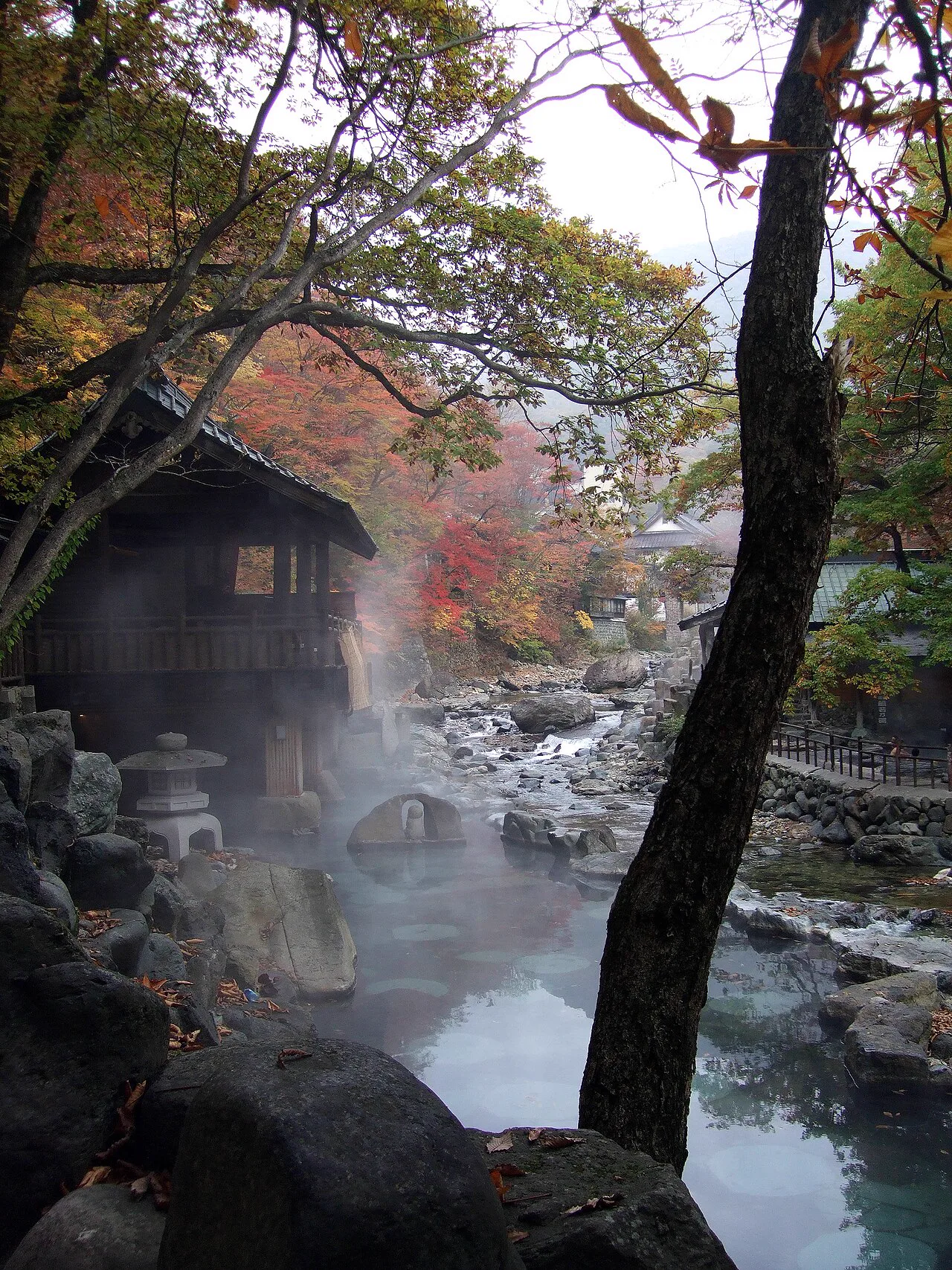
Asamushi or Hakkoda? Choosing an Aomori Onsen Stay Without a Car
Compare rail-side Asamushi with mountain Hakkoda for a one-night Aomori stay: transport, baths, scenery, seasonal access and who each suits.
With one night near Aomori, the choice is between an easy coastal stop and a mountain stay that takes more planning. Asamushi sits on the railway, with its inns and bay walk close together. Hakkoda is about the baths, forest and weather; the bus or a reserved hotel shuttle becomes part of the itinerary.
Asamushi is usually the simpler first visit, particularly with children, older relatives or a train to catch the next day. Hakkoda makes sense when a particular bath or the mountain itself is the reason for going. The scenery and springs are distinctive, but buses run less often and there are fewer ways to change plans once you arrive.
Checked September 27, 2026. Fares, bus seasons, road restrictions and facility schedules can change. Confirm the details for your dates before booking or setting out.
The short version
Choose Asamushi if you want to reach your inn by train, walk by the water, and keep the next day flexible. Aomori Station to Asamushi-Onsen Station takes about 25 minutes; the adult fare is ¥540 one way. Several inns are close to the station, and the aquarium gives families a solid indoor option if the weather turns.
Choose Hakkoda if you would be disappointed to leave Aomori without bathing at Sukayu, staying in the beech forest, or seeing the mountain. JR Bus Tohoku lists the fare from Aomori Station to Sukayu at ¥1,570, with a journey of about 70 minutes. Sukayu and Hakkoda Hotel also run free, reservation-only shuttles for overnight guests from Shin-Aomori Station. Those rides simplify the luggage problem, but they do not make the mountain a place to explore on a whim: you still need to plan around pickup times.
The main difference is what happens after check-in. Asamushi has a small town around its inns. In Hakkoda, the inn and the natural setting are most of the evening. If that sounds peaceful, it is a feature. If you are hoping to browse shops or choose dinner at the last minute, it may feel remote.
| What matters | Asamushi | Hakkoda |
|---|---|---|
| Getting there from Aomori | Aoimori Railway, about 25–30 minutes; adult fare ¥540 one way | JR bus to Sukayu, about 70 minutes; adult fare ¥1,570 one way |
| Arrival options | Several trains and inns near the station | Year-round JR bus service with seasonal timetable changes, plus reservation-only hotel shuttles |
| What the stay centres on | Bay views, a hot-spring town, dining and easy add-on sightseeing | Mountain scenery, forest and distinct bathing experiences |
| Beyond the bath | Aquarium, beach, fishing, seasonal sea activities and walks | Ropeway, hiking, snow, autumn colour and onward trips toward Oirase or Lake Towada |
| Weather backup | Asamushi Aquarium is open year-round | Outdoor activities, the ropeway and road access can change with weather |
| Winter planning | Railway access remains the basic route; check for service disruptions | Snow, seasonal bus reservations, road closures and night restrictions need checking |
| Best for one night | A flexible stop between Aomori plans | A night where the mountain or a specific bath is the main destination |
No-car transport: a railway town or a mountain destination?
Asamushi sits on the Aoimori Railway line east of Aomori, with several trains through the day. Check the return timetable if you plan to travel late. Kaisen-kaku is a short walk from Asamushi-Onsen Station, as is Tatsumikan; some other inns sit farther along the shore or offer pickup by arrangement. Snow and heavy bags can make even a short walk less comfortable.
| Aoimori Railway fare from Aomori | One way |
|---|---|
| Adult | ¥540 |
| Child | ¥270 |
Hakkoda is not one compact hot-spring street. Sukayu, the ropeway, Jogakura and the other mountain stops are spread out, and walking between them is not a practical substitute for a bus or shuttle. Sukayu’s current access page lists JR buses from Aomori Station at about 1 hour 10 minutes and from Shin-Aomori at about 1 hour 20 minutes. It also lists a free shuttle for overnight guests from Shin-Aomori: the ride takes about an hour, runs twice a day in each direction, and must be requested when you book.
Hakkoda lodging guests have another way in: the hotel shuttle
Hakkoda Hotel offers a separate free shuttle from Shin-Aomori for its guests and guests staying at Sukayu. Its current access page says to reserve by the day before; the ride takes about 70 minutes. The hotel can also coordinate a pickup for guests arriving by JR bus at Sukayu. Check the available times with the property—do not assume the two hotels’ shuttle schedules match.
JR Bus Tohoku’s autumn timetable runs through November 17, while winter service to Sukayu begins November 12. Selected winter departures from Aomori or Shin-Aomori require advance reservations. The winter route ends at Sukayu; it does not continue to Oirase Gorge or Lake Towada. Leave room for road delays.
The scheduled bus makes Hakkoda reachable without a car, but it offers less flexibility than the train to Asamushi. Choose your inn, confirm its shuttle or a bookable bus, then fit the ropeway or other stops around those times.
Hot springs: choose an inn in Asamushi or a spring in Hakkoda
In Asamushi, you are mostly choosing the inn. Kaisen-kaku puts Mutsu Bay in the foreground, with baths on the ninth floor and evening Tsugaru performances. Tsubakikan is a better fit for a garden, an older inn atmosphere and its nine on-site springs. Tatsumikan is smaller and more traditional. The town’s other inns have their own differences in private bathing, meals and room style. For that property-by-property decision, see the Asamushi ryokan stay guide.
Hakkoda offers a choice of springs and bathing styles. Sukayu is known for its large timber Sen-nin-buro mixed bath and the separate Tamano-yu. The inn rents bathing garments for the mixed bath; only garments sold or rented there are allowed.
| Sukayu day-use detail | Through Nov 30, 2026 | From Dec 1, 2026 |
|---|---|---|
| Adult admission | ¥1,000; shorter reception hours | ¥1,500; all-day ticket |
| Elementary-school admission | ¥500 | ¥500 |
| Preschool admission | Free | Free |
| Optional bathing garment | ¥500 | ¥500 |
| Ticket includes | Both bathing areas | Both bathing areas |
Overnight guests should check which baths and services their room plan includes; day-use terms may not apply.
Hakkoda Hotel has a Hiba-wood public bath and sauna. Its website describes the bath as using hot spring water; overnight guests can also visit sister property Sukayu at scheduled times. This is a useful pairing if you want the comfort of a full-service hotel and access to Sukayu’s distinctive bath, though it depends on the hotel’s transport arrangements.
Other springs in the area have their own character. Yachi is associated with a traditional therapeutic-bathing atmosphere, Tsuta with water emerging through the floor of its bath, and Jogakura with a forest setting and a more modern hotel. These are not stops you can casually string together on foot. If comparing individual mountain baths is the point of the trip, allow more than one night or make a plan around the exact bus and shuttle connections.
Asamushi inns use different sources and publish different water-handling details. Some describe free-flowing water. Kaisen-kaku’s public information does not specify treatment for each tub; a booking platform lists added water, heating and circulation.
Hakkoda has a wider range of springs and bathing traditions. Compare the specific bath you plan to use rather than treating either district as having one uniform water quality.
Inns and the value of one night
In Asamushi, the room price can include the bay view, dinner, station convenience and whatever the inn offers after dark. Kaisen-kaku’s bay-facing rooms and ninth-floor bath are part of that larger-hotel experience; Tsubakikan puts more of its value in the garden, traditional rooms and its own springs. You can still step out for a walk or return to Aomori the next day without building the whole trip around one transfer.
In Hakkoda, the stay buys a more self-contained mountain setting. Hakkoda Hotel is a 45-room wooden resort in Towada-Hachimantai National Park, with beech forest outside and a guest shuttle; its guests can also visit sister property Sukayu at scheduled times. At Sukayu, the historic bath is often the reason for staying overnight: guests can split bathing across the day and avoid relying on a single day-use visit. Shops and restaurants are not the point of either stay, so check the included meals and transport before booking.
Sukayu’s day ticket includes both bathing areas and towels; admission is cash-only. See Sukayu’s official page for the current schedule.
Sights and activities: a family-friendly coast or a mountain trip
Asamushi has compact add-ons for a one-night stay. The prefectural aquarium is open year-round from 9 a.m. to 5 p.m., with last entry at 4:30 p.m. Sunset Beach is close by; its 2026 swimming season ran July 18–August 23. Seasonal marine activities, fishing and walks give families a choice outside the bath, and the aquarium is a useful indoor plan when the weather turns.
Hakkoda is the stronger choice for the ropeway, hiking, snow, autumn colour and mountain springs. Those activities depend more heavily on visibility, weather and operating status. In summer 2026, a bear alert temporarily closed trails before they reopened on August 1; check current local notices rather than assuming every route is open. The area is a good fit for travellers who want the mountain to be the day’s main event, but it offers fewer easy alternatives if conditions change.
For families with young children, Asamushi is usually easier to adjust: the transfer is shorter, and the aquarium provides an indoor alternative. Hakkoda can still work for children who enjoy the outdoors, but a longer bus ride and fixed pickup times may be tiring. Travellers who want shops and last-minute restaurant choices nearby are also more likely to be comfortable in Asamushi.
For older travellers, luggage and mobility deserve a close look. Asamushi’s rail-and-walk setup is simpler, and some inns sit just a few minutes from the station. At Hakkoda, a reserved shuttle can make the journey much easier, but an older inn’s steps, bath layout or snow-covered paths may still matter. Ask the property about the exact room-to-bath route and any assistance you need; “shuttle available” only describes the ride to the hotel.
Who is more likely to enjoy each area?
For a first Aomori trip, a one-night stop before a Shinkansen or flight, or a trip with young children, Asamushi is the more forgiving base. Repeat visitors, bath enthusiasts and travellers whose main goal is Sukayu or the mountain are more likely to appreciate Hakkoda’s extra planning. Couples looking for a quiet night away from town may prefer Hakkoda, provided they are comfortable with a fixed transfer and a self-contained evening.
Older guests, young children and luggage
Older travellers
Asamushi is usually easier to manage: Kaisen-kaku is close to the station, and some inns offer pickup. Hakkoda’s reserved shuttle can make the mountain transfer comfortable, but it does not remove steps inside an older inn, the bath layout or snow-covered paths. Ask the property about the actual room-to-bath route and any help you need.
Young children
Asamushi gives families a shorter transfer, an aquarium and a seaside walk, along with several hotel meal and room options. Hakkoda can be a good trip for children who enjoy snow and nature, but the longer bus ride and weather-dependent activities may be tiring.
Large bags
Asamushi is simpler if you need to return to Aomori or Shin-Aomori the next day. In Hakkoda, use a reserved shuttle where possible rather than carrying luggage between the station and a seasonal bus. If you plan to continue to Oirase or Lake Towada, decide where the bags will go before you set out; do not assume mountain stops have large lockers.
Winter makes the difference sharper
Asamushi remains a rail-side town in winter. Snow can delay or disrupt trains, so check service on the day, but the basic route is still the Aoimori Railway to Asamushi-Onsen Station. You will not need to drive a mountain road just to reach your inn.
Hakkoda’s winter appeal is real, but so are its road controls and weather risks. Hakkoda Hotel says some roads close fully from around mid-November to early April, while night restrictions typically run from mid-December into early April. Emergency closures can happen outside those usual windows. Sukayu says the JR bus runs year-round; from November 12, selected winter departures from Aomori or Shin-Aomori require a reservation. Confirm current transport and road notices before leaving, and do not take a summer timetable as a winter plan.
If you do not have experience driving on snow, do not rent a car on the assumption that a short distance on the map means an easy mountain drive. Use an inn’s reserved shuttle or confirmed public transport instead. If neither schedule works for you, Asamushi is the lower-stress choice for a single onsen night.
A 24-hour plan for each area
Asamushi: keep the day flexible
Take the train from Aomori in the afternoon, leave your bags at the inn and walk along the coast or through the hot-spring town. Spend the evening at the ryokan; at Kaisen-kaku, guests can add the Tsugaru shamisen performance. After breakfast, visit Asamushi Aquarium before returning to Aomori or Shin-Aomori. If it rains, swap the walk for the aquarium; if you sleep in, shorten the sightseeing rather than race a mountain bus.
Hakkoda: settle transport before adding activities
Use a confirmed guest shuttle or the JR bus to reach your inn, then keep the afternoon and evening close by: check in, bathe and have dinner at the property. The next day, consider the ropeway only after checking the weather, operating status and your departure transport. Confirm how you will leave the mountain before building the itinerary around a particular attraction.
Can you visit both in one overnight stay?
Not comfortably. Asamushi lies east of Aomori on the railway; Hakkoda is south of the city in the mountains. Visiting one, returning to Aomori and then travelling to the other adds backtracking, while mountain bus options become limited earlier than the train service. With two nights, the contrast can work well—one evening on the bay and another in the forest. With one night, choose the place where you most want to wake up.
Seven questions to settle the choice
- Need a train or flight the next day? Asamushi is usually easier.
- Is Sukayu, the ropeway, snow or autumn colour your main reason for going? Choose Hakkoda.
- Travelling with a young child or someone who dislikes long bus rides? Asamushi is more flexible.
- Want a room or bath overlooking Mutsu Bay? Choose an Asamushi inn with that room category.
- More interested in mountain springs and bathing traditions than the bay? Hakkoda has more variety.
- Prefer not to plan around a fixed shuttle or seasonal bus? Asamushi is simpler.
- Want a quiet mountain evening without nearby shops or nightlife? Hakkoda may suit you.
If most of your answers point in one direction, comparing hotel scores is unlikely to change the decision.
Frequently asked questions
Which is closer to Aomori Station?
Asamushi is closer: the train takes about half an hour and costs ¥540 one way for an adult. The JR bus from Aomori to Sukayu takes roughly 70 minutes and costs ¥1,570. A reserved shuttle from Shin-Aomori can simplify the Hakkoda transfer, but it still runs at set times.
I have one night in Aomori. Which area should I choose?
For a general sightseeing trip, Asamushi is easier to fit around city transport and the next day’s plans. If Sukayu, the mountain scenery or a particular Hakkoda bath is the point of travelling, stay in Hakkoda and build the trip around it.
Which area has better hot-spring water?
There is no useful area-wide winner. Asamushi inns use different sources and publish different levels of detail; Hakkoda has a wider range of springs and bathing traditions. Compare the specific bath you plan to use rather than assigning one water quality to an entire district.
Can I reach Hakkoda without a car in winter?
Yes, if the current bus or a reserved guest shuttle fits your dates. Check seasonal service, reservation requirements, road conditions and facility operations before booking. If the schedules do not work, Asamushi is the lower-stress one-night option.
Is Hakkoda always better for children who want to see snow?
Not necessarily. Hakkoda is a stronger mountain-and-snow experience, but the longer transfer and weather-dependent activities can be tiring. Asamushi has a shorter rail journey, an aquarium and a coastal walk as alternatives.
Tattoo policy
Tattoo rules differ by property; ask the inn or bath you plan to use. At Sukayu’s mixed Sen-nin-buro, only bathing garments sold or rented by the inn are allowed.
Related guides
- Asamushi’s day baths and half-day itinerary
- Where to stay in Asamushi Onsen
- Hakkoda Onsen guide
- No-car day trip to Hakkoda
Details to check before you book
- In Asamushi: check the room view, whether dinner is included and whether the inn can pick you up from the station.
Kaisen-kaku does not publish treatment details for each tub.
- In Hakkoda: choose the inn before planning the bus. Ask about shuttle reservation deadlines, pickup times and any transfer to Sukayu or the ropeway.
Mountain buses and facilities follow seasonal schedules, and weather can interrupt outdoor plans.
- For children or mixed-gender groups: check age rules and private-bath availability. Sukayu’s Sen-nin-buro is mixed bathing; garments must be bought or rented at the inn. Tattoo policies are set by each property, so ask your chosen inn.
- For a tight onward connection: work backwards from the train or flight, including the walk to the platform and a delay buffer. Hakkoda’s reservation-based transfers leave less room for improvisation than Asamushi’s rail connection.
Official information
Transport and facility details checked September 27, 2026. Recheck the current timetable, fares, road status and bathing terms for your dates.
- Asamushi Onsen Tourism Association: access
- Aoimori Railway: Aomori–Asamushi fares
- Asamushi Aquarium: hours and visitor information
- Asamushi Onsen Tourism Association: Sunset Beach
- JR Bus Tohoku: Hakkoda, Oirase and Lake Towada routes
- Sukayu Onsen: access and guest shuttle
- Sukayu Onsen: day-use hours, prices and bathing garments
- Hakkoda Hotel: access, guest shuttle and winter road controls
- Hakkoda Hotel: hot spring baths