Kaisen-kaku or Tsubakikan? A Sea-View Hotel vs a Historic Asamushi Inn
Compare Asamushi’s Kaisen-kaku, with ninth-floor Mutsu Bay views by the station, and historic Tsubakikan, known for nine private spring sources.
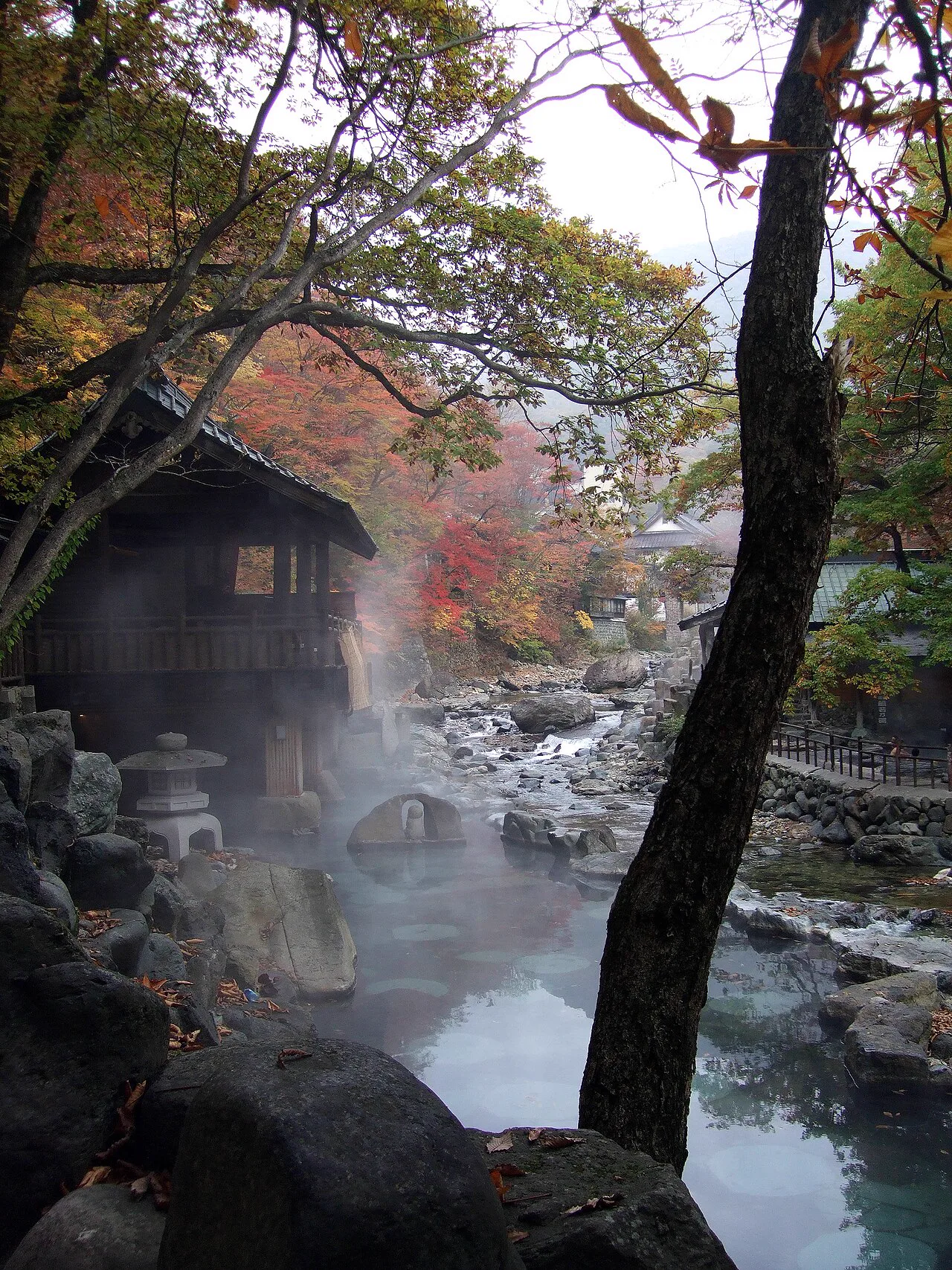
Image: Asamushi Onsen, Wikimedia Commons.

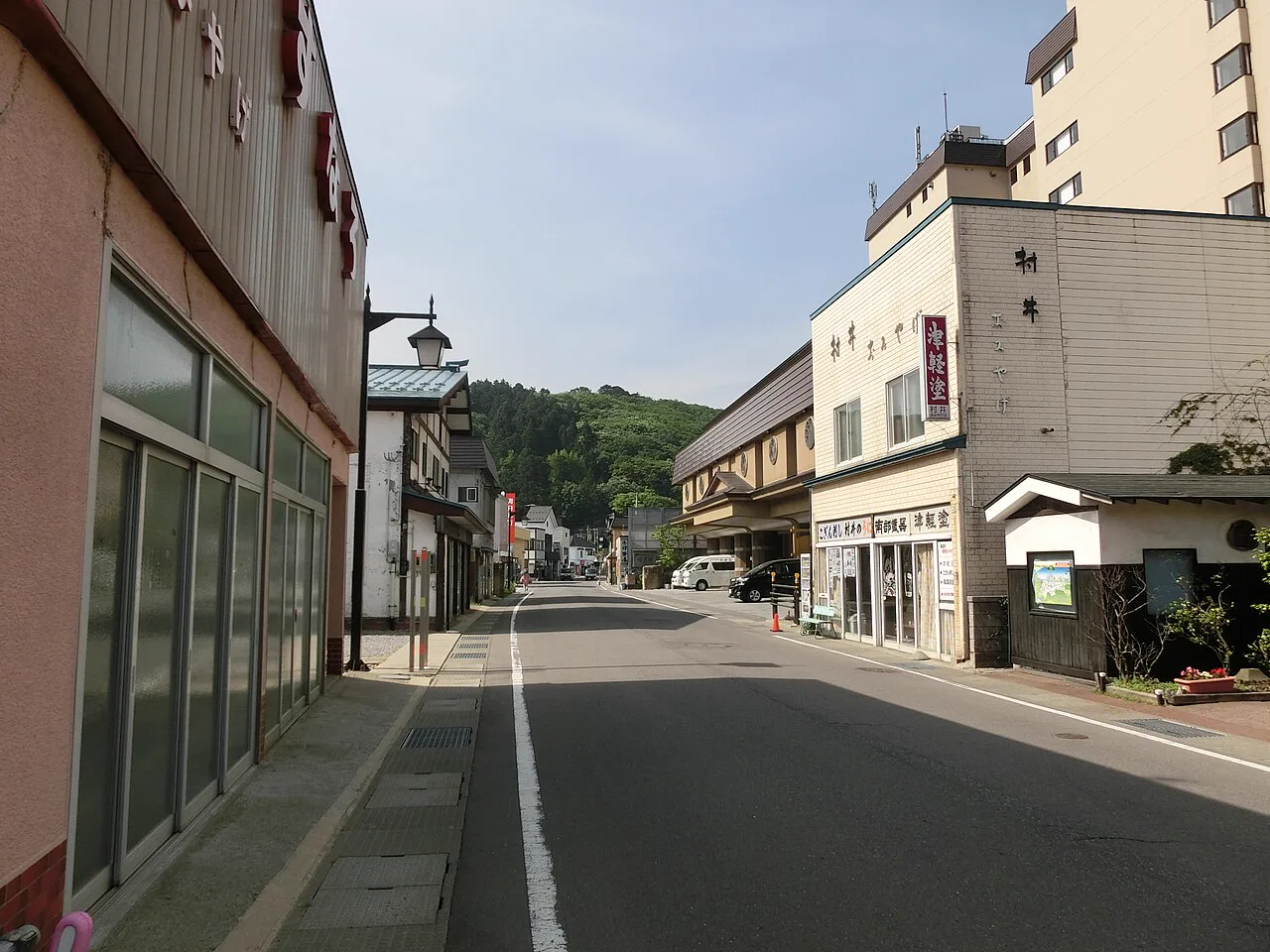
Image: Asamushi Onsen roadside station and Route 4, Wikimedia Commons.
Kaisen-kaku makes the most of its station-side location: the ninth-floor bath looks across Mutsu Bay, and live Tsugaru performances give the evening a distinctly local note. Tsubakikan sits farther into the hot-spring district. Its garden, traditional rooms and nine on-site sources lend the stay a quieter, more inward focus. One is easy to fold into a short rail trip; the other rewards a night spent at the inn.
The bath is the clearest point of difference
Tsubakikan’s baths draw from nine in-house sources and use flowing hot-spring water. Facilities include an indoor bath, a camellia-framed open-air bath and an Aomori hiba sauna. Bathing hours are 3 pm to midnight and 4 am to 9 am, with the male and female sides switching; the sauna closes at 10 pm. A permitted drinking-water point beside the main entrance is available around the clock. Follow the inn’s guidance on how much to drink.
The spring is a simple hot spring. Current temperature and pH figures for the nine-source setup are unavailable; the 2001 analysis covers an earlier blended spring.
Kaisen-kaku’s baths are all about the view. They sit on the ninth floor, with open-air sections facing the bay. Its spring is sodium-calcium sulfate-chloride, but this classification does not explain how each pool is treated. Tsubakikan gives a clearer account of its nine-source, flow-through setup.
Rooms: check the view at Kaisen-kaku, the layout at Tsubakikan
At Kaisen-kaku, some rooms face the bay and others face the mountains. Ocean-view categories include the Mutsu Bay Suite and selected Japanese-Western rooms; a lower-priced room may face the mountains. Check the view before booking. The hotel also has an accessible room with step-free space and a bathroom designed for assisted use; confirm the exact configuration if you need it.
Tsubakikan’s rooms are defined by their layout and garden setting. Options include a 36-square-metre modern Japanese-style room with beds, a 38-square-metre second-floor room with beds, tatami rooms from 32 to 41 square metres, and a 46-square-metre special room with a tea room. Some second-floor rooms are reached by stairs and others by elevator, so confirm the route for the room you book.
Dinner has two different rhythms
Kaisen-kaku offers a live buffet or kaiseki, depending on the plan. The buffet has a live-cooking setup and suits families or mixed groups; kaiseki makes dinner more formal. Tsugaru shamisen is usually performed in the evening, while the separate Nebuta-and-dance program is tied to selected plans. Check the event schedule and booking details.
Tsubakikan serves a set dinner called Tsubaki no Hako, with market-fresh fish, seasonal produce and NAMIKI beef from the foothills of Hakkoda. Breakfast includes freshly cooked Aomori rice, salmon, sujiko and shijimi clam miso soup from Lake Jusan. It is a seated meal, not a buffet. Guests with food allergies should contact the inn at least a week ahead.
A practical choice for your itinerary
Kaisen-kaku is about 140 metres from the station, an easy walk with luggage. Tsubakikan is farther from the platform and offers station pickup, which needs to be arranged in advance. In winter, account for the transfer when comparing the two locations.
Kaisen-kaku suits a stay built around the bay view, short station transfer, meal options and an evening event on-site. Tsubakikan fits a slower night centred on its baths, garden, art and set dinner. Travelling with an older relative? Check the room-to-bath route and stairs at Tsubakikan. Kaisen-kaku has an accessible room, but confirm that its layout meets your specific needs.
| Kaisen-kaku | Tsubakikan | |
|---|---|---|
| Best-known for | Ninth-floor bay-view baths and Tsugaru performances | Nine in-house sources, flowing baths, garden and Munakata Shiko artworks |
| From the station | About 140 m | Pickup available; confirm details |
| Bath hours | 3 pm–1 am, then 5 am–9:30 am | 3 pm–midnight, then 4 am–9 am; sides switch |
| Sauna | Not a central feature | Aomori hiba sauna, 3 pm–10 pm |
| Tattoo policy | Tattoos are not allowed in the public baths; confirm any current exception | Rules are unclear; contact the inn before booking |
| Dinner | Buffet or kaiseki by plan | Tsubaki no Hako set dinner |
The full Asamushi ryokan comparison puts these two alongside other inns in town. For another head-to-head with Kaisen-kaku, see the Tatsumikan comparison.
The two inns at a glance
| What matters | Nambuya Kaisen-kaku | Tsubakikan |
|---|---|---|
| Setting | Beside Asamushi-Onsen Station, with bay-facing room categories | Farther inside the hot-spring district, with a garden and traditional rooms |
| Bath | Ninth-floor Mutsu Bay view; men’s and women’s sides do not switch | Nine on-site sources, flow-through baths and a Hiba-wood sauna; sides switch |
| Bathing hours | 3 p.m.–1 a.m. and 5–9:30 a.m. | 3 p.m.–midnight and 4–9 a.m.; sauna to 10 p.m. |
| Dinner | Kaiseki or live buffet, depending on the plan | Tsubaki no Hako set dinner with market fish, local produce and NAMIKI beef |
| Tattoo policy | Public observation bath excludes guests with tattoos | No clear unified policy found; confirm with the inn |
| Best suited to | A first stay, bay views, easy station access and evening events | Spring-water detail, garden atmosphere, traditional rooms and a quieter pace |
Spring water: view or source transparency
Tsubakikan describes nine private sources and flow-through bathing. Public baths run from 3 p.m. to midnight and 4 a.m. to 9 a.m.; the Hiba sauna closes at 10 p.m. The approved drinking-water point beside the main entrance is open around the clock. Current temperature and pH figures for the nine-source setup are not published. The 2001 analysis covers an earlier blended spring.
Kaisen-kaku lists a sodium-calcium sulfate-chloride spring; its ninth-floor bath faces the bay. The hotel does not publish water-addition, heating, circulation and disinfection methods for each tub. Its “flow-through” description and third-party facility information do not give a consistent tub-by-tub account. Tsubakikan publishes more detail about its nine sources and flow-through setup.
Room choice: view at Kaisen-kaku, layout at Tsubakikan
Kaisen-kaku sells both bay-facing and mountain-side rooms. The Mutsu Bay Suite and selected deluxe twin or Japanese-Western rooms are among the sea-view choices; lower-priced categories may face the mountains. Confirm the room name if the view is why you are booking. The hotel also lists a 57-square-metre accessible room with a ramp at the entrance, step-free interior space and a bathroom designed for assisted use; verify the precise arrangement with the hotel if you need it.
Tsubakikan’s options include a 36-square-metre modern Japanese-style room on the first floor, a 38-square-metre second-floor room with beds, tatami rooms from 32 to 41 square metres and a 46-square-metre special room with a tea room. Choose by sleeping style and atmosphere rather than floor height. Some second-floor rooms are reached by stairs and others by elevator, so confirm the route to your specific room.
Meals and the evening
Kaisen-kaku offers a live buffet at Umitsuji or kaiseki at Ryuo, depending on the plan. The buffet includes live cooking and a bay-facing dining area; it is easier for groups with different appetites. Tsugaru shamisen performances generally run at 8:45–9:15 p.m. The Nebuta-and-dance event is tied to selected plans, not automatically included for every guest.
Tsubakikan’s Tsubaki no Hako is a served Japanese meal built around market-fresh fish, Aomori produce and NAMIKI beef. Breakfast includes Aomori rice, salmon, sujiko and Lake Jusan clam miso soup. The dining room faces the garden. Contact the inn at least a week ahead about food allergies.
Prices: compare like for like
Rates at both inns change with dates, occupancy, room category, meals and early-booking plans. Tsubakikan’s dated examples range from about ¥17,000–¥20,000 per person on some early-booking or quieter dates to more than ¥30,000 on popular dates or for other room types. Those are examples, not a current quote. Compare the same date, two adults, two meals and a similar room category. A low-priced mountain-side room at Kaisen-kaku should not be compared with a higher-category room at Tsubakikan.
Getting around without a car
Kaisen-kaku is about 140 metres, or two to three minutes on foot, from Asamushi-Onsen Station. Tsubakikan is farther into the district and offers station pickup. Ask about the reservation process, arrival-train timing and service hours after booking; do not assume a shuttle can be requested as you step off the train. Kaisen-kaku is easier with heavy luggage, snow or a same-day connection, while Tsubakikan’s position brings a quieter garden setting.
Which inn suits your kind of trip?
Families may find Kaisen-kaku simpler: it is close to the station, has buffet dining and lends baby chairs, baby baths, formula kettles and diaper bins. Couples can choose either—the bay view and evening performance at Kaisen-kaku, or Tsubakikan’s garden, art and old-inn atmosphere. For older travellers, Kaisen-kaku has an accessible room and short station walk; at Tsubakikan, check stairs, elevator access and the room-to-bath route. Solo travellers who want a restaurant, lounge and evening performance may prefer the larger hotel, while someone seeking a quieter reading-and-bathing stay may prefer Tsubakikan.
When one of these inns is not the right choice
Guests with tattoos who need to use a public bath should note that Kaisen-kaku excludes tattooed guests from its observation bath. Tsubakikan’s current public information does not clearly set out a unified policy; ask before paying. If you do not care about bay views, large-hotel facilities or evening events, there may be little reason to pay for Kaisen-kaku’s extras. If you want a highly modern layout throughout, inspect Tsubakikan’s room and stair arrangements carefully before booking.
Frequently asked questions
Which is better for a first visit to Asamushi?
Kaisen-kaku is easier to arrange without a car and puts the bay view, bath, meals and local performances under one roof. Tsubakikan is more representative of a traditional hot-spring inn if that is the experience you want most.
Which hot spring is better?
They offer different things. Kaisen-kaku’s draw is the ninth-floor view; Tsubakikan publishes more detail about its nine sources, flow-through bathing and drinking-water point. Neither has a current, complete set of measurements that supports a single technical winner.
Which is easier in winter?
Kaisen-kaku’s two- to three-minute station walk is simpler with snow and luggage. Tsubakikan’s station shuttle can help, but must be arranged. Its garden and early-morning bath may appeal to guests who want a more traditional winter stay.
Can I go just for a day bath?
Both properties primarily sell overnight stays, and day-use availability may change with operations or season. Check current terms directly; for a short soak, compare the public baths in the town instead.
Which one costs less?
There is no fixed answer. Compare a matching date, occupancy, room category and meal plan; both inns’ rates vary substantially.
Related guides
Sources
- Kaisen-kaku official site
- Kaisen-kaku: baths
- Kaisen-kaku: rooms
- Kaisen-kaku: dining
- Kaisen-kaku: evening events
- Tsubakikan: official site
- Tsubakikan: baths
- Tsubakikan: rooms
- Tsubakikan: dining
- Japan Spa Association: 2001 Tsubakikan analysis
- Asamushi Onsen Tourism Association: lodging directory
Kaisen-kaku vs Tsubakikan, Asamushi Onsen, Mutsu Bay, flowing hot spring, ryokan comparison.