Zao Onsen Day Trip or Overnight Stay: Which Fits Your Plans?
Decide whether to visit Zao Onsen for the day or stay overnight. Compare ropeway time, bathing hours, seasonal activities, buses and what an extra night adds.
Zao does not require an overnight stay to feel worthwhile. From Yamagata Station, the bus to Zao Onsen takes roughly 40 minutes, which makes a ropeway ride or a soak realistic in one day. Staying becomes more useful when you want to fit activities with conflicting hours into the same visit, or when weather could force you to try the mountain again the next morning.
Start with the shape of your day. One main activity plus one bath is usually a day trip. A ropeway, the seasonal outdoor bath, dinner, an evening soak and another morning activity are much easier across two days.
The known costs are easy to set out
As of September 2026, an adult bus return between Yamagata Station and Zao Onsen is ¥2,400. A return ride on the Zao Ropeway to Jizo Summit is ¥4,400. The Great Open-Air Bath is ¥850. Put those together and one adult’s transport, summit ropeway and one outdoor bath total ¥7,650, before food or other local travel. You can reduce that by choosing a public bath at ¥300 instead of the seasonal open-air bath, or by taking a shorter ropeway route.
Those activity costs still apply if you stay overnight. Add the actual room and meal plan for your dates; Zao accommodation prices change with the season, room and whether meals are included, so there is no useful single nightly price for every traveller. The room is worthwhile when you will use the additional time, not just because the destination is a hot-spring town.
A day trip is enough for one clear priority
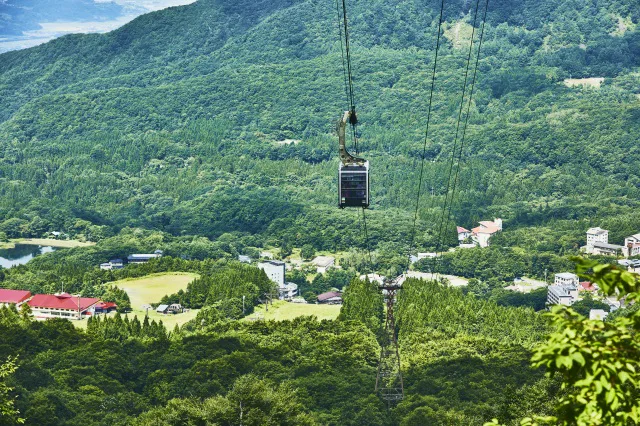
For a straightforward visit, take an early bus from Yamagata, do the ropeway or walk that matters most, then choose a bath before returning. The ropeway is the time-sensitive part: service can pause in poor weather, and the last uphill ride to Jizo Summit is earlier than the bus back to town. Check the operator’s status and the live camera before you commit.
The Yamagata Station car-free guide builds a practical route around the bus. For summer and autumn, see the day-use bath comparison to choose between a full-service facility, the mountain-side open-air bath and the three public bathhouses. In winter, keep a second activity in town in case snow or wind interrupts the ropeway.
A same-day visit is less comfortable if you are arriving from farther away and want dinner in Zao after a full day outside. You may reach the hot-spring town, but the bus schedule—not the bathhouse closing time—sets the real end of the trip. Check both directions for your travel date before deciding.
When a night changes what you can do
The public baths in town are listed year-round from 6 a.m. to 10 p.m. An overnight stay makes those hours usable: you can bathe after dinner and again before breakfast instead of fitting everything between the arrival and return buses. The baths are simple communal spaces, not spas with showers and lounges; your inn’s own bath may be more convenient after a day outdoors.
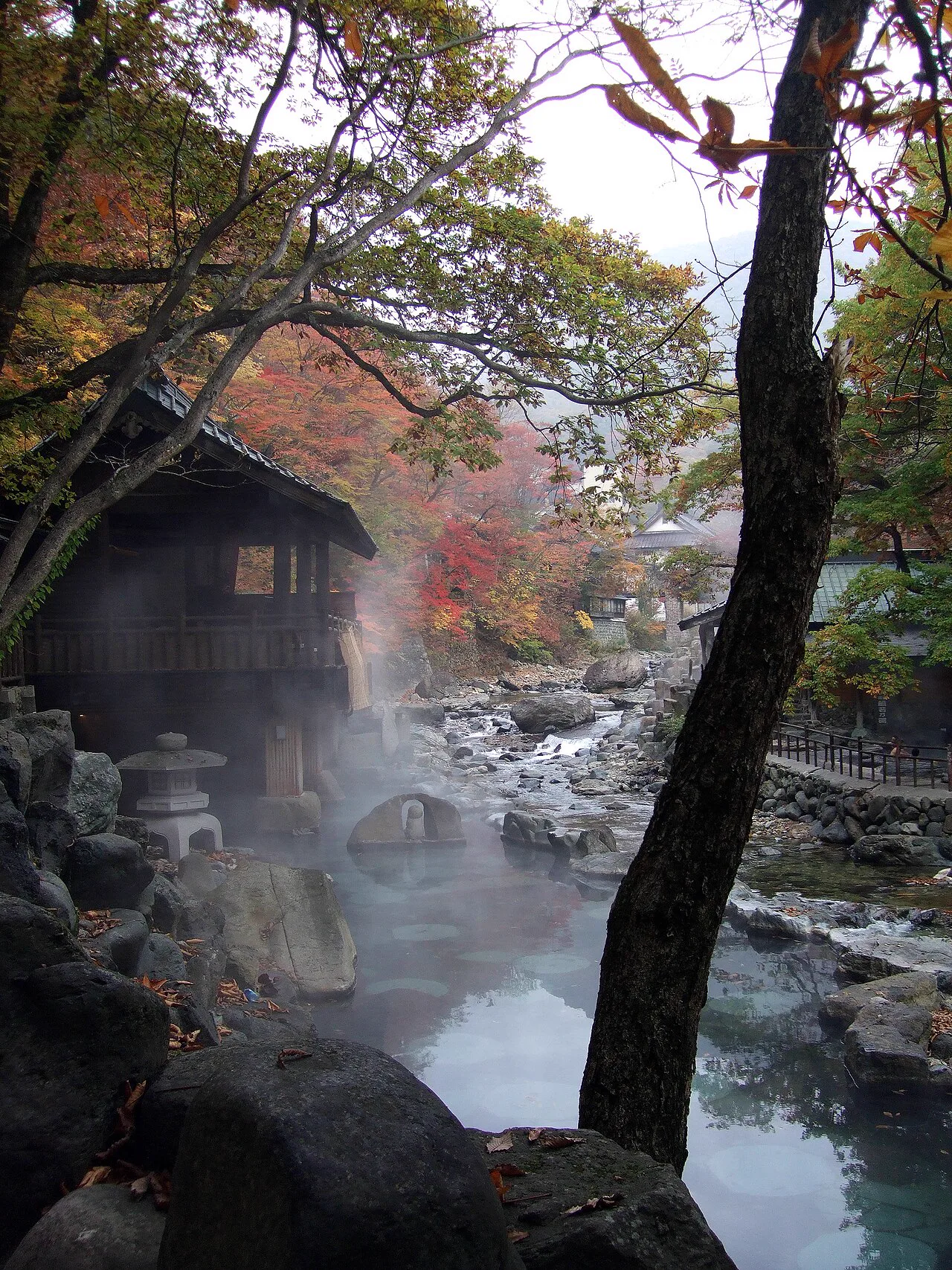
Staying also separates the mountain from the bath. In spring through autumn, the Great Open-Air Bath is a seasonal daytime facility and has no shower. A day visitor trying to ride a ropeway, walk, soak there, wash and catch a bus has several separate clocks to manage. An overnight lets you put the bath before check-in or on the second morning without turning every stop into a race. The Great Open-Air Bath guide explains the no-shower rule and seasonal dates.
Winter gives the overnight a different job. If the snow monsters are central to your trip, a second morning is another chance to see them if wind, cloud or a suspension spoils the first attempt. A night does not guarantee better weather or a running ropeway. It simply gives you another decision point, which matters most when the juhyo are the main reason you came.
The location of your lodging matters
The village is steep enough that a short map distance can still mean an uphill walk. Staying near the bus terminal and Takayu-dori simplifies dinner, the public baths and departure. Staying closer to the ropeway’s lower station can make an early start easier. Look at where you expect to spend the morning and evening, then check whether the inn handles luggage after checkout.
If you are travelling from Sendai or farther away, include the extra transfer time in the decision. The Sendai-to-Zao access guide covers the standard route. An overnight can be more comfortable after a long connection, but you still need to check the next day’s departure rather than assuming transport runs whenever you are ready.
Which one fits your trip?
Choose a day trip if you are based in Yamagata, have one main activity, and are content to adapt if the mountain is closed. It keeps the cost clear and avoids moving hotels for an evening you may not use.
Choose a night if you want the early or late bath window, plan to split two mountain areas across half-days, are travelling from farther away, or would value a second weather check for a high-altitude activity. If none of those matters, the overnight is optional. If two or more do, staying starts to make the itinerary feel less compressed.
Sources
- [Yamagata Kotsu: current Yamagata–Zao bus timetable](https://www.yamagatakotsu.jp/busroute1/z90/) - [Zao Ropeway: current fares, hours and service information](https://zaoropeway.co.jp/summer/guide.php) - [Zao Onsen official site: public bath hours and prices](https://zaomountainresort.com/about/) - [ZAO JUPEER: Great Open-Air Bath prices, hours and access](https://www.jupeer-zao.com/roten/) - [Zao Onsen stay-area guide](/guides/zao-onsen-stay-area-guide/) - [Yamagata Station to Zao without a car](/guides/zao-yamagata-station-no-car-daytrip-guide/)Checked September 28, 2026. Bus, ropeway and bath schedules can change by season or date. Confirm the connections and operating notices for your visit.