Takatsuki Onsen Guide: Tenjin no Yu, Shofuen or Sansuikan?
Compare Tenjin no Yu, Shofuen and Sansuikan in Takatsuki by setting, spring, access and day-use schedule. Choose a station-side bath or a Settsukyo outing.
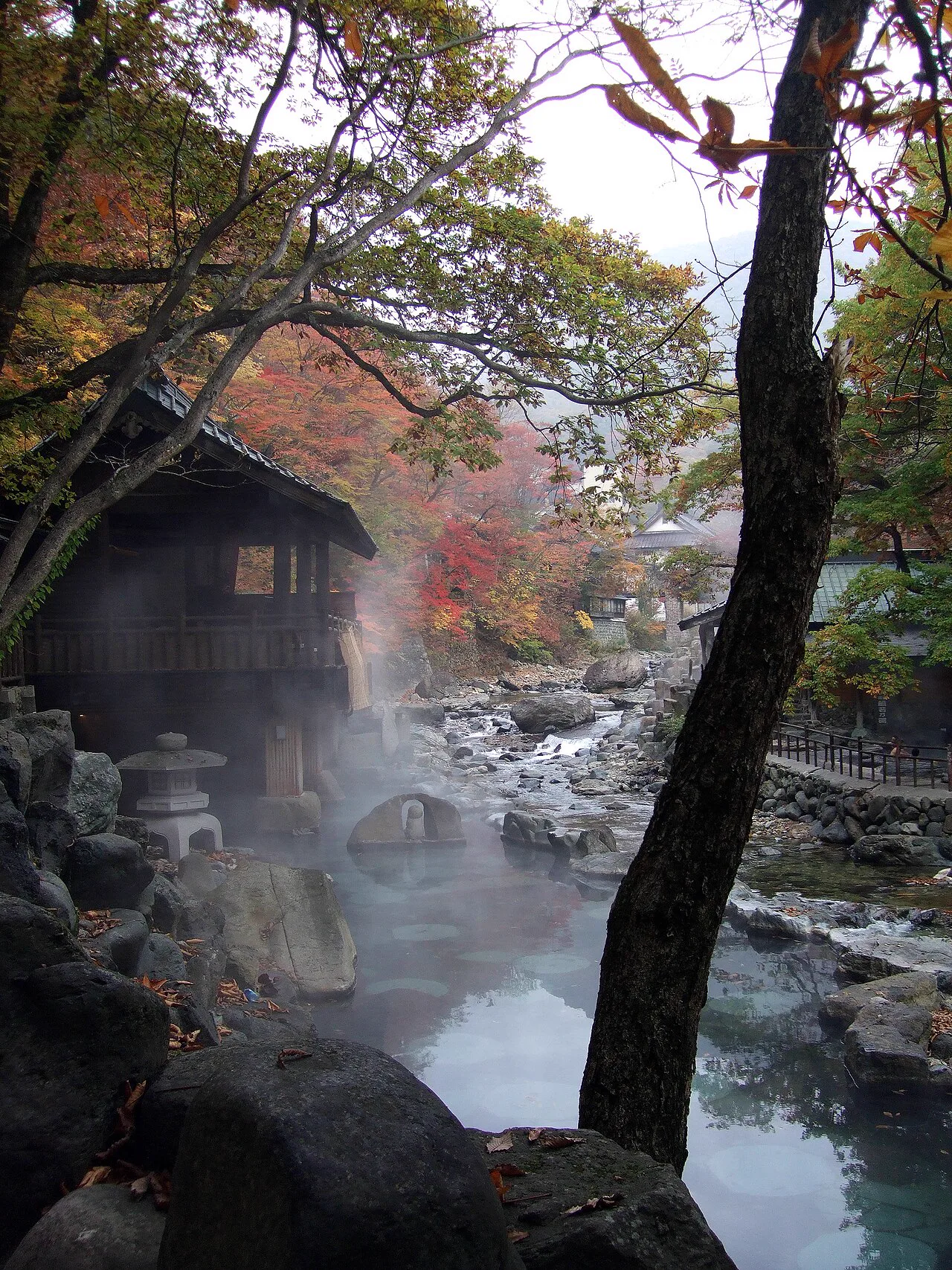
Takatsuki’s three main hot-spring options serve different days. Tenjin no Yu is a city bath beside the two main railway stations. Shofuen is a day-use complex near Settsukyo with an alkaline bicarbonate spring and rooftop outdoor baths. Sansuikan is an inn by the gorge, with two spring profiles and a shorter, split day-bathing schedule.
For a brief stop between Osaka and Kyoto, start with Tenjin no Yu. Shofuen is easier to justify when the bath itself—or a visit to the Settsukyo area—is the point. Sansuikan makes sense when you want an inn setting and can plan around its hours and transport.
The difference is mostly location and rhythm
| Bath | Best fit | What needs planning |
|---|---|---|
| Tenjin no Yu | A station-side soak, including an early visit | Maintenance closure dates; no dedicated or partner parking is listed |
| Shofuen | A larger day-use bath with an outdoor setting | Local bus or the facility’s shuttle; confirm current prices and shuttle times |
| Sansuikan | A gorge-side bath as part of a Settsukyo half-day | The 3–4 p.m. cleaning break and reservation-only shuttle details |
Tenjin no Yu is about a three-minute walk from both JR Takatsuki and Hankyu Takatsuki-shi, according to the facility’s access information. Its published regular schedule starts at 6 a.m., but the operator posts occasional maintenance closures. The existing Tenjin no Yu guide has the current admission and bath details; check its latest closure notice before setting an early alarm.
Shofuen sits south of Settsukyo Park. The Takatsuki Tourism Association lists public buses from the north side of JR Takatsuki Station and a free shuttle from the station area. The trip is manageable without a car, but a late bath is only useful if you have also checked the return service.
Sansuikan is the most schedule-dependent of the three. Day bathing runs from 11:30 a.m. to 3 p.m. and 4 p.m. to 8 p.m.; the inn lists a last reception at 7 p.m. Its JR Takatsuki shuttle is reservation-only, and the public-bus alternative leaves about a 20-minute walk from Tsukawaki. See the Sansuikan day-use guide before pairing it with a gorge walk.
The spring descriptions are not a bath-temperature ranking
Tenjin no Yu publishes a simple-spring classification and a source temperature of 32.4°C. Shofuen uses the No. 2 spring associated with Hananosato Onsen; its sister inn Sansuikan publishes a source temperature of 42°C, pH 9.2 and bicarbonate content of about 850 mg/kg for that source. Sansuikan’s indoor bath uses a different source, published at 28.5°C and pH 8.8.
Those are source-water figures, not temperatures measured in each bathing pool. Sansuikan also says its outdoor bath receives transported Shofuen water, so it is not a claim that the inn reproduces Shofuen’s source unchanged. For a facility-by-facility comparison, check the operators’ current descriptions rather than ranking the baths by pH alone.
Pick by the day you actually have
If you are travelling by rail and have only a couple of hours, Tenjin no Yu is the most predictable option to reach. Choose Shofuen when an outdoor bath or a visit toward Settsukyo fits the rest of the day. Sansuikan is the better match for a planned gorge-side stop, especially when its cleaning break and shuttle can be built into the itinerary.
The current official pages do not give a complete, directly comparable fee table for all three. Shofuen’s tourism-association listing specifically directs visitors to the facility for admission and shuttle details, so confirm the price for your date rather than relying on older listings. The Osaka day-use onsen guide can help if none of these locations fits your route.