Okuhida Onsen Day Trip or Overnight? How Far Should You Go?
Stay in Hirayu for an easier Okuhida bath day; go overnight to add the ropeway or other mountain areas. Kamikochi changes the route and time needed.
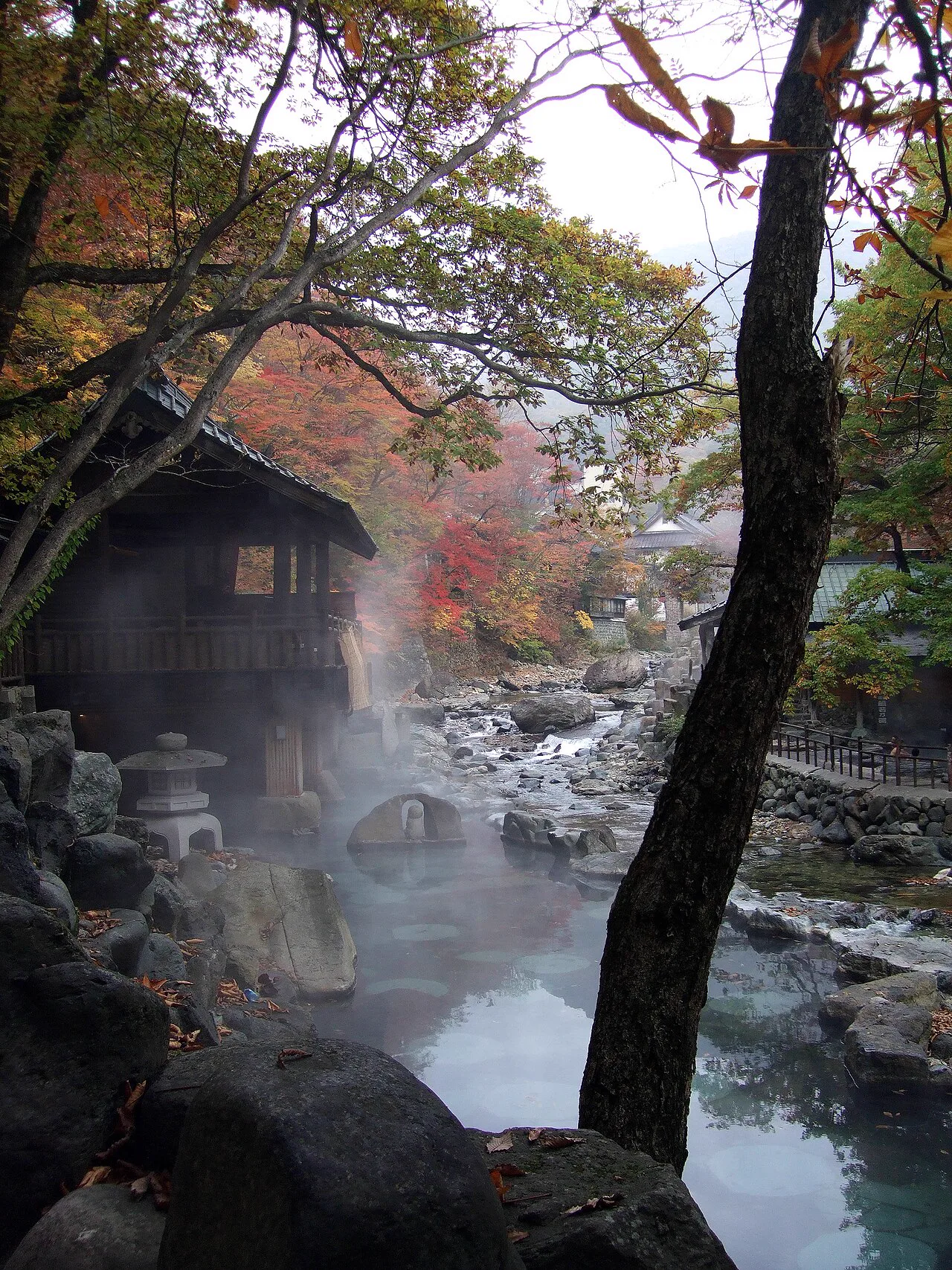
Okuhida is a string of five hot-spring areas along a mountain road, not one compact town. A day trip from Takayama works well when you pick one area and one main activity. The case for a room gets stronger when you want to cross the valley, ride Shinhotaka Ropeway, add Kamikochi, or leave yourself another weather window.
Checked September 28, 2026. The access and ropeway pages were checked against current operator information; schedules, temporary stop changes and operating status can change.
When one day is enough
For a first soak, Hirayu is the simplest target. The bus from Takayama takes about an hour on Nohi Bus’s current timetable, and Hirayu has several day-use choices near its bus terminal. You can arrive, bathe, have lunch or take a short walk, then return to Takayama without trying to sample every village.
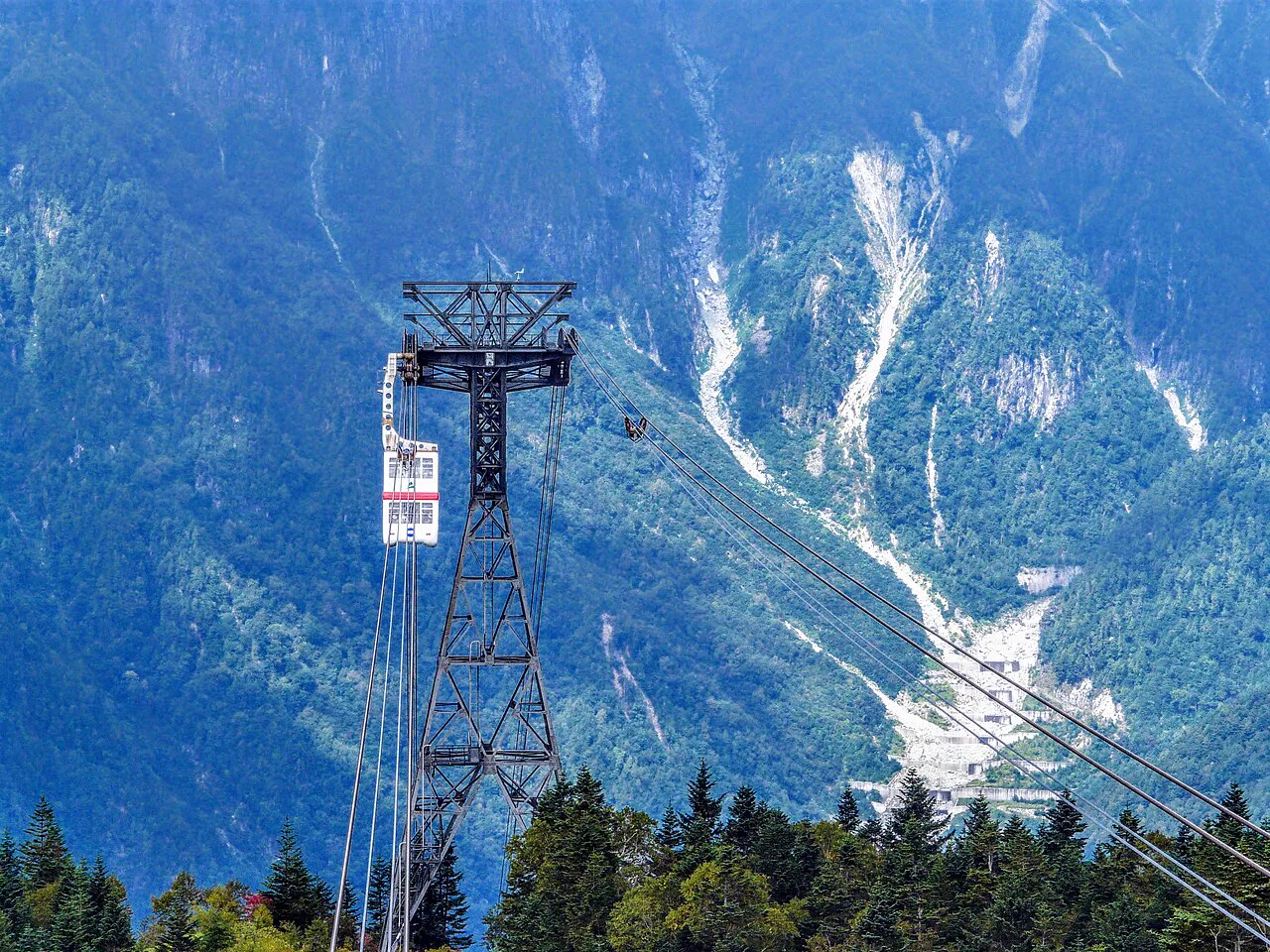
Shinhotaka Ropeway can also fit a day trip if it is the main event. Nohi’s timetable has morning services from Takayama to the ropeway, with the journey taking roughly 1 hour 45 minutes on the listed runs. Keep the ropeway first in the plan: it operates year-round but can stop for poor weather or maintenance. A bath afterward is a bonus only if the return bus and the facility’s own hours allow it.
The useful limit is the number of transfers and stops, not whether you can technically reach a place. The five areas are served along the same valley route, but Nohi’s timetable includes branches via Fukuchi or Ipposui and not every departure stops at every hamlet. Check the route column and your inn’s exact stop before setting out. The Takayama-to-Okuhida bus guide breaks down those stop and route differences; the day-use bath guide compares facilities without treating them as interchangeable.
What a night changes
An overnight stay takes the pressure off having to return to Takayama after the last activity. That matters when the plan has two distinct parts—for example, a bath in Hirayu on arrival day and the ropeway the next morning, or a night near Shinhotaka before a mountain outing. You can also arrange dinner and bathing at the inn rather than depend on finding an open restaurant after a late bus.
It does not make the five districts walkable, or guarantee that a bus will stop outside your lodging. Hirayu is the main transfer point for Kamikochi; Fukuchi, Shin-Hirayu, Tochio and Shinhotaka each have separate stops along the route. Choose the inn around the next morning’s destination, then confirm both the arrival and departure stop with the property. The five-area stay guide compares the bases and sets out a practical one-night route.
If Shinhotaka and Kamikochi are both on your list, a night in or near Hirayu is usually the more workable way to divide them. The two places connect through Hirayu, but each needs its own travel and sightseeing time. Kamikochi’s 2026 bus season runs from April 17 to November 15; outside that window, this particular combination is not available on the regular seasonal service. Nohi’s buses are unreserved, and busy morning trips may fill before everyone in line can board, so do not build both mountain stops around a tight connection.
A simple plan for each kind of trip
| Your main plan | Better fit | Why |
|---|---|---|
| One day-use bath, with a meal or short walk | Day trip to Hirayu | The terminal and several bathing options are close together. |
| Ropeway, then one soak if time permits | Day trip, with an early start | It can work, but ropeway operation and the return bus set the limit. |
| Two or more onsen areas | Overnight | The villages sit along a mountain road; each cross-valley ride adds a wait and a connection to protect. |
| Ropeway plus Kamikochi | Overnight, usually based around Hirayu | Both outings use the Hirayu transfer, and Kamikochi is seasonal. |
| Winter travel or a ropeway-dependent visit | Consider an overnight buffer | Snow, road delays or a suspension can use up a single-day plan. A second morning helps only if the service resumes; it is not a guarantee. |
When a two-day pass is useful
The 2026–27 Nohi Bus Okuhida Marugoto Value Ticket combines designated bus travel with one ropeway round trip.
| Departure point | Validity | Fare |
|---|---|---|
| Takayama | Two days | ¥7,700 |
| Takayama | Three days | ¥8,200 |
| Hirayu | Two days | ¥5,400 |
It suits a multi-day trip with several valley rides and the ropeway. Check route coverage and suspension terms before buying; the ticket does not include a room or dinner.
A separate 2026 two- or three-day pass from Takayama costs ¥10,500 or ¥11,000 and includes one return trip to Kamikochi as well as the ropeway and covered valley buses. It is a different product from the Marugoto ticket, not a competing price for the same coverage.
Use the Kamikochi-inclusive pass if your plan includes both mountain destinations; if you only need the ropeway and Okuhida buses, check the Marugoto ticket. Neither pass makes a packed single-day schedule more forgiving. The one-night Okuhida itinerary explains how the area choices fit together.
Keep the return leg in view
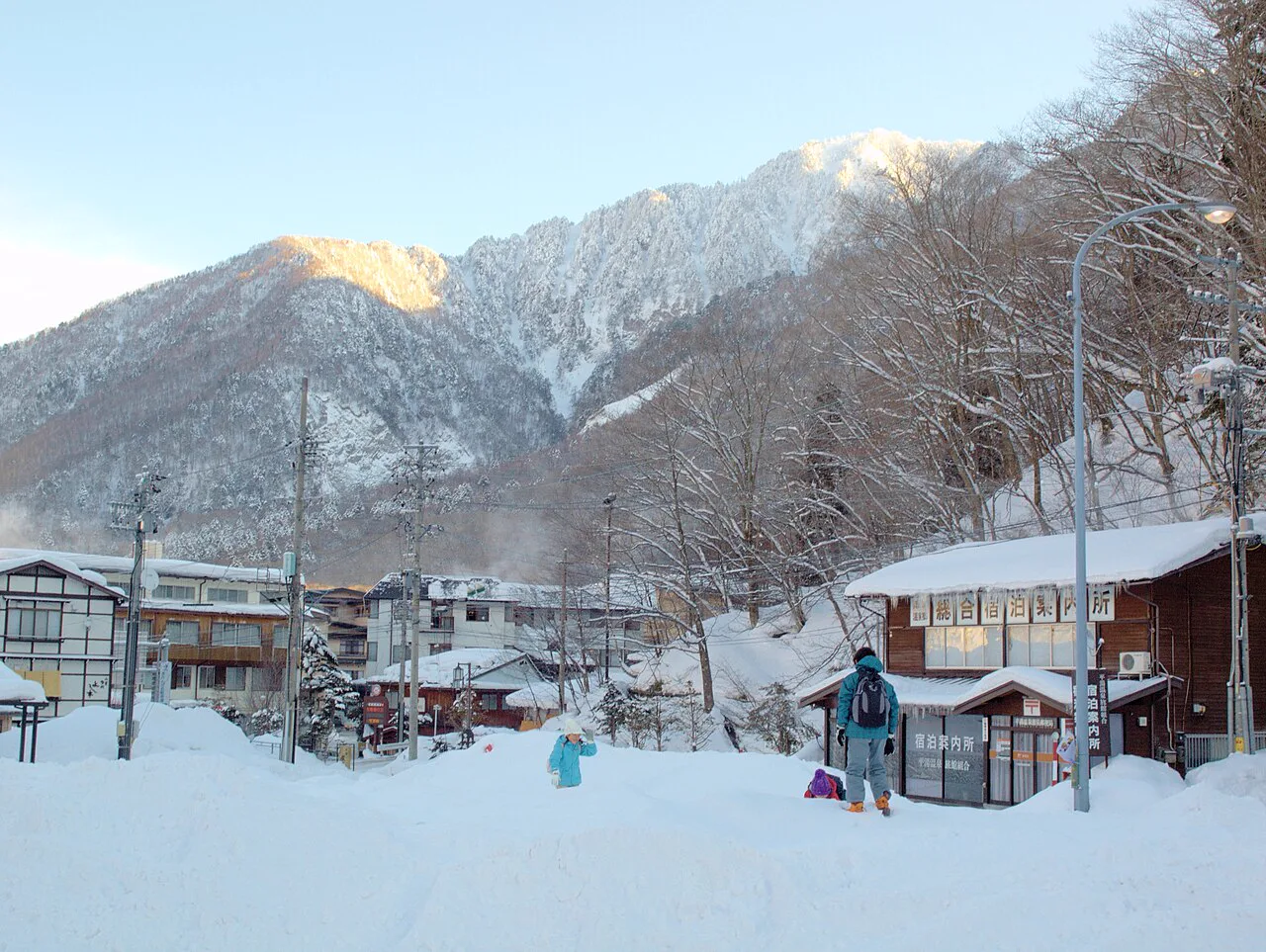
The regional bus page warns that snow and road conditions can cause significant delays to both departures and arrivals. That warning matters even in warmer months: if you have a train or a booked dinner in Takayama, do not plan to arrive back just before it. In winter, use the operator’s current notice and the Okuhida seasonal road guide rather than assuming last year’s detour or stop arrangement still applies.
For the exact current fares, timetable variants and stop names, use Nohi Bus directly. The route page currently lists Takayama–Hirayu at ¥1,600 one way and Takayama–Shinhotaka Ropeway at ¥2,200 one way; these fares do not include bathing or ropeway admission. Bath prices and access rules vary by facility, so check the day-use guide and the bath operator before travelling.
The short answer
One area and one main activity make a solid day trip. Consider staying overnight when the plan crosses into a second bus corridor, needs a Kamikochi connection, or depends on a second weather window for the ropeway. An extra night is most useful when it removes a tight transfer or lets you split two mountain outings—not simply because Okuhida has five onsen areas.
Where to stay and what two adults might spend
For a Hirayu day trip, the adult bus fare is ¥1,600 each way, or about ¥6,400 return for two adults before bath admission or meals. If you add the ropeway, its two-section round trip is ¥3,800 per adult; lunch and any day-use bath are extra. The accommodation total cannot be given as a fixed figure because room type, date and meal plan change the price. Base yourself near Hirayu if the next day starts with Kamikochi; choose the Tochio or Shinhotaka end only when the ropeway is the first priority.
Tattoo rules
Tattoo policies are set by each bath and inn, not by the Okuhida bus network. The sources checked for this itinerary do not establish one rule for all five areas. Confirm directly with the facility before adding a public bath to your day; a private-use bath or overnight booking does not automatically settle the property’s policy.
Sources
Official bus, ropeway and area information
- [Nohi Bus: Takayama–Hirayu–Shinhotaka route, timetable, route variants and fares](https://www.nouhibus.co.jp/route_bus/shinhotaka-line/) - [Nohi Bus: Okuhida Marugoto Value Ticket, 2026–27 validity and terms](https://www.nouhibus.co.jp/marugoto_value_ticket_en/) - [Nohi Bus: 2026 Kamikochi service season, timetable and unreserved seating](https://www.nouhibus.co.jp/route_bus/kamikochi-line/) - [Shinhotaka Ropeway: current operating information and service suspensions](https://shinhotaka-ropeway.jp/en/price/) - [Okuhida Onsengo Tourism Association: the five hot-spring areas and day-use baths](https://okuhida.or.jp/en/hot-springs/) - [Nohi Bus: current service alerts](https://www.nouhibus.co.jp/status/)Checked September 28, 2026. Recheck timetables, road notices, ropeway operation and seasonal services on the day you travel.