Takayama to Okuhida Onsen: Bus Stops, Route Variants and Transfers
Nohi Bus serves Hirayu and Okuhida from Takayama, but departures vary via Fukuchi or Ichibōsui and may skip stops. Check the exact stop by your inn.
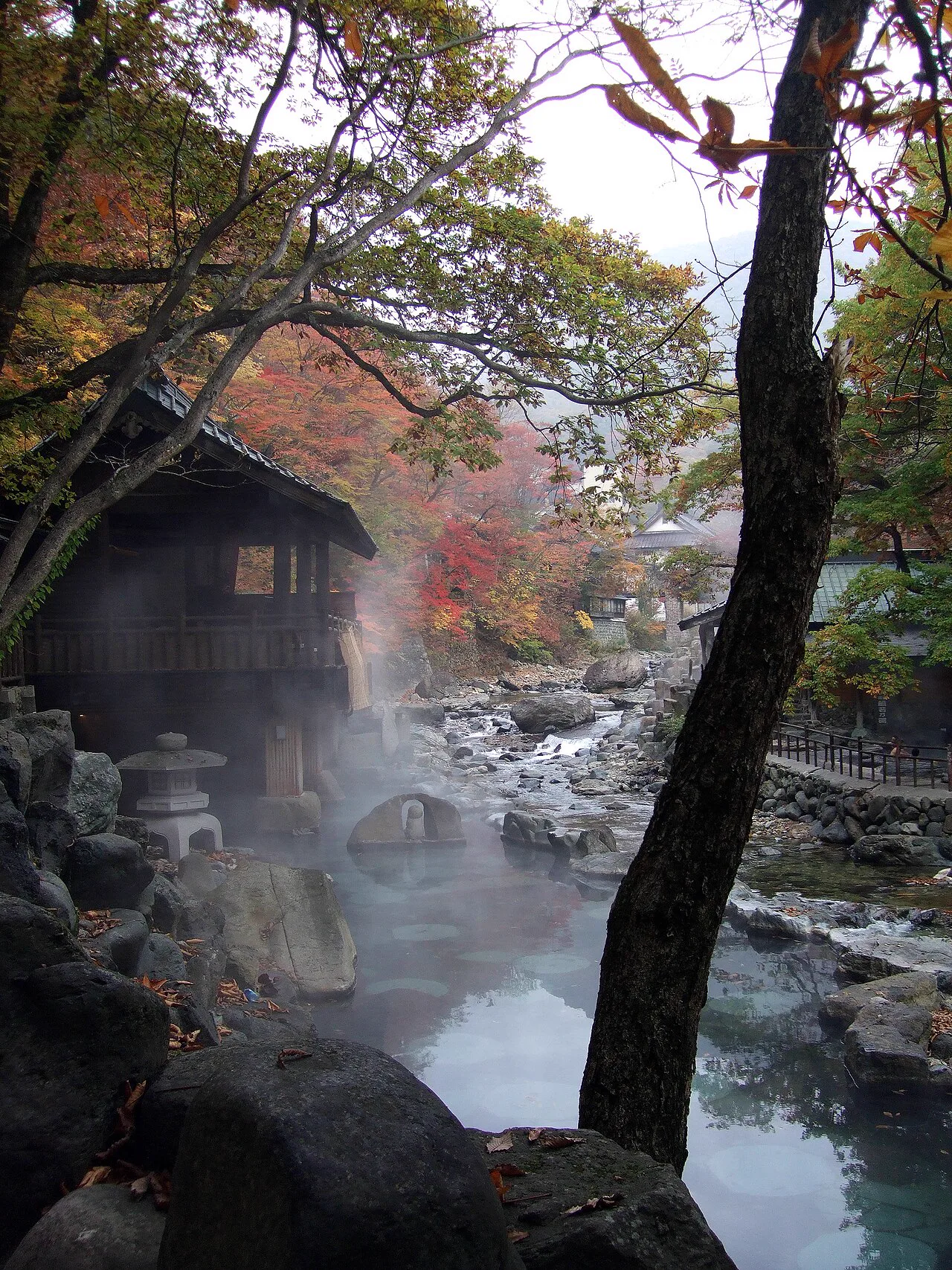
Okuhida is a chain of five hot-spring areas along a mountain road: Hirayu, Fukuchi, Shin-Hirayu, Tochio and Shinhotaka. From Takayama, Nohi Bus follows the same broad corridor, but some departures take different branches and skip certain stops. “A bus to Okuhida” is not enough information to choose the right ticket or tell an inn when you will arrive.
One main corridor, five stops and different fares
The main Nohi route leaves Takayama Nohi Bus Center and reaches Hirayu in about an hour. Services continue past Hirayu toward Shinhotaka, with scheduled stops in the intervening onsen areas. The operator’s current timetable shows departures roughly hourly for much of the day, but not every run serves every stop.
| Area | Stop name to check | What can trip you up |
|---|---|---|
| Hirayu | Hirayu Onsen (HO37) | This is the main transfer point for Kamikochi and the Matsumoto line. |
| Fukuchi | Fukuchi Onsen (HO40) or Fukuchi Onsen-guchi (HO45) | These are separate stops. Some departures use the Fukuchi route; others go via Ichibōsui. |
| Shin-Hirayu | Shin-Hirayu Onsen (HO48) | Confirm that the inn is actually near this stop; properties may name a different village stop. |
| Tochio | Tochio Onsen (HO51) | A stop along the same corridor, but evening services are limited. |
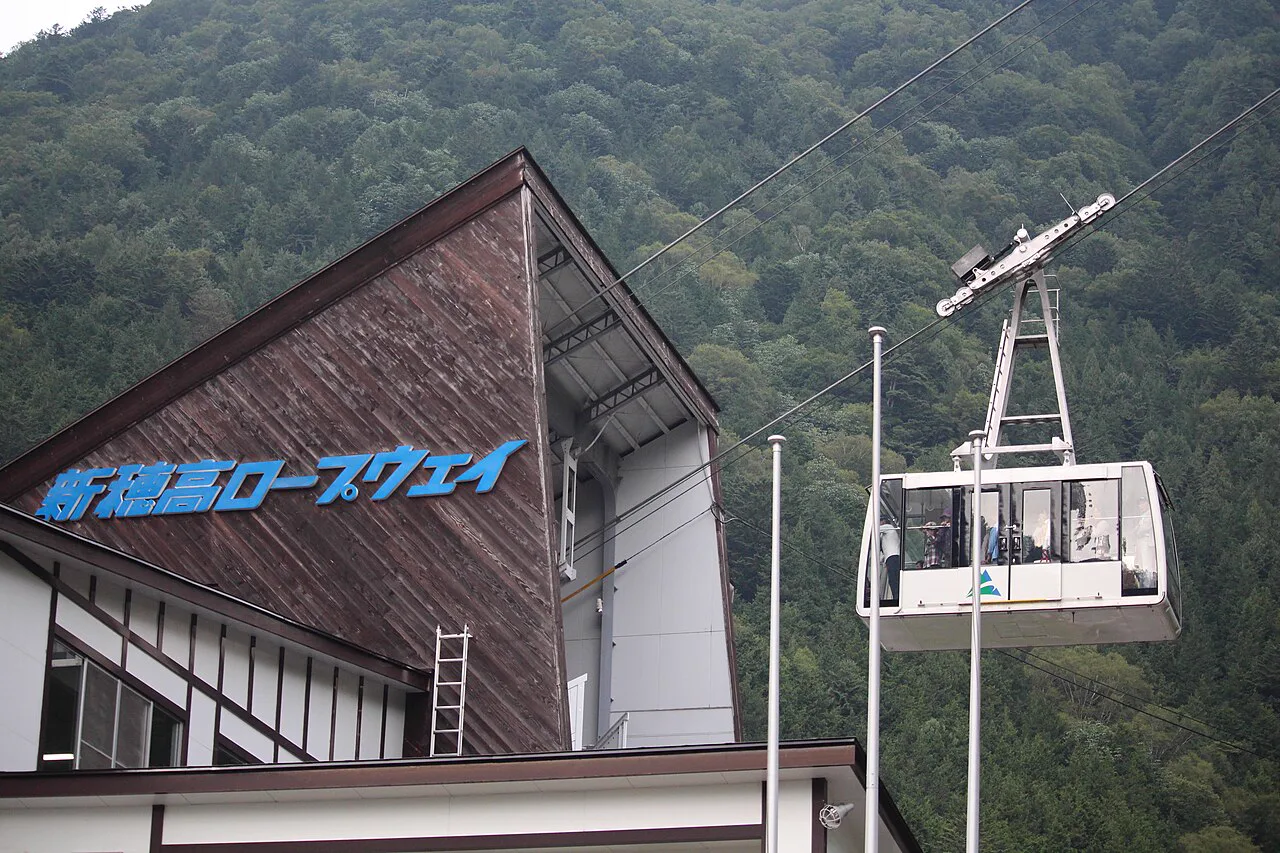
| Shinhotaka | Shinhotaka Onsen (H64) or Shinhotaka Ropeway (HO65) | The onsen and ropeway stops are not interchangeable. Use the ropeway stop for the gondola. |
Route labels matter most in Fukuchi. Read the timetable’s “via” column as well as the departure time, then compare the stop name with your accommodation’s access page. If the inn offers a pickup, ask which bus stop and departure it expects you to use. Keep its phone number handy in case road delays affect dinner or check-in.
For a rough fare check, the current adult one-way fares from Takayama are:
| Destination | Adult fare, one way |
|---|---|
| Hirayu Onsen | ¥1,600 |
| Fukuchi Onsen | ¥1,800 |
| Shin-Hirayu Onsen | ¥1,850 |
| Tochio Onsen | ¥1,930 |
| Shinhotaka Onsen-guchi | ¥2,050 |
| Shinhotaka Ropeway | ¥2,200 |
The two Shinhotaka stops serve different destinations, so do not buy the ¥2,050 fare if you need the ropeway terminal. Children generally pay half fare. Use the operator’s fare table at checkout, since it is the authority if fares change.
Takayama to Hirayu: the key transfer point
Hirayu is the first major onsen stop, about an hour from Takayama on the listed runs. It is also the connection for Kamikochi and the Matsumoto highway bus, as well as for continuing deeper into Okuhida. If your next morning is for Kamikochi, staying in Hirayu avoids riding past the transfer point and doubling back.
Takayama to Fukuchi: check the route column
Not every departure enters Fukuchi village. Nohi’s timetable distinguishes services via Fukuchi from those via Ichibōsui; Fukuchi Onsen (HO40) and Fukuchi Onsen-guchi (HO45) are separate stops. Ask your inn which stop is best and whether it can collect you from the outer stop. For a late arrival, make sure that bus timing also leaves enough room for check-in and dinner.
Takayama to Shin-Hirayu and Tochio: the middle of the valley
These two areas lie beyond Hirayu on the same bus corridor. Current adult fares from Takayama are ¥1,850 to Shin-Hirayu and ¥1,930 to Tochio; from Hirayu, the listed fares are ¥480 and ¥560 respectively. The short Shin-Hirayu–Tochio ride is ¥160. Check the inn’s precise stop: a short map distance can still mean a steep or snowy walk with a suitcase.
Takayama to Shinhotaka: use the right terminal
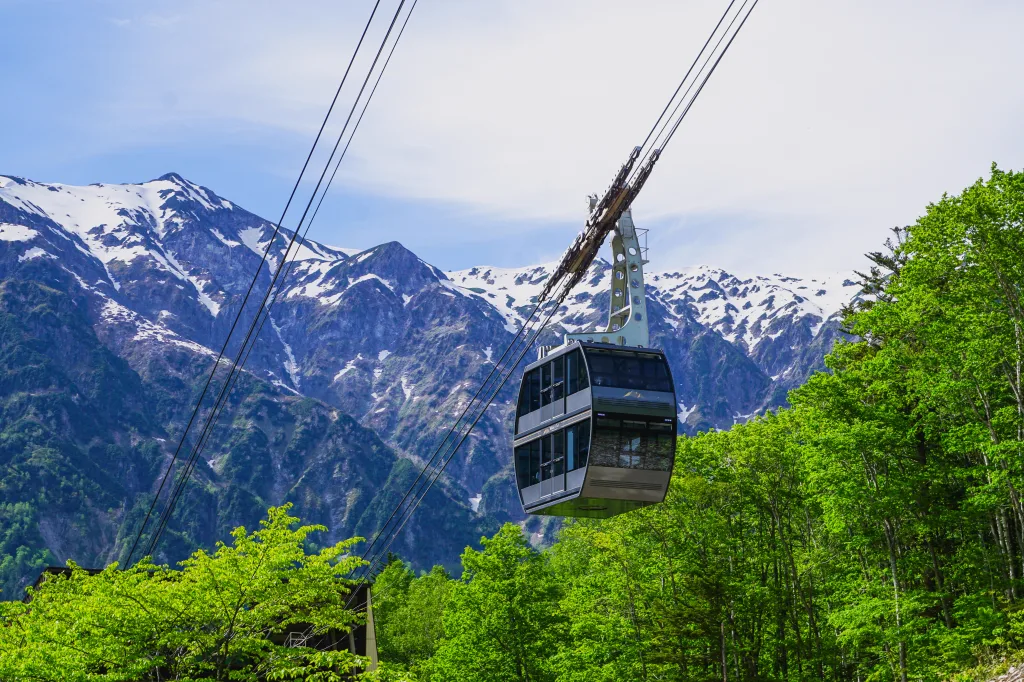
Shinhotaka Onsen and Shinhotaka Ropeway are different stops. If you are taking the gondola, stay on to HO65; the onsen stop is not the ropeway entrance. The bus ride from Takayama takes around 1 hour 45 minutes on the listed morning runs, but poor weather or a ropeway inspection can still stop the lift after the bus arrives.
The 2026 Takayama–Hirayu route is detoured, not closed
As of September 28, 2026, Nohi Bus still reports a detour on the Hirayu–Shinhotaka line because of the Route 158 landslide closure. The Shioya stop is suspended, and buses may be delayed. The operator’s current notice is more useful than an old itinerary or a map app; check it again on the day of travel.
The Okuhida tourism association and Nohi Bus say regular cars and route/highway buses can still reach Hirayu via a municipal-road detour, with about ten extra minutes possible. Nohi’s service notice also flags a detour and some suspended or relocated stops; temporary arrangements have included stops such as Karukaya and Yamanohotel-mae. Treat each date’s notice as definitive. If you have dinner, a private-bath slot or a connection to another long-distance bus, leave at least one bus’s worth of slack rather than planning around the scheduled arrival alone.
The Takayama–Okuhida local bus is generally unreserved from Takayama or Hirayu. There is an exception for certain uphill rides from stops between Nakao Yakeyake-dake Tozanguchi and Shinhotaka Onsen toward the ropeway: those require advance reservations, according to Nohi Bus. If you are boarding at a smaller stop, check the route page rather than assuming every bus works like the main Takayama departure.
Buy tickets at Takayama or Hirayu before boarding when the ticket office or machine is open. Nohi Bus warns that winter weather, road conditions and congestion in Takayama can delay both arrival and departure. Avoid a tight connection to a train, flight or long-distance coach.
Coming from Matsumoto: Hirayu is the natural entrance
From Matsumoto, use the Takayama–Matsumoto highway bus to Hirayu, then change to the local line if your inn is farther up the valley. The ride from Matsumoto to Takayama is around two hours and 20 minutes on the listed service. For Kamikochi, get off at Hirayu and transfer to the seasonal bus; the ropeway is farther along the same valley route. If you are arriving from Takayama, the local bus serves all five areas, but check the route variant against the exact stop.
Is the Okuhida Marugoto Value Ticket worth it?
If you plan to ride the Shinhotaka Ropeway as well as travel around the valley, compare the Nohi Bus Okuhida Marugoto Value Ticket with the individual fares:
| Ticket origin | Validity | Adult price |
|---|---|---|
| Takayama | 2 days | ¥7,700 |
| Takayama | 3 days | ¥8,200 |
| Hirayu | 2 days | ¥5,400 |
The bundle covers designated Nohi Bus travel between Takayama and the ropeway area, one round trip on each of the two ropeway sections, and the benefits listed by the operator. It is more useful if you will ride several valley sections and take the ropeway; for a one-way stay in Hirayu or a simple soak-and-return trip, compare the separate legs first. A weather-related ropeway suspension does not automatically trigger a cash refund for the unused difference, so check the operator’s current terms before buying.
Winter travel: allow time for delays and the last walk
The main bus service runs year-round, but snow and road conditions can delay it substantially. Save the inn’s nearest stop exactly as printed on the timetable, confirm whether your chosen run uses it, and ask whether pickup needs advance notice. In winter, the last few hundred metres with luggage can take longer than the map suggests. Avoid using the final bus as a connection to a flight or train.
Three practical ways to plan the route
| Plan | Route | Best fit |
|---|---|---|
| First visit without a car | Takayama → Hirayu; stay one night, then go to Kamikochi or return | Fewest transfers, especially with luggage or winter weather |
| Ropeway first | Early bus from Takayama → Shinhotaka Ropeway; bathe nearby only if the return timing works | A clear-weather day when the ropeway is the main goal |
| Two days in the middle valley | Stay in Shin-Hirayu or Tochio, then continue to Shinhotaka or return via Hirayu | Seeing more than one area without resetting in Takayama |
The reliable way to choose your bus
Pick the inn and the next morning’s destination before buying a ticket. Hirayu is the transfer hub, Shin-Hirayu and Tochio are useful mid-valley bases, Shinhotaka is the ropeway end of the route, and Fukuchi requires a check of the “via” column. That is more dependable than searching only for a bus labelled “Okuhida.”
Tattoo rules
Okuhida has no confirmed valley-wide tattoo policy. Rules vary by bath and ryokan, so confirm with the facility you plan to visit, including if you have a private bath or day-use ticket.
For a night-by-night area comparison, see the Okuhida one-night itinerary. For the current Route 158 closure, snow and seasonal road cautions, see Okuhida by season.