Where to Stay in Okuhida Onsen: Five Areas and a One-Night Plan
Choose between Hirayu, Fukuchi, Shin-Hirayu, Tochio and Shinhotaka by bus access, dinner plans and what you want to do the next morning.
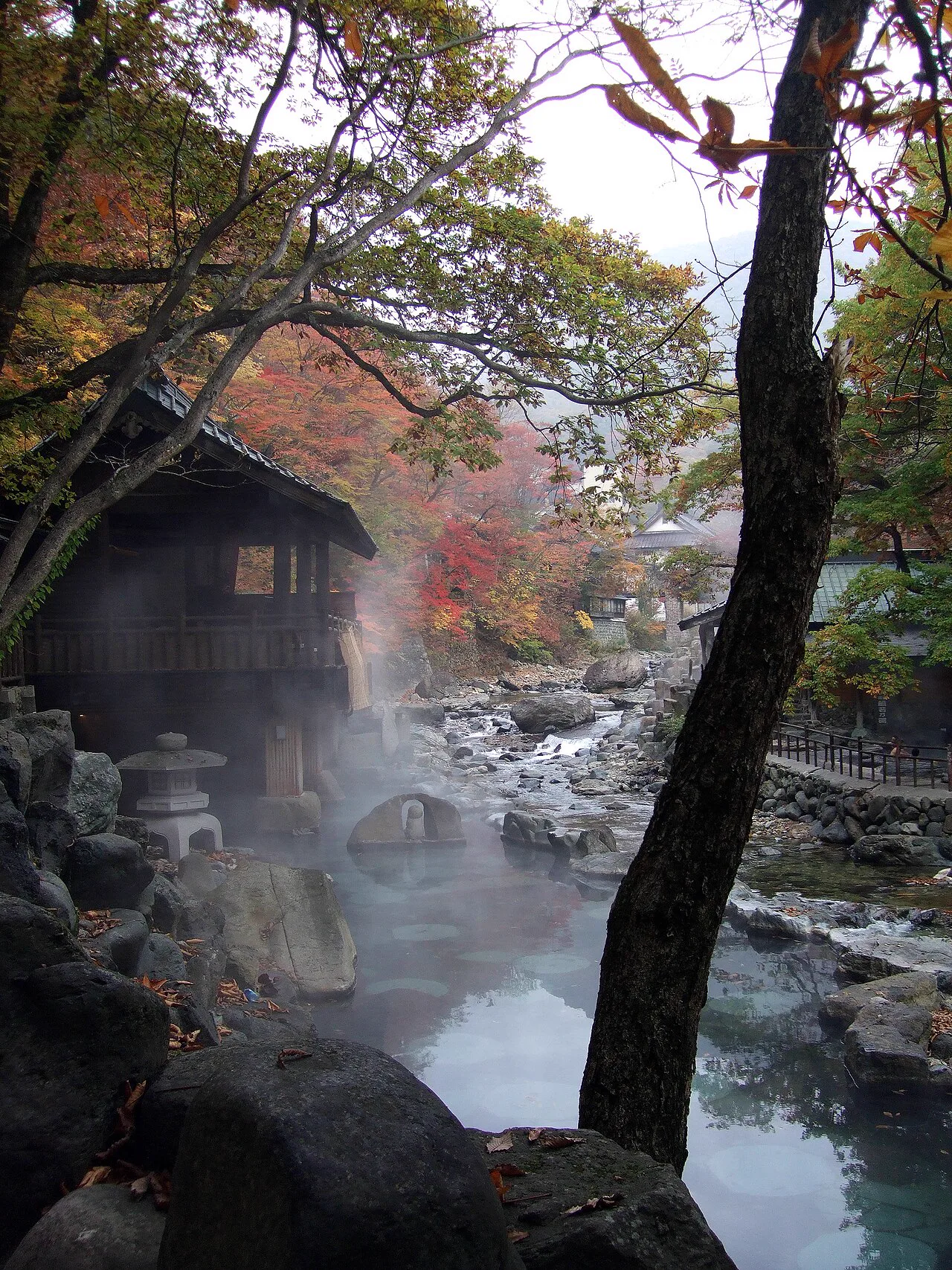
Okuhida’s five hot-spring areas follow a mountain road; they are not one walkable onsen town. Hirayu, Fukuchi, Shin-Hirayu, Tochio and Shinhotaka each have a different feel, and the bus does not stop at every village on every run. For a one-night stay, choose tomorrow’s main destination first. For a longer visit, decide whether the inn itself is the evening’s main plan or whether you need an easier base for moving around.
Still weighing a day visit against a night in the valley? The Okuhida day-trip vs. overnight guide compares how much fits before you choose a base.
An inn that looks close on a map may still mean a long walk with luggage. With one night, it is usually better to settle in after arriving and save the next morning for one main outing.
Which area fits the way you travel?
| Area | Works well if… | Check before booking |
|---|---|---|
| Hirayu | You are arriving by bus, changing for Kamikochi or Matsumoto, or want the least awkward stop with luggage. The terminal is also the most useful place to find food and travel services. | It is a transport hub rather than the quietest setting. The Kamikochi bus is seasonal, and mountain traffic can delay connections. |
| Fukuchi | Dinner, the inn’s baths and a traditional mountain-village atmosphere matter more than going out after check-in. | Timetables have services via Fukuchi and via Ipposui. Check that your bus actually stops at Fukuchi Onsen, and ask the inn which stop to use and whether pickup is available. |
| Shin-Hirayu | You want a middle-valley base, with a range of small inns and larger hotels and the option to head either back toward Hirayu or farther uphill. | Do not use “Shin-Hirayu” as a substitute for the exact stop name. Confirm the walk with bags and the last useful bus in both directions. |
| Tochio | You prefer a riverside, rural stay and plan to spend the evening at the inn rather than look for several restaurants. Local cooking often features river fish and mountain vegetables. | The area is strung along the same road, not a pedestrian dining district. Check dinner availability, the nearest served stop and any inn shuttle. |
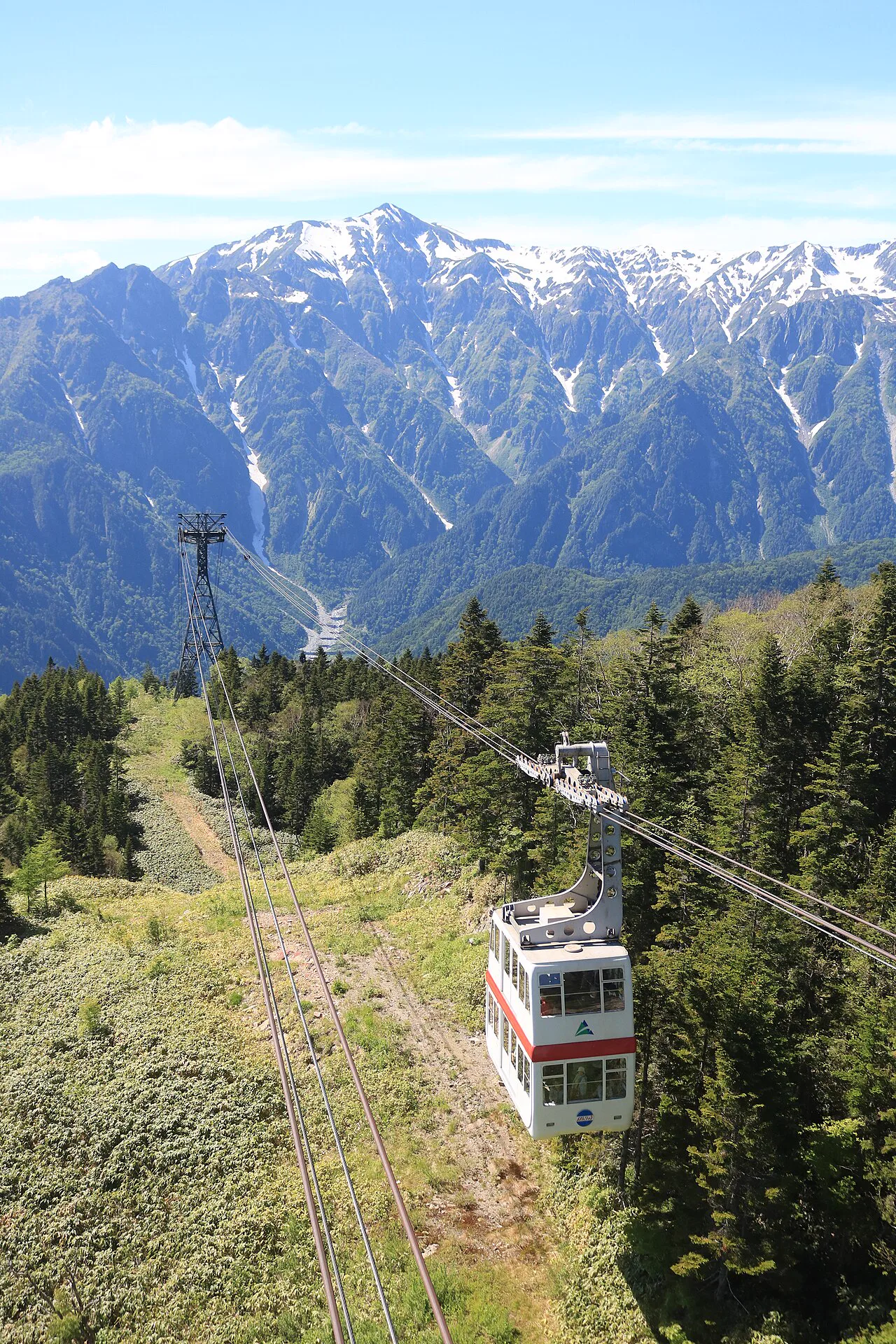
| Shinhotaka | Shinhotaka Ropeway, a mountain walk or an early start toward the Northern Alps is the focus. Staying near the upper end of the route can save a morning bus ride. | It is the farthest area from Takayama and Hirayu. Check the ropeway’s operating status, the precise bus stop and your return service before choosing a room-only plan. |
If you have two or more nights, choose one base with the dinner and baths you want, then visit another area by day. The five villages are linked by bus and road, not by one continuous evening walking street.
From Takayama, the bus to Hirayu takes about an hour on the ordinary timetable, and the journey continues along the valley toward Shinhotaka. These are planning estimates, not guaranteed connection times. Nohi Bus lists separate departures via Fukuchi and via Ipposui, so check the route column as well as the time. A bus labelled for the Shinhotaka line may pass a zone without stopping there. From Matsumoto, Hirayu is the key point to check for a transfer to an inn farther up the valley.
The current one-way adult fares from Takayama vary by stop:
| Stop | Adult fare, one way |
|---|---|
| Hirayu | ¥1,600 |
| Fukuchi Onsen | ¥1,800 |
| Shin-Hirayu | ¥1,850 |
| Tochio | ¥1,930 |
| Shinhotaka Ropeway | ¥2,200 |
Elementary-school fares are half price. Confirm that the chosen departure serves your inn’s exact stop before buying.
A one-night outline that leaves room for the bus
Day 1: Leave Takayama around late morning or early afternoon, depending on the inn’s last check-in and dinner seating. Go directly to your chosen area, drop your bags and use the inn’s bath. If you stay in Hirayu, Hirayu no Mori is a possible public-bath visit; elsewhere, avoid building the evening around another zone. Restaurants and late transport are limited along the valley, so arrange dinner before choosing a room-only plan.
Day 2: Have breakfast, check out and store or collect your luggage before heading to the day’s main destination. For Kamikochi, take the seasonal bus from Hirayu; the 2026 service is scheduled through November 15. For Shinhotaka, check the ropeway’s live operating notice—weather and maintenance can interrupt service even when buses are running. Start back with enough time for the exact return departure and any transfer, rather than planning around the last bus.
Those time windows depend on the date and the service you catch. If you are entering or leaving via Matsumoto, check the reserved highway bus in both directions: some services stop at intermediate onsen areas only for boarding or only for drop-off, and some do not serve those stops at all. Don’t assume that a bus which lets you off at an inn’s nearest stop will also pick you up there on the return.
Three stays for three different mornings
Hirayu: Yuka Sanzoan for a terminal-side stay
Yuka Sanzoan is about a minute on foot from Hirayu Bus Terminal. Its six rooms each have a private bath using the Yunohira no Yu shared source; there is no communal large bath. Guests receive a free admission ticket for Hirayu no Mori, about a three-minute walk away.
One current booking detail: the inn announced roof replacement work from September 24, 2026, for about a month. The notice says daytime work may inconvenience guests. Ask whether the work is still underway for your dates.
Fukuchi: Kakurean Hidaiji for an inn-centred evening
Kakurean Hidaiji has 12 rooms, each with an outdoor bath. The inn identifies the room’s outdoor-bath water as Fukuchi Tennoyu simple spring water; its room page also lists an indoor cypress tub, but does not establish that it uses the same source. Check-in is 2–5 pm, and the inn does not offer day-use bathing, so it is a poor choice for a late arrival or a quick stop between buses. For other Fukuchi properties and their distinct bath arrangements, see the Fukuchi ryokan comparison.
Shinhotaka: Yarimikan for a morning at the ropeway
Beside the Gamata River, Yarimikan has four free private outdoor baths. They are not reservable; guests use the signs at each bath to see whether it is available. That makes the inn a natural base for an early ropeway visit, though winter bathing means going outdoors in cold and possibly snowy conditions. If the ropeway is suspended, the stay can still centre on the inn and its river setting rather than a rushed cross-valley detour.
How the other two areas fit
Shin-Hirayu and Tochio are good choices when you have picked a particular inn or want their quieter, more rural setting; they are not interchangeable bus hubs. Before booking in any area, compare the property’s exact stop with both the inbound and return timetable, ask whether its shuttle needs advance notice, and check dinner service if you do not plan to drive elsewhere.
Route 158 and bus-stop changes
As of September 28, 2026, a landslide closure on Route 158 between Takayama and Hirayu still sends ordinary cars and local buses onto a parallel city-road detour. The tourism association estimates about 10 extra minutes, and Nohi Bus warns of delays.
The current notice suspends stops H56 and H57 and relocates HO58 through November 16. All five onsen areas remain reachable, but if your inn uses one of those stops, confirm the pickup point with the operator and property. See the seasonal road and weather guide for wider detour and winter-driving context.
What the transport costs actually cover
| Route or pass | Adult cost | What it covers |
|---|---|---|
| Okuhida Marugoto Value Ticket (2026) | ¥7,700; valid two days | Nohi Bus on designated routes plus one Shinhotaka Ropeway return trip |
| Takayama–Shinhotaka Ropeway return, separate fares | ¥8,200 total (¥4,400 bus + ¥3,800 ropeway) | A ¥500 saving against the two separate fares; not a lodging or meal package |
| Hirayu–Kamikochi bus return | ¥2,800 | Seasonal route; 2026 service ends November 15 |
The pass covers Nohi Bus services only. Check its current terms if another operator is part of the trip or the ropeway is not running. Kamikochi buses are unreserved, and busy morning departures can fill before everyone in line boards; leave room for a later service on weekends and holidays.