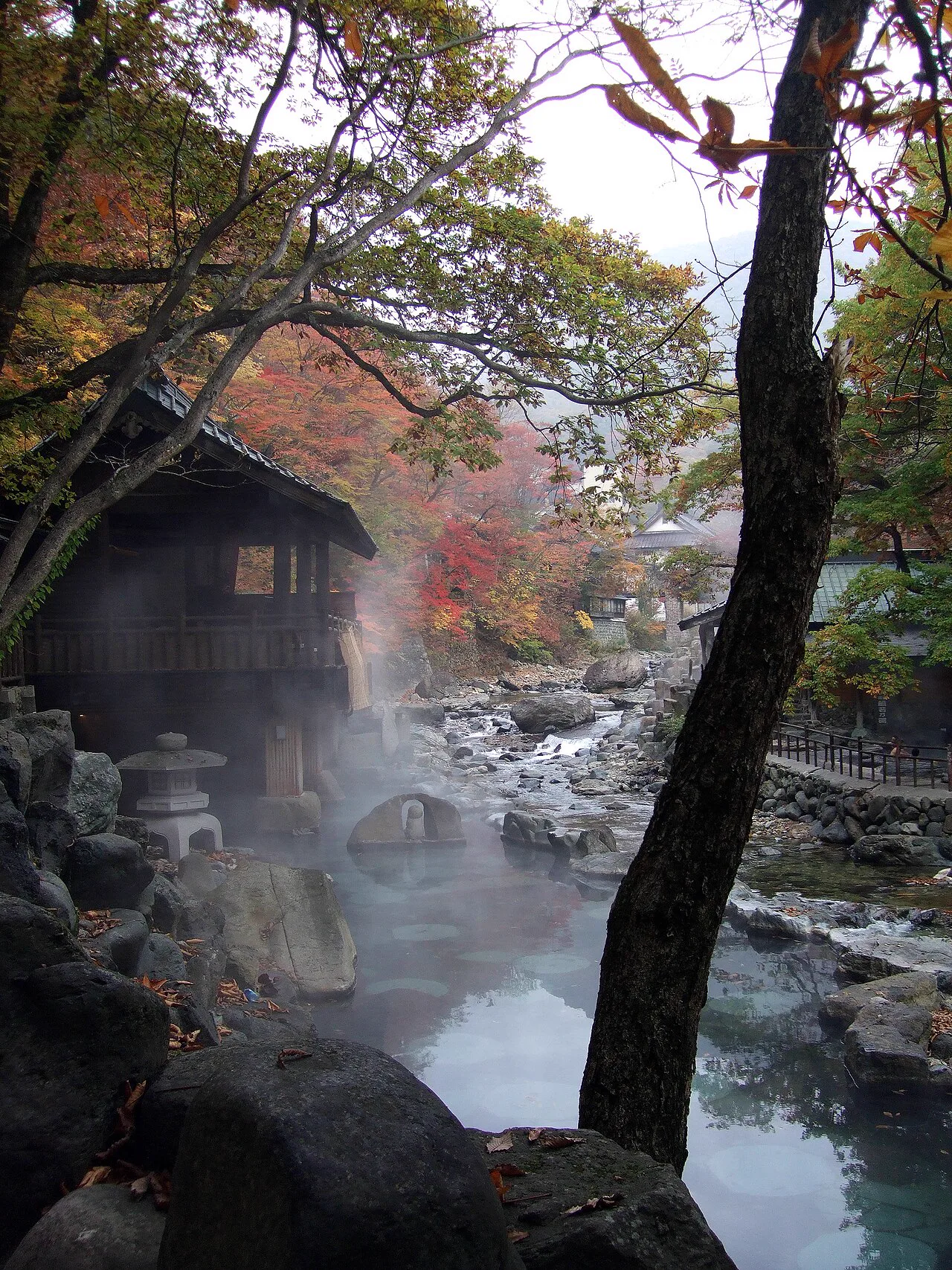
Naruko Onsen in Winter: Where to Stay and What Stays Open
Use Naruko Onsen Station as a winter base; Nakayamadaira’s public bath requires a replacement bus, while Naruko Gorge paths close seasonally.
Winter changes the shape of a Naruko trip. The easiest plan is to keep the station district as your base, use its baths and inn, then add one other area only after checking the day’s transport. A full summer map is a poor winter itinerary: Naruko Gorge, its seasonal parking and nearby walks close, and a route that looks short on paper may be difficult after snow.
Make the station district your default
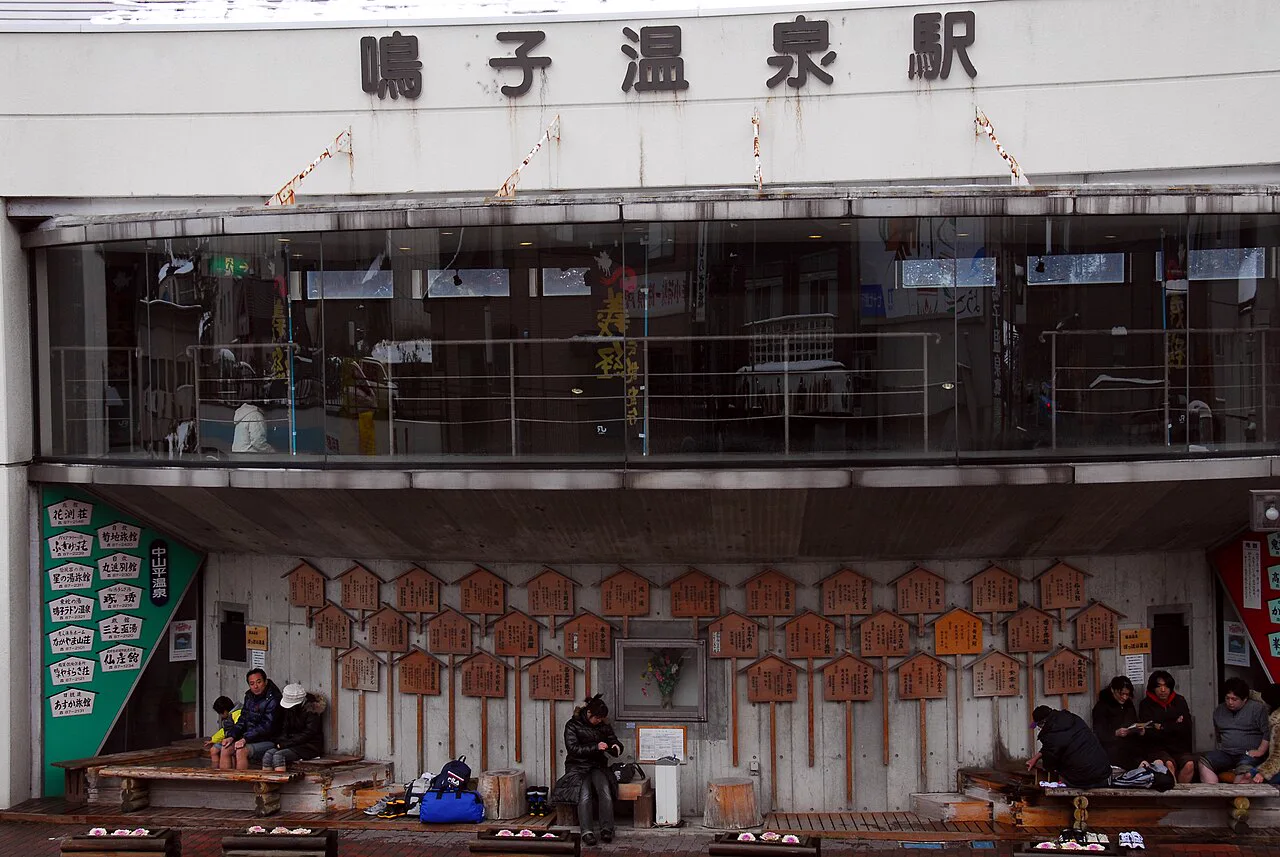
Naruko Onsen Station puts lodging, food and the central hot-spring town close together. Takinoyu is the straightforward public-bath option; Waseda Sazikiyu remains closed for source maintenance, with no reopening date announced as of September 27, 2026.
For a one-night, no-car visit, use the inn’s bath in the evening and keep an outside bath optional. That way a delayed connection or worsening weather does not leave you needing to cross districts after dark. The year-round Naruko district guide explains how the station compares with Nakayamadaira, Kawatabi, Higashi-Naruko and Onikobe.
| Bath | Normal hours | Last entry | Adult / child admission | Other details |
|---|---|---|---|---|
| Takinoyu | 7:30 a.m.–9 p.m. | 8:30 p.m. | ¥300 / ¥100 | Open daily |
| Waseda Sazikiyu | 9 a.m.–9:30 p.m. | 9 p.m. | ¥660 / ¥330 | Shared rest room is free 10 a.m.–4 p.m. when open; same-day re-entry |
Waseda remains closed for source maintenance, with no reopening date announced as of September 27, 2026. Check the association’s notice before visiting; the table shows its normal schedule.
Nakayamadaira is possible, but plan the full trip
Shintoro-no-yu is listed open 9 a.m.–8:30 p.m., with adult admission at ¥500. The difficulty in winter is getting there, not whether the bath is appealing. The Riku-East Line remains suspended between Naruko Onsen and Shinjō after the July 2024 heavy rain, with JR East replacement buses operating in its place. The current timetable took effect April 1, 2026; it is not a regular-train connection.
Replacement buses do not accept Suica or other IC transit cards, have no onboard toilet and cannot make change. JR East warns that road conditions can delay or cancel service. Check both directions on the day, carry cash or a valid ticket, and ask your lodging whether it can collect you. In winter, allow extra time for the final walk from the stop; snow, ice, darkness and bags make a nominal 15-minute walk a different proposition.
The line’s eastern section, between Kogota and Naruko Onsen, is still a railway, but it can be suspended during severe weather without a replacement bus. A bus west of Naruko does not guarantee an onward connection from the east. Check JR East’s live notice before setting out.
Remove the seasonal closures from your plan
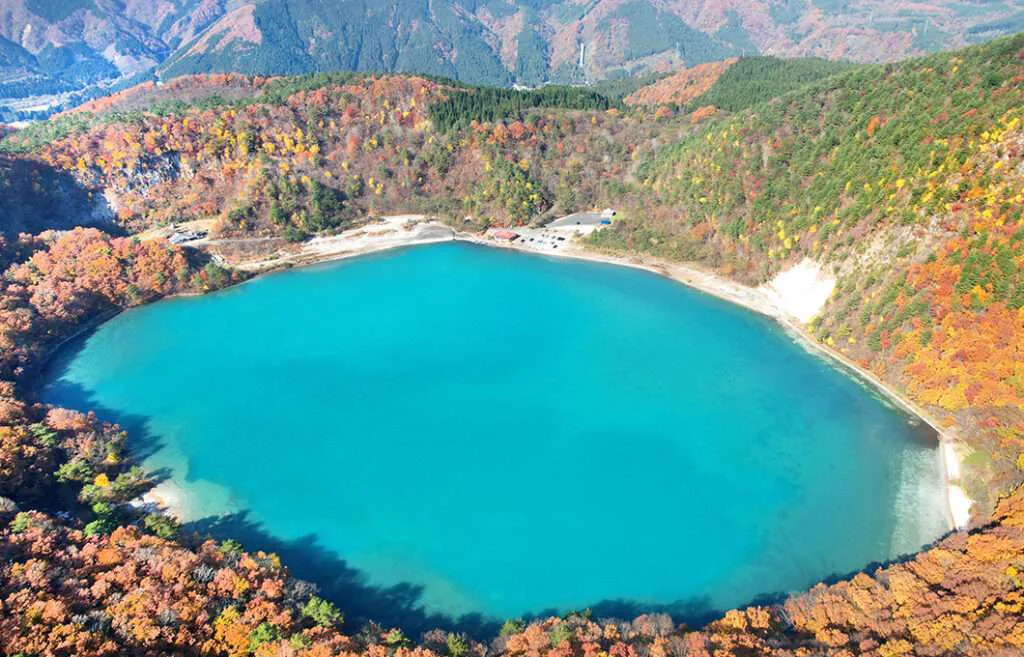
Osaki City schedules the Naruko Gorge paths only through late November, weather permitting, and the Nakayamadaira-side parking lot closes in winter. The 2026 Naruko walking map also marks the gorge viewpoints, Katanuma, the Jigokudani trail and several mountain walks as winter-closed. Do not treat them as snow versions of their summer routes.
Some notices can change during the season. The Jigokudani path, for example, reopened in part on September 11, 2026, after rain damage, with a section at the far end still blocked; that does not mean it remains a winter option. Recheck the prefecture or tourism association’s current notice before travelling.
Onikobe works better as a dedicated ski-area stay than as a quick side trip from the station. The public Spa Onikobe-no-yu is listed as closed from around mid-November to late April. Ski-area opening dates, lift operations and lodging shuttles for the 2026–27 season should be confirmed with the resort and your accommodation; the year-round bath listing is not a winter schedule.
The winter closure at Spa Onikobe-no-yu does not mean every inn in Onikobe lacks a bath. Properties set their own hours, day-use rules, pickup service and public/private bathing arrangements. If skiing is your main activity, choose a named property and confirm its bath and shuttle directly instead of using the public bath’s seasonal calendar to represent the whole district.
A workable winter rhythm
For one night, arrive and settle in around Naruko Onsen Station, then keep the evening local. The next morning, check the JR status before deciding whether to cross to Nakayamadaira. If you have two nights and want to compare districts, leave the second day flexible so a transport disruption does not strand the main plan. If skiing is the priority, book Onikobe as its own base and confirm the resort’s actual operating dates.
The winter version of Naruko is quieter and more compact by necessity. Build around baths and the place you are staying; let distant walks drop off unless the current local notices say they are open and the route is safe that day.
Choose a winter plan by the group and the number of nights
For a first visit without a car and one night, keep to the station district: arrive, leave luggage, use one nearby bath, then rely on the inn after dark. With two nights and a wish to compare springs, check the east-side train and westbound replacement bus each morning before choosing Nakayamadaira. For a ski-first trip, stay in Onikobe rather than commuting from Naruko Station, and verify the 2026–27 opening dates and hotel transfer. With a child or older companion, keep evening plans close to the inn and ask about pickup; JR’s station information lists no elevator, escalator or accessible toilet at Naruko Onsen Station, so step-free access should be confirmed with the railway and accommodation.
Read a winter map as a list of closures, not just distances
The 2026 Karakoro map marks winter restrictions around the Naruko Gorge entrances and viewpoints, Katanuma, the Jigokudani trail, the Aruō lakeside park and some paths or slopes. The Japan Kokeshi Museum is also listed as closed January through March. Snow can turn a route shown as a few kilometres into a road-only leg; the map’s “walk” distance is not a promise that the path is cleared or open. Check seasonal notes, daylight, road clearance and pickup options before leaving your base.
What to recheck before the 2026–27 season
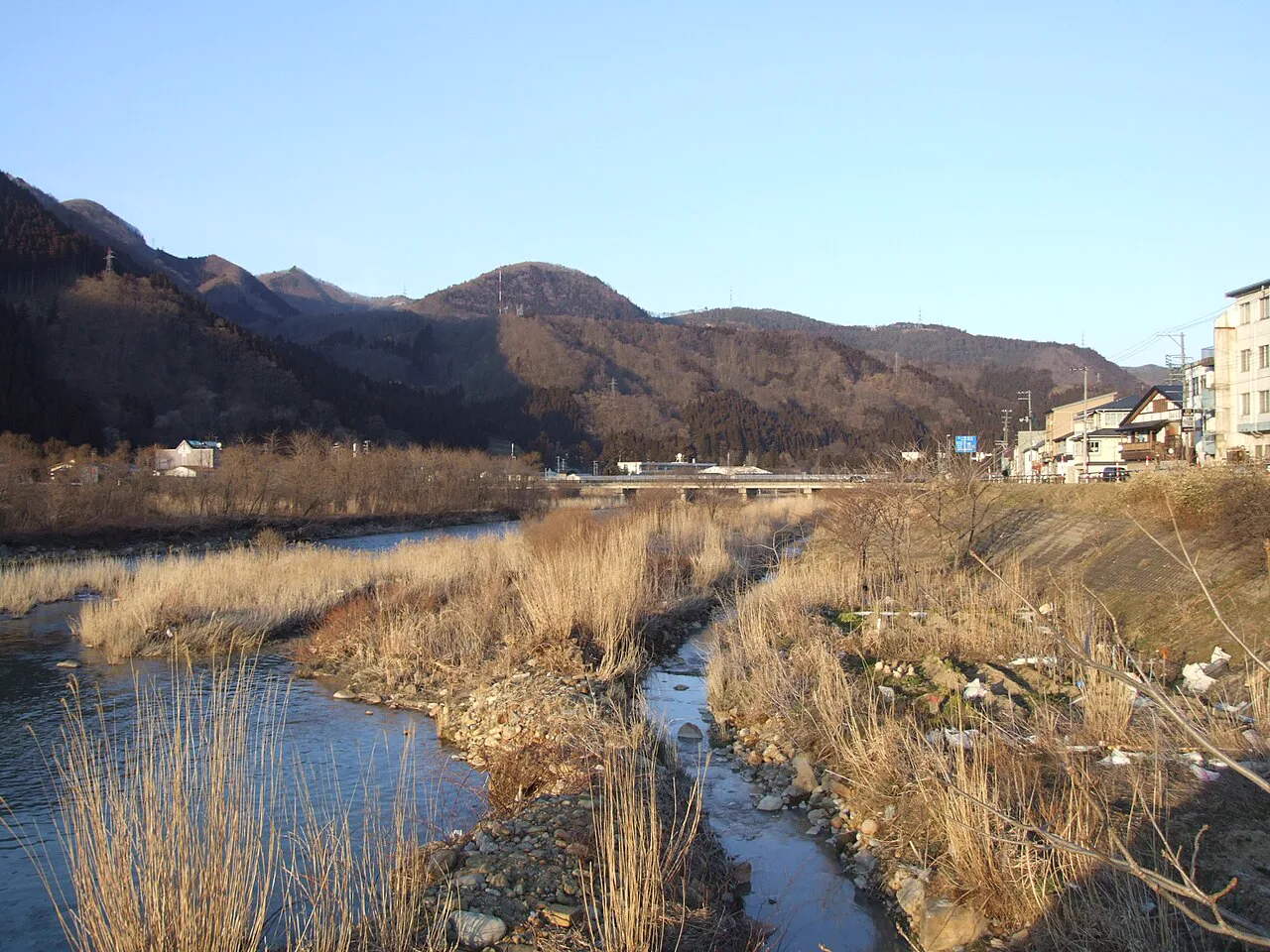
As of September 27, 2026, the long-term rail suspension, current replacement-bus rules and listed seasonal closures can be checked, but not every winter timetable, ski-area date, temporary shuttle or road restriction has been published. Before departure, check JR East’s live status and bus schedule, the tourism association’s facility notices, Onikobe resort and lodging announcements if skiing, and road and pickup conditions if crossing to Nakayamadaira. A September listing is not a winter-day guarantee.
Ask each bath about its tattoo policy
Shintoro-no-yu may refuse large or conspicuous tattoos. Takinoyu and Waseda do not list a current rule, so ask your chosen bath before visiting. The Naruko tattoo guide compares the three central options.
For winter, the station district is the safest default, Nakayamadaira is a deliberate trip with a bus and last walk, and Onikobe is best treated as a dedicated ski-area base. Remove closed paths rather than trying to convert them into snow routes.