Where to Stay in Naruko Onsen: A Guide to Its Five Districts
Compare Naruko Onsen’s five districts by station access, baths, scenery and evening options to choose a base that fits your route.
“Naruko Onsen” can mean the whole hot-spring region, not just the town around Naruko Onsen Station. Its five districts have different layouts, and that affects more than the view from your room: it determines how you get to dinner, whether you can walk to a bath and how much transport your next morning requires.
For a first one-night stay without a car, the station area is the least complicated base. Higashi-Naruko is a better fit for a traditional toji inn and a compact cluster of baths. Kawatabi works when a quieter riverside stay is the point. Nakayamadaira makes sense if you are planning around its alkaline spring or Naruko Gorge and have checked the replacement bus. Onikobe is a highland resort area; choose it when the lodging or outdoor activity is worth planning around a limited bus service.
Naruko Onsen Station: the easiest base for a first visit
Naruko Onsen is the largest of the five districts. The town’s accommodation, restaurants, souvenir shops and hot-spring street are clustered around the station, with Takinoyu public bath nearby. That makes it the safest default if you arrive by train, have luggage and want a meal plan to stay flexible.
There is one timely caveat: Waseda Sazikiyu, the other well-known public bath in the center, has been closed for spring-source maintenance since September 3, 2026. The tourism association’s September 10 notice gives no reopening date. Check the notice again before planning a visit; Takinoyu is a separate facility.
The station area is not automatically the best base for every trip. If your main goal is a particular spring style, an inn with several baths or a night in the mountains, staying in the center can add a return journey the next day. Think of it as the easiest starting point, not a requirement.
Higashi-Naruko: a short street built around toji inns
Higashi-Naruko has a compact hot-spring street of roughly 300 metres, reached via Naruko-Goten-yu Station on the rail line toward Furukawa. The tourism association’s lodging list includes several inns with multiple spring sources and self-catering toji plans. Stay here if bathing and a slower inn-based visit matter more than having a choice of restaurants outside the door.
The train station is close to the district, but that does not put every inn on the platform. Check the walk, slope and luggage arrangement for the property you book. For help choosing between meal plans and self-catering, see Higashi-Naruko toji or a two-meal stay.
Kawatabi: choose the inn, then plan the last leg
Kawatabi sits along the Eai River, with fields and older wooden inns giving it a quieter feel than the station center. It suits an overnight built around one property and its surroundings better than an afternoon of hopping between baths.
The station is not beside the hot-spring area. Miyagi’s tourism office gives the distance as about a 25-minute walk or a five-minute drive. If you have luggage, are travelling in winter or have limited mobility, ask your inn about pickup before booking. Kawatabi’s public bath is currently listed at ¥300 for adults, open 9 a.m.–5 p.m.; on Mondays and Fridays, bathing starts at 1:30 p.m. Verify the day’s access before setting out.
For the narrower choice between these two districts, the Higashi-Naruko and Kawatabi comparison covers the station access and pace of stay in more detail.
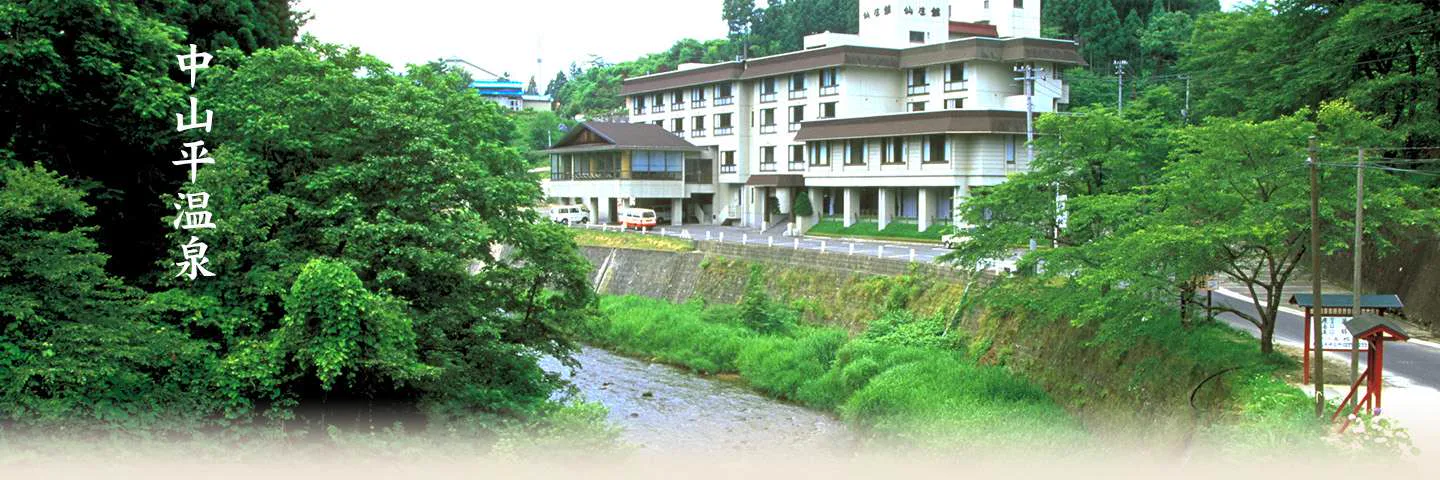
Nakayamadaira: alkaline water and Naruko Gorge, with a bus connection
This is the district to consider when the “eel-skin” feel of its alkaline water or a walk at Naruko Gorge is central to the trip. Shintoro-no-yu public bath is listed at ¥500 for adults, open 9 a.m.–8:30 p.m. The gorge gives Nakayamadaira a separate reason to stay, especially in autumn, though the trails are seasonal and weather can close them.
Transport needs careful reading. The Riku-East Line is suspended between Naruko Onsen and Shinjō after the July 2024 heavy rain, and JR East is running replacement buses. Nakayamadaira is beyond Naruko Onsen on that suspended section, so the old assumption that a regular train will take you there no longer works. Check JR’s current replacement-bus timetable and how it connects with your lodging before committing to this base.
As of September 27, 2026, Osaki City lists the short Naruko Gorge walkways as open on a seasonal schedule from April 28 through late November, subject to weather. The longer Ofukazawa loop is still closed until mid-October because of heavy-rain damage. Recheck the city notice close to your visit rather than treating “Naruko Gorge open” as a single all-or-nothing status.
Onikobe: a highland stay, not a railway hot-spring town
Onikobe’s inns and resort properties are spread around the mountains near Mt. Kote. Skiing, camping, fishing and hiking can be part of the stay, so it is a good base when the highland setting or a particular resort is the destination. It is a poor choice for a simple overnight if you expect to walk to dinner or commute back and forth to central Naruko.
The municipal bus between Naruko Onsen Station and Onikobe is small and infrequent. Osaki City lists a 12-seat vehicle, with six departures each way on weekdays (Monday to Saturday, except holidays). On Sundays and holidays, it lists six trips toward Naruko and five toward Onikobe.
If the bus is full, passengers may be left behind. Groups of five or more and travellers with bulky camping or ski gear may not fit. Weather or landslide risk can also interrupt service. Check the timetable and ask your lodging about pickup before booking.
Let the next morning settle the choice
If you leave early for Sendai, Furukawa or Tokyo, sleeping near Naruko Onsen Station avoids a second transfer. For a stay centred on the baths, Higashi-Naruko or Kawatabi may be a better use of the night. Nakayamadaira and Onikobe reward a more specific plan: the former for its spring and gorge access, the latter for a highland property or activity. On either route, transport is part of the accommodation decision, not an afterthought.
How many nights justify changing districts?
With one night and no car, stay near Naruko Onsen Station unless you already know that a toji inn in Higashi-Naruko or the gorge in Nakayamadaira is the main draw. With two nights, you can either keep one base and make day trips or move once to experience a different kind of stay; moving only makes sense if the property or bathing style is part of the trip. Three nights gives you more room for Onikobe, especially if you can drive. Without a car, check its 12-seat bus and luggage capacity before treating it as a daily base.
Five booking assumptions that cause trouble
Naruko Onsen-kyo covers several districts, not one station or walkable street. Nakayamadaira currently relies on a replacement bus rather than a through train, and Onikobe’s municipal bus has limited capacity. Outside the station area, ask your inn about dinner and nearby options before arrival. Check the full transport plan, including the return trip, before booking.
Tattoo policies are set by each property
Tattoo policies vary by accommodation and bath. Ask the specific property whether your tattoo is allowed and whether it offers a private bath. The Naruko tattoo guide compares the three public baths.
For a quick decision: choose the station area for a first no-car night, Higashi-Naruko for a toji-centred stay, Kawatabi for a quieter riverside inn, Nakayamadaira for alkaline water and the gorge, and Onikobe when the highland property or activity is the destination.