Naruko to Nakayamadaira Without a Car: Buses, Baths and Gorge Walks
Use JR replacement buses to reach Nakayamadaira from Naruko Onsen. Check return times, gorge trail status and the seasonal 2026 Momiji-go shuttle dates.
Naruko Onsen Station and Nakayamadaira may look close on a map, but the train no longer runs through. After the July 2024 heavy rain, the Riku-East Line has remained suspended between Naruko Onsen and Shinjō, with JR replacement buses covering that section. If you want Shintoro-no-yu or Naruko Gorge without a car, build the day around the bus you can take back—not around a train that is not operating.
For a bath-focused visit, the JR timetable lists a 9:05 a.m. bus from Naruko Onsen Station, arriving at Nakayamadaira at 9:16. Shintoro-no-yu opens at 9 a.m., so you can head there after arrival. Return buses listed at 3:04 p.m. and 4:44 p.m. reach Naruko Onsen at 3:15 and 4:55.
Check the timetable for your date. JR warns that road delays can disrupt rail connections and buses may be cancelled if conditions worsen.
First, check whether the gorge shuttle runs on your date
Miyagi Kotsu has announced a separate seasonal bus, Naruko Gorge–Nakayamadaira Momiji-go, for October 26 through November 8, 2026. It runs between Naruko Onsen Station, the Nakayamadaira-side gorge entrance and Nakayamadaira Onsen Station. It is not a year-round local shuttle, and it is non-reservation: on busy days, standing room or a full bus may mean you cannot board. Payment is cash only, with no change given; transport IC cards and credit cards are not accepted. Traffic can cause major delays.
Outside those 14 dates, do not plan around the seasonal shuttle. The JR replacement bus still takes you to Nakayamadaira Onsen Station, but Osaki City estimates that walking from Naruko Onsen Station to the gorge’s Nakayamadaira entrance takes about an hour. A taxi or a confirmed inn pickup may be more realistic if you do not want that walk. Confirm the return ride as well before setting out.
The separate seasonal bus is useful only during its published dates and can be delayed by foliage traffic. It is non-reservation and may fill before you board; cash only, no change, and no transport IC or credit cards. Do not mistake it for the JR replacement bus or assume either service will wait for the other.
A simple day when you are going for the bath
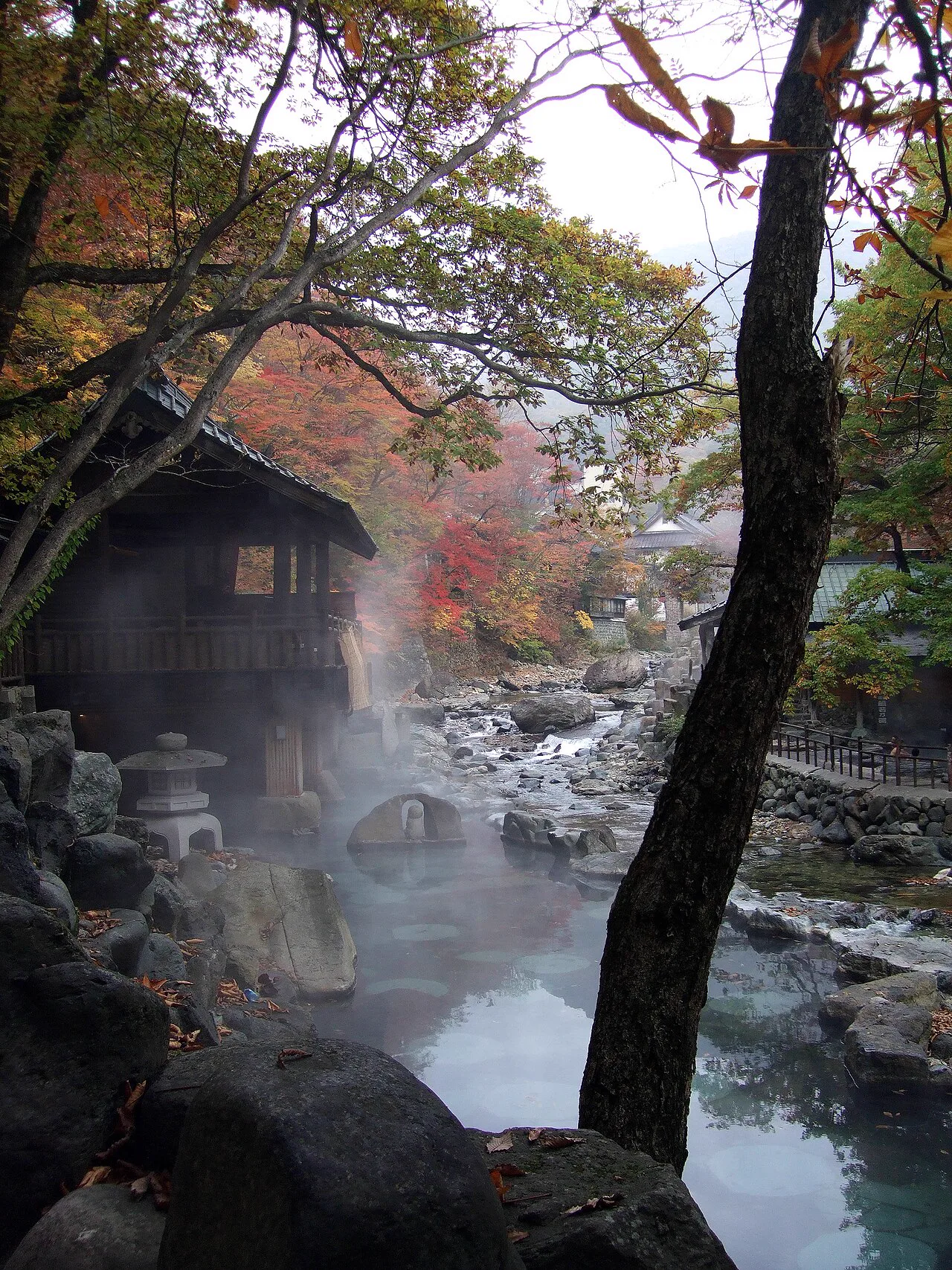
Take a replacement bus to Nakayamadaira Onsen Station, then walk to Shintoro-no-yu. The operator lists the bath at 9 a.m.–8:30 p.m., last admission 8 p.m., and ¥500 for adults. It is normally open daily, except for its announced July maintenance closure. The on-site café serves meals from 11 a.m. to 2 p.m.; it is a useful lunch stop, but not a late-afternoon fallback.
Leave enough time to walk back to the stop and board your chosen return bus. If you have a train from Naruko Onsen Station after returning, keep a buffer: JR specifically warns that road delays may prevent transfers. Replacement buses do not accept Suica or other transport IC cards. Buy a valid ticket in advance where possible; if paying cash from an unstaffed stop, prepare exact fare because drivers cannot make change. There is no toilet on board.
Add the gorge only when access and the clock agree
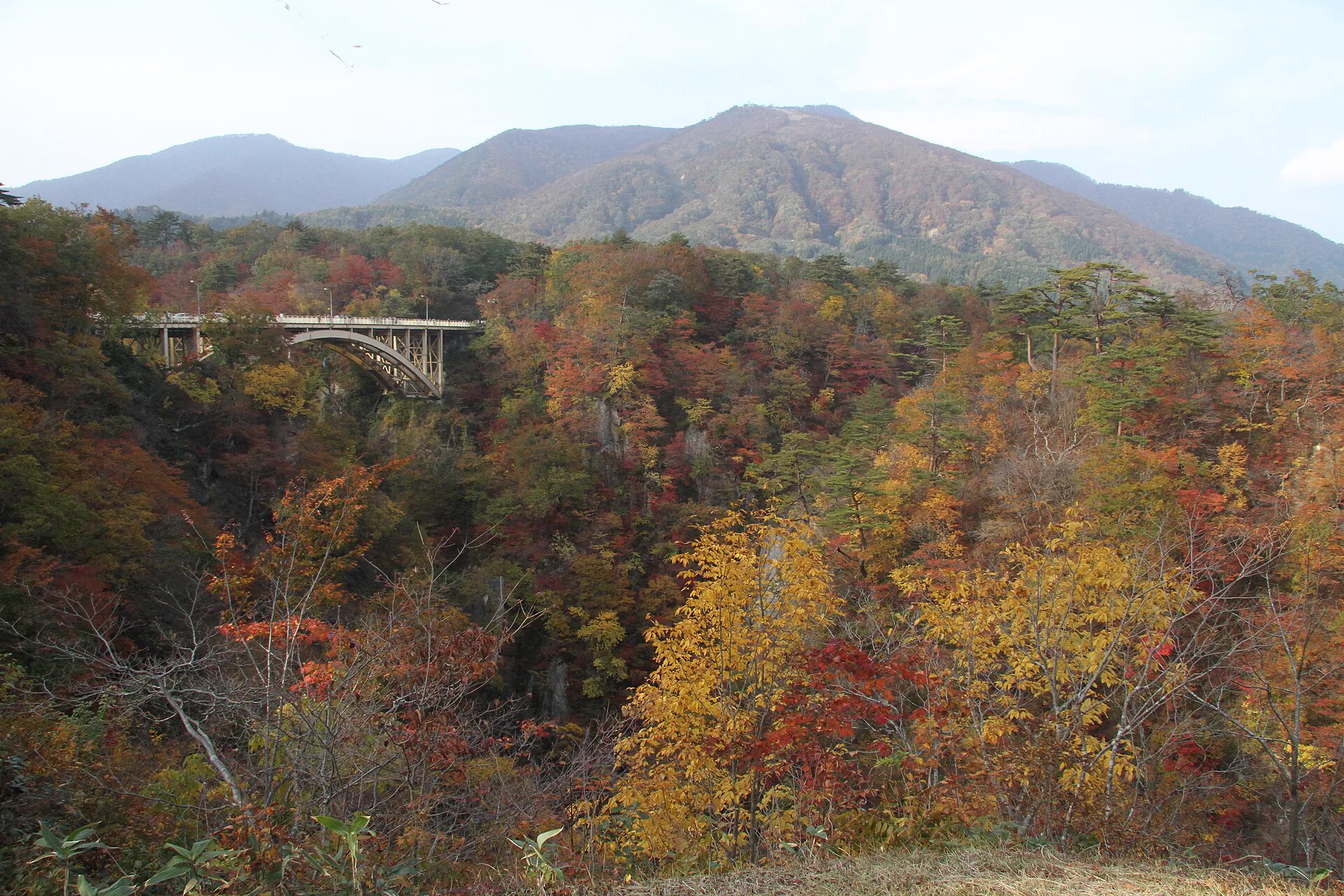
For 2026, Osaki City lists the short gorge paths as open from April 28 through late November, generally 9 a.m.–4 p.m., with closures possible at short notice because of weather. The Nakayamadaira-side path runs about 350 metres one way to Kaerimika Bridge and returns the same way. The Ofukazawa loop is 2.2 kilometres, but it is closed until mid-October 2026 because of heavy-rain damage. Check the city’s current notice rather than assuming every trail is open during the foliage season.
During the Momiji-go operating period, use its published timetable for the gorge leg and allow extra time for autumn traffic. For other dates, decide whether a long walk, taxi or confirmed pickup makes sense before you leave Naruko. Do not assume that the replacement bus stops at the gorge entrance; it serves the station stops on the suspended rail section.
Choose the 3:04 p.m. return if the plan is just a bath and a short walk. The 4:44 p.m. departure leaves more room for lunch or the gorge, but is still a fixed cutoff. If weather closes the trails or you miss the useful morning connection, drop the gorge and keep the bath—or save Nakayamadaira for an overnight. The Naruko day-trip versus overnight guide explains when that extra night earns its keep.
The station-to-bath walk takes about 15 minutes. A published model route puts the gorge-to-Shintoro leg at roughly 1.5 km or 20 minutes, then another 1 km or 15 minutes from Shintoro back to the station. Those legs add up on wet paths or crowded foliage weekends.
| Shintoro detail | Current listing |
|---|---|
| Bath hours | 9 a.m.–8:30 p.m.; last admission 8 p.m. |
| Adult admission | ¥500 |
| Dining room | 11 a.m.–2 p.m. |
| Return bus if taking lunch or spending longer at gorge | 4:44 p.m. |
If you want lunch there or more time for the gorge, target the later bus rather than trying to catch the earlier return.
Use the 3:04 and 4:44 returns as different itineraries
The 3:04 p.m. bus suits a morning bath, a short gorge visit and a simple lunch; it returns to Naruko Onsen at 3:15, leaving time for the station district. The 4:44 p.m. bus returns at 4:55 and leaves room for the longer walk, a slower meal or photography. Walk back to the stop early—Shintoro is not beside it, and the bus time is a real cutoff, not a suggestion.
If rain closes the paths, keep Shintoro and the café, then take the earlier bus. If you miss the 9:05 weekday bus, the 10:20 rapid service is weekends and holidays only; the next regular weekday bus shown is 1:15 p.m. In that case, choose just one main activity in Nakayamadaira instead of trying to reproduce the full-day route.
Know what to do when one of the five checkpoints fails
If the east-side JR service from Furukawa or Kogota is disrupted, the replacement bus west of Naruko will not cover that separate section; reconsider the trip. If the gorge trail is closed, make the outing a bath-and-lunch visit. Road delays can also disrupt onward rail connections, which JR does not guarantee.
The bus has no toilet, does not accept Suica or other IC cards, and drivers cannot make change for cash fares. Buy a valid ticket at Naruko Onsen Station when possible; otherwise carry exact cash.
The suspended Naruko Onsen–Shinjō rail section and a same-day weather disruption east of Naruko are different risks. Check JR East on the travel date, including whether the replacement bus is running. Do not rely on an unannounced autumn shuttle; add one only after the operator publishes the year’s dates and timetable.
Who should choose a slower plan?
This route suits travellers already staying in Naruko or arriving early, comfortable with the station-to-bath walks, who want both a station-area bath and Nakayamadaira. It is less suitable with large luggage, a young child needing frequent stops, limited walking stamina, or a midday arrival. Consider staying in Nakayamadaira or keeping to the station baths instead. If the only goal is one soak, there is no need to cross districts; the Naruko day-use onsen guide compares the central options.
Frequently asked questions
Can I tap Suica on the replacement bus? No. Use a valid ticket or cash; prepare exact fare if paying aboard.
Can I use the 10:20 bus if I miss 9:05? Only on weekends and holidays, when the listed rapid service runs. Weekdays have a long gap to the next regular bus at 1:15 p.m.
Is Shintoro open in winter? It is listed as open year-round apart from separately announced maintenance, usually in July. Confirm the current notice before travelling.
Does a tattoo prevent entry? Shintoro’s current terms say conspicuous or extensive tattoos may be refused. That rule belongs to this facility; do not apply it to every Naruko bath.
Do I have to visit both Takinoyu and Shintoro? No. The route is an option for comparing districts, not a checklist. Choose one bath if that better suits your skin, energy or travel companions.
For a station-area bath instead, start with the Naruko day-use onsen guide. If you are deciding where to sleep, compare the five Naruko districts or read the two-meal ryokan guide.