Naruko or Zao Onsen? Pick by Bathing Variety, Snow and the Shape of the Trip
Compare Naruko and Zao Onsen by spring variety, winter activities, rail and bus access, and whether you want a town visit or mountain stay.
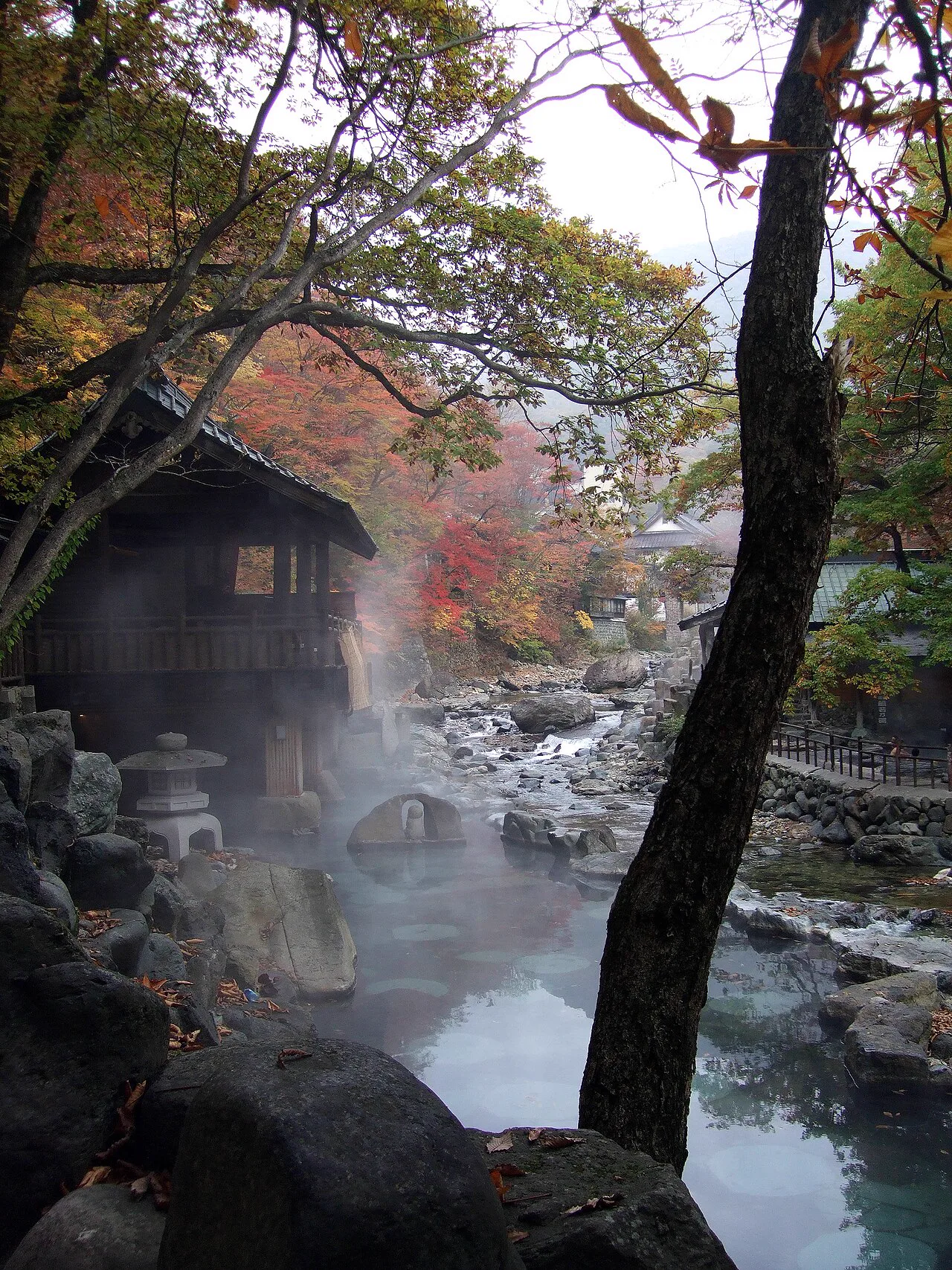
Naruko and Zao are both Tohoku onsen destinations, but they are not substitutes for the same itinerary. Naruko spreads across five districts, with baths and spring types to compare over more than one day. Zao centres on one mountain town where the bath, ski slopes and ropeway share the stage. The practical choice depends on whether you want to explore a wider onsen area or build a trip around a single alpine base.
Naruko gives you more room to compare springs
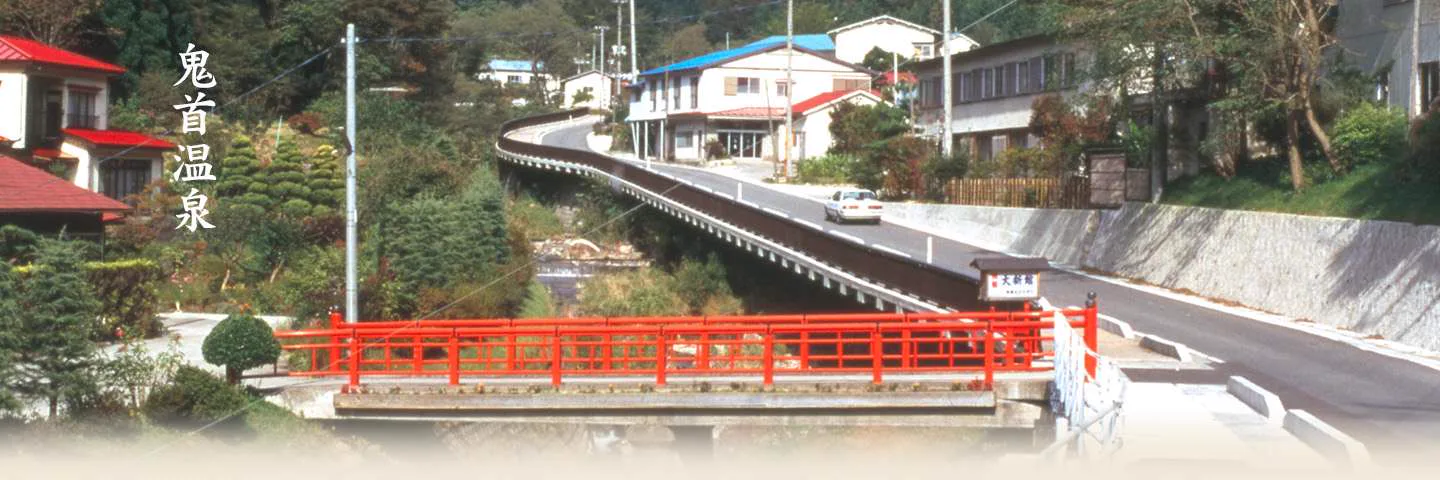
Naruko Onsen-kyo includes Naruko, Higashi-Naruko, Kawatabi, Nakayamadaira and Onikobe. The tourism association lists a range of spring types across the area; that variety belongs to the whole onsen district, not to every individual bath. A station-area visit can be as simple as one or two public baths, while a longer stay lets you branch out. The Naruko day-use guide covers the central options.
The three facilities show Naruko’s range: Takinoyu is acidic (pH 2.9; adult entry ¥300), Waseda Sazikiyu is near-neutral (pH 6.6; ¥660), and Shintoro-no-yu is alkaline (pH 9.3; ¥500). These are facility figures, not a single profile for the whole region.
Waseda is closed for maintenance; check its reopening before travelling. Naruko stopped selling the Yumeguri ticket on April 30, 2026. Tickets bought earlier remain valid for six months, and individual cash admission is available.
Getting there from the east is straightforward by rail, with Naruko Onsen Station in the main town. The line west from Naruko Onsen toward Shinjō remains suspended after the July 2024 heavy rain, and replacement buses serve that section. Check the current JR East notice if Naruko is part of a longer rail journey.
Zao is a mountain-town stay with a clear winter focus
Zao’s water is strongly acidic sulfur spring water. The resort’s official site lists a pH range of 1.25–1.6 and describes three year-round public baths, alongside other day-use facilities with seasonal schedules. That distinct water is a draw for many bathers, but people with sensitive or irritated skin should read the facility guidance and avoid treating the spring as universally gentle.
In winter, Zao’s ropeway, skiing and snow scenery can be the main reason to visit; the onsen is part of a mountain-resort day. Wind or visibility can disrupt ropeway plans, so leave a backup in the town and check operating notices. The Zao ropeway weather backup guide covers that situation. In warmer months, the ropeway and baths remain separate choices, and some outdoor baths have seasonal closures.
Zao’s regional source is listed at about 45–66°C, 5,700 litres per minute and pH 1.25–1.6. Individual baths may have different supply and operating details, so these figures do not describe every tub.
The three public baths are listed year-round, 6 a.m.–10 p.m., at ¥300 for adults. The large outdoor bath is seasonal and closes in winter; Shinzaemon-no-yu operates April–November. Check individual hours outside those periods.
No car: direct station access versus a single bus corridor
Naruko’s rail station is already in the central onsen district. That makes a station-area bath visit easy to understand, though visits to Nakayamadaira or Onikobe need an additional bus or replacement-bus plan.
Zao has no train station in the onsen town, but the bus from Yamagata Station runs directly to Zao Onsen Bus Terminal. The official resort access page currently lists the route; confirm the latest timetable and fare with the operator for your date. Once there, the town’s public baths and ropeway are part of one mountain base rather than a chain of onsen districts. For a seasonal comparison of driving and public transport, see the Zao no-car versus self-drive guide.
The current Yamagata Kotsu Z90 route to Zao takes about 40 minutes; an adult one-way fare is ¥1,200. Check the timetable and fare for your date. For Naruko, travel from Sendai via Furukawa: about 15 minutes by Shinkansen, then roughly 45 minutes on the Riku-East Line to Naruko Onsen.
The line west from Naruko toward Shinjō is served by replacement buses. Zao is easier for a single-day trip from Yamagata; Naruko suits travellers who want to visit several rail-linked stops.
When an overnight earns its place
In Naruko, stay overnight if you want to spend time in a second district, try a ryokan’s own bath or avoid fitting long transfers into one day. If you only want a bath and a meal around Naruko Onsen Station, a day trip can be enough. The Naruko day-trip versus overnight guide goes into the trade-off.
In Zao, staying gives you another chance to catch mountain conditions, plus time for an evening soak and an early start. It is not mandatory for a simple bus-and-bath day. Skiers and ropeway visitors have more to gain from an extra weather window; if you are travelling between autumn and winter, the season-transition guide explains which seasonal changes to check.
For a Naruko day trip from Sendai or Furukawa, Takinoyu and a second central bath can make a complete visit; there is no need to tour all five districts. An overnight earns more when you want a second area or a ryokan’s own spring. In Zao, a ropeway plus one public bath is also possible in a day. Stay if you want to try the mountain activity in both afternoon and morning conditions, or combine it with an evening and early soak.
Which one should you book?
Choose Naruko for spring-hopping, a rail arrival straight into the central town and a trip that can unfold across several districts. Choose Zao for strongly acidic sulfur water, a single mountain base and winter activities that sit alongside the baths. For a short visit from Yamagata City, Zao is the simpler outing. For a longer onsen-focused trip from Sendai or Furukawa, Naruko gives you more places to explore—provided you account for the suspended westbound rail section.
If you have sensitive or irritated skin, Zao’s very low regional pH is a meaningful consideration. Naruko also has acidic options—Takinoyu is pH 2.9—but the range across the five districts makes it easier to choose a different spring type. That is choice, not a medical recommendation; check individual bath details and follow your own clinician’s advice.
Tattoo access depends on the bath. Shinzaemon-no-yu in Zao prohibits tattoos, but that rule does not cover every Zao facility. Naruko’s Takinoyu, Waseda and Shintoro have separate conditions; see the three-bath tattoo guide before choosing where to soak.
For one night, choose Naruko if at least two of these matter: comparing springs, arriving by rail from the east, flexibility in poor weather, or onsen culture as the main theme. Choose Zao if at least two matter: ropeway or skiing, a snowy mountain setting, one concentrated base, or a direct day trip from Yamagata. Neither wins on fame alone; the itinerary decides.