Lukewarm Onsen in Kyushu: Where to Soak Without Chasing a Hot Bath
Find cooler onsen in Kyushu, from Nagayu’s 32°C carbonated bath to Saga’s roughly 38°C hot-spring towns. Compare pool temperatures, access and seasonal limits.
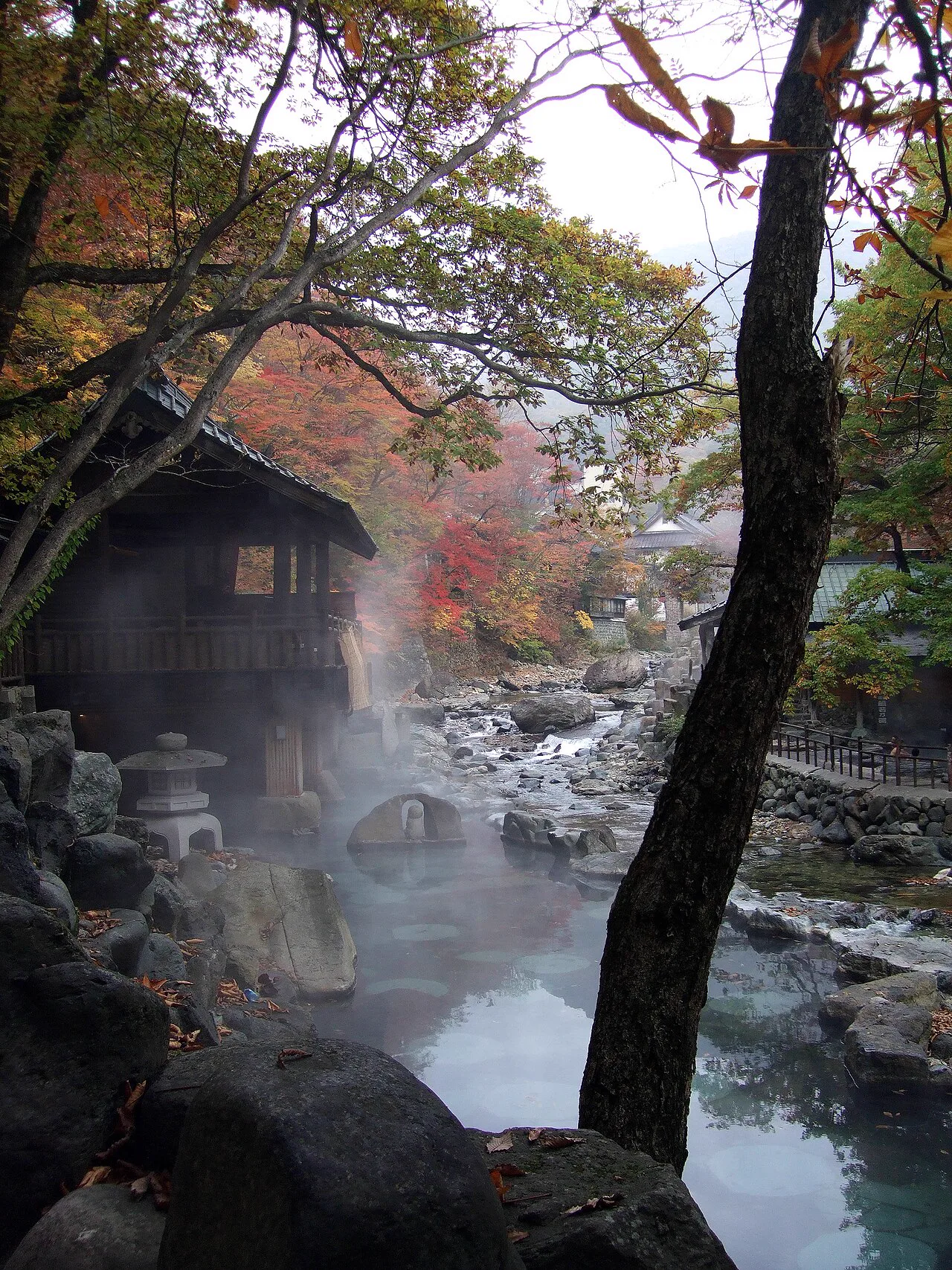
Some people want a bath that makes them sweat in five minutes. I usually prefer having room to settle in, especially after a long drive or a day outside. In Kyushu, that can mean anything from a 32°C carbonated pool to a bathhouse with a separate warm pool. The useful question is not simply which place is “coolest”; it is whether the number belongs to the bath you will actually use, and whether the setting fits your route.
If your preference runs the other way, the Kyushu hot-bath guide looks at pools with higher published temperatures and the difference between source and bathing water.
| Area or bath | Published bathing temperature | What it feels suited to | Main catch |
|---|---|---|---|
| Nagayu Onsen | Lamune Onsen: 32°C outdoor bath; Gozenyu: 37–39°C outdoor bath; Bansyounoyu: indoor pools listed across 30–41°C | Choosing a precise temperature, with carbonated water at several facilities | Rural location; check transport and winter comfort |
| Furuyu and Kumanokawa, Saga | The hot-spring area is described at around 38°C; individual pools vary | A stay built around a slower, warmer-than-cool soak | Do not assume every bath in the area has the same temperature |
| Shichirida Onsen, Oita | Shitanyu is about 36.5–37°C | A cool carbonated bath where the water itself is the point | The operator says winter bathing can feel cold |
| Kaimonji Onsen, Beppu | Separate hot and warm pools; no fixed figures published | A short city visit with a gentler option in the same building | “Warm” is relative; it is not a guaranteed temperature |
Nagayu is the clearest place to compare actual bath temperatures
Nagayu has several lower-temperature options, but the figures describe different pools. Lamune Onsen lists a 42°C indoor bath and a 32°C outdoor carbonated bath; the cooler pool can feel brisk outside summer. Its admission, hours and monthly closure are listed below. Shampoo and body wash are not supplied in the main bath.
| Lamune Onsen detail | Published information |
|---|---|
| Admission | ¥800 (about HK$40 / NT$161) |
| Hours | 10 a.m.–10 p.m. |
| Regular closure | First Wednesday of each month; second Wednesday in January and May |
Gozenyu is a milder middle ground: its open-air pool is listed at 37–39°C, while indoor pools are adjusted seasonally, generally to 40–43°C. Bansyounoyu lists its indoor bathing area at 30–41°C. These figures refer to different pools and should not be read as one shared Nagayu temperature.
Nagayu works better as an overnight stop or planned side trip than as a quick rail-station detour. Without a car, check that the bus serves your chosen bath and leaves a workable return connection.
Taketa City lists a temporary daytime diversion through October 12, 2026. Nagayu and Yamawaki stops are suspended from 8 a.m. to 5 p.m. during the work period. See the Nagayu day-use comparison for facility details and the Kyushu route without a car for a wider itinerary.
Furuyu and Kumanokawa are places to slow down, not temperature guarantees
Saga City describes Furuyu and Kumanokawa as “lukewarm” hot-spring towns, with water around 38°C. That gives you a sense of their identity, but it does not set a fixed temperature for every inn or public bath. The official Saga travel site lists a broader range across the area, so check the bath you intend to use if a particular temperature matters.
These small hot-spring districts sit along the Kase River north of Saga City. They suit an overnight stay or an unhurried outing better than a tightly packed bath circuit. Showa Bus links Saga Bus Center with the area; the published ride is about 35 minutes to Furuyu and 30 minutes to Kumanokawa. Check the stop nearest your bath and the current timetable. Some community-bus services require advance booking.
Shitanyu at Shichirida: a cooler pool with a strong carbonated character
Shitanyu’s operator lists the water at about 36.5–37°C and describes it as an unheated, free-flowing carbonated spring. The bath can feel cool at first; the facility recommends it roughly from late April to October.
| Shitanyu detail | Published information |
|---|---|
| Adult admission | ¥800 (about HK$40 / NT$161) |
| Water | About 36.5–37°C; unheated and free-flowing |
| Season noted by the operator | Roughly late April to October |
The Kyushu carbonated-onsen comparison compares Shitanyu with other carbonated springs.
Shitanyu is not the same product as the neighbouring Konoha no Yu building. The two are a short walk apart, but one admission does not automatically cover both. If you go in colder weather, a warmer bath or a shorter visit may suit you better than treating the low temperature as a test of endurance.
Beppu’s Kaimonji is the easiest trial run
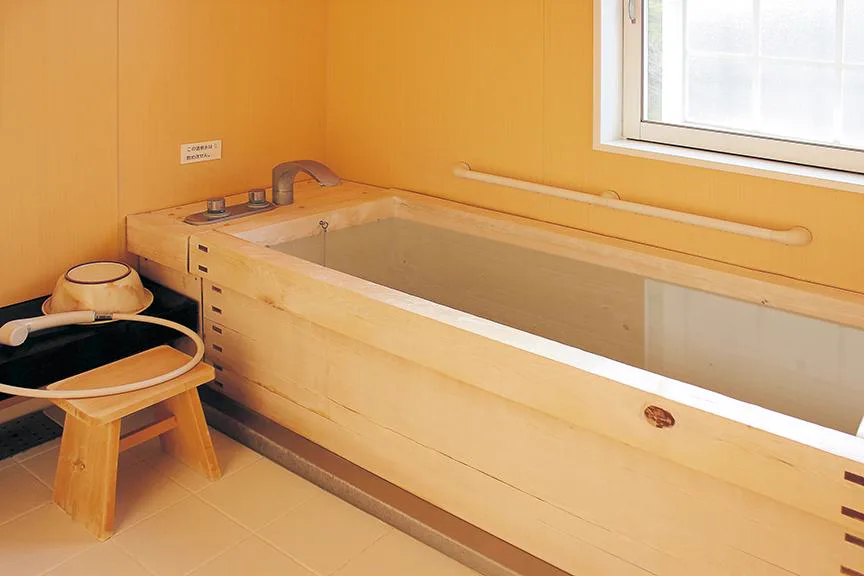
Kaimonji Onsen is an easy trial if you are already in Beppu. It has separate “hot” and “warm” pools, but the city publishes no fixed temperatures for either one.
| Kaimonji Onsen detail | Published information |
|---|---|
| Adult admission | ¥250 (about HK$13 / NT$50) |
| From Beppu Station | About a five-minute walk |
| Daily cleaning break | 2–3 p.m. |
See the Beppu station-area bath guide for nearby options.
A lower temperature still calls for sensible bathing
Temperature alone does not determine how a bath will feel. Carbonation, minerals and your health also matter. Japan’s Environment Ministry advises older adults and people with high blood pressure, heart disease or a history of stroke to avoid baths at 42°C or hotter.
Follow the facility’s bathing guidance. If you have a relevant health condition, ask your clinician about bathing. The Kyushu onsen guide for older visitors covers destination considerations; how to read onsen spring quality explains what temperature alone leaves out.
If you visit more than one bath in a day, leave time to rest and drink water between visits. The guide to reading onsen water temperatures distinguishes source and pool readings; the Kyushu two-bath day plan covers a multi-stop itinerary.
Sources
- Lamune Onsen: [hours, prices and bath temperatures](https://lamune-onsen.co.jp/access/) - Gozenyu: [bath temperatures and facilities](https://www.gozenyu.com/kannai.html) - Bansyounoyu: [hot-spring building and pool range](https://www.bansyounoyu.com/hotspring/) - Saga City: [Furuyu and Kumanokawa as lukewarm hot-spring towns](https://www.city.saga.lg.jp/city-promotion/promotion/226/6/813.html) - Saga Prefecture official travel site: [Furuyu and Kumanokawa](https://www.asobo-saga.jp/spots/detail/55c9f275-e51b-4457-87be-9eaccae1d18f) - Saga Prefecture official travel site: [bus access to Furuyu and Kumanokawa](https://www.asobo-saga.jp/spots/detail/55c9f275-e51b-4457-87be-9eaccae1d18f) - Saga City: [current Fuji Town community-bus information and Showa Bus timetable links](https://www.city.saga.lg.jp/sangyo-machizukuri/toshi-kotsu/8/1319.html) - Shichirida Onsen: [Shitanyu water temperature and seasonal note](https://konoha.sichirida-onsen.com/sitayu.html) - Taketa City: [Nagayu Line diversion through October 12, 2026](https://www.city.taketa.oita.jp/soshiki/machimirai/traffic/rosenbasu/13103.html) - Beppu City: [Kaimonji Onsen](https://www.city.beppu.oita.jp/sisetu/shieionsen/detail7.html) - Japan Ministry of the Environment: [onsen bathing precautions](https://www.env.go.jp/nature/onsen/pdf/2-5_p_41.pdf)Checked: September 28, 2026