Day-Use Onsen in Yamaga and Hirayama: Sakura-yu or a Ryokan Bath?
Compare Sakura-yu in central Yamaga with day-use baths at Hirayama Onsen. See the setting, access and why current ryokan bathing terms need checking.
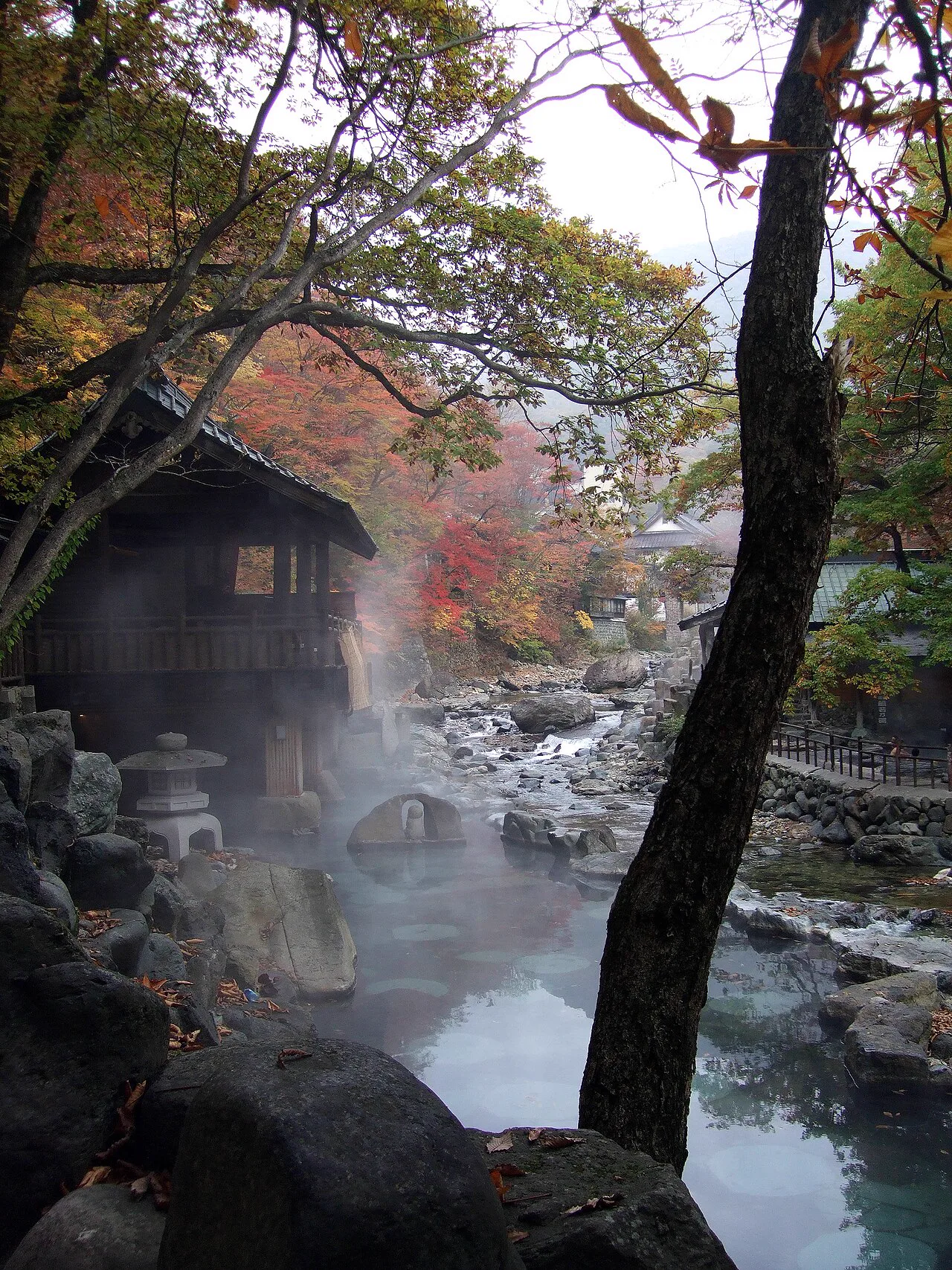
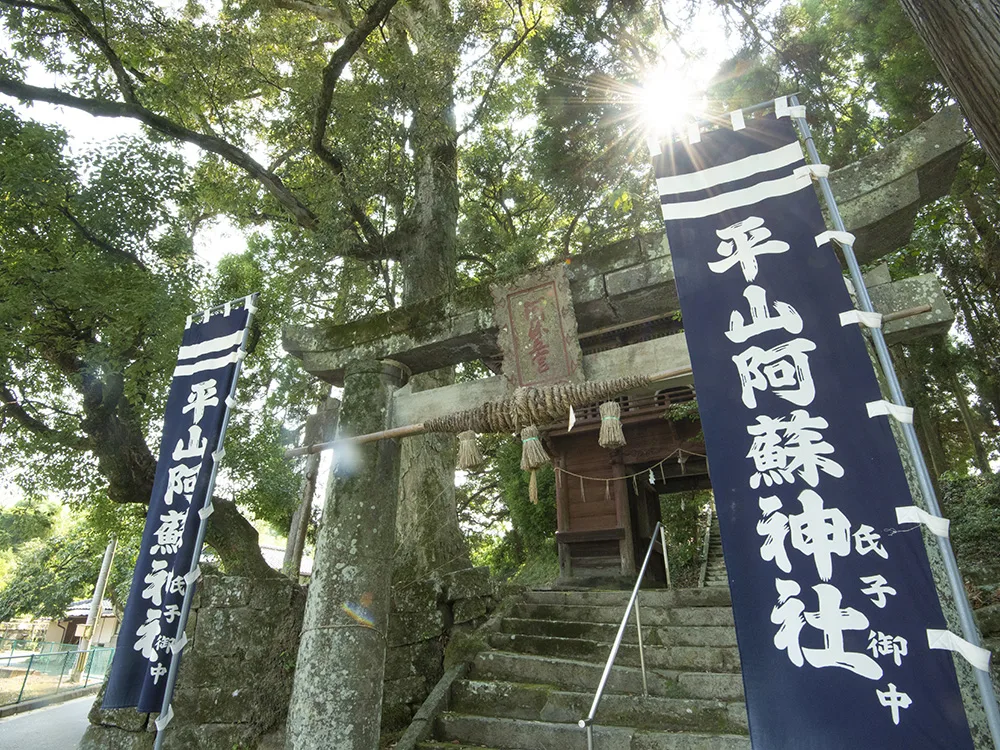
Yamaga and Hirayama are often grouped together, but they are not one walkable bath district. Sakura-yu sits in central Yamaga, close to the historic streets and Yachiyoza Theatre. Hirayama is a separate, quieter hot-spring area where the baths are attached to inns and other facilities.
| Bath | What sets it apart | Good to know |
|---|---|---|
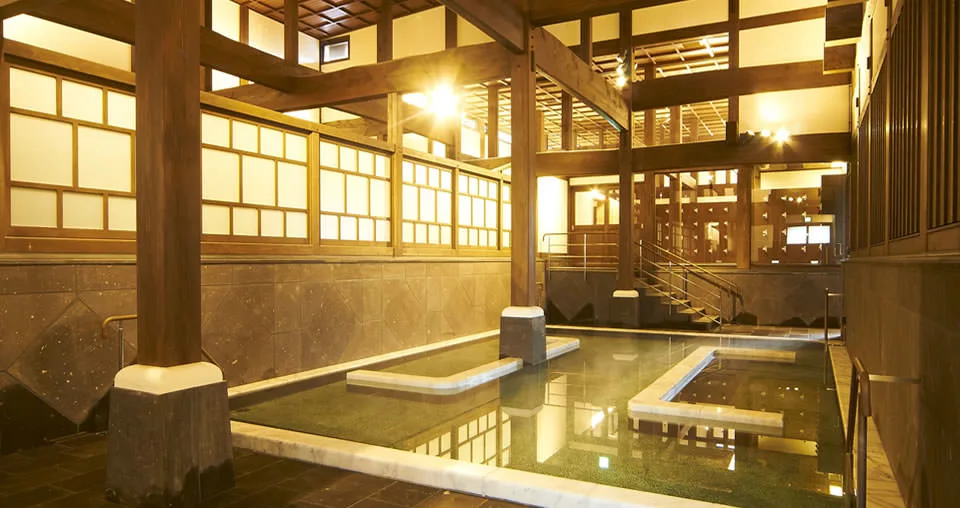
| Sakura-yu, Yamaga | A public bath in a striking timber building, with the town’s onsen history built into the visit | The current visitor page lists 6 am–midnight hours, adult admission of ¥350 and child admission of ¥150. It closes on the third Wednesday each month; if that falls on a public holiday, closure moves to the next weekday. |
| Yunokura’s main building, Hirayama | A day-use ryokan bath with indoor and large outdoor baths; food and rest facilities are on the same property | This is separate from Yunokura’s overnight buildings and guest-only baths. Confirm the day-use hours and services before setting out. |
| Other Hirayama facilities | A range of inn baths and family-bath options listed by the local association | A listing does not mean every property accepts walk-ins on every date. Ask about reservations and current admission directly. |
Hirayama’s tourism association describes the local spring as an alkaline simple sulfur spring, with source temperatures around 40–60°C. That is regional background, not a promise about the temperature or supply at every tub. Yunokura publishes its own spring details separately, while Sakura-yu has its own facility and rules.
Sakura-yu is valuable for its setting as much as for the soak. Its history traces back to a teahouse built in 1640; it became a public bath during the Meiji era and reopened in its current form in 2012. That makes it an easy match for a walk around the town, but it is not a stand-in for an overnight ryokan bath. At Hirayama, the local spring profile is only one layer of information: check the named bath for its own supply and temperature management, especially if you are comparing room baths or a reservable family bath.
For a short stay in Yamaga, Sakura-yu is the low-friction option: take a bath, then continue to Yachiyoza or the old streets. If you have a car and want lunch, a garden and a place to rest as well as bathe, check whether Yunokura’s day-use main building fits the date. Anyone seeking a private bath should contact individual inns first; the association directory does not guarantee walk-in access, an available slot or a shared rule across properties. Add towels, transport, luggage storage and lunch to the ticket when comparing the real cost.
If you have just a few hours in Yamaga, Sakura-yu pairs naturally with a walk through the town. Choose Hirayama when you can give the rural onsen area more time and have transport arranged. For a same-day route that connects both, see the Yamaga and Hirayama day-trip outline; for room and family baths, the private-bath comparison explains the difference.
Check the individual property for opening days, admission and reservations.
Sources
- Hirayama Onsen Tourism Association, [facility directory](https://hirayama-onsen.jp/facilities/) and [spring characteristics](https://hirayama-onsen.jp/miryoku/) - Yamaga Tourism Guide, [Sakura-yu bathing information and history](https://yamaga-tanbou.jp/sakurayu/) - Yunokura, [hot springs and separate day-use / overnight facilities](https://www.yunokura.jp/onsen/) and [main building](https://www.yunokura.jp/guide/honkan/)Checked: 2026-09-27.
Yamaga and Hirayama day-use onsen, Sakura-yu, Yunokura, public bath hours and ryokan bathing.