Shin-yu or Yunosato? Unzen’s Two ¥200 Bathhouses Compared
Compare Unzen Shin-yu Onsenkan and Yunosato Onsen: both cost ¥200, but close on different days and have distinct locations and bathhouse character.
Shin-yu Onsenkan and Yunosato Onsen charge the same modest rate, open from 9 a.m. to 10 p.m., and close on different weekdays. That last detail often settles the choice: Shin-yu closes on Wednesday, while Yunosato closes on Tuesday. Beyond the timetable, pick by where you are walking and which kind of local bathhouse you want to see.
| Shin-yu Onsenkan | Yunosato Onsen | |
|---|---|---|
| Adult admission | ¥200 | ¥200 |
| Child admission | ¥100 | ¥100 |
| Listed hours | 9 a.m.–10 p.m. | 9 a.m.–10 p.m. |
| Regular closure | Wednesday | Tuesday |
| Parking listed by the tourism bureau | About 3 spaces | About 4 spaces |
| Character | Neighbourhood bath linked to the Shin-yu area | Older communal bath with a distinctive deep oval tub |
For an ordinary week, Tuesday points to Shin-yu and Wednesday to Yunosato. On other days, there is little reason to cross town solely because one bath is supposedly “better.”
Shin-yu feels like a neighbourhood bath
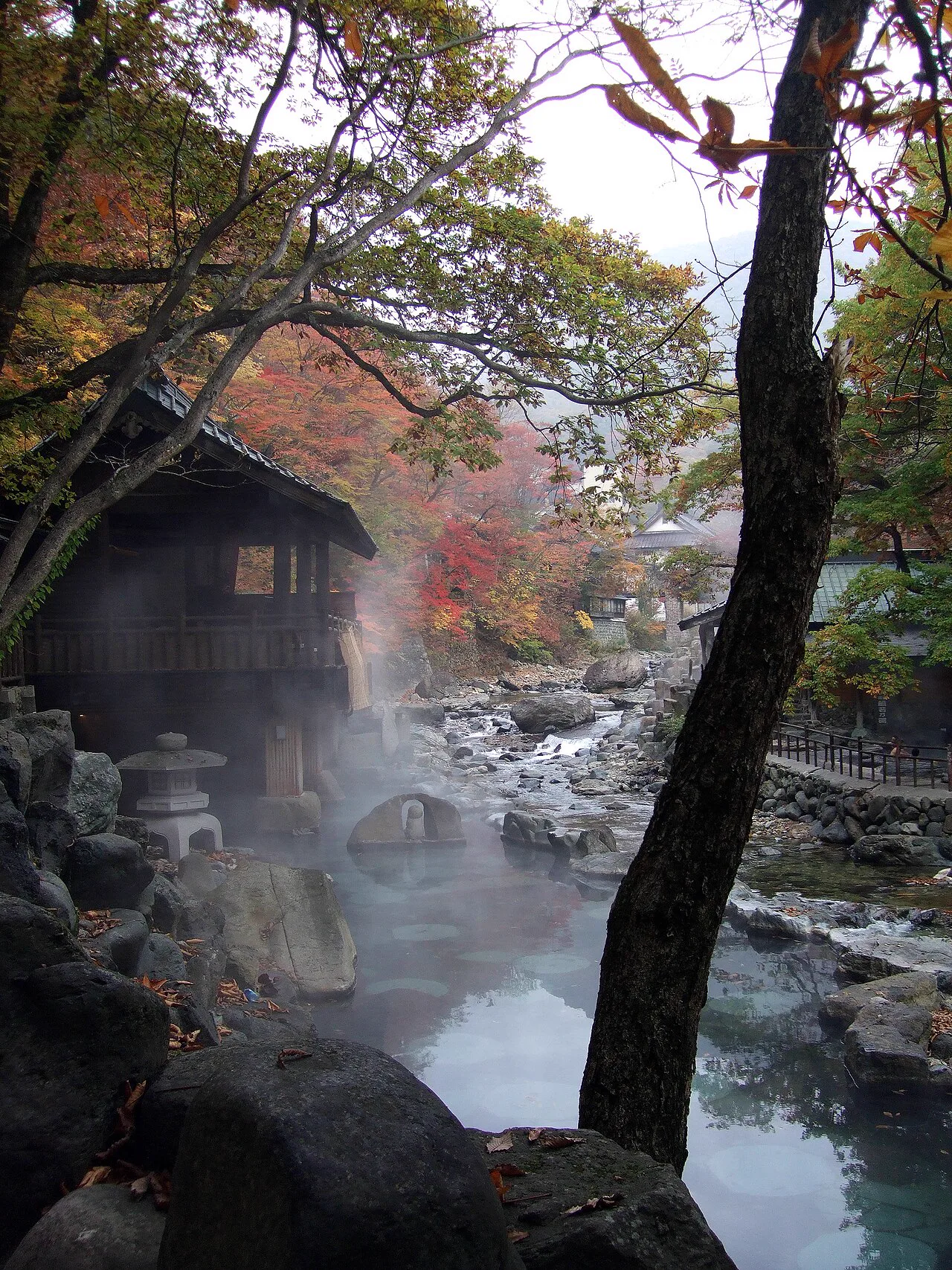
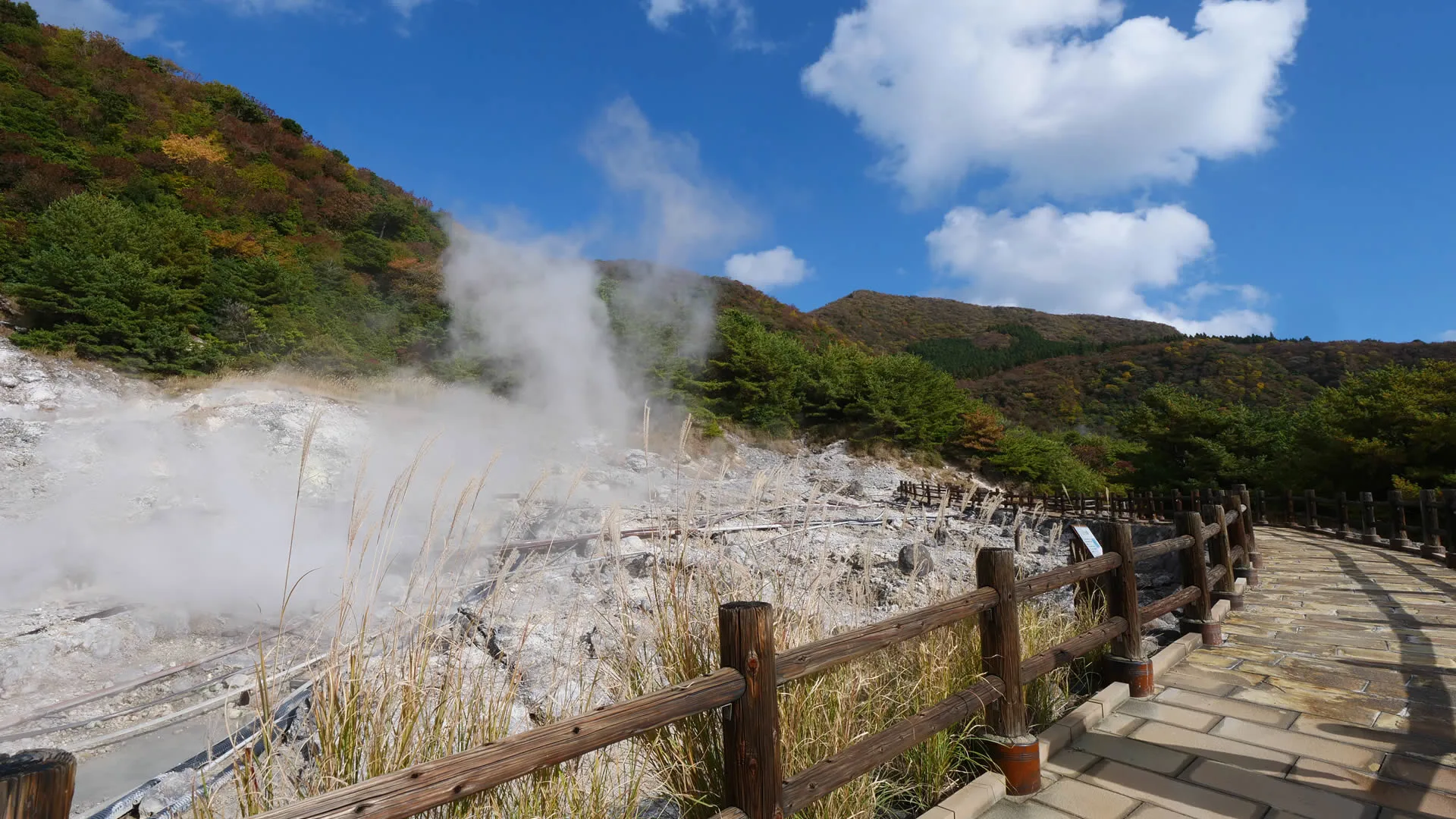
Shin-yu Onsenkan is a small communal bath in the Shin-yu area, used by local residents as well as visitors. The tourism bureau’s older feature describes its spring as coming from the Unzen Jigoku area and records a tub temperature of about 41°C at the time of that visit. That historical observation is not a current fixed temperature. The current day-bath listing confirms the hours, price and Wednesday closure, but does not provide a new pool-temperature reading.
One point worth checking on a map: this is Shin-yu Onsenkan, the ¥200 local bath, not Yuyado Unzen Shin-yu, a separate lodging property with guest rooms and its own baths. Their photos, room information and prices are not interchangeable.
If you are already walking near the western side of Unzen Jigoku or the Shin-yu district, this is the more natural stop. The attraction is the everyday bathhouse experience, not a long amenity list: there is no private room, outdoor pool or hotel-style spa.
Yunosato is easy to identify by its oval bath
Yunosato sits behind the main shopping street in a quieter residential pocket. The tourism bureau places it about a two-minute walk from the Bessho-guchi bus stop and lists roughly four free parking spaces. Its most distinctive feature is the dankyū bath: an oval, relatively deep tub whose shape recalls the large pickling tubs once used in the area. The local story gives the bath a character that the price alone cannot explain.
The tourism bureau’s current listing identifies the water as a sulphate spring and gives a pH of 2.3. That is useful context, but it is not a scorecard against Shin-yu. The available current operating pages do not offer comparable, up-to-date readings for each bath’s source and pool temperature, nor a complete side-by-side description of water treatment. Older readings should not be presented as today’s fixed conditions.
The source material also records an older pH reading of 2.4 for Shin-yu alongside Yunosato’s listed 2.3. That small difference is not a ranking: the readings are not a substitute for comparable current source and pool data, and neither tells you how hot a tub will feel on your visit.
Bring the small things you need
These are community bathhouses, not full-service spas. The current listings do not promise that towels, shampoo, body wash or other toiletries are included with the ¥200 admission. Bring a small towel, a bath towel and your own wash items; having a drink for afterwards is sensible too. The baths are gender-separated, with no private room for couples or families who need to bathe together.
If bathing together is the priority, look at Yokayu’s private family baths or the more extensive Seiunsou private-bath option. For the other public baths around the resort, the Unzen day-use guide lays out the different price and facility levels.
Can you visit both in one day?
At ¥200 each, the admission total is only ¥400. A two-bath outing can be enjoyable if you are curious about local bathhouse culture: Shin-yu’s connection to the Jigoku area contrasts with Yunosato’s older communal-bath feel and unusually shaped tub. Leave time to rest between soaks, especially if acidic or sulphur springs tend to irritate your skin.
For a regular sightseeing day, one bath is enough. Choose Yunosato if you are getting off at Bessho-guchi or want to see the dankyū bath. Choose Shin-yu if you are already near the Jigoku’s western side. Both have only a few listed parking spaces, so drivers should not assume a space will be free when they arrive.
If you are travelling without a car, choose by where you are already walking or by the bus stop that fits your route; there is little reason to cross the central district just to visit both. Neither bath has a private room, and tattoo rules are not stated in enough detail to assume acceptance. Ask the operator before you go if either point matters.
Sources
- [Unzen Tourism Association: day-use bath directory](https://unzenonsen.unzen.org/daytrip/) - [Unzen Tourism Association: Yunosato Onsen](https://www.unzen.org/spot/yunosato_onsen) - [Unzen Tourism Association: Unzen and Obama hot springs](https://www.unzen.org/article/onsen_unzen_obama) - [Unzen Tourism Association: history of the local baths](https://www.unzen.org/article/yumeguri) - [Yuyado Unzen Shin-yu: its separate hotel baths](https://www.sinyuhotel.co.jp/spa/) - [Unzen Yokayu private family baths](/guides/unzen-yokayu-family-bath-guide/)Checked September 28, 2026. Confirm opening and parking information with the Unzen Tourism Association or bathhouse before travelling; temporary closures may not appear in older guides.