Kirari Bettei vs Sawarabi no Yu: Two Very Different Hanno Onsen Stops
Compare Miyazawako Kirari Bettei and Sawarabi no Yu by spring water, price, child policy and access from Hanno Station.
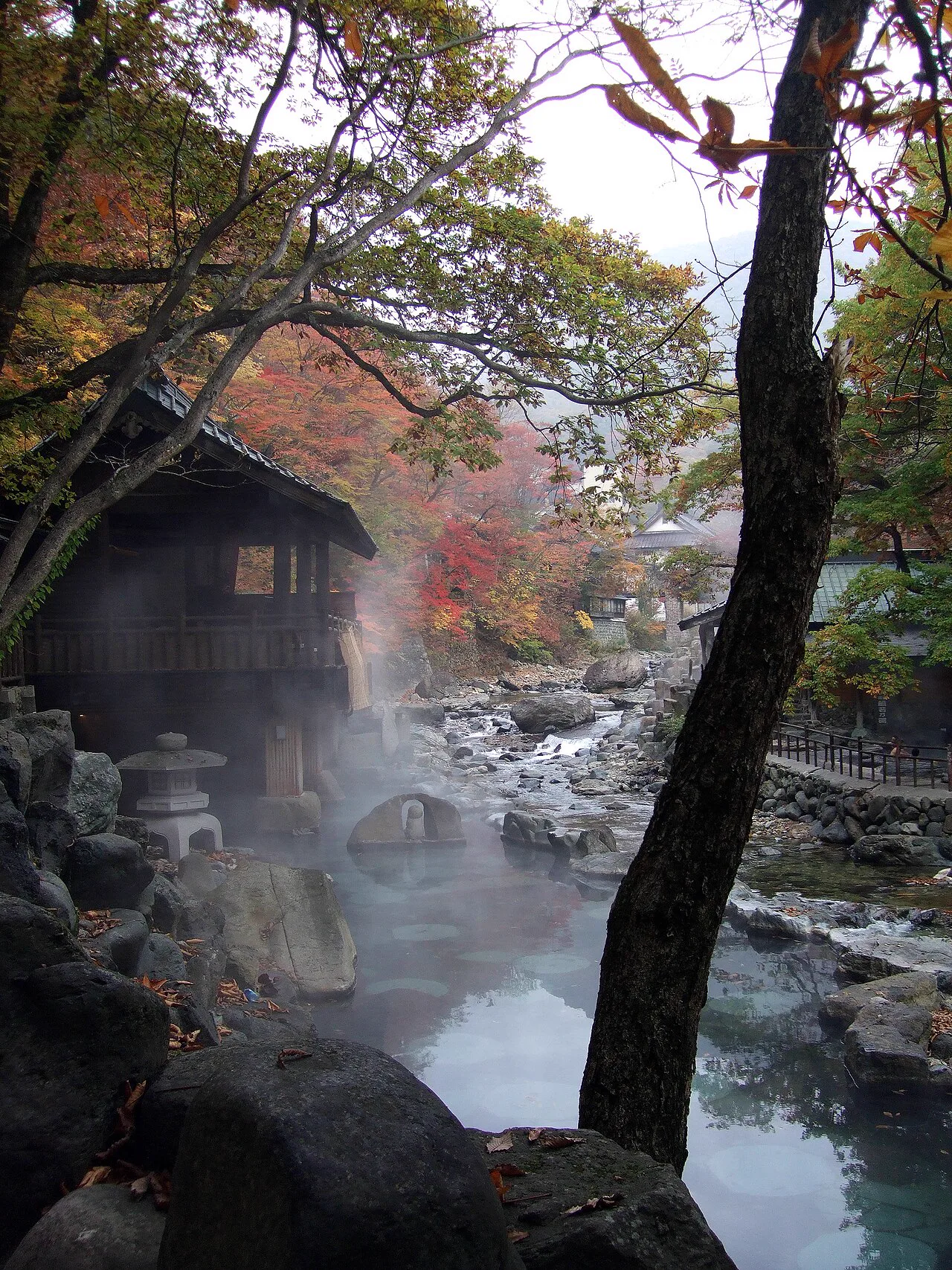
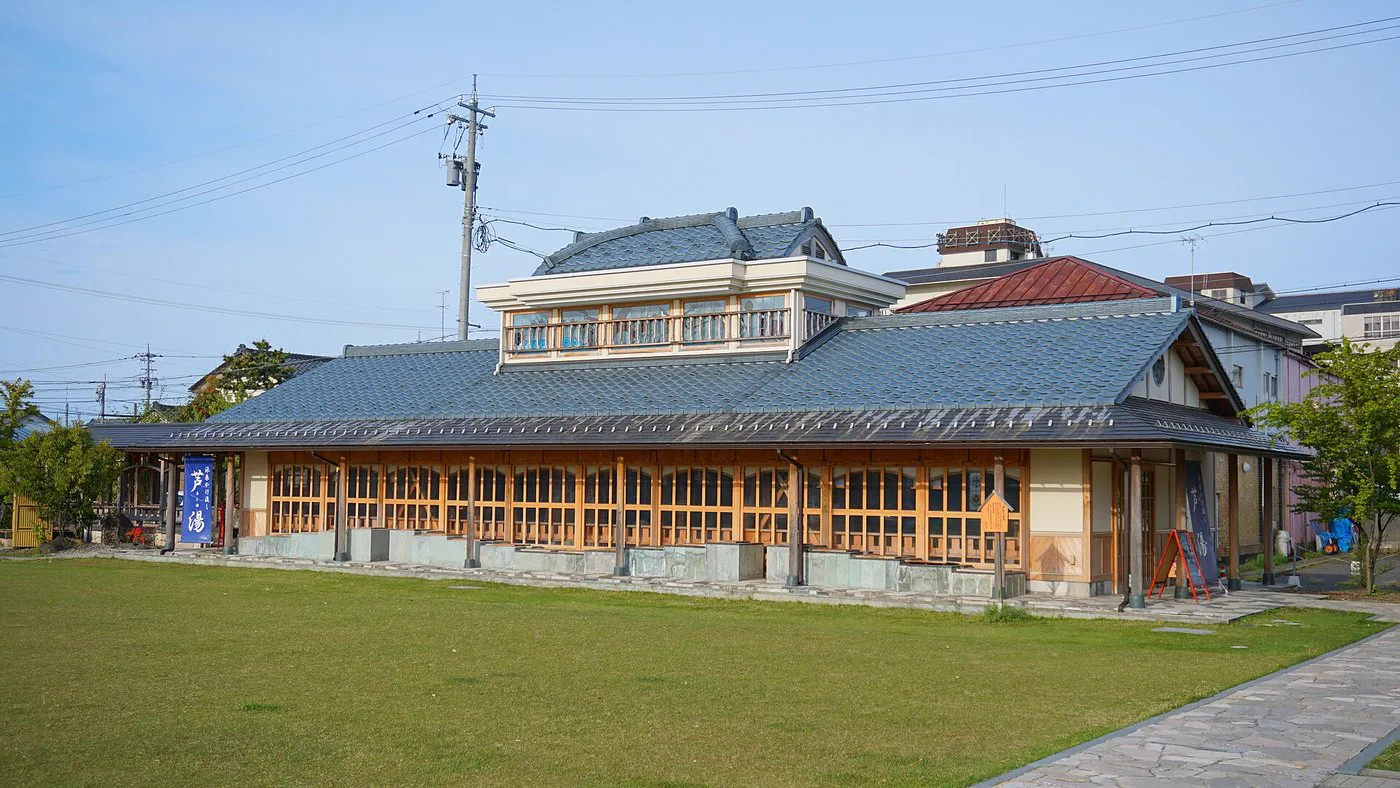
Kirari Bettei works best when the bathhouse is the main event: it has a lake-facing outdoor area, several kinds of baths, a sauna and a heated-stone relaxation area. Sawarabi no Yu makes more sense after a walk, ride or camping trip in Naguri. Its three-hour admission is ¥800, and the small wood-built bathhouse is already on that outdoor route.
The difference is not simply lake scenery versus forest. Kirari is an all-afternoon spa, with a higher full-course price and a minimum age of elementary school. Sawarabi is a shorter stop with a much lower ticket, a cold-mineral spring heated on site, and easier access for families with younger children. Both are natural hot springs; neither should be described as untreated water in every bath.
Start with the day you already have
If you reach Hanno with no other plans, Kirari is easier to turn into a half-day. The full course includes admission, towels and access to its heated-stone area; there is also a cheaper bath-only option. You can soak, rest, eat and return to the baths without needing to add a separate destination.
Sawarabi is a better finish to a day already spent around Naguri Lake or Mount Bonomine. It has indoor and outdoor baths and a steam sauna, but it is not a resort complex built for a long stay. The three-hour ticket suits a wash, soak and rest before catching a bus back toward Hanno.
| Plan | Better fit | Why |
|---|---|---|
| Spend several hours at the bathhouse | Kirari Bettei | Heated-stone area, lake-facing baths, dining and rest spaces |
| Soak after hiking or camping in Naguri | Sawarabi no Yu | The bathhouse sits on the same outdoor route |
| Visit with a preschool-age child | Sawarabi no Yu | Kirari admits elementary-school age and older only |
| Focus on spring-water records | Kirari Bettei | More source and individual-bath treatment data are published |
| Keep admission under ¥1,000 | Sawarabi no Yu | Adult entry is ¥800 for three hours |
What the water information actually says
Kirari lists an alkaline simple hot spring drawn from about 1,500 metres underground. The source is 32.4°C, with a flow rate of 67 litres per minute and a pH of 9.5.
The facility describes the outdoor rock bath as heated and flow-through. The panoramic and reclining baths use heating, added water and circulation. Chlorine disinfectant is used for hygiene. “Natural hot spring” refers to the source; it does not mean every pool uses the water in the same way.
Sawarabi’s source is a 16.8°C alkaline simple sulphur cold mineral spring. Because the water is too cool for bathing at source temperature, the facility heats it with wood pellets made from local Nishikawa timber. That is a specific local detail, though its published materials do not provide the same bath-by-bath treatment breakdown as Kirari. A smaller building in the mountains is not proof that every pool is raw or flow-through.
Prices, hours and the child policy
| Facility and ticket | Weekday | Weekend or holiday | Conditions |
|---|---|---|---|
| Kirari bath only, adult | ¥1,050 | ¥1,100 | Towels and heated-stone area not included |
| Kirari full course, adult | ¥1,850 | ¥2,100 | Includes towels and heated-stone area |
| Sawarabi, adult | ¥800 | ¥800 | Three-hour ticket |
Kirari’s full course makes sense if you will use the heated-stone area and stay longer. Children must be elementary-school age or older at Kirari; they cannot use the heated-stone area. Sawarabi accepts younger children.
Sawarabi charges adults ¥800 for three hours, children in elementary and junior high school ¥400, and admits infants free. Standard hours are 10 a.m.–6 p.m. It closes on the first and third Wednesday each month, except when a public holiday shifts the closure to the following Wednesday. The facility sometimes changes hours or closes for maintenance, so check its current notices before travelling.
Kirari is open 9 a.m.–11 p.m., with last admission at 10 p.m. Both facilities may set special-period prices or hours. Verify the date-specific notice if visiting during a holiday or event period.
Getting there from Hanno
Kirari is the simpler choice if you are travelling just for a soak. From the north exit of Hanno Station, take a local bus toward Metsä; the ride takes about 15 minutes, followed by roughly a five-minute walk. The bathhouse is beside the Metsä area and has parking for drivers.
Sawarabi takes more planning as a standalone destination. Buses run from Hanno Station into Naguri, and the stop for Nolla Naguri / Sawarabi no Yu is close to the entrance. It is more compelling when your day already includes the lake, a trail or camping; otherwise, check the return timetable before you go, since the bus ride is part of the plan rather than a quick station connection.
Pick the bath that matches your reason for going
Choose Kirari if you want to make the spa itself the afternoon, value the lake outlook and expect to use the heated-stone area. The higher price buys a longer, more varied stay, not simply a better hot spring.
Choose Sawarabi if Naguri is already on your itinerary, if a three-hour visit is enough, or if you are travelling with a preschooler who cannot enter Kirari. Its lower admission is useful, but its shorter hours and bus connection make same-day timetable checks important.
For the bus routes and a wider car-free plan, see the Hanno onsen guide without a car.