Hanno Onsen Day Trip Without a Car: Kirari, Sawarabi or Taishokaku?
Choose between three Hanno day-use baths by travel time, bathing style, current fees and bus access. Includes the Metsä route and Naguri return-trip cautions.
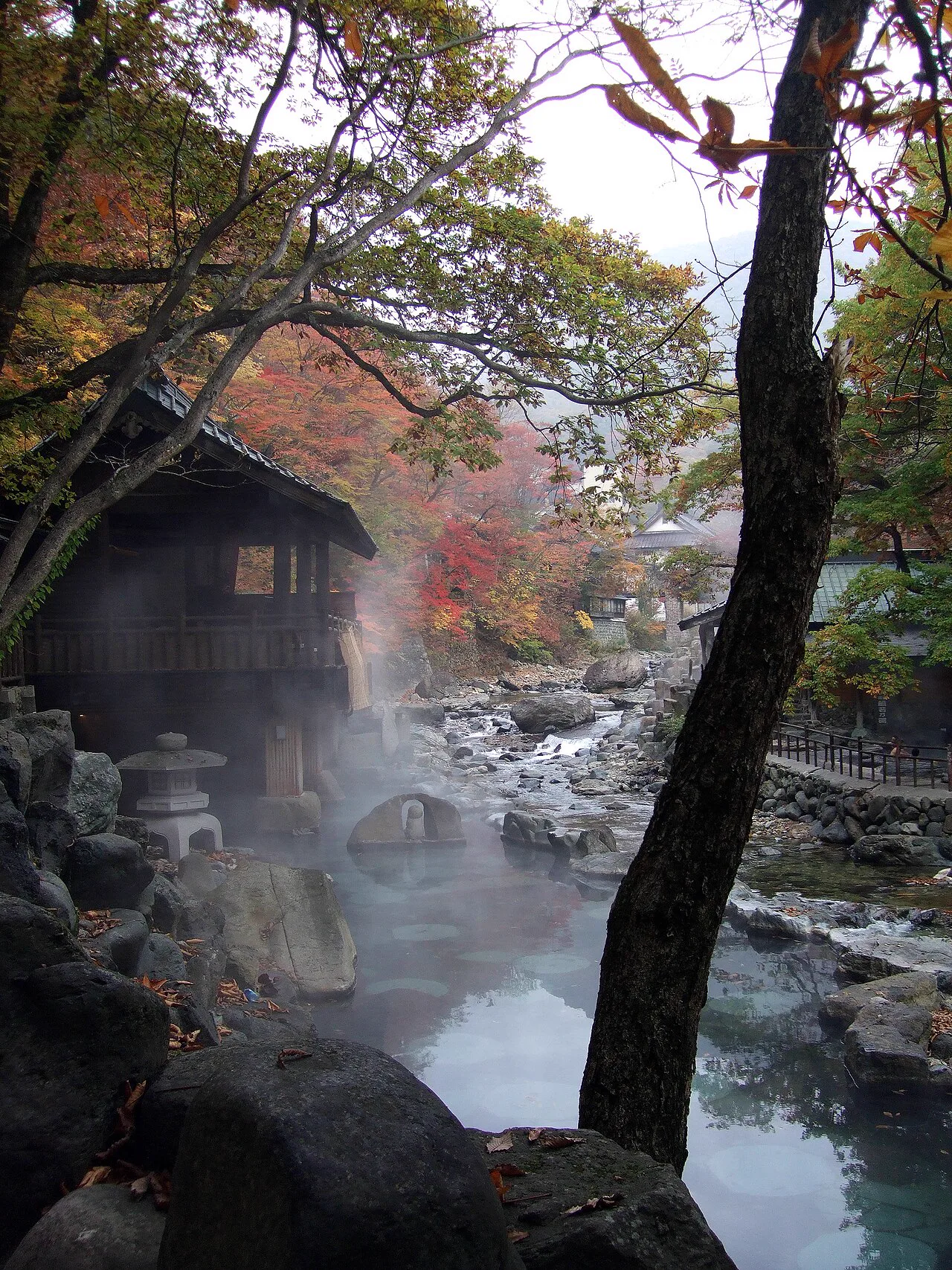
Three day-use baths around Hanno suit three different kinds of day out. Miyazawako Onsen Kirari Bettei is the easy half-day choice from Hanno Station, with a lake setting, meal service and an optional heated-stone room. Sawarabi no Yu is a simpler stop after hiking or camping in Naguri. Naguri Onsen Taishokaku is a ryokan bath; its standard walk-in admission is subject to guest priority and availability.
| Bath | Published hours | Best fit |
|---|---|---|
| Kirari Bettei | 9 am–11 pm; last entry 10 pm | A longer visit near Metsä, with baths, food and indoor rest areas |
| Sawarabi no Yu | 10 am–6 pm; usually closed the first and third Wednesday of the month | A three-hour soak after time in Naguri |
| Taishokaku | Day-bath reception 11 am–8:30 pm | A ryokan bath and mountain setting, if walk-in access is available |
Published day-use prices
| Bath | Standard adult admission |
|---|---|
| Kirari Bettei | Entry only, no towels: ¥1,050 weekdays / ¥1,100 weekends and holidays (about HK$52/55; NT$212/223) |
| Sawarabi no Yu | ¥800 (about HK$40; NT$162) |
| Taishokaku | ¥1,600; ¥1,800 in busy periods (about HK$80/90; NT$324/365) |
Approximate conversions use ¥100 ≈ HK$5 / NT$20 (September 30, 2026; indicative only).
Children and Kirari course prices
| Bath | Published child rates and add-ons |
|---|---|
| Kirari Bettei | Towel set: ¥1,350 weekdays / ¥1,400 weekends. Heated-stone course with towels: ¥1,850 / ¥2,100. Elementary-school children: ¥850 / ¥950 without towels or ¥1,150 / ¥1,250 with towels; no heated-stone access. Preschool children are not admitted. |
| Sawarabi no Yu | ¥400 for elementary- and junior-high-school students; preschool children enter free. |
| Taishokaku | Elementary-school children: ¥800 / ¥1,000; younger children: ¥500 / ¥600; ages 0–3: ¥300 / ¥400 (ordinary / busy-period rates). |
Kirari and Sawarabi list their rates on their official sites; Taishokaku's figures are from its current FAQ. Published prices do not guarantee entry on a particular date. Taishokaku may give overnight guests priority or turn away day visitors when full, so call ahead if access matters to your plans.
For a first visit from Tokyo, Kirari is the least complicated by public transport. If you are already heading to Naguri, Sawarabi is the easier bath to add. Choose Taishokaku when you want a ryokan setting and can confirm walk-in access in advance.
Kirari Bettei: easiest from Hanno Station
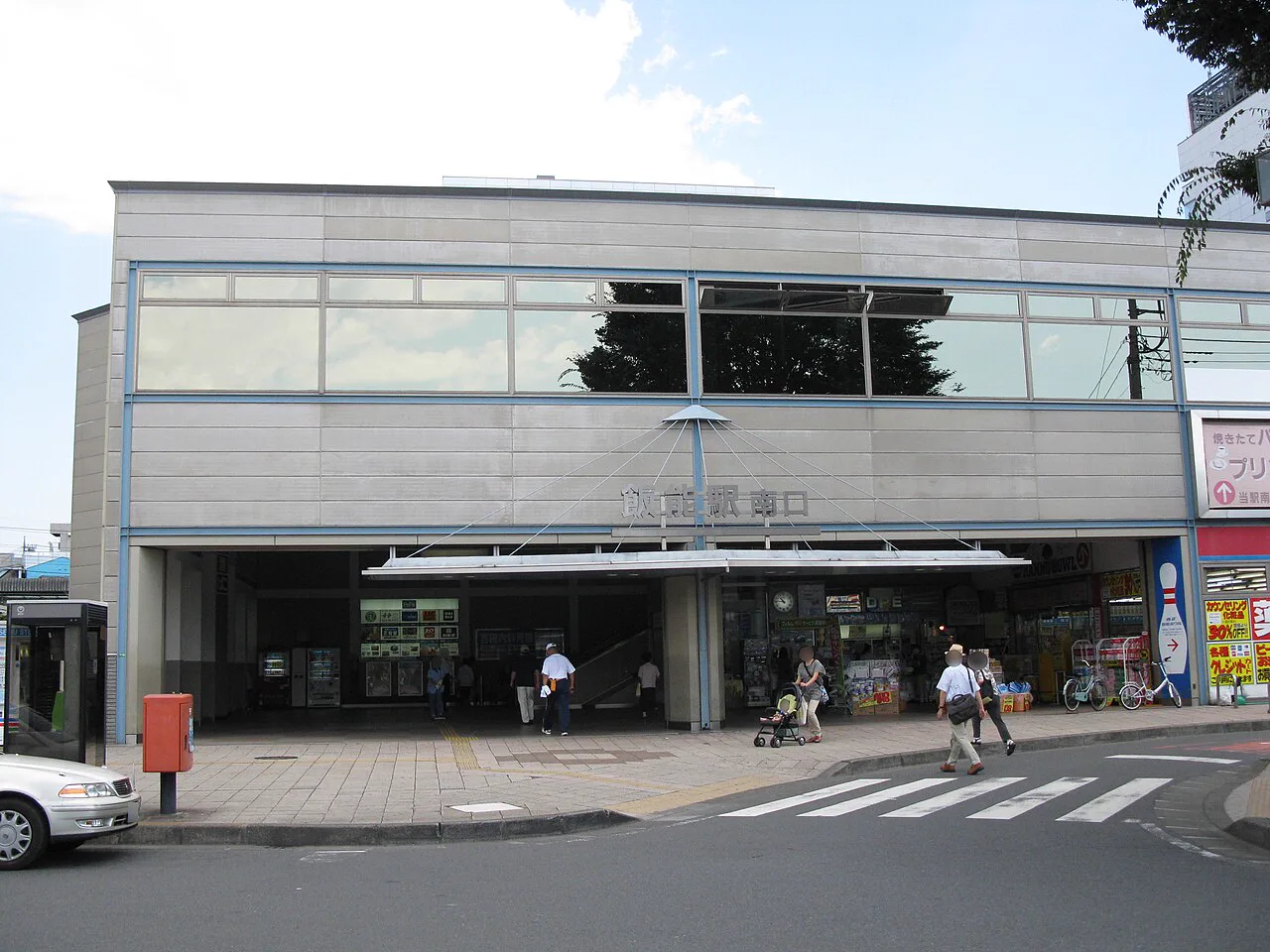
From Hanno Station’s north exit, use bus stop 1 for Metsä and get off at the Metsä stop. The ride is about 15 minutes; allow another five minutes on foot to Kirari. The table above separates entry-only, towel-set and heated-stone courses, including the weekday/weekend difference.
This is the one to pick if you want the bath to occupy a good part of the day. On site are food service, reclining chairs and a manga area, so there is somewhere to spend time between bathing and the bus. The admission rules matter for families: children must be of elementary-school age or older, and the facility does not admit guests with tattoos or tattoo stickers.
If the water itself is part of your decision, Kirari publishes unusually specific source data: 32.4°C, pH 9.5 and a flow of 67 litres per minute from a well about 1,500 metres deep. That does not mean every bath uses untreated source water. The operator identifies the open-air rock bath as heated and flow-through; the panoramic bath and reclining bath are heated and recirculated, with chlorine-based disinfectant used for hygiene.
The published Metsä timetable, revised April 1, 2026, lists the last buses back to Hanno Station at about 9:31 pm on weekdays and 9:20 pm on weekends and public holidays.
Kirari remains open until 11 pm, with last admission at 10 pm, so its full bathing window runs later than the bus. Leave before the final departure or arrange another way back. Confirm the Metsä–Hanno bus timetable for your date; traffic can affect the run.
Sawarabi no Yu: a three-hour stop in Naguri
Sawarabi is better paired with the area than treated as a late-night spa. A standard visit is limited to three hours. It has indoor and outdoor baths and a steam sauna, with a large rest room and lounge. There is no restaurant, but visitors may bring their own food.
The spring is an alkaline simple sulfur cold mineral spring, listed at 16.8°C at the source. The operator says it heats the water using wood pellets made from local Nishikawa timber. That detail helps set expectations: this is a heated bath using a cool spring source, not an unheated pool.
From Hanno Station, use the north exit and bus stop 3; from Higashi-Hanno, use the west exit and cross to the stop opposite the station. Get off at Nora Naguri / Sawarabi no Yu. There is no facility shuttle. Check both directions before setting out because Naguri buses are less frequent than the Metsä service, and the route had schedule changes in 2025. Save the current outbound and return journeys before leaving town. The bus timetable is linked from the facility’s access page.
Ordinary hours are 10 am–6 pm; the first and third Wednesday of each month are regular closure days. If a closure falls on a public holiday, the following Wednesday is used instead. Hours extend to 7 pm during Golden Week and the summer holiday period. Check the latest announcements for changes before travelling.
One practical detail for hikers: the facility has a place to wash mud from hiking shoes and paid lockers for large packs. Bring cash or the local Hello, again digital currency; the FAQ says credit cards are not accepted. It is a better fit after time on Mt. Bonoore, at Lake Naguri or at a nearby campsite than as an unplanned stop after the last bus.
Taishokaku: a ryokan bath, with a walk-in caveat
Taishokaku’s fifth-floor public bath opens to day visitors from 11 am, with reception until 8:30 pm. From 3 pm, overnight guests have priority; the inn may refuse day visitors when guest or meal-plan bookings leave no capacity. Busy-period rates are listed in the price table above.
The inn lists two private spring sources at roughly 17–18°C. Its main indoor and outdoor baths are kept around 40°C, while a smaller tub in the public-bath area receives the cool spring water. If trying an unheated mineral spring matters to you, that small tub is the detail to ask about; the source temperature is not the temperature of the main baths.
Walk-in bathing itself is not reservable: go to the front desk, but call first if the visit depends on getting in. A separate notice flags 2:30–6 pm as a period when admission may be difficult. This is different from the inn’s day-use meal plans, which bundle a room, meals and—in some plans—a private bath. Private baths should not be assumed to be part of ordinary admission.
By public bus, leave from Hanno Station’s north side toward Naguri, get off at Naguri Kawabashi and walk roughly seven minutes. Taishokaku also offers a free shuttle from Hanno Station’s south exit, but it requires advance reservation and is not a walk-up public bus.
Published departures include 10:30, 11:45, 3 pm and 4:30 pm from Hanno; return trips include 10 am, 11:15 am, 2:30 pm, 4 pm and 8:30 pm. Confirm whether day-bath visitors can reserve the shuttle; ordinary walk-in bathing is not reservable. Check the inn’s access and shuttle details and the bus operator’s schedule before choosing.
Plan the return before the bath
The main difference is how much the day depends on transport. Kirari has the most direct station connection, but the bus stops before the bath closes. Sawarabi’s stop is close to the entrance, yet the journey into Naguri has fewer departures and no shuttle. Taishokaku has two possible connections, but the shuttle must be booked and walk-in bathing can be limited.
For a wider look at car-free hot-spring trips around the region, see the Kanto onsen without a car guide. If Chichibu is also on your itinerary, the Chichibu day-use onsen guide compares a different set of transport trade-offs.