Dai-ichi Takimotokan Day Trip: Is the ¥2,500 Bath Ticket Worth It?
Is Dai-ichi Takimotokan worth a day visit? Check the current ¥2,500 entry fee, five spring types, 35 shared baths, pool access and the easiest bus stops.
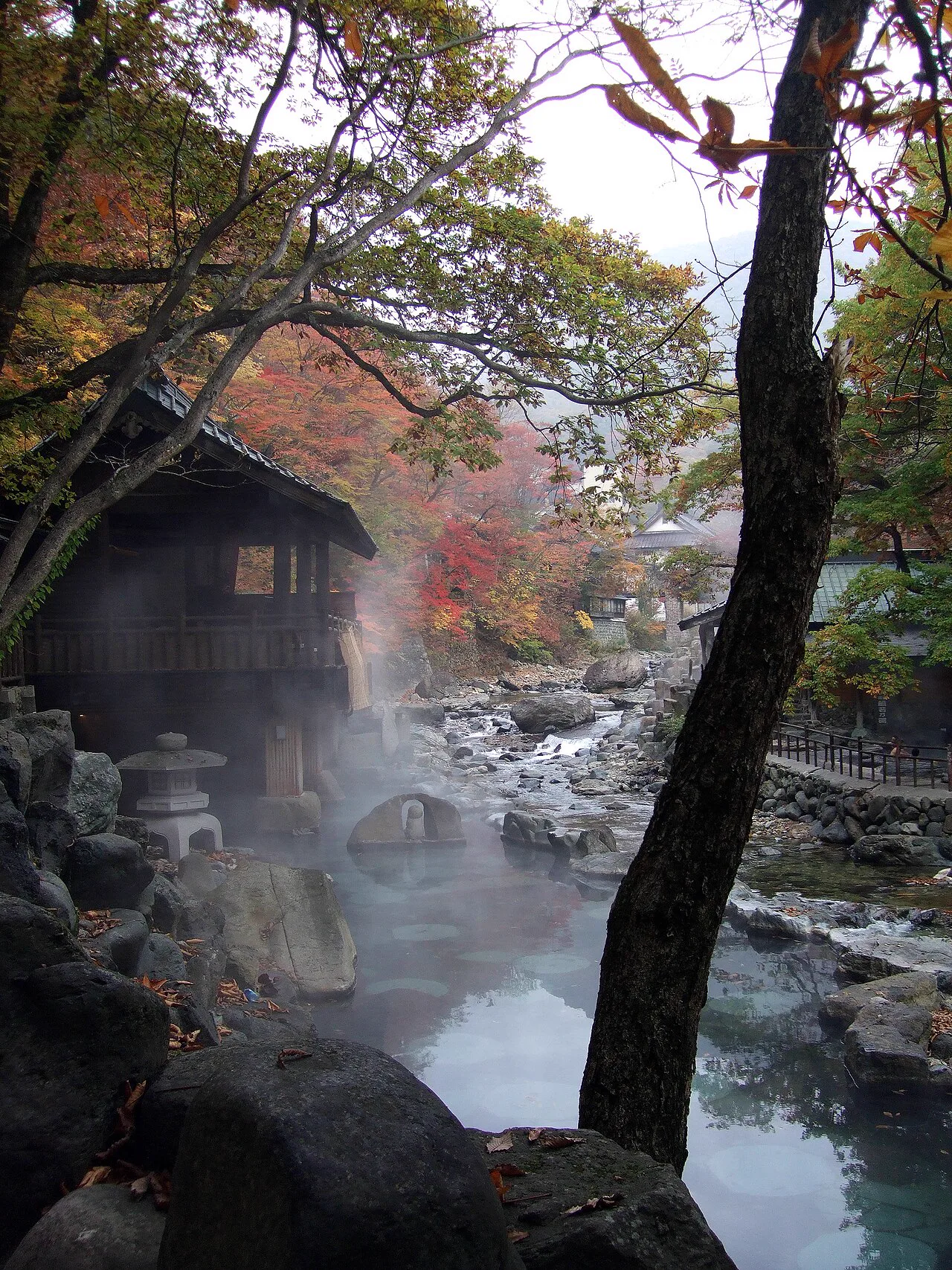
Dai-ichi Takimotokan is the big, all-afternoon option in Noboribetsu Onsen. The day-use ticket gives you access to a vast bathing complex with five kinds of hot-spring water, 35 baths shared between the men’s and women’s areas, and a heated swimming pool. At ¥2,500 for adults, it costs more than a quick soak at a public bath. The price makes sense if you want to explore several pools, take a proper break and perhaps swim; it is harder to justify if you only have time for one short bath.
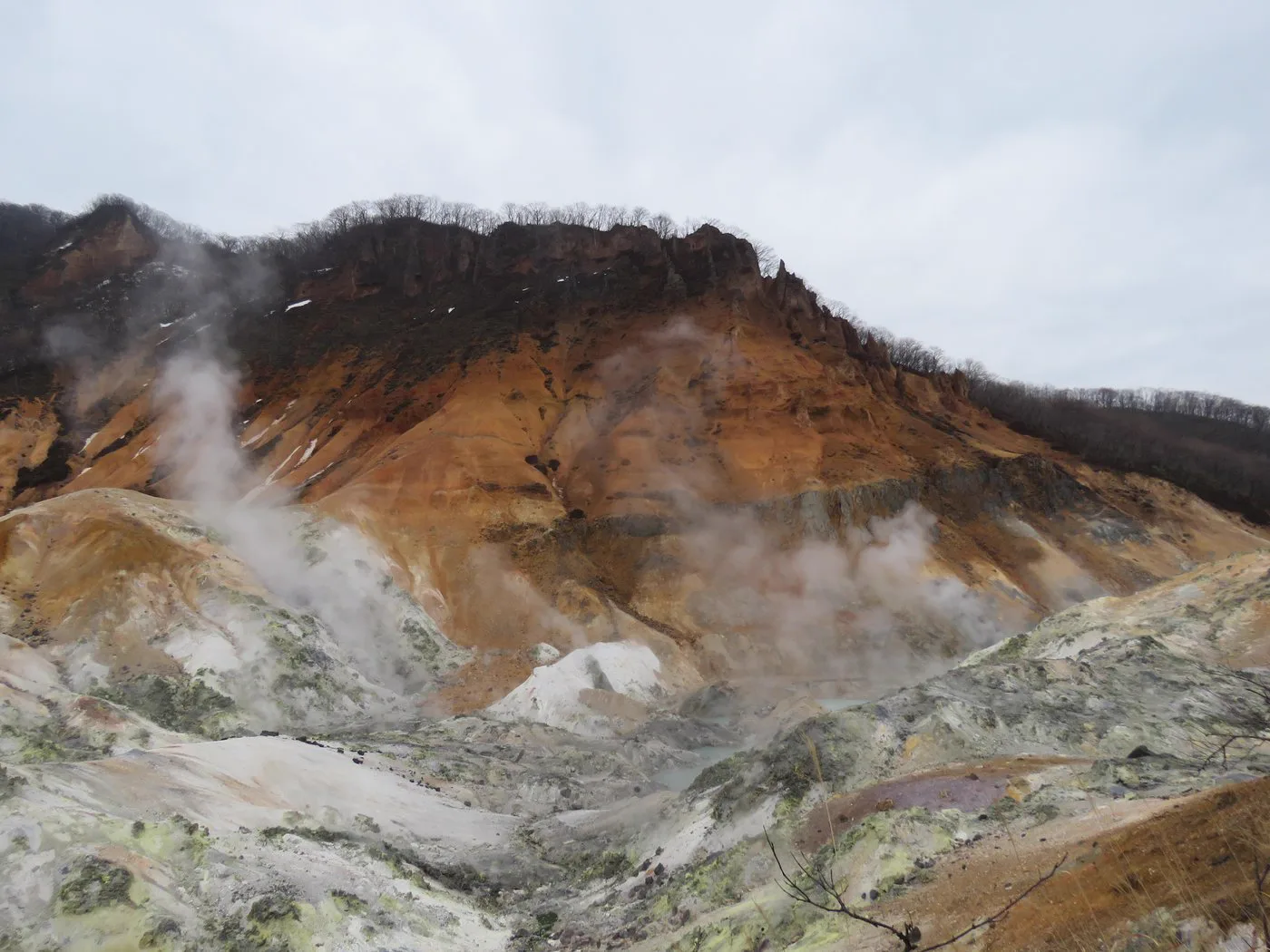
The hotel sits beside Jigokudani, Noboribetsu’s steaming volcanic valley. That makes it easy to pair a walk with a long soak, but the day-use hours set the pace: check-in for the bath is available from 9:00 a.m. to 6:00 p.m., and everyone must leave by 9:00 p.m. Build in time to change, dry off and reach your bus stop before the last stretch of the day.
What the day ticket covers
| Day-use item | Current details |
|---|---|
| Adult admission | ¥2,500 |
| Child admission | ¥1,500 for ages 3–12 |
| Children under 3 | Free |
| Bath reception | 9:00 a.m.–6:00 p.m. |
| Latest exit | 9:00 p.m. |
| Face and bath towels | Included |
| Heated pool entry | Included; swimwear and float rentals cost extra |
| Reservation | Not required for standard day bathing |
| Day-use private room | ¥5,500 per room, 9:00 a.m.–4:00 p.m.; up to 8 people, no private bath |
The headline price already includes towel rental and tax. Pool admission is included too, so the main extra cost for swimmers is renting swimwear or floats if you did not bring your own. The private day room is separate from the bath ticket and does not come with a bathroom. It is useful as a place to rest with a group, not as a private bathing option.
One timing detail catches people out: 6:00 p.m. is the last time to enter, not the closing time. The bath and pool close to day visitors at 9:00 p.m. If you have an onward connection from Noboribetsu Station, leave enough time to change and walk or ride back to your stop rather than planning around the final minute.
Five spring types, but 35 baths are shared across both sides
Takimotokan lists five kinds of water: sulphur, sodium chloride, acidic green vitriol, sodium bicarbonate and sodium sulfate springs. That is a more varied lineup than the single-water experience many visitors picture when they think of Noboribetsu. The official bath guide also describes pools at different temperatures, including warmer and milder options managed by the hotel’s yumori, or spring keeper.
The number 35 refers to the men’s and women’s areas combined. The bathing areas do not switch sides during the day, so one visit will not give you access to all 35. Daytime cleaning can also temporarily close some pools. Plan around variety rather than a checklist: try a stronger-smelling sulphur spring, a gentler pool if you prefer less stimulation, then leave room for the outdoor baths or a rest between rounds.
The spring names describe different mineral compositions, not a promise of a medical effect. If you have sensitive skin, a health condition or concerns about heat, choose a pool that feels comfortable and keep the soak short. There is no need to try every water type in one visit. The guide to reading onsen spring types explains what the labels can—and cannot—tell you, while source temperature versus bath temperature covers why a spring’s analysis temperature is not the temperature of every bath.
The pool changes the value for families
The heated pool is the clearest reason this works for a mixed-age group. Children who tire of bathing can swim instead, while adults can take turns using the baths. There is a 25-metre pool, a children’s pool and a water slide. Pool time is separate from bathing etiquette: wear swimwear in the pool, then change before entering the communal baths. Rental swimwear and floats are available for an additional fee.
That flexibility is useful if one person wants to soak for hours and another has had enough after a few rounds. It also means a rushed one-hour stop is poor value. Add changing time, a swim and a rest and the visit naturally becomes a half-day plan. For a cheaper, shorter soak, compare the options in the Noboribetsu day-use onsen guide; if a sauna matters more than a huge bath selection, the Karurusu Onsen day-bath comparison covers the nearby alternative area.
Pair it with Jigokudani without squeezing the bath visit
Jigokudani is right behind the hotel, so you can walk the valley before bathing and come back without arranging another ride. If you arrive in the morning, do the outdoor walk first, then settle into the baths and pool. In the afternoon, keep the walk short if daylight is fading or the weather turns; the admission fee is easier to use well when you are not watching the clock.
For a longer outdoor route, check the conditions and available time before setting off. A day-use ticket is not a good reason to rush a trail and then hurry through the baths. The Jigokudani and Oyunuma walking guide lays out the longer walk and overnight option, while the Noboribetsu day trip or overnight comparison helps decide whether the valley and town deserve more than one day.
Getting there from Noboribetsu Station
There is no shuttle service for day-use bathers. From JR Noboribetsu Station, Donan Bus takes about 15 minutes to the hot-spring district. Get off at the Dai-ichi Takimotokan stop, around a two-minute walk from the hotel, or at the Noboribetsu Onsen terminal, around seven minutes on foot. The hotel’s access page links to the bus operator’s current timetable; check it again on your travel date because the last return bus matters more than the ride in.
Driving is straightforward, but the hotel’s own lot has limited spaces and may be reserved for overnight guests during busy periods. If it is full, the hotel directs day visitors to the Jigokudani car park across the road, currently ¥500 per day. Include that in the cost comparison: two adults arriving by car on a busy day may pay ¥5,500 before any rental swimwear or food.
For a broader look at station transfers, airport buses and the route from Sapporo, see the Noboribetsu access guide. The local Noboribetsu day-use comparison is better if the main question is which bath to choose.
Is it the right day bath for your trip?
Choose Takimotokan when you have several hours, want to try different spring types or need a pool as well as a bath. The towel-inclusive ticket and location beside Jigokudani make the day easy to organise, especially for families. Choose a smaller public bath if price and a quick soak matter more than facilities; Takimotokan’s size is only useful when you have enough time to enjoy it.
The hotel lists annual maintenance closure from April 5 to 15, 2027. Outside that period it currently lists day bathing every day, but pool availability, cleaning and access conditions can change. Check the official day-visit details before leaving, particularly if your schedule depends on swimming or a specific bus.
Sources and verification
- [Dai-ichi Takimotokan: Day visits](https://takimotokan.co.jp/en/day_spa/) — current admission, hours, towels, pool access, cleaning, parking and 2027 maintenance closure. - [Dai-ichi Takimotokan: The Grand Bath](https://takimotokan.co.jp/en/spa/) — five spring types and 35 baths across both areas. - [Dai-ichi Takimotokan: Access](https://takimotokan.co.jp/en/access/) — station bus duration and walking distances from stops. - [Dai-ichi Takimotokan: FAQs](https://takimotokan.co.jp/en/faq/) — reservations and day-visitor hours. - [Noboribetsu International Tourism and Convention Association: Day-use baths](https://noboribetsu-spa.jp/oneday/) — current local comparison.Verified: 2026-09-28