Noboribetsu Onsen in One Night: Jigokudani, Oyunuma and the Natural Footbath
Plan a night in Noboribetsu around Jigokudani, the Oyunuma forest trail and its natural footbath, with room for bus times and trail notices.
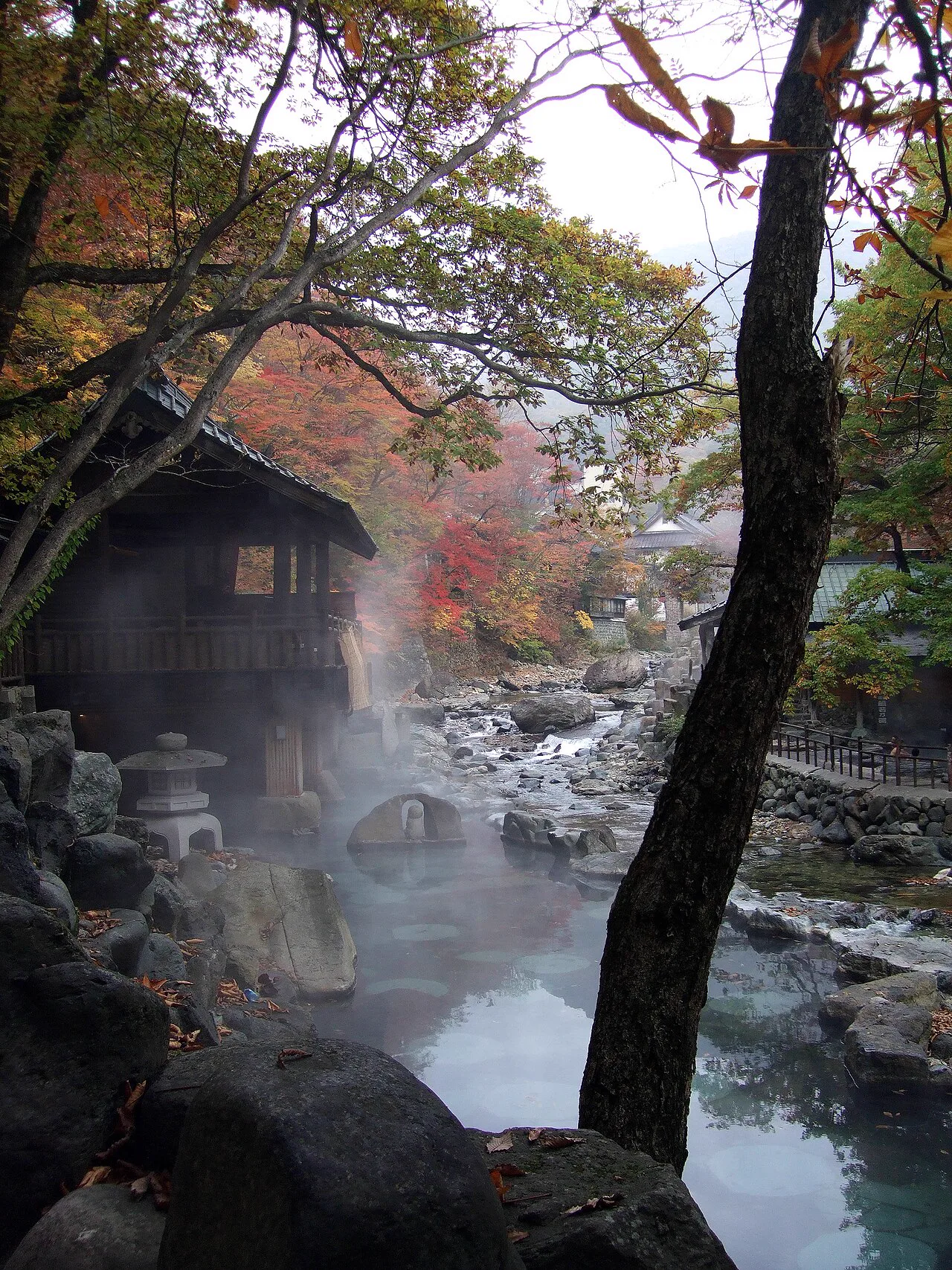
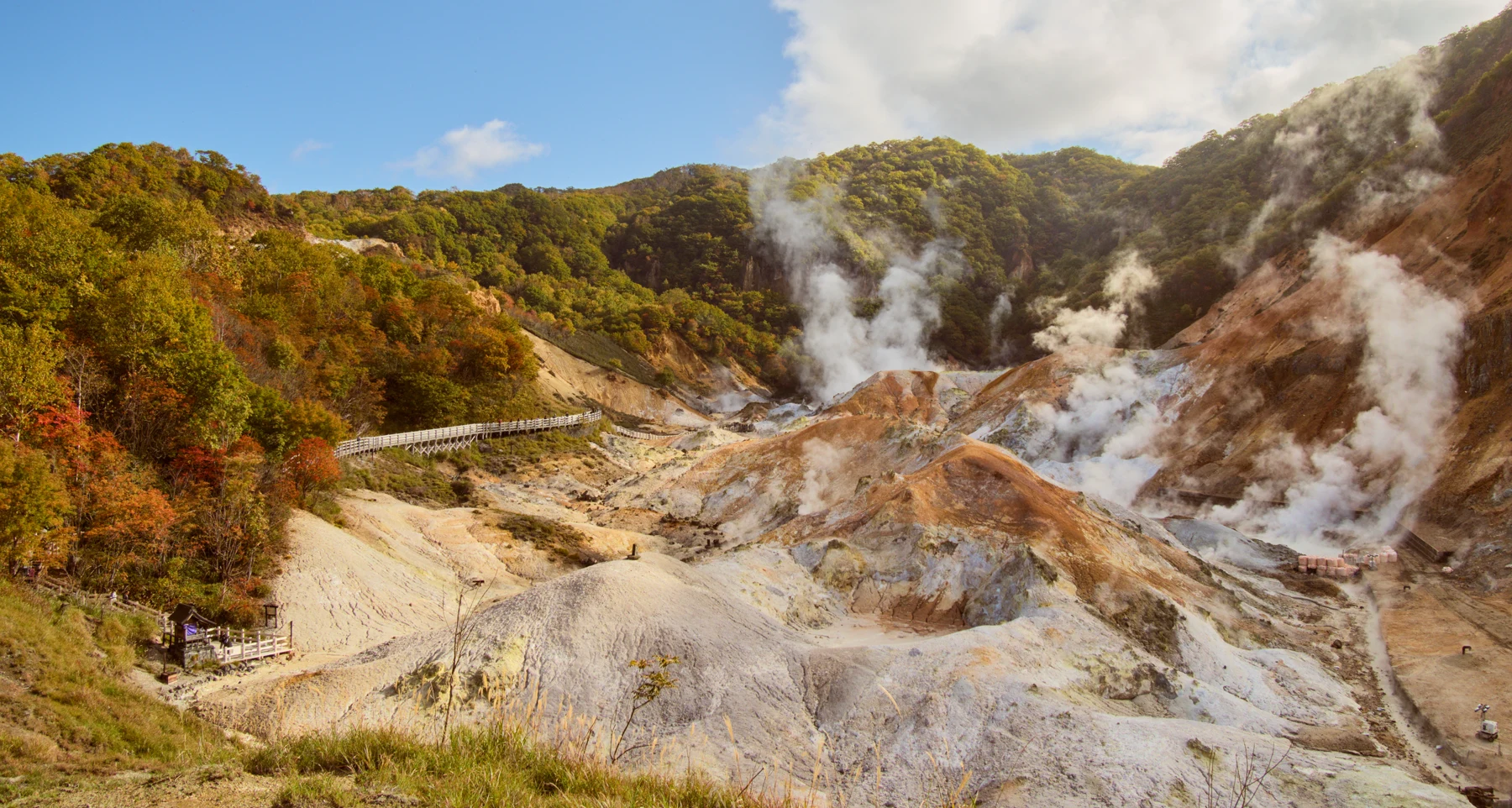
Jigokudani is the easy part to fit in. The longer outing is the forest trail toward Oyunuma and the Oyunuma River Natural Footbath. Trying to do both after arriving and still catch a long-distance train can turn the walk into a timetable exercise. With one night in Noboribetsu, visit Jigokudani on arrival day and leave the forest route for the following morning—provided it is open.
Choose the walk before choosing the schedule
The tourism association gives about 30 minutes for its short Jigokudani walk. Its longer walking course, which passes through woodland and the natural footbath area, is listed at about 60 minutes. Those are route estimates, not door-to-door timings: getting from the resort to the trail, stopping at viewpoints, soaking your feet and walking back all add time.
From the bus terminal in Noboribetsu Onsen, the Oyunuma trail area is roughly a 25-minute walk. A short section near the footbath is about 388 metres and takes around 15 minutes. That short figure does not include the walk from the resort or the wider route. Wear shoes with grip; the woodland path can be wet, muddy or icy, and the water is hot spring water rather than a managed bath with changing facilities.
| Plan | What it leaves time for | Main constraint |
|---|---|---|
| Jigokudani only | A short walk before dinner or after arrival | Still allow time for the walk to and from your hotel |
| Footbath-area section | A brief forest walk and a stop by the stream | Confirm the path is open and how you will get back |
| Jigokudani plus Oyunuma and footbath | A half-day outdoors, with time for a bath afterwards | Daylight, trail status and the return bus |
A one-night plan that keeps the walk out of the arrival rush
On the first day, take the bus from Noboribetsu Station to the resort, leave your bags at the inn, and walk around Jigokudani before dinner. The local bus takes about 27 minutes and the adult fare is ¥450 one way. Some services stop at Ashiyu Iriguchi (Footbath Entrance), while others do not; check the operator’s timetable rather than assuming every bus reaches the trail-side stop.
The next morning, ask the inn whether it can hold your luggage after checkout. If the trail is open, walk to Oyunuma and the natural footbath, then return for your bags and lunch before taking the bus downhill. If luggage storage is unavailable, either carry only what you need and arrange a different pickup, or keep the morning to Jigokudani and the resort centre. A suitcase is awkward company on a damp forest path.
Leave a bus-sized buffer on the way back to Noboribetsu Station. The 27-minute ride is an estimate, and missing the bus can also mean missing the train you planned around. Before committing to the longer walk, check both the outbound and return bus times for that day. The Sapporo and New Chitose access guide explains the separate rail and highway-bus options.
Keep the afternoon route simple
If you are visiting without an overnight stay, choose between a Jigokudani walk followed by a bath, or the Oyunuma-footbath trail as the main activity. Doing both is possible when the path is open and you have enough daylight, but it leaves less room for a bath and makes your return depend on the local bus. For a short visit, the association’s 30-minute Jigokudani course is the more predictable option.
In autumn and winter, start outdoor plans earlier. The forest route is more exposed to changing conditions than the main Jigokudani viewing area. Temporary repairs, weather or other access restrictions can close the trail, so do not treat a map or an older itinerary as proof that it is passable. If the footpath is closed, Jigokudani and the resort’s baths still make a complete half-day.
Check the current notice, not just the map
As of 27 September 2026, the tourism association has announced that the Oyunuma River trail will close on 28 September from 9 a.m. to 1 p.m. for hot-spring pipe repairs. The natural footbath is inaccessible during that closure. This is a date-specific notice; check the association’s latest news before setting out on another day as well.
The natural footbath is a streamside stop, so bring a small towel and dry your feet before walking back. There are no changing rooms along the trail. Anyone who is unsteady on wet or uneven ground can skip the forest route and stay with the better-defined Jigokudani paths.
Leave time for the bath you actually want
An overnight stay gives you a choice: use the inn’s bath after the walk, or visit a day-use facility before leaving town. Dai-ichi Takimotokan has five spring types across 35 baths, while Sagiri-yu is a smaller public bath with two named spring lines. The Noboribetsu spring comparison lays out the difference, including current day-use limits. Pick one rather than expecting to fit a long walk and two bath visits into the same afternoon.
Official information
- Noboribetsu Tourism Association: 30-minute Jigokudani course
- Noboribetsu Tourism Association: 60-minute walking courses
- Hokkaido Iburi General Subprefectural Bureau: trails around Oyunuma
- Donan Bus: Noboribetsu Station and Onsen route
- Tourism Association notice: 28 September 2026 footpath closure
Bus timetables and walking access can change. Confirm the trail notice and the return connection on the day; do not set out for the footbath if the path is closed.