Hotel Mahoroba Noboribetsu: What “31 Baths” Means, and Which Room to Book
Mahoroba’s 31 baths draw on four spring types; most rooms use shared baths, while selected 64 m² suites have private outdoor sulfur baths.
Hotel Mahoroba makes most sense when the bathing complex is part of the trip, not just an amenity after sightseeing. The key booking decision is straightforward: a standard room already gives access to the large public baths, while the higher-priced suite is for guests who expect to use a private in-room bath more than once.
Four spring types, not 31
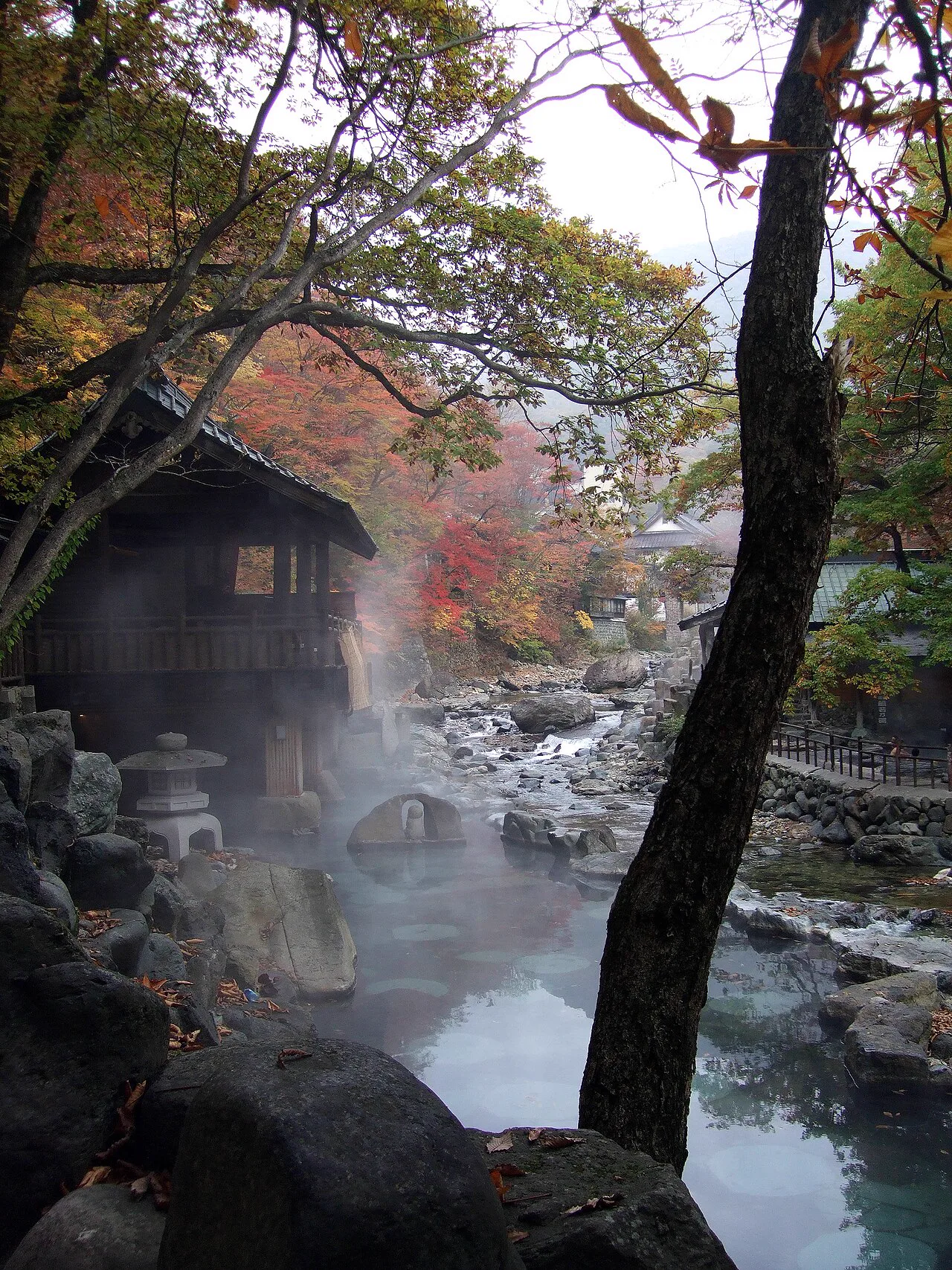
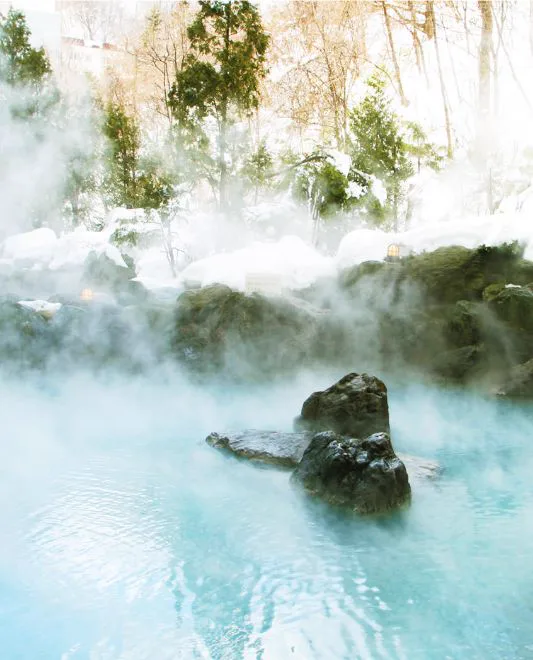
The hotel lists 31 baths across its two public bathing areas and four spring types: sulfur, sodium chloride, simple sulfur, and acidic iron. Some tubs have water added or are heated, according to the hotel. The number of baths describes the scale of the bathing complex; it does not mean every pool has a different source or mineral profile.
Bathing hours are 2 p.m.–3 a.m. and 4–9:30 a.m. The one-hour overnight closure is for cleaning and switching the men’s and women’s sides. The open-air baths close at midnight, so plan an outdoor soak before then.
A standard room includes the main reason to stay
The hotel’s regular room page lists Japanese-style rooms around 24–34 m², alongside Western-style and Japanese-Western options. These rooms do not have a private natural hot-spring bath, but guests can use the shared bathing complex. If your priority is trying several spring types, there is little reason to pay a suite premium just to access the onsen.
For families, room layout and meal plan matter more than the headline bath count. Check the occupancy, bedding and children’s meal arrangements for the exact room and dates you are booking; these can vary by plan.
The suite upgrade buys an in-room sulfur bath
Mahoroba lists six open-air-bath suite designs, each around 64 m². The hotel describes the in-room bath as sulfur spring water. Occupancy differs by room type, so confirm the selected suite’s capacity before booking.
That distinction is easy to miss: the suite does not bring all four spring types into the room. You still need the public baths to try the hotel’s other waters. Upgrade if private bathing, extra space or avoiding the shared-bath setting will materially improve your stay—not simply because “onsen room” sounds like the default choice.
Getting there and comparing the stay
Mahoroba is in the central hot-spring district. Dōnan Bus serves the route between JR Noboribetsu Station and Noboribetsu Onsen; check the stop nearest your hotel and the timetable for your travel date on the operator’s route page. For a broader choice of location, see where to stay in Noboribetsu Onsen.
If you want a smaller inn and a bookable private bath rather than a large multi-bath complex, compare Takinoya Bekkan Tamanoyu. For a day visit focused on comparing spring types, see the Noboribetsu bathing guide.
Sources
- [Hotel Mahoroba: public baths, four spring types and hours](https://h-mahoroba.jp/spa/) - [Hotel Mahoroba: standard rooms](https://h-mahoroba.jp/rooms/) - [Hotel Mahoroba: open-air-bath suites](https://h-mahoroba.jp/rooms/suite/) - [Hotel Mahoroba: meals and dining](https://h-mahoroba.jp/dishes/) - [Dōnan Bus: Noboribetsu Station–Noboribetsu Onsen route](https://www.donanbus.co.jp/map/noboribetsu_ashiyu/)Checked: September 28, 2026
Tags: Hotel Mahoroba, Hotel Mahoroba Noboribetsu, Noboribetsu Onsen hotel, Noboribetsu hot springs, Noboribetsu 31 baths, Noboribetsu spring types, sulfur spring room, Noboribetsu onsen suite, Hokkaido ryokan, Hokkaido onsen hotel, Noboribetsu family hotel, Noboribetsu accommodation, Japanese hot spring hotel, Noboribetsu travel guide, Hokkaido travel