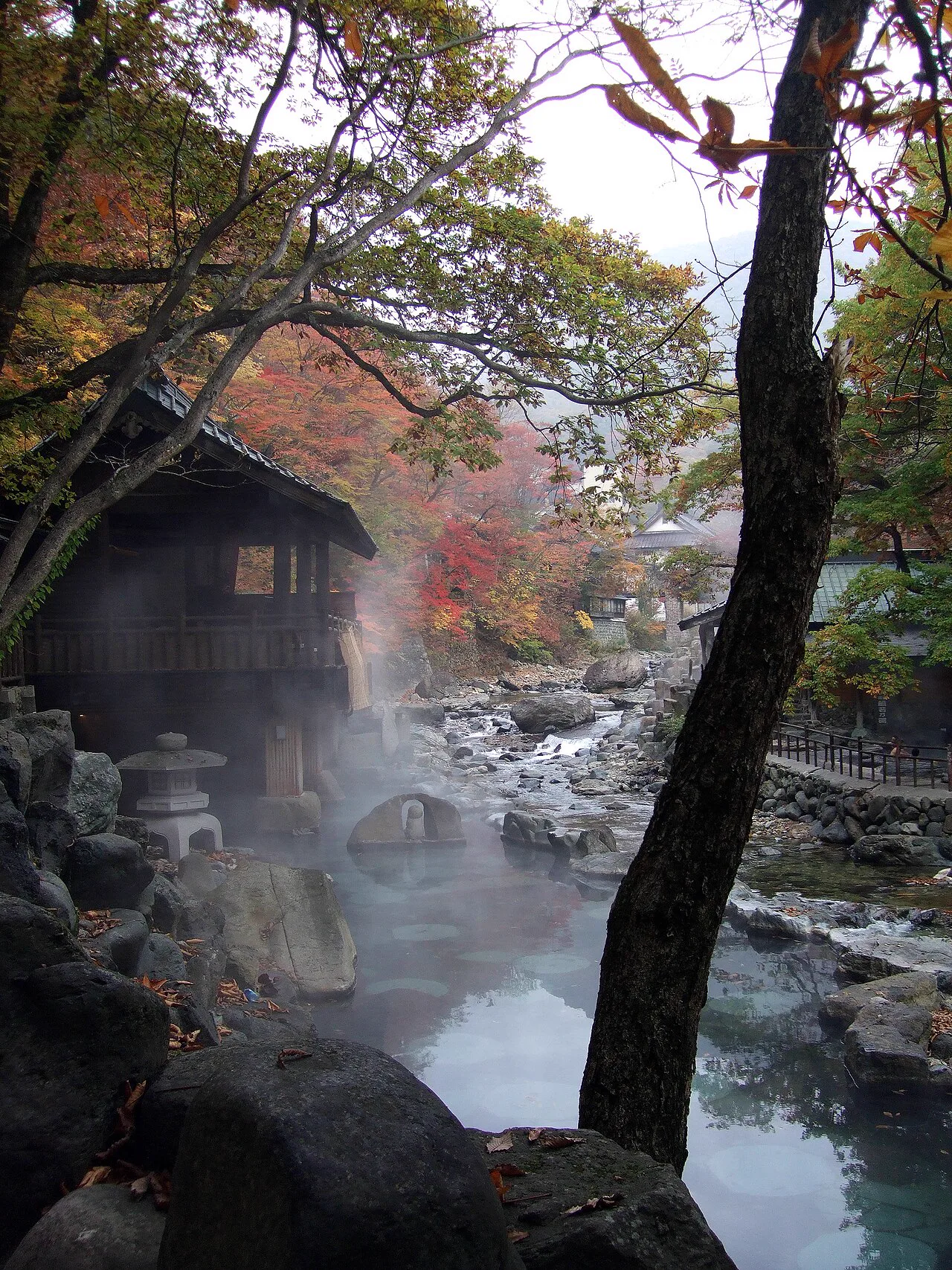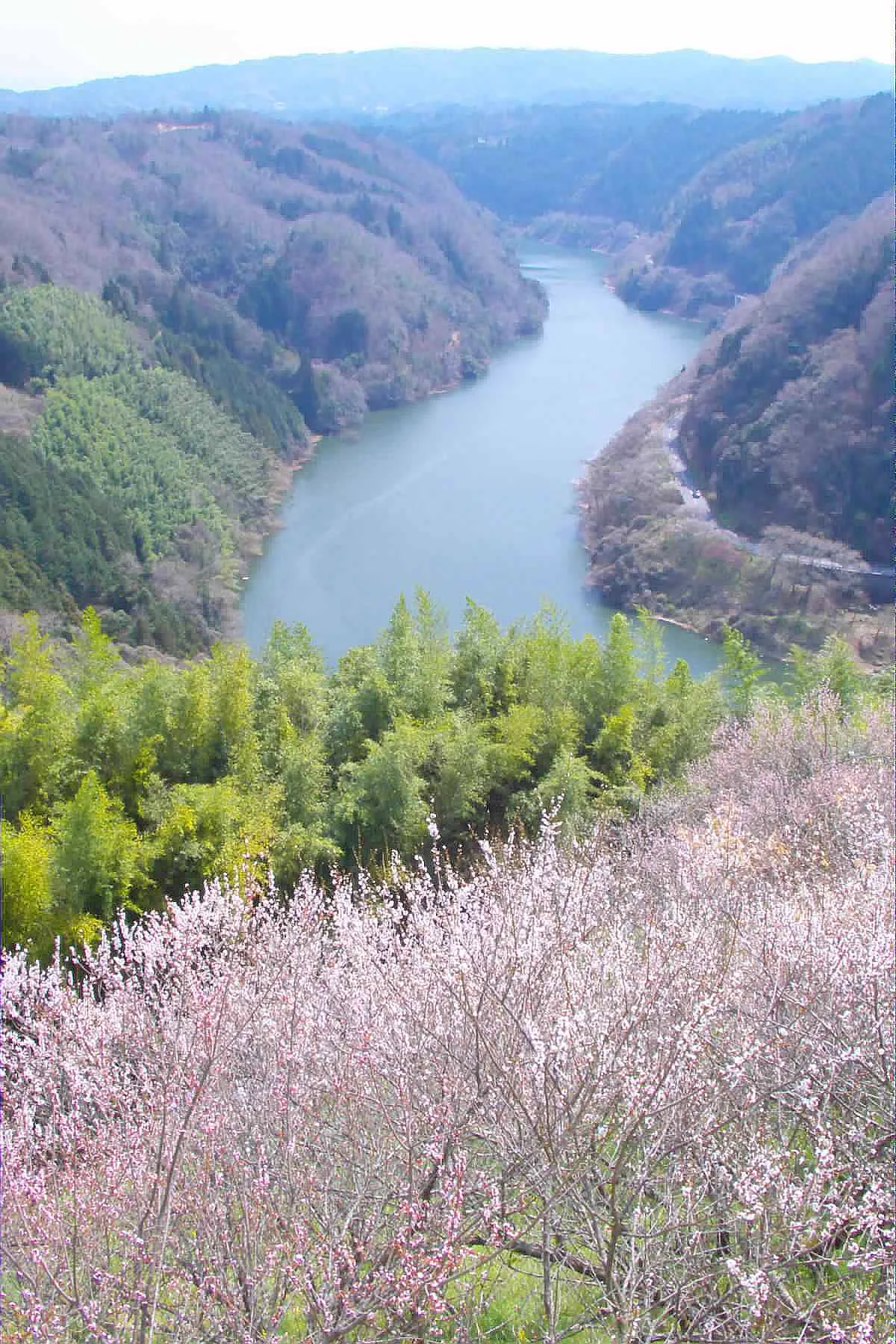
Nara Day-Use Onsen Guide: City Baths, Hot-Spring Resorts and Mountain Detours
Compare Nara's city bathhouses, resort-style complexes and rural onsen by price, location and transport, with practical options for car-free visits.
Updated: 2026-09-27
Checked: 2026-09-27
If you’re staying around Nara City and only have an hour or two, Yurara no Yu Nara is the simplest place to start. For a bigger bathing complex, compare Nijinoyu Nishiyamato; for a lower-priced natural hot spring with a daytime shuttle, look at Miharuen. Tsukigase Onsen and Yamabatoyu make more sense as part of a half-day trip, especially if you have a car. Nara’s baths are spread across a wide area, so the nearest useful option often beats the one with the most impressive spring-water description.
| What you want | Start here | Current adult admission | The catch |
|---|---|---|---|
| A bath after sightseeing in Nara City | Yurara no Yu Nara | ¥850 weekdays; ¥910 weekends and holidays | Not a walk-from-the-station stop; tattoos are not allowed |
| Several baths and sauna facilities | Nijinoyu Nishiyamato | ¥900 weekdays; ¥950 weekends and holidays | Better by car or bus than on foot from a rail station |
| A lower-cost natural-spring bath | Miharuen | ¥550 | Its free shuttle from Haibara Station runs during the day, not through closing time |
| A scenic stop in the hills | Tsukigase Onsen | ¥800 | Public transport takes planning; cash only |
| A distinctive mountain hot spring | Yamabatoyu at Irinoha Onsen | ¥900 | A car is the practical choice; cash only |
Prices and operating details can change. The figures above were checked against operator pages on September 27, 2026; check the linked facility page before setting out, particularly around maintenance days and holidays.
The comparison covers five useful starting points, not every bath in the prefecture. Among the wider options, Kashihara Pokapoka Onsen is practical for a late visit around Kashihara or Asuka; Kamokimi no Yu is a Gose-area choice with reservable private baths; Himeshi no Yu is in Mitsue and restricts its two private baths to defined family or care needs. Rural baths in Soni, Higashiyoshino and the southern valleys need their own transport check.
First decide what kind of bath you’re looking for
Large urban bathing complexes such as Yurara no Yu, Nijinoyu Nishiyamato and Kashihara Pokapoka Onsen are built for a longer stop: expect several baths, sauna facilities, parking and food on site. They are useful when the bath itself is the plan, but they are not interchangeable with a quick sento visit near the old town.
Mountain and rural baths trade that range of facilities for the setting. Tsukigase, Soni, Higashiyoshino and the southern valleys are better approached as part of a drive, hike or countryside outing. Work out the return journey before you go; an inexpensive entry ticket does not make a remote bath an easy detour.
Some ryokan accept day visitors, but the public-bath hours may be shorter than the hours for overnight guests. Confirm same-day access directly rather than assuming that a listed hotel bath is open to non-guests.
Public bathhouses, or sento, are another category. A sento is not automatically a natural hot spring; it may be the better fit if you want a neighborhood bath rather than a spring-water facility.
Private baths are a separate decision again: a reservable room may have eligibility rules, and “private bath” does not necessarily mean an outdoor bath. The Nara private and family bath comparison covers the two clearest options.
Five useful starting points
Yurara no Yu Nara: easiest for a short city-side soak
The Nara branch is open from 7:00 a.m. to midnight, with last admission at 11:30 p.m. Adult admission is ¥850 on weekdays and ¥910 on weekends and public holidays. A rental bath-towel and face-towel set costs ¥200. The operator identifies the outdoor Suzaku bath as its natural hot spring; the carbonated bath is a separate feature, not a second natural spring.
It is a practical end to a Nara City day, though not a station-front bath. The facility’s current rules refuse entry to guests with tattoos, including imitation tattoos.
| Comfort | Variety | Cleanliness | Atmosphere | Quiet | Access | Value |
|---|---|---|---|---|---|---|
| 80 | 85 | 80 | 70 | 65 | 75 | 90 |
Nijinoyu Nishiyamato: more bathing facilities in one stop
Nijinoyu’s official guide lists hours of 10:00 a.m. to midnight. Adult admission is ¥900 on weekdays and ¥950 on weekends and holidays; face- and bath-towel rentals cost ¥200 each. Its bath pages identify specific spring-fed baths, including designated flowing-source tubs; that does not mean every bath in the complex is untreated source water. Check the operator’s live guide for special dates. The operator prohibits tattoos, including fake tattoos and tattoo stickers.
This works better as a destination in its own right than as a quick walk-in from a major station. Allow for a bus or drive, and check the route home before staying late.
| Comfort | Variety | Cleanliness | Atmosphere | Quiet | Access | Value |
|---|---|---|---|---|---|---|
| 95 | 100 | 90 | 95 | 55 | 70 | 95 |
Miharuen: an affordable bath with a useful daytime shuttle
Miharuen charges adults ¥550 for day use and is open from 10:00 a.m. to 7:45 p.m. (last admission 7:15 p.m.). Its spring is listed as sodium bicarbonate water, pH 8.9; the operator also says it is heated and circulated/filtered, so it should not be described as an untreated free-flowing spring.
The hotel’s shuttle connects with Kintetsu Haibara Station on a fixed daytime schedule: departures from the station run hourly from 10:10 a.m. to 5:10 p.m., with return departures from Miharuen from 10:00 a.m. to 5:00 p.m. It will not solve a late-evening return. The hotel’s private reservable bath is for overnight guests, not ordinary day visitors.
| Comfort | Variety | Cleanliness | Atmosphere | Quiet | Access | Value |
|---|---|---|---|---|---|---|
| 85 | 55 | 85 | 80 | 80 | 85 | 100 |
Tsukigase Onsen: make time for the countryside around it
The operator lists bathing hours of 10:30 a.m. to 8:30 p.m., with last admission at 8:00 p.m., and adult admission of ¥800. Tuesday is normally a closing day, with holiday and February–March exceptions shown in the current operating information. The facility says it accepts cash only and does not admit guests with tattoos, tattoo stickers or painted tattoos.
Its published source temperature is 30.5°C. That is the spring temperature, not the temperature of each bath; the operator does not publish enough detail to infer every tub’s treatment or temperature. The location is a better fit for a countryside half-day than a quick trip from central Nara. Check the operator’s current information before travelling.
| Comfort | Variety | Cleanliness | Atmosphere | Quiet | Access | Value |
|---|---|---|---|---|---|---|
| 85 | 80 | 85 | 95 | 80 | 45 | 85 |
Yamabatoyu: spring-water character comes with a remote location
Irinoha Onsen Yamabatoyu lists day admission at ¥900 for adults and ¥500 for children, with reception from 10:00 a.m. to 4:00 p.m. and closing at 5:00 p.m. Payment is cash only. The operator describes the bath as 100% source water with no added water. Its published source temperature is 39.6°C in the analysis and rounded to 39.0°C in the current overview; neither figure is the bathing temperature. The outdoor bath receives overflow from the indoor one and is described as cooler.
The access trade-off is substantial: plan this as a drive into the mountains and check road and operating conditions before leaving. Don’t build a tight connection around the last admission time.
| Comfort | Variety | Cleanliness | Atmosphere | Quiet | Access | Value |
|---|---|---|---|---|---|---|
| 90 | 55 | 70 | 100 | 95 | 25 | 95 |
Choosing by area
For central Nara, start with Yurara if you want a larger natural-spring complex, or with a sento if you mainly want a straightforward bath. Around Nara’s north side and Saidaiji, Yurara’s Oshikuma branch is another option. A hotel bath can work too, but only after confirming that day visitors are currently accepted.
Around Kashihara, Asuka and Gose, Kashihara Pokapoka Onsen suits a longer stay with several bathing facilities. Kamokimi no Yu is farther west, near Gose and the Katsuragi area; it has reservable private baths, but its public bath rules prohibit tattoos, including tattoo stickers. Neither is a sensible detour from Nara Park just to save a little on admission.
For Uda, Soni and Mitsue, compare Miharuen, Okame no Yu and Himeshi no Yu against your actual route. Himeshi’s family bath has eligibility requirements; it is not a general-purpose couples’ booking. For Yoshino and the southern valleys, sort out transport first, then choose a bath; a regional mountain-onsen guide can help narrow down the remote areas.
Getting around without a car
If you have only one or two hours, stay within the Nara City area. A long bus ride to a rural bath can use up more time than the soak itself. Miharuen is unusually clear about its daytime shuttle, but the return service ends well before its evening closing time. For Tsukigase or the southern mountain baths, check both directions of travel before paying attention to the admission price.
Also check the rules that can turn a promising option into a no-go: tattoos, age limits for mixed-gender bathing, cash-only payment, last admission, and whether a reservable private bath is available to day visitors. These policies are facility-specific; one bath’s rule says nothing about the next.
When comparing water details, keep source temperature separate from the temperature of a heated pool or a sauna. A published source temperature does not tell you the bathing temperature, and a facility that names a flowing-source tub may still circulate or heat water in other pools. Several closed or no-longer-ordinary day-use facilities are left out rather than presented as current recommendations.
Frequently asked questions
Which Nara onsen is easiest after visiting Nara Park?
Yurara no Yu Nara is a reasonable starting point for a longer soak, but it is not right beside the main rail stations. If you want a neighborhood bath rather than a larger facility, look for a local sento instead.
Where can I find a free-flowing spring bath?
Yamabatoyu explicitly describes its source-water supply as 100% source water without added water. Nijinoyu also identifies particular flowing-source baths, not the whole complex. Read each facility’s current description carefully; “natural hot spring” alone does not tell you how every tub is supplied.
Can I use a private bath if I have a tattoo?
Don’t assume so. A public-bath tattoo policy does not automatically establish a private-bath exception. Kamokimi’s published rules refuse guests with tattoos, including stickers. Confirm any exception with the operator before booking.
Sources
- Yurara no Yu Nara: admission, hours and rules
- Yurara no Yu Nara: baths
- Nijinoyu Nishiyamato: visitor information
- Nijinoyu Nishiyamato: baths and sauna
- Miharuen: day-use hot spring
- Miharuen: access and shuttle
- Tsukigase Onsen: official site
- Tsukigase Onsen: spring information
- Irinoha Onsen Yamabatoyu: day-use baths, rates and seasonal closures
- Irinoha Onsen Yamabatoyu: payment and access FAQs
- Kamokimi no Yu: facilities, admission and tattoo policy
- Mitsue Onsen Himeshi no Yu: official information
- Nara Health Land: admission and hours
- Nara Health Land: terms of use
- Official facility and access pages linked above; details checked September 27, 2026.
Tags: Nara onsen, Nara day-use hot springs, Nara hot spring guide, Nara sento, Nara private bath