Does a Kyoto Sento Use Natural Hot-Spring Water?
Kyoto’s Tensho-no-yu Daimon has the clearest documented natural spring among sento here; others use groundwater, artificial minerals or lack spring evidence.
A bathhouse name containing “Onsen” is not proof that its water is a natural hot spring. Among Kyoto’s ordinary sento, the strongest documented example in the current directory is Tensho-no-yu Daimon: Kyoto Prefecture lists its spring source and sodium-chloride classification, and Kyoto’s tourism federation says its outdoor bath uses the natural spring as a free-flowing source. Other bathhouses use groundwater or artificial bath minerals, or do not publish evidence of a legally defined spring.
Four useful evidence categories
| What the available information establishes | Kyoto example | What you can safely say |
|---|---|---|
| Natural hot spring documented | Tensho-no-yu Daimon | The listed source and classification apply to the documented spring and specified bath use. Do not assume every tub in the building uses that water. |
| Artificial “onsen” documented | Tron Onsen Inari-yu | The operator describes its Tron bath as an artificial bath using mineral material; its cold bath’s groundwater supply is a separate fact. |
| Groundwater documented; legal hot-spring status not established | Uzumasa Onsen, Daitokuji Onsen, Higashiyama-yu Onsen, Shinchi-yu and Hinode-yu in Maizuru | Describe the stated groundwater source or heating method, not a hot-spring classification. |
| No natural-spring evidence confirmed in the current public material reviewed | Imomatsu Onsen, Omiya Onsen, Kinugasa Onsen, Taisei Onsen, Murasakino Onsen and Ryugu Onsen, among others | A name, outdoor tub or “kakenagashi” label alone is not enough to claim a natural spring. |
These categories describe the evidence available, not the quality of the bathing experience. An ordinary hot-water bath, an artificial mineral bath or a sento using local groundwater can all be a good fit for an evening out. The point is to avoid promising a natural spring when the facility’s published information does not establish one.
What Japan’s Hot Spring Act defines
Japan’s Ministry of the Environment defines an onsen as water, mineral water, steam or gas that emerges from underground and meets at least one of the statutory criteria. One route is a source temperature of 25°C or higher. Water below that temperature can still meet the definition if it contains one of the specified substances at the required concentration.
That is why several terms should not be treated as interchangeable:
- Groundwater is a water source; it is not automatically a legally defined hot spring.
- Heating groundwater with firewood does not change its source into a natural spring.
- A cold bath supplied with flowing groundwater is not a spring-water bath.
- “Kakenagashi” describes a water-flow arrangement, not what the water is.
- An outdoor bath, medicinal bath, artificial carbonated bath or a facility name containing “Onsen” does not by itself establish a natural source.
For a bathing claim, look for the spring name, official water classification or analysis, and information identifying which bath uses it. Where those details are not published, keep the source unconfirmed rather than borrowing figures from a different facility or from the wider area.
“Kakenagashi” also needs a water-source label and a specific bath. At Tensho-no-yu Daimon, the documented outdoor bath uses natural spring water; at Higashiyama-yu Onsen, the flowing water is in the cold bath and is groundwater. Tron Onsen Inari-yu’s groundwater-fed cold bath is separate from its artificial Tron bath. The phrase describes how water flows, not whether it is a natural spring.
The clearest natural-spring example: Tensho-no-yu Daimon
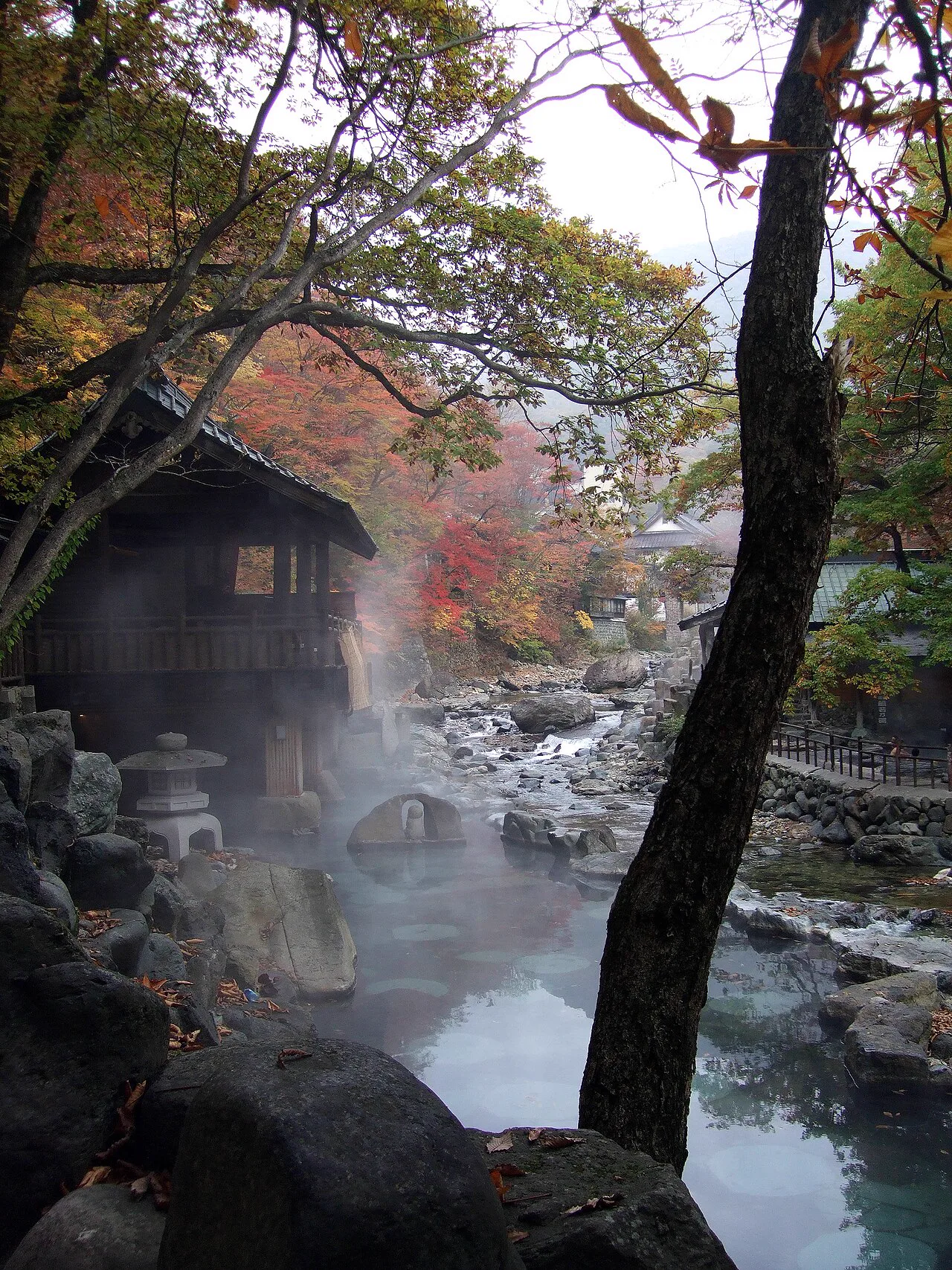
Kyoto Prefecture lists the spring as Tensho-no-yu, identifies its classification as sodium-chloride water and states that it is supplied to a public bath. The Kyoto Tourism Federation says the outdoor bath uses the natural spring and is operated as a free-flowing bath. Together, those records make Tensho-no-yu Daimon the clearest natural-spring sento example in this directory.
The evidence is specific to the documented source and outdoor bath. It does not establish that every indoor bath uses the spring. The federation’s current listing gives adult admission at ¥550, hours of 3 p.m.–midnight and Tuesday closure. Its official listing also has directions and parking information.
Groundwater can be the feature without being an onsen
Uzumasa Onsen says it pumps groundwater from the Atago-yama area and heats it slowly with firewood. The association listing describes its mist sauna and cold bath as well. That makes its water and heating method a distinctive local detail, but the material does not establish a legal hot-spring classification.
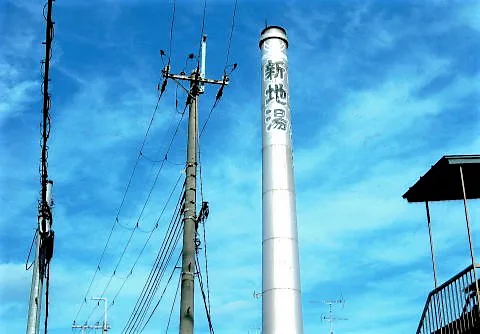
Daitokuji Onsen states that it uses natural groundwater. Higashiyama-yu Onsen specifically identifies its cold bath as a free-flowing groundwater bath; that does not mean its hot pools are spring-water baths. Shinchi-yu says it heats groundwater from the Fushimi sake-brewing area. Each statement supports a source detail, not a spring analysis.
| Bathhouse | Documented water detail | Keep the description within this limit |
|---|---|---|
| Uzumasa Onsen | Atago-area groundwater, heated with firewood | Groundwater and heating method; legal spring status not established |
| Daitokuji Onsen | Natural groundwater | Groundwater source; no published spring analysis in the current listing |
| Higashiyama-yu Onsen | Flowing groundwater in the cold bath | The cold bath’s source; not a natural-spring claim for the hot baths |
| Shinchi-yu | Groundwater associated with Fushimi’s sake district, heated for bathing | Local groundwater; no legal spring classification established |
| Hinode-yu (Maizuru) | Groundwater from the Gorogadake area, heated for bathing | Local groundwater; no legal spring classification established |
Tron Onsen Inari-yu is a different case. Its operator calls the Tron bath artificial and explains that it uses Tron bath material. It also says the cold bath is supplied with groundwater. Those details belong to separate pools; one should not be rewritten as the water source of the other.
How to choose a bathhouse
If a documented natural spring is essential, start with Tensho-no-yu Daimon and verify which bath uses the spring. For an interest in groundwater or wood-fired heating, Uzumasa Onsen, Daitokuji Onsen, Higashiyama-yu Onsen or Shinchi-yu may be more relevant, without calling them natural hot springs. If you are choosing for sauna, outdoor bathing, opening hours or location, filter by those features instead. The 82-entry Kyoto sento directory and the Funaoka Onsen, Umeyu and Gokoyu comparison help with those practical choices.
Before visiting, check the bathhouse’s current hours, closing day, tattoo policy, towel availability, child rules and return transport. A correct water-source label answers only one part of the trip-planning question.