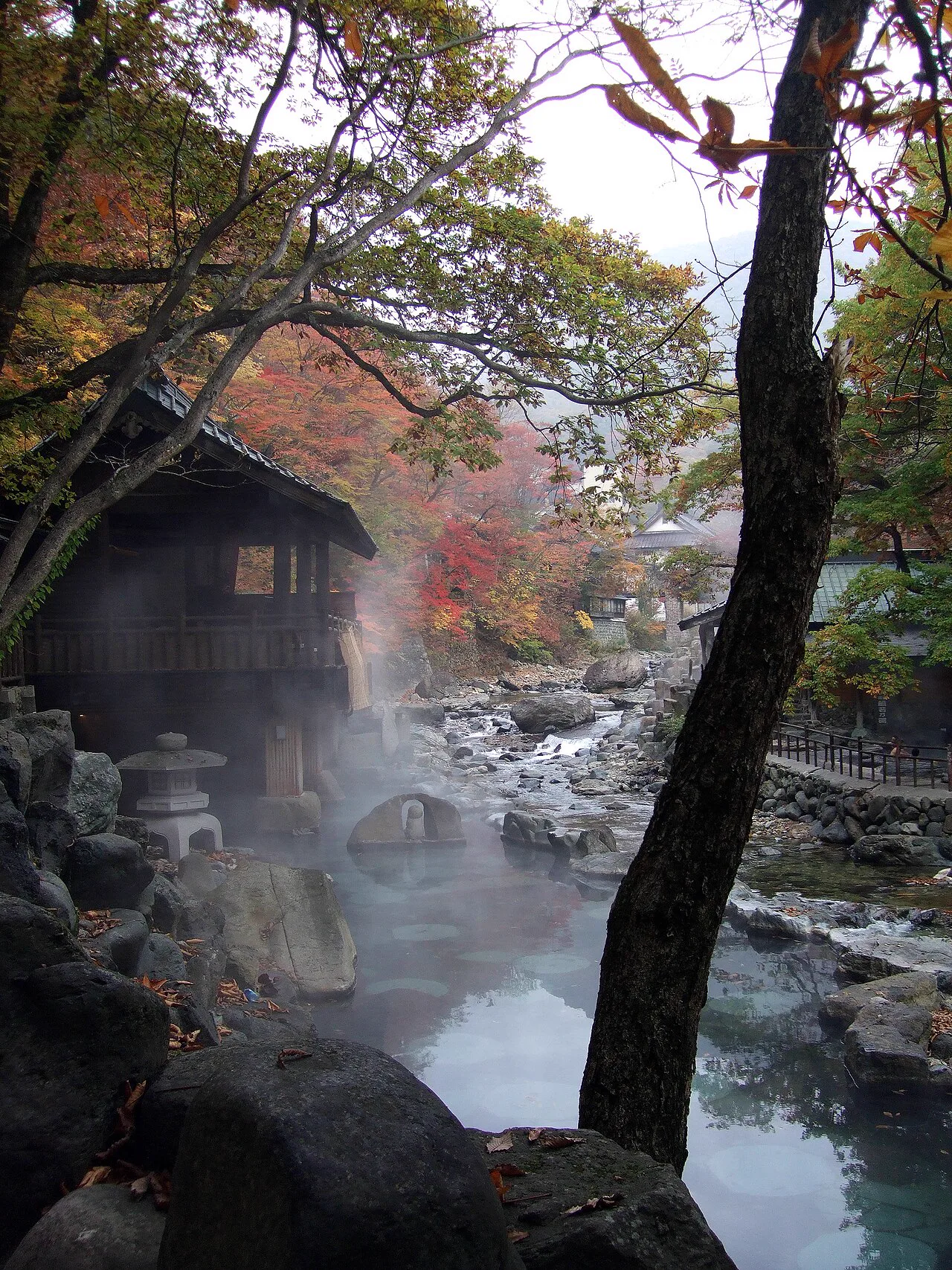
Which Kyoto Sento Should You Choose? Funaoka Onsen, Umeyu or Gokoyu
Compare Kyoto’s Funaoka Onsen, Sauna no Umeyu and Goko-yu by hours, baths and extras; each charges ¥550, but their schedules and locations differ.
Choose Funaoka Onsen for its historic bathhouse architecture, Sauna no Umeyu when you need an early or very late soak, and Gokoyu if you want several baths and sauna options under one roof. All three list adult admission at ¥550, but they do not offer the same schedule or extras.
At a glance
| Funaoka Onsen | Sauna no Umeyu | Gokoyu | |
|---|---|---|---|
| Best fit | A bathhouse with distinctive historic architecture, in a Kita Ward itinerary | A morning, late-night or station-area visit | Sauna users who want multiple pools and a bedrock-bath option |
| Adult admission | ¥550 | ¥550 | ¥550 |
| Current hours | 3–11:30 p.m.; Sunday from 8 a.m.; closed Tuesday | 6 a.m.–2 a.m.; closed Thursday | Weekdays 2:30 p.m.–12:30 a.m.; Sunday 7 a.m.–midnight; holidays 11 a.m.–midnight; usually closed Monday and the third Tuesday |
| Standout equipment | Open-air bath, medicinal bath, sauna and cold bath | Deep and shallow baths, medicinal bath, dry sauna and cold bath | Multiple baths, sauna, cold bath and a bedrock-bath room by reservation |
| Getting there | Kita Ward; better paired with Nishijin or Daitokuji | About 15 minutes on foot from Kyoto Station; about 10 minutes from Kiyomizu-Gojo Station | Near Omiya-Gojo; about a 10-minute walk from Hankyu Omiya Station |
The association’s current adult bathing charge is ¥550 at each. That is the ordinary bath fee, not a promise that towels, soap, sauna extras or Gokoyu’s bedrock bath are included. If your schedule is the deciding factor, check the closing day first: Funaoka closes Tuesdays, Umeyu Thursdays, and Gokoyu Mondays plus the third Tuesday, with a calendar adjustment when the first falls on a Tuesday.
Funaoka Onsen: go for the building and bathing space
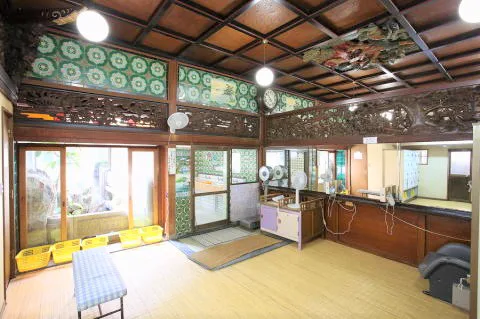
Funaoka is in Kita Ward, near the Nishijin area. The bathhouse is known for its historic interior, including carved woodwork and decorative tile; that atmosphere is the reason to make the trip. It is still an ordinary public-bath visit, not a separate museum ticket, and the name “Onsen” does not establish that its water is a natural hot spring.
The Kyoto Bathhouse Association’s listing gives weekday hours of 3–11:30 p.m., an 8 a.m. Sunday opening, and Tuesday as the weekly closing day. It also lists an open-air bath, medicinal bath, sauna and cold bath. From Kyoto Station, plan Funaoka as part of a north-western Kyoto day rather than a quick walk-in after dinner.
Umeyu: the widest time window
Sauna no Umeyu opens at 6 a.m. and stays open until 2 a.m., closing Thursdays. That makes it the easiest of these three to fit around an early train, a long sightseeing day or a late dinner. It is a neighborhood sento, not an overnight spa; 2 a.m. is closing time, not a place to sleep.
The operator lists a dry sauna, cold bath, medicinal bath and deep and shallow pools. It also publishes what is available for visitors who arrive without toiletries, but towel and product costs are separate from the ¥550 entry charge. Umeyu is about a 15-minute walk from Kyoto Station, 10 minutes from Keihan Kiyomizu-Gojo Station and three minutes from the Kawaramachi Shomen bus stop. If you have a large suitcase, sort out storage before walking over; the bathhouse is not a luggage desk.
Gokoyu: more equipment, with one book-ahead extra
Gokoyu is the pick when you want a fuller bath-and-sauna circuit. Its official listing includes several bath types, sauna, cold bath and an outdoor-style bathing area. The regular sauna is included in the ¥550 bath fee. Bedrock bathing is separate: the bathhouse says it requires a reservation and has its own charge in addition to admission. Confirm the price and who can use the space when booking; access can depend on existing reservations.
Normal hours are 2:30 p.m.–12:30 a.m. on weekdays, 7 a.m.–midnight on Sundays and 11 a.m.–midnight on public holidays. Holiday periods can bring special hours. The bathhouse is about two minutes from the Omiya-Gojo bus stop and around ten minutes from Hankyu Omiya Station. It lists towel rental and sales, but bring coins and check current prices for any extra you need.
Water source and tattoo rules
These three are good sento choices for different reasons, but none should be selected on the assumption that its baths are natural hot springs. Gokoyu describes mineral and functional bathing features; those do not establish a natural source. See the Kyoto natural-onsen guide if spring water is a requirement.
Kyoto’s visitor information guide marks all three as tattoo-accepting. Policies can change, so contact the bathhouse before travelling if tattoo access is essential to your plan. For more options near the station, use the Kyoto Station sento guide; the full Kyoto sento directory groups the association’s listings by area.