Usagimori-no-Yu at Geto Kogen: 2026 Hours, Prices and Seasonal Access
Check Usagimori-no-Yu’s 2026 opening dates, ¥900 admission, winter shuttle fares and summer taxi access before heading up to Geto Kogen.
Checked: September 27, 2026 Usagimori-no-Yu is the hot spring inside Geto Kogen ski resort in Kitakami, Iwate. Despite the similar name, it is not the same place as the remote, winter-closed Geto Onsen farther up the valley. Usagimori is a modern mountain bath with an outdoor-view pool, a reclining bath and a far-infrared sauna. The practical catch is seasonal access: its 2026 green-season dates are limited, and there is no regular shuttle from Kitakami Station in summer.
Check the calendar before you head uphill
For the rest of the 2026 green season, the operator lists these opening dates:
| Schedule detail | Published information |
|---|---|
| October dates | Oct 2–4, 9–12, 16–18, 23–25, and Oct 30–Nov 3 |
| Regular hours | 10 a.m.–10 p.m.; last admission 9:30 p.m. |
| Wednesday opening | 2 p.m. for cleaning |
The dates are a schedule, not a promise of daily summer opening. Check the resort’s current notice before making the trip, especially if you are travelling a long way to bathe. The 2026–27 winter shuttle dates and fares have been published, but the onsen page has not yet posted a confirmed winter opening period. Do not assume last season’s start date will carry over.
What you get for ¥900
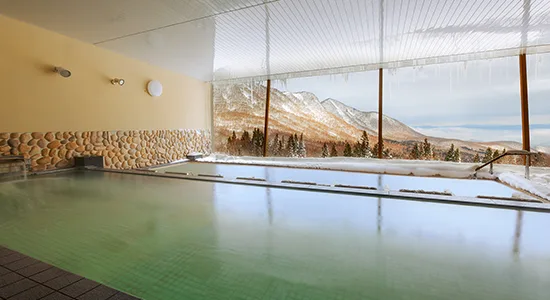
The bathing area has an indoor hot-spring bath, a scenic outdoor pool, a reclining outdoor bath and a far-infrared sauna. Set at roughly 1,000 metres, the outdoor baths look out toward Kitakami on clear days.
| Admission and update | Current terms |
|---|---|
| Adult admission | ¥900 |
| Schoolchildren | ¥500 |
| Preschool children | Free |
| Towel set rental | ¥300 |
| Wednesday opening on scheduled days | 2 p.m. |
| Older tourism listing | ¥800 adult admission; 4 p.m. Wednesday opening |
The resort’s 2026 price and opening time supersede the older tourism listing.
The operator describes the water as a weakly alkaline simple spring drawn from about 1,700 metres underground. Its current pages do not publish a fresh spring temperature, pH or flow rate, nor a detailed treatment table for each tub. Older figures should not be presented as confirmed 2026 measurements. The draw here is the highland setting and full bathing facilities, not a set of spring statistics the operator has not provided.
The resort also opens its soba restaurant on onsen operating days, generally from 11 a.m. to 3 p.m. If you are making the taxi trip in the green season, pairing the bath with lunch or another resort activity makes more sense than travelling up for a short soak alone.
Green season and ski season need different transport plans
In the green season, visitors arriving by Shinkansen need a taxi from JR Kitakami Station or a rental car; no regular summer shuttle is listed. A taxi can make a solo visit expensive, so combine the trip with camping, the gondola or another resort activity.
Winter is easier to combine with skiing because the bath is inside the resort. For scheduled shuttle days, the 2026–27 bus takes cash only.
| Shuttle fare | One way |
|---|---|
| Adults from Kitakami Station and earlier stops | ¥1,000 |
| Adults from designated stops nearer the resort | ¥500 |
| High-school students and younger | Free |
| International visitors aged 17 or under | Free |
That puts a basic adult return trip from Kitakami Station at ¥2,900 for the shuttle and bath, before towel rental or food. This is still a practical post-ski stop if you are already using the resort bus. It is a different proposition if the hot spring is your only reason for going.
The shuttle stops along the main road at some intermediate hot springs; it does not go to their front doors. Do not mistake a stop named for a nearby inn for a drop-off at the entrance. Check the route map and walk from the actual stop if you are adding another bath to the day.
Choose Usagimori for the resort setting, not the old mountain-spa experience
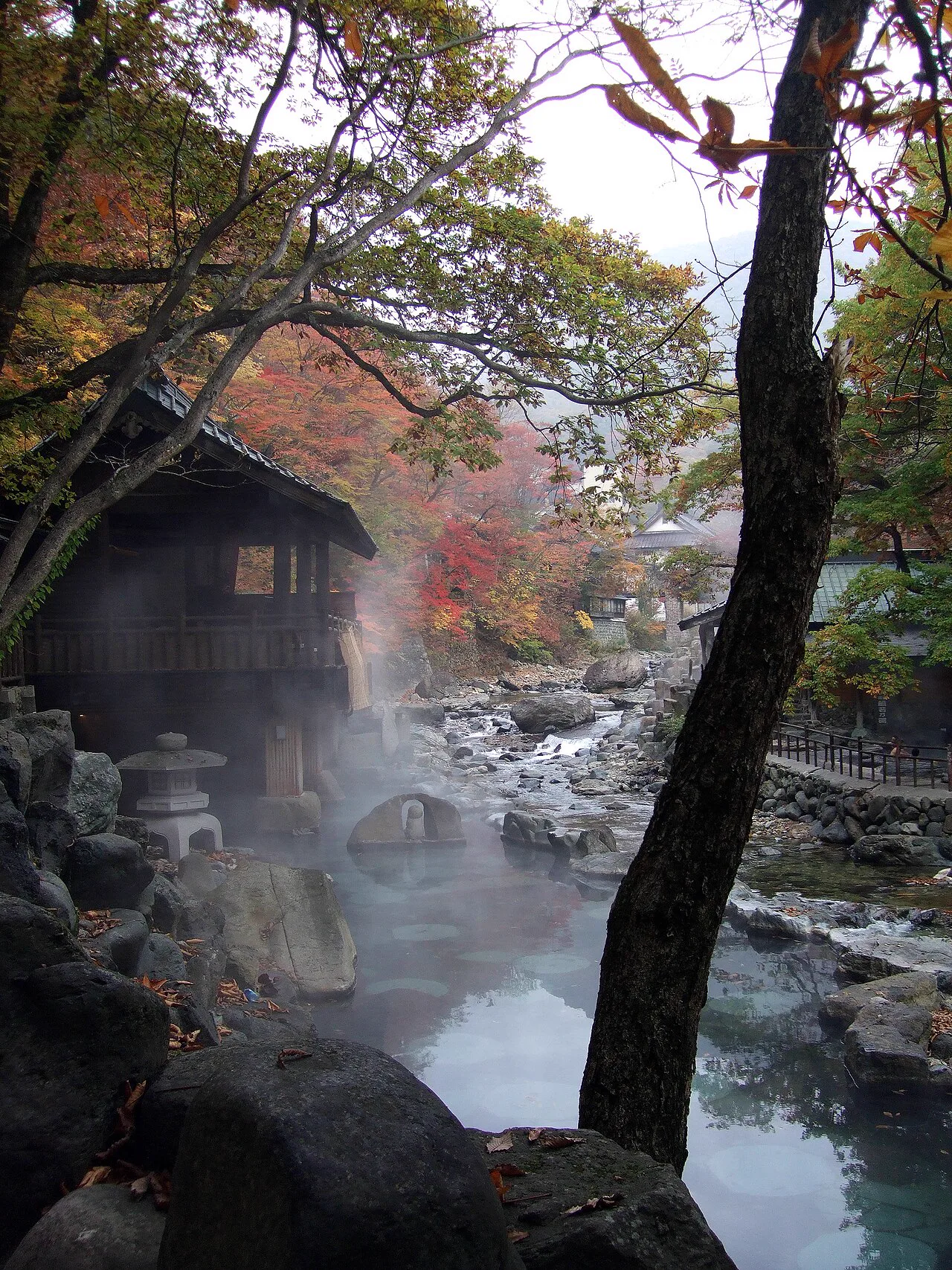
Usagimori has showers, a sauna and a spacious outdoor bath, which makes it an easy recovery stop after skiing or a day outdoors. It is not the right choice if you are looking for the historic therapeutic-bathing culture of Motoyu Geto, riverside mixed bathing or a handful of small spring-fed pools. Those are different facilities with different roads, opening seasons and water sources.
For a straightforward winter visit, the resort bath is most convenient after skiing, when the shuttle is already part of your day. In autumn, verify the specific opening date and sort out the taxi before leaving Kitakami. If you are comparing the older mountain inns instead, see our day-use guide to Geto Onsen.