Is Kansuizawa Onsen at Berjaya Hakkoda Back in Service?
Berjaya Hakkoda’s main bath uses heated groundwater, not its spring. Flow fell after the 2025 quake; no restoration notice is posted.
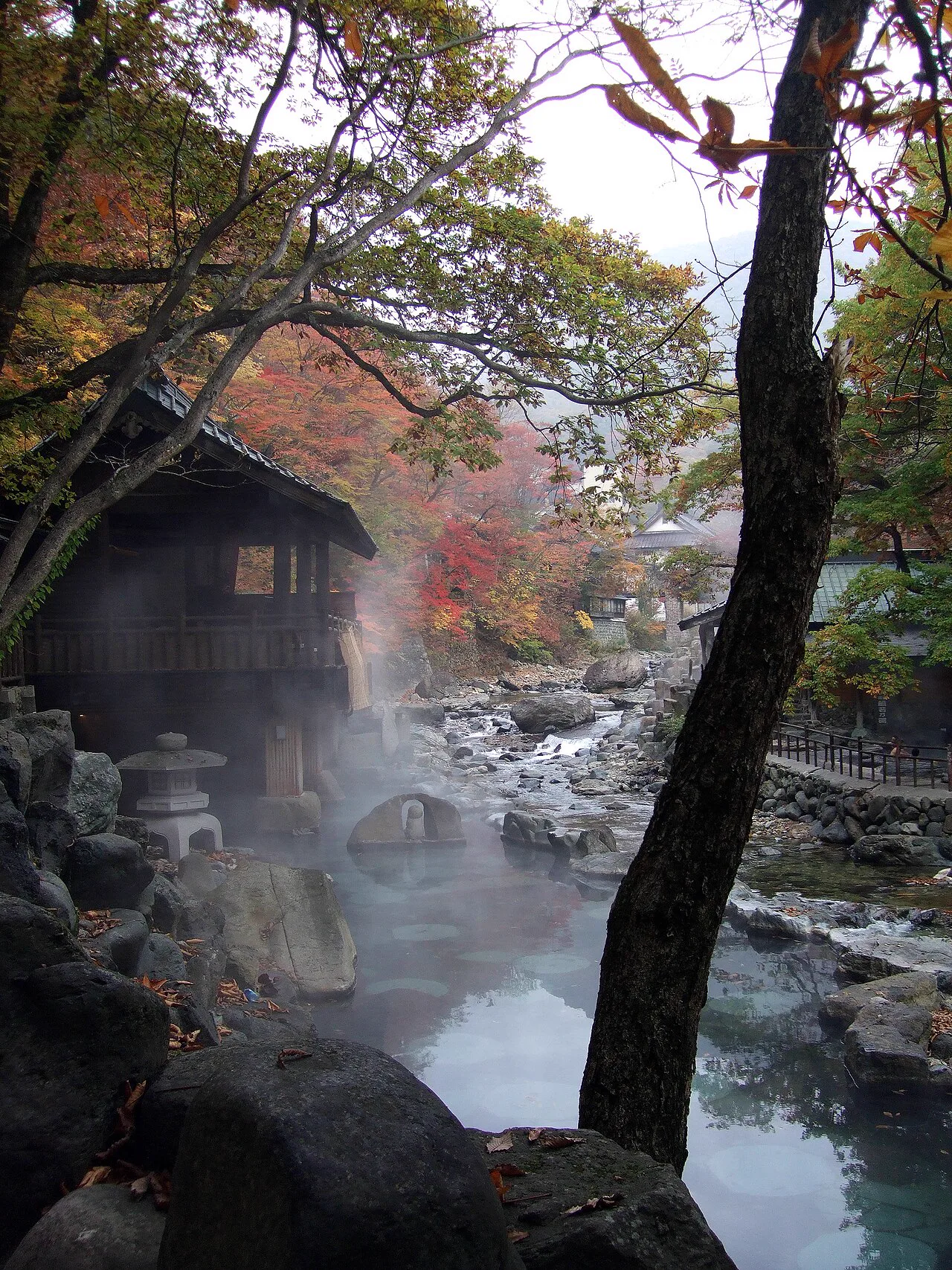
As of 27 September 2026, the main bath at Berjaya Hakkoda Ski Resort is still using heated groundwater. The Kansuizawa spring itself has not disappeared; its flow dropped after the earthquake off Aomori on 8 December 2025, leaving too little water for the resort’s normal bath supply. The resort’s latest notice says it plans to investigate after the 2026 snowmelt and is aiming to restore supply. It has not posted a reopening notice.
| What you are booking for | What the current status means |
|---|---|
| A natural Kansuizawa hot-spring bath | Do not book on that assumption; the main bath is not currently using the spring |
| A bed near the Hakkoda Ropeway or ski area | The resort can still be useful as a mountain base; the bath is a heated-water facility for now |
| A walk-in day bath | Do not rely on old day-use prices or hours; contact the resort first |
The resort’s year-round-onsen page still describes the usual spring experience, but the current main-bath notice is the detail that matters for a stay now. Older booking listings, amenity databases and pre-earthquake water analyses do not establish what is in the bath today.
What is known—and what is not
The resort confirms three points: the spring source remains intact, the flow has decreased, and the main bath currently uses heated Kansuizawa groundwater. There is no published basis for calling today’s bath a blend of groundwater and spring water. The resort has not published a new spring analysis or fixed measurements for the current bath’s temperature, circulation or disinfection method.
Older references disagree about the spring’s classification, and a pre-earthquake outlet temperature is not a measurement of the groundwater bath now in use. Treat those details as historical until a new analysis and a restoration notice are available.
When the resort still makes sense
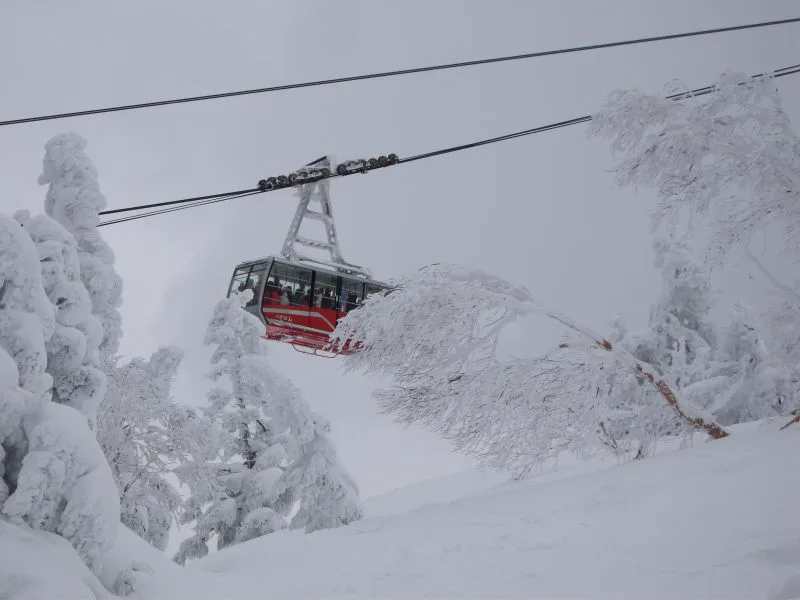
Its location near the Hakkoda Ropeway can suit a trip built around the mountain: ride the ropeway, ski or hike, then return to an indoor bath without arranging another transfer. That is a different reason to stay from seeking out Kansuizawa’s natural spring. If bathing in a natural onsen is the main point of the booking, choose another facility whose current spring supply is confirmed instead.
For a day trip, ask the resort directly whether non-guests can enter and what the current hours and charge are. Older pages have listed prices and times that may no longer apply. For the overnight route, use the current JR Bus Tohoku schedule from Aomori and confirm service for your travel date. Mountain timetables and winter road conditions are seasonal; a summer route should not be treated as a year-round guarantee.
The Asamushi and Hakkoda stay-area comparison can help if you are choosing between a coastal hot-spring town and a mountain base. Check the resort’s main-bath notice again just before booking: restoration is a changing operational status, not a fixed feature of the hotel.
Sources
- Berjaya Hakkoda Ski Resort: [current main-bath notice](https://www.berjayahotel.com/jp/hakkoda), [English resort page](https://www.berjayahotel.com/hakkoda), [year-round onsen page](https://www.berjayahotel.com/jp/experiences/hakkoda-year-round-onsen) - [Aomori Prefecture tourism guide: Berjaya Hakkoda Ski Resort](https://aomori-tourism.com/spot/detail_9299.html) - [Hakkoda Ropeway](https://hakkoda-ropeway.jp/) Checked: 2026-09-27Tags: Berjaya Hakkoda, Kansuizawa Onsen, Hakkoda hot springs, Aomori onsen status, Hakkoda travel