Zao or Ginzan Onsen in Winter? Ski Days or a Snowy Inn Street
Choose Zao for skiing, the ropeway and snow monsters, or Ginzan for a historic inn street after dark. See the 2026–27 fare and access caveats.
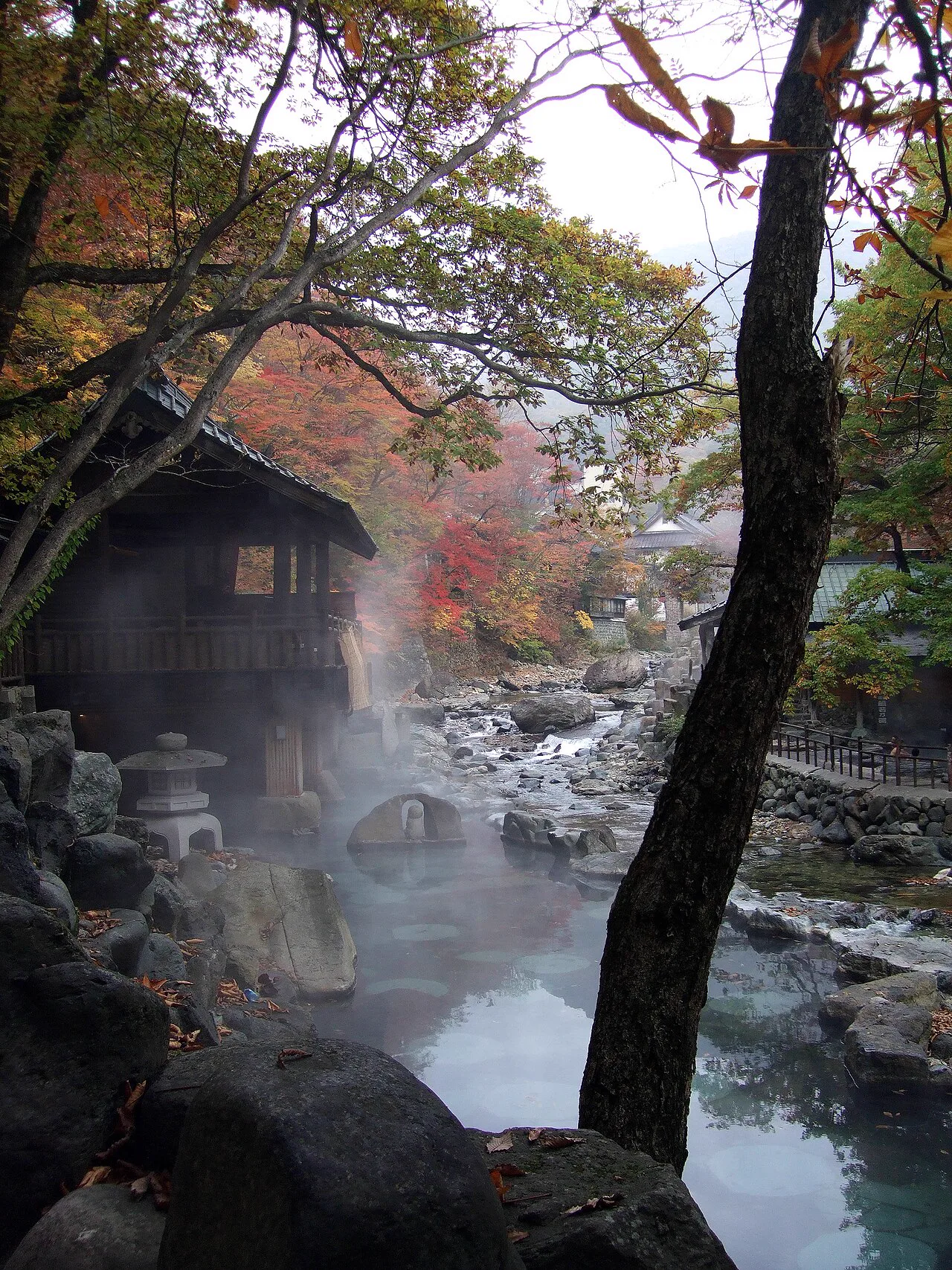
Both destinations are compelling in winter, but the snow plays a different role. In Zao it is the day’s activity: ski slopes, ropeways and the chance to see the snow monsters. In Ginzan it changes the setting of a small riverside town, where the lamps, wooden inns and evening walk are the point. With one night to spare, choose the place that matches what you actually want to do between breakfast and bedtime.
Zao gives you more to do in daylight
Zao suits a trip built around skiing or snowboarding. Its 2026–27 season is scheduled to open on December 12, 2026, weather permitting. The resort has 14 ski areas and 12 courses.
| Adult one-day lift ticket | Price |
|---|---|
| Regular period | ¥8,000 |
| Peak period | ¥9,000 |
| Spring | ¥7,000 |
Check the resort’s operating status before choosing a particular slope or ropeway.
The mountain also gives non-skiers a reason to go up: the snow-covered juhyo, or “snow monsters,” are a seasonal sight reached by ropeway. Wind, visibility and operating conditions can change the plan, so a night in Zao gives you another weather window. If the ropeway is running poorly on arrival day, you can still enjoy the onsen town and try the mountain again the following morning.
The trade-off is movement. Zao’s resort, lifts, inns and public baths are spread across a sloping area. A bus from Yamagata Station takes roughly 40 minutes, but reaching the bus terminal does not put every hotel or lift entrance at your door. For ski gear, check your lodging’s walk to the lift or its current local shuttle details before booking.
Ginzan is about being there after the day visitors leave
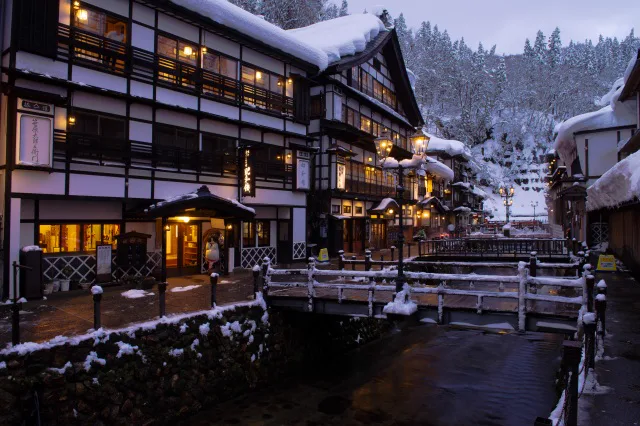
Ginzan’s winter appeal is concentrated in its short inn street: timber-fronted ryokan beside the Ginzan River, snow on the lanes and gas lamps after dusk. A day visit can show you the scenery, but staying overnight gives you time for the evening walk and an early look the next morning, without making the last bus part of the night’s schedule.
There is less to fill a full day if you are not especially interested in the townscape or a ryokan stay. Ginzan is not a ski base, and its day-use baths have limited hours and availability. The Ginzan day-trip guide covers the current choices; for an overnight, treat your inn’s bath as the dependable option and check any public bath separately.
Access: Zao is simpler by public transport; Ginzan needs a date-specific check
Zao is reached from Yamagata Station by regular buses, with the ride taking around 40 minutes. The resort has published 2026–27 fares, planned opening information and a current ski-school registration notice. The free local shuttle plan has appeared on the resort’s access pages, but operating dates and details can change. Confirm the exact route to your inn or lift rather than assuming a shuttle will stop at every property.
Ginzan has no train station. Most visitors take the Hanagasa bus from JR Oishida Station; a direct airport coach is another listed option. The current route-bus timetable runs through October 24, 2026. A separate winter schedule and the 2026–27 access arrangements have not been published yet, so last winter’s shuttle fares, priority-pass rules and dates cannot be used to plan this season.
The official Ginzan site says its approach road is narrow and advises visitors against driving into the hot-spring street. For 2026 winter visits, wait for the new dated notice before choosing a rental car, transfer or tour. Snow and delays can affect the bus connection, so keep a buffer before the last train from Oishida.
The overnight is valuable for different reasons
At Zao, a room buys time around weather and gear. Skiers can avoid repeating the trip from Yamagata City, and non-skiers can split off for the ropeway or a soak while others remain on the slopes. If your group expects to use lifts on both days, compare lodging location with equipment storage and drying arrangements; carrying wet gear downhill after closing is no fun.
At Ginzan, a room buys the evening itself. You can leave the inn for a short walk after dinner and return without watching the bus clock. Winter rooms are limited and popular, so confirm meal times and the inn’s arrival instructions before booking onward transport. If the street after dark is not a priority for you, a day trip may be enough.
Who should choose each town?
Pick Zao for a ski holiday, mountain views, juhyo or a group that needs more than one daytime activity. It also has the stronger backup plan if wind interrupts one mountain experience: skiing, onsen and town facilities are separate options, though all depend on conditions and opening hours.
Pick Ginzan for a couple’s winter stay, architectural photography or a quiet evening in a historic ryokan setting. Its compact street is easier to understand than Zao’s spread-out resort area, but snow, transfers and stairs can still make it difficult for older travellers or people with limited mobility. Ask the specific inn about room access, elevator availability and where the vehicle or shuttle drops you.
For families, Zao has more daytime activities, especially if the children ski or want to see the juhyo. Ginzan can be a lovely short stay for children who enjoy the scenery, but there is less to do in town once the walk is done. Check child meal plans and bath arrangements at the inn; do not assume a historic property has family rooms or a private bath.
What is confirmed for winter 2026–27?
Zao has posted a 2026–27 lift-price table and lists December 12 as the planned start date; actual skiing depends on snow. Its prices vary by season, so use the table for the dates you intend to ski rather than the cheapest advertised rate. Resort notices also introduce a new registration system for paid ski-school and guide operations, with more detail still due.
Ginzan’s official access guidance is currently framed as the 2026 arrangement, and its latest complete winter-specific access package remains from 2025–26. As of September 27, 2026, no dated 2026–27 schedule for private-car restrictions, shuttle fares or priority passes was found. Book the inn if the dates work, but leave day-trip transport decisions open until the new seasonal notice is published.
For another way to compare the region, see Naruko or Ginzan Onsen. The broader Owani or Asamushi comparison is a useful example of choosing an onsen town by the next leg of your route.