Zao Onsen for Sensitive Skin: Which Bath Should You Try First?
Zao’s hot springs are strongly acidic. Learn what Shinzaemon-no-Yu says about its diluted Shiroku bath, source-water pools, rinsing and entry restrictions.
If “sensitive skin” means you have a diagnosed condition or a known reaction to acidic or sulfur springs, ask a medical professional before bathing. Zao’s official tourism site lists people with sensitive skin or mucous membranes among the contraindications for its spring, and Shinzaemon-no-Yu says people with skin disease should not enter.
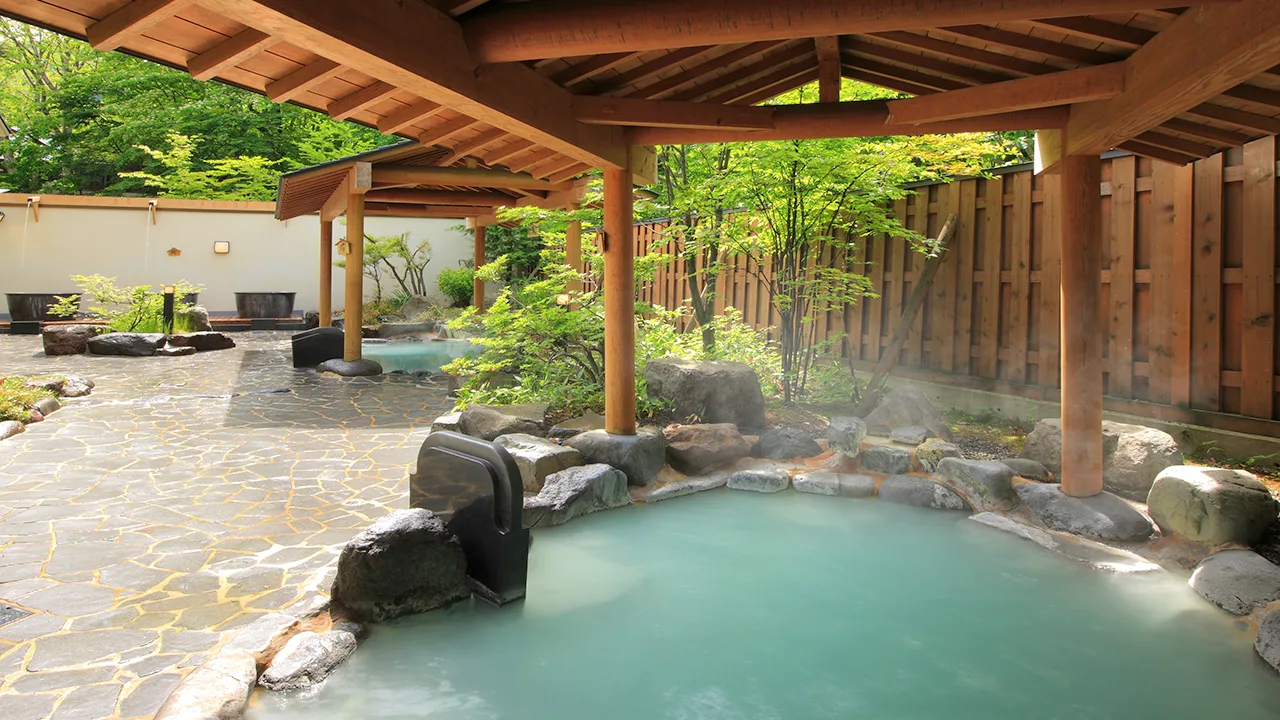
For visitors who simply have dry skin or are unsure how they will react, the useful distinction is how each pool is supplied. Shiroku-no-yu blends fresh water with the strongly acidic Zao spring. Shinzaemon-no-Yu says it does this to make the water gentler for people with weaker skin and small children. That is a description of the bath’s water treatment, not a promise that everyone will tolerate it.
Don’t confuse cool water with diluted water
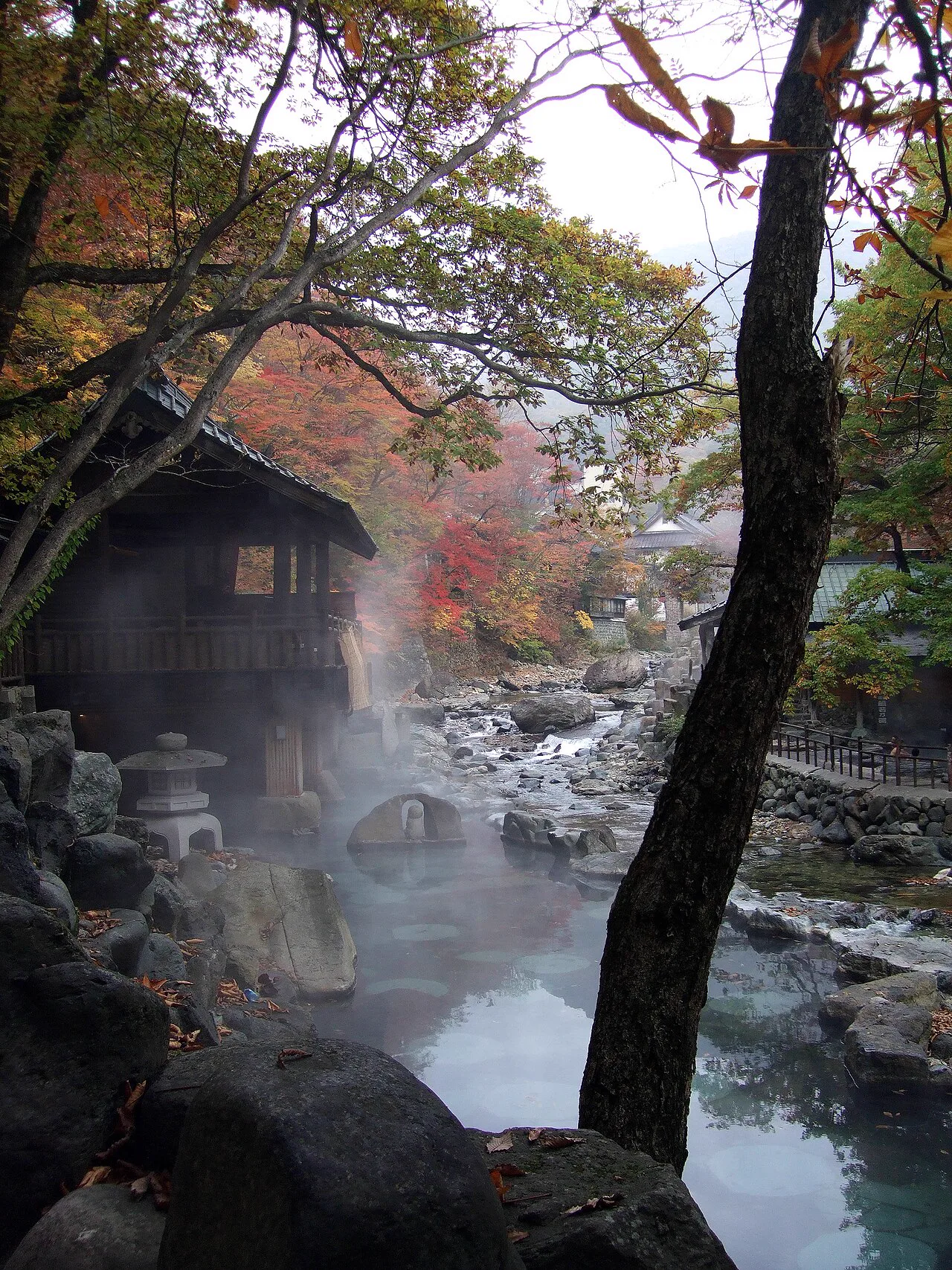
Shinzaemon-no-Yu has several outdoor pools, including source-water baths. Its cool bath is made by cooling spring water from above 50°C to around 25°C without diluting it. Lower temperature may suit someone who dislikes heat, but it does not make the spring less acidic.
The facility’s Shiroku-no-yu is the pool it explicitly describes as blended with fresh water. It does not publish a mixing ratio or a pH for the finished bath, so there is no basis for giving it a precise acidity level. The ceramic pots also use 100% source water; their different temperatures do not indicate different dilution.
There is an indoor artificial mineral bath, too. The operator says it is not a natural Zao spring. It is the most distinct alternative if you decide not to use the outdoor sulfur pools, and the facility says a final soak there or a shower can reduce the sulfur smell.
A cautious first visit
If you have no known contraindication and decide to go, start by checking the day’s rules and asking staff which baths are open. Rinse before entering, then try the softened bath briefly rather than making the source-water pools an endurance test. Get out if you feel stinging, burning or unwell; there is no benefit to staying in because you travelled a long way.
The Japan Hot Springs Association gives general bathing guidance—not a Zao-specific prescription—and advises people with weaker skin to rinse off the minerals with warm water after bathing in stimulating springs such as acidic or sulfur springs. Shinzaemon-no-Yu offers a different option for visitors who want to retain the spring minerals: lightly towel dry without showering. Its FAQ also explicitly says to use the indoor bath or shower if the sulfur smell bothers you. These are options for different preferences, not conflicting rules.
Zao’s spring description includes both skin conditions as listed indications and skin or mucous-membrane sensitivity as a contraindication. Those terms are not interchangeable, and the listing is not a personal diagnosis. If you are unsure where your condition falls, skip the bath and ask your clinician rather than trying to infer safety from a general “good for skin” claim.
Practical details at Shinzaemon-no-Yu
| Detail | Current listing, checked September 28 |
|---|---|
| Hours | 10 a.m.–6 p.m.; last admission 5:30 p.m. |
| Adult admission | ¥1,000 |
| Elementary-school child | ¥400 |
| Child aged three or older who has not started school | ¥200 |
Opening days and closures can vary by month, so check the latest notice before travelling.
Soap is allowed only in the indoor bath area, according to the facility FAQ. Tattoos are not permitted. It has no family bath; its bookable box sauna is for one person. For an overview of other day-use options in the village, see the Zao day-use onsen guide.