Kamiyu, Shimoyu or Kawarayu? Zao’s Three Public Bathhouses Compared
Compare Zao’s three public bathhouses by location, bathing style, facilities and access before choosing one or planning a short bath walk.
Zao’s three neighbourhood bathhouses charge the same amount and keep the same broad opening hours, but they are not three copies of one pool. Shimoyu is the easiest first stop from the bus terminal. Kamiyu is the larger, older bathhouse toward the upper end of the village. Kawarayu is the one to seek out for its unusual spring entry from below the wooden bath. Pick for location and bathing style, not a supposed “best” water temperature.
A quick comparison
| Bathhouse | Adult / child | Hours | Best reason to choose it |
|---|---|---|---|
| Kamiyu | ¥300 / ¥100 | 6 a.m.–10 p.m., year-round | More spacious bathhouse; convenient for the upper village |
| Shimoyu | ¥300 / ¥100 | 6 a.m.–10 p.m., year-round | Closest to the bus terminal; hand bath and footbath outside |
| Kawarayu | ¥300 / ¥100 | 6 a.m.–10 p.m., year-round | Spring water rises through the slatted floor and sides of the bath |
The official Zao site lists the same rates and hours for all three. Each is an unmanned communal bath with a payment box. Bring cash in small denominations; do not expect a staffed front desk to make change or explain the rules.
Shimoyu: the easiest stop on a bus-based visit
Shimoyu sits near the entrance to Takayu-dori and is the closest of the three to the Zao Onsen bus terminal. The prefectural tourism listing puts it at about a three-minute walk from the terminal. Outside are a hand bath and a footbath, so a companion who does not want to use the gender-separated bath can still pause nearby.
There is a toilet, but the local feature describes it as Japanese-style. If that is inconvenient, Kamiyu has a Western-style toilet. Shimoyu is the practical pick when you want to keep the walk short, especially before a bus departure. Check your return time before entering; the 10 p.m. closing time is not a substitute for the bus timetable.
Kamiyu: room to bathe and an older village setting
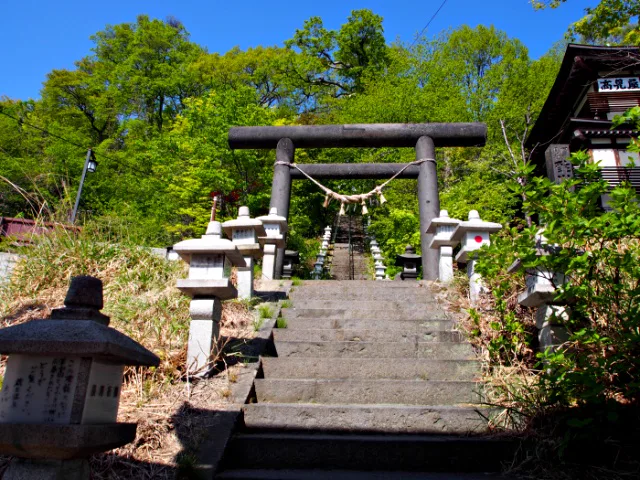
Kamiyu is farther up Takayu-dori, toward the approach to Sukawa Onsen Shrine. The local tourism feature describes it as the largest of the three. It also has a Western-style toilet, making it easier to use than Kawarayu if you need facilities before or after bathing.
Its spring label identifies the Oyu No. 1 source. The published source reading is 54.0°C; the same feature says well water is added to adjust temperature, with no reheating or recirculating filtration. A source or supply reading is not a guarantee of the pool’s exact temperature when you visit.
Kawarayu: the bath where water comes up through the floor
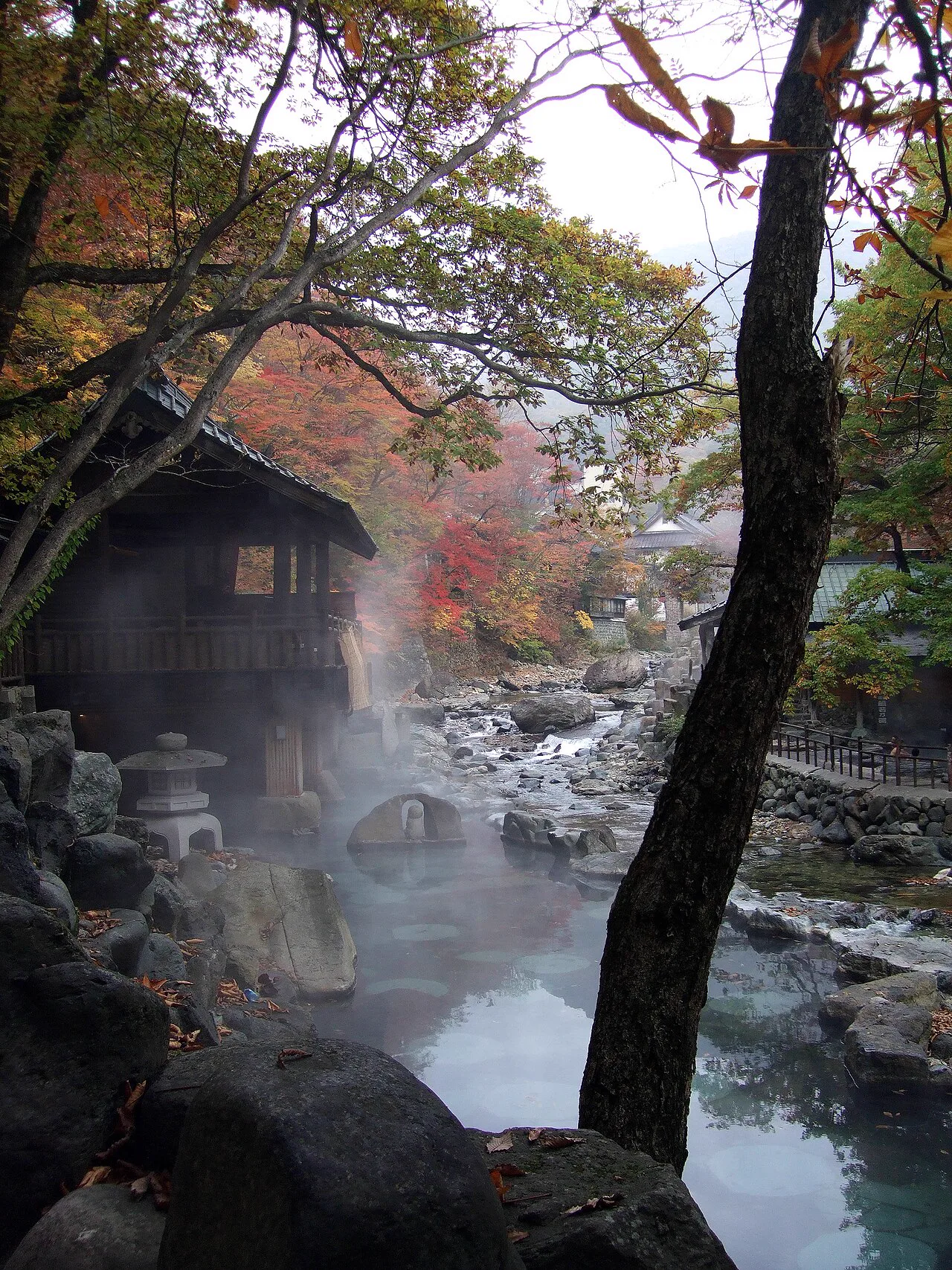
Kawarayu is on a side lane behind Takayu-dori and has no toilet. Its distinguishing feature is how the water enters the bath: the wooden floor and sides are slatted, allowing spring water to rise into the pool. That is different from the more visible inlet used at many communal baths. The spring label lists a source temperature of 42.4°C, but do not treat that as a fixed pool reading.
The name can be confused with Sunoko-no-Yu Kawaraya, a separate day-use facility that charges a different admission. Confirm the map pin and price before walking over. Kawarayu makes most sense if you are already in the village and specifically want to see this spring arrangement; for a first visit with luggage or a tight bus connection, Shimoyu is simpler.
What to know before entering any of the three
These are brief local bathhouses, not full-service spas. The rooms have a bath and changing area, but no showers or taps for washing. Rinse with the provided bucket before entering; soap is not used because Zao’s water is strongly acidic. Leave jewellery behind, as sulphur water can tarnish metal. There are no locked valuables lockers, and none of the three has a dedicated parking lot. Drivers should use designated village parking rather than a nearby inn’s private spaces.
For a first bath, choose Shimoyu if the bus terminal is your anchor, Kamiyu if you are staying higher in the village, or Kawarayu if the floor-upwelling spring is the point of the visit. There is little reason to rush through all three in one go. One bath, followed by a short village walk, is easier on the schedule and gives you time to rinse and change without hurrying.
If you need showers, shampoo or a place to rest, compare the larger facilities in this Zao day-use onsen guide. For the seasonal open-air bath, see the Dai-Rotenburo and public-bath comparison.
Sources
- Official Zao Onsen site: public bathhouses: current shared hours, seasonal status and admission.
- Yamagata official tourism: Zao public bathhouses: location and access information.
- Visit Yamagata: Kamiyu, Shimoyu and Kawarayu feature: bath differences, facilities and spring labels. This feature was published in 2020; current prices and hours above are taken from the official Zao site.
- MLIT multilingual guide: Shimoyu and Kawarayu: additional context on the communal baths.
Checked: September 28, 2026