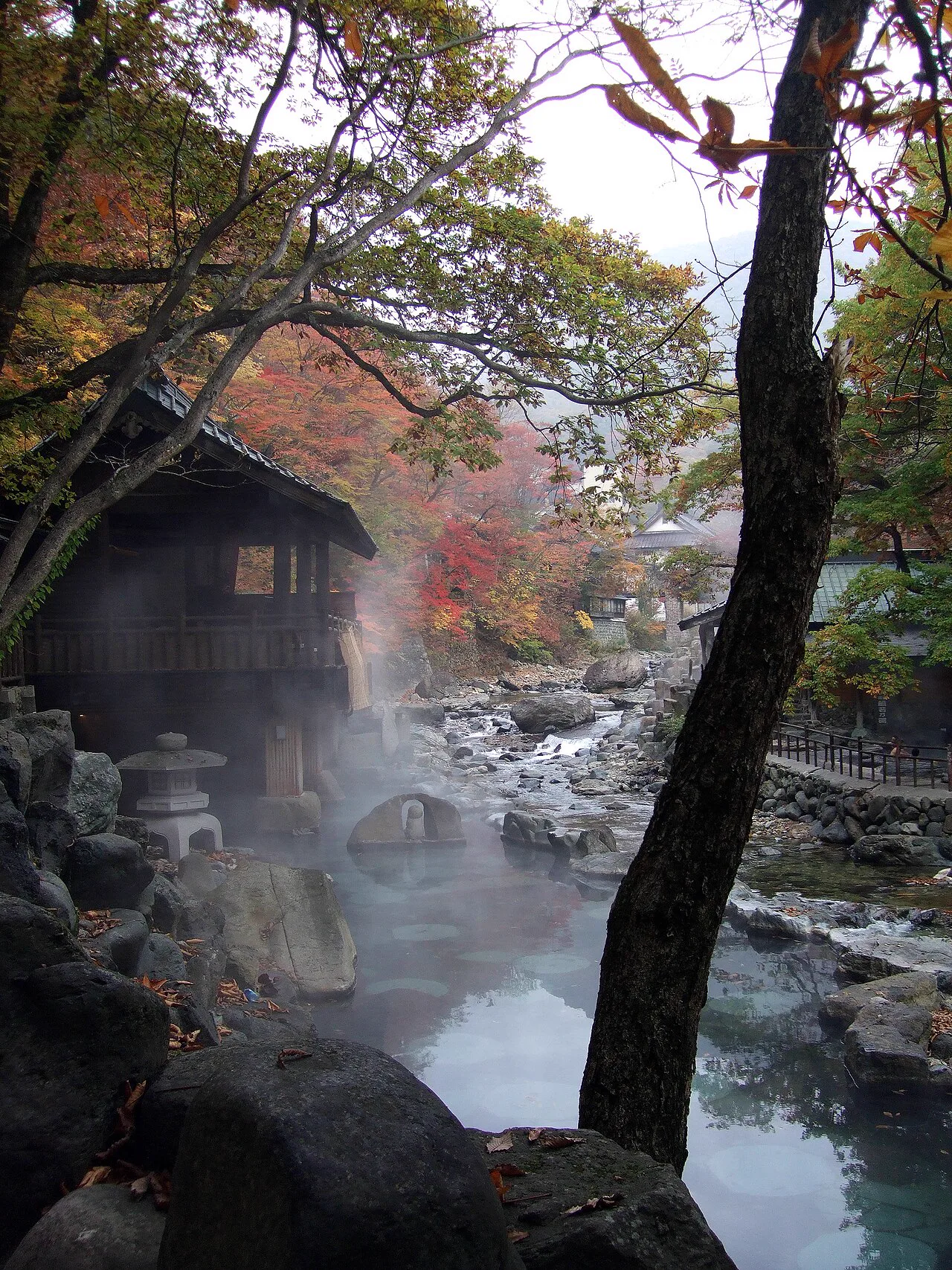
Day-Use Onsen in Hayakawa: Six Baths That Still Welcome Walk-In Visitors
Hayakawa’s directory lists eight hot-spring facilities, but only six are practical day-use options; two inns restrict bathing to overnight guests.
Checked: September 27, 2026
Hayakawa is not a place to pick a bath from an old directory and improvise the rest. The town’s June 2026 list names eight hot-spring facilities, while individual operators set very different rules for day visitors. Jotei no Yu and Shirane-kan are both in Narada, but one offers a long daily window and the other closes three weekdays. Villa Amahata, meanwhile, needs a separate transport plan if you are not driving.
The six day-use options
| Bath | Day-use hours and adult admission | What to plan around |
|---|---|---|
| Narada no Sato Onsen Jotei no Yu | 9 am–7 pm; ¥700 | No regular closing day. Thursdays from December through June are unstaffed bathing-only days; meals and staffed services are not available then. |
| Narada Onsen Shirane-kan | Weekdays 10:30 am–4 pm; weekends and holidays until 5 pm; ¥1,000 | Closed Tuesday, Thursday and Friday; last admission is 30 minutes before closing. A visit is limited to two hours. |
| Motoyu Horaikan | 10 am–3 pm; ¥1,000 | The main bath is mixed bathing. Meals require advance booking. |
| Nishiyama Onsen Yushima no Yu | 10 am–6 pm; ¥700 | Closed Thursday; July and August hours extend to 7 pm. Every bath is outdoors. |
| Healthy Misato / Kogen no Sato Onsen | April–October: weekdays 3–7 pm, weekends and holidays 10 am–7 pm; ¥700 | Closed Tuesday. Winter hours are shorter, and Tuesday and Wednesday are closing days from January through March. |
| Villa Amahata / Suzuri no Yu | 11 am–7 pm; ¥700 | Closed Thursday, with additional dates on its operating calendar. Check the current calendar before setting out. |
These are the useful day-trip choices, not a claim that every facility in town follows the same bathing policy. Keiunkan does not accept ordinary day visitors. Bunshokan’s bath is for overnight guests. Kusashio Onsen’s bath stopped operating in February 2025; the restaurant and bus-stop name that remain on some listings do not mean the bath has reopened.
Pick by the kind of stop you want
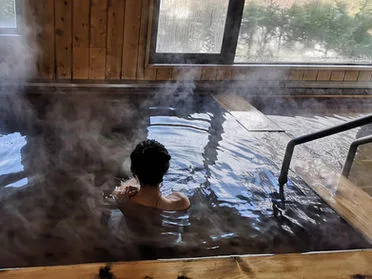
For a first visit to Narada, Jotei no Yu is the easiest bath to fit around the journey. It reopened after renovation on April 1, 2026, and its 9 am–7 pm window is longer than the nearby Shirane-kan’s. There is a rest area and a place to eat, too. The source-fed bath is cedar-lined; check the operator’s notice if you are travelling on a winter Thursday, when bathing continues without the usual staffed services.
Shirane-kan suits a more focused visit. Its sulfur spring can change from clear to green or cloudy, and the operator publishes a 2026 analysis sheet. That distinctive water comes with tighter logistics: a two-hour stay limit, no meal service, cash-only payment and no towel rental. Its bathing hours differ between weekdays and weekends, so use the operator calendar rather than assuming a daily schedule.
Horaikan is the traditional option. Hayakawa Town lists a mixed communal bath and source-flowing water; the inn says women can ask the proprietress to have other bathers wait while they use the bath. That is an arrangement at the inn, not a bookable private bath. Day use is listed from 10 am to 3 pm, and meals need to be reserved.
Yushima no Yu is the straightforward outdoor choice: all its baths are outside and fed by the spring without added water or heating. Weather matters more here than at an indoor bath. Healthy Misato offers a different kind of stop in a former middle school, with a place to rest. Its spring water is cold at the source and heated for bathing; weekday day-use starts at 3 p.m.
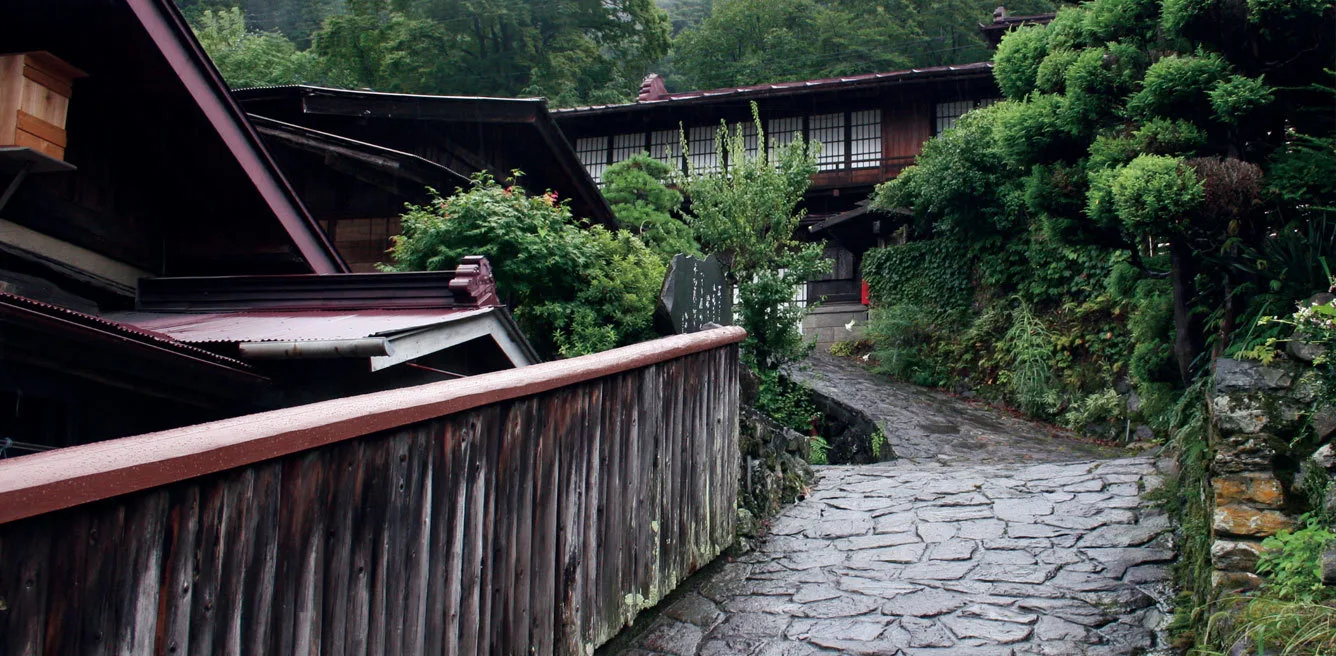
Villa Amahata fits better when the rain-sheltered mountain settlement of Amehata is already part of your route. Its bath is heated, circulated and filtered rather than source-flowing.
Getting around without a car
There is no train into Hayakawa’s hot-spring area. The town-run shared bus connects from Minobu or Shimobe-Onsen, but service is limited and the mountain road is vulnerable to weather and restrictions. Check the current timetable in both directions before choosing a bath; do not assume a late soak leaves a convenient return ride.
Narada and the Nishiyama area are on the same broad bus corridor, so a stop along that route is easier to plan than a separate detour. Villa Amahata takes more work: the town’s transport page describes a reservation-based shared taxi connection from Oshima, normally booked by 7 pm the previous day. Confirm availability and transfers directly before relying on it.
For the two Narada baths, see the Jotei no Yu and Shirane-kan comparison.