Abugawa or Tamagawa Onsen? Choosing a Day Bath Around Hagi
Compare Abugawa and Tamagawa near Hagi by price, spring type, sauna rotation, bus access and driving route before choosing a day bath.
Summary: These two public baths share the Hagi city name but sit on opposite sides of the area. Abugawa is the practical choice for a visit based around central Hagi; Tamagawa is better placed for the northern coast, roadside station, campsite and the Shimane border. Check the sauna rotation at Tamagawa if that is part of the plan.
Checked: September 27, 2026
The geography matters more than the ¥150 difference
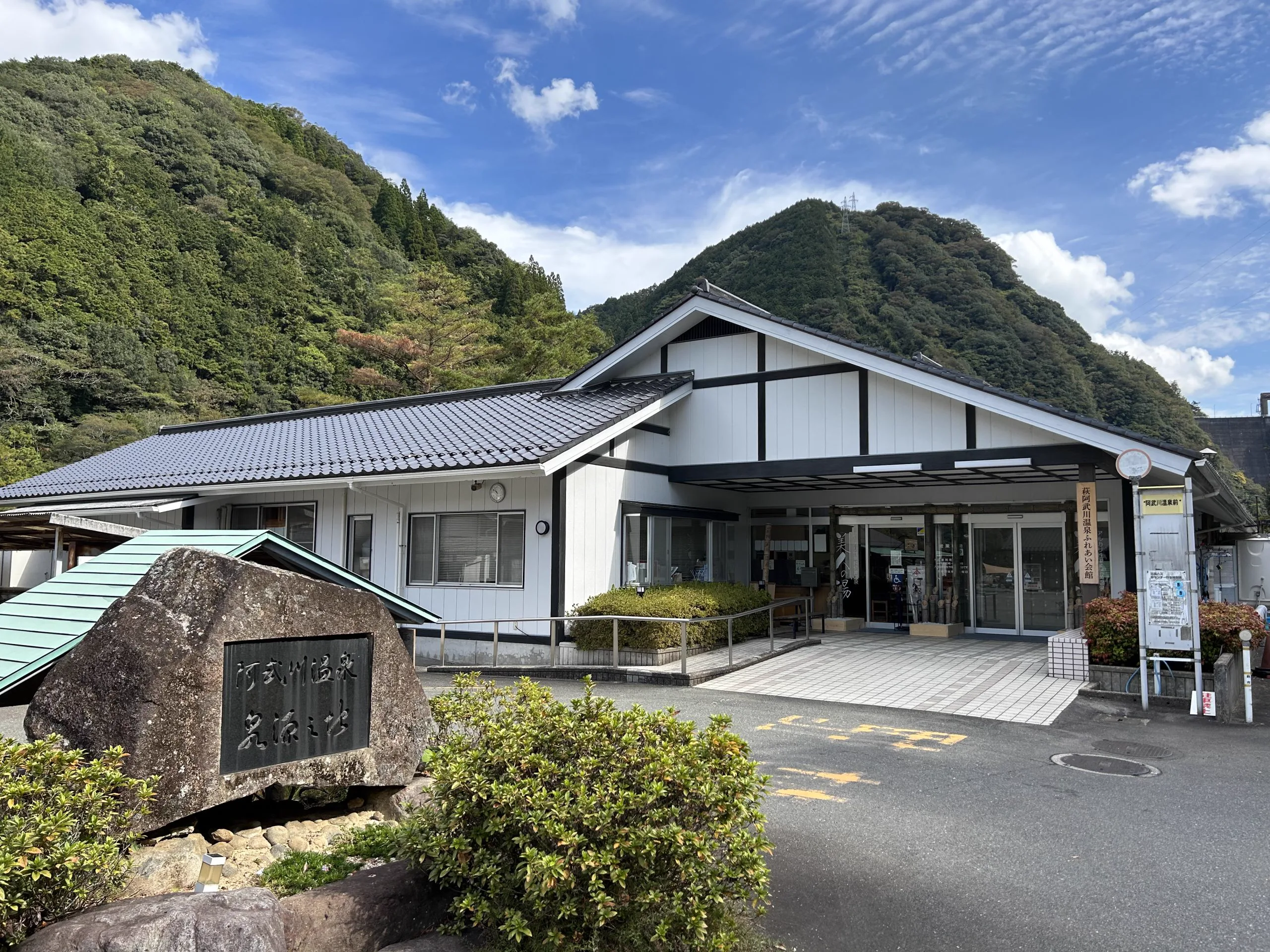
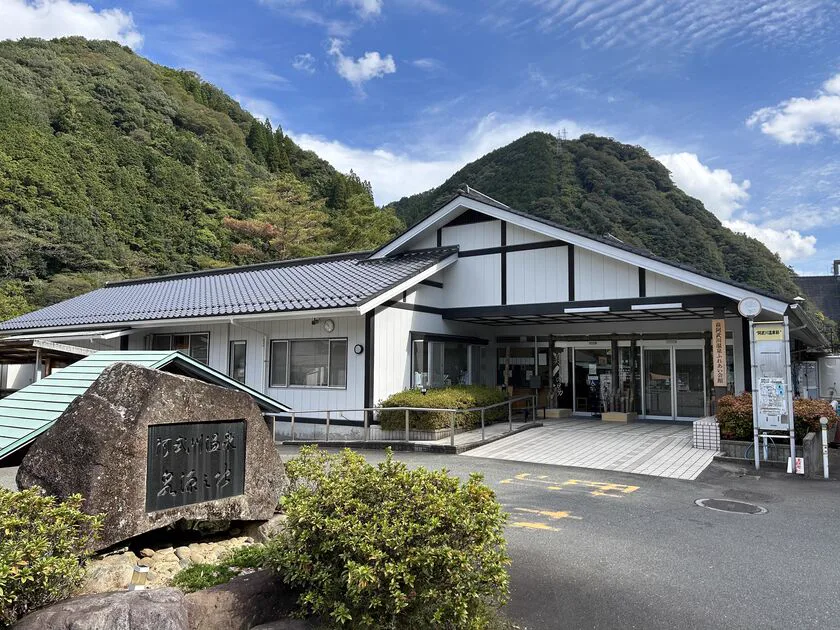
Abugawa Onsen Fureai Kaikan is in Kawakami, south of central Hagi, beside the Abugawa River. The facility uses a self-flowing spring from about 1,000 metres underground and describes the water as an alkaline simple hot spring. It has an outdoor bath, sauna, free parking for around 50 cars, and sits within a wider park area.
Tamagawa Onsen Ikoi-no-Yu is in Hagi’s far north near the Shimane border. The roadside station Yutori Park Tamagawa, a campsite with an RV park, and a beach are nearby. That makes it a natural stop on a northern coastal drive or a camping trip, but a poor detour if you are staying in central Hagi and only comparing admission prices.
Current admission and hours
| Abugawa Onsen Fureai Kaikan | Tamagawa Onsen Ikoi-no-Yu | |
|---|---|---|
| Adult admission | ¥700 | ¥550 |
| Elementary-school child | ¥300 | ¥250 |
| Younger child | ¥100 | ¥100 |
| Adult with HAGI Travel Pass | ¥600 | ¥350 |
| Hours | 10:00–20:00; last entry 19:30 | 10:00–21:00; last entry 20:30 |
| Regular closure | Tuesday, except public holidays | Monday; Tuesday if Monday is a public holiday |
| Sauna | Listed at the facility | One bathing room; rooms alternate weekly by gender |
Abugawa’s current adult fare took effect on July 1, 2026; older ¥550 listings are out of date. At Tamagawa, the sauna changes sides with the weekly room rotation, so ask which room is operating if sauna access matters. Check holiday or maintenance notices before travelling.
The springs are different, and the published numbers need context
Abugawa is an alkaline simple spring. Hagi City’s 2026 listing describes water rising unaided from about 1,000 metres, at 49 litres per minute, with pH 9.50 and a source temperature of 31.5°C. The facility’s own page still describes the outdoor bath as receiving source water at about 35°C. Those figures come from different published references; neither should be presented as a fixed bath temperature.
Tamagawa’s 2022 analysis identifies a high-mineral sodium-calcium chloride cold spring. The sample, taken after iron and manganese removal from the facility’s feed pipe, measured 20.7°C, with pH 6.8 on site and 6.9 in the lab. Its stated use volume of 13 tonnes a day is not a spring yield, so it cannot be directly compared with Abugawa’s 49 litres per minute.
Getting there without a car
Abugawa is the more workable bath from central Hagi: current listings show six buses a day from Hagi Bus Center and four from Higashi-Hagi Station. The catch is the return. The last bus toward Hagi leaves at about 18:08, well before the bath closes at 20:00, so build the soak around that departure rather than the posted closing time.
Tamagawa makes more sense from Masuda or the northern coast. It is about 20 minutes by car from Masuda and roughly 50 minutes from central Hagi; JR Esaki Station is around a 15-minute walk from the roadside-station area. Iwami Kotsu buses also serve the roadside station and onsen. Confirm the timetable for your travel date, as service frequency is limited.
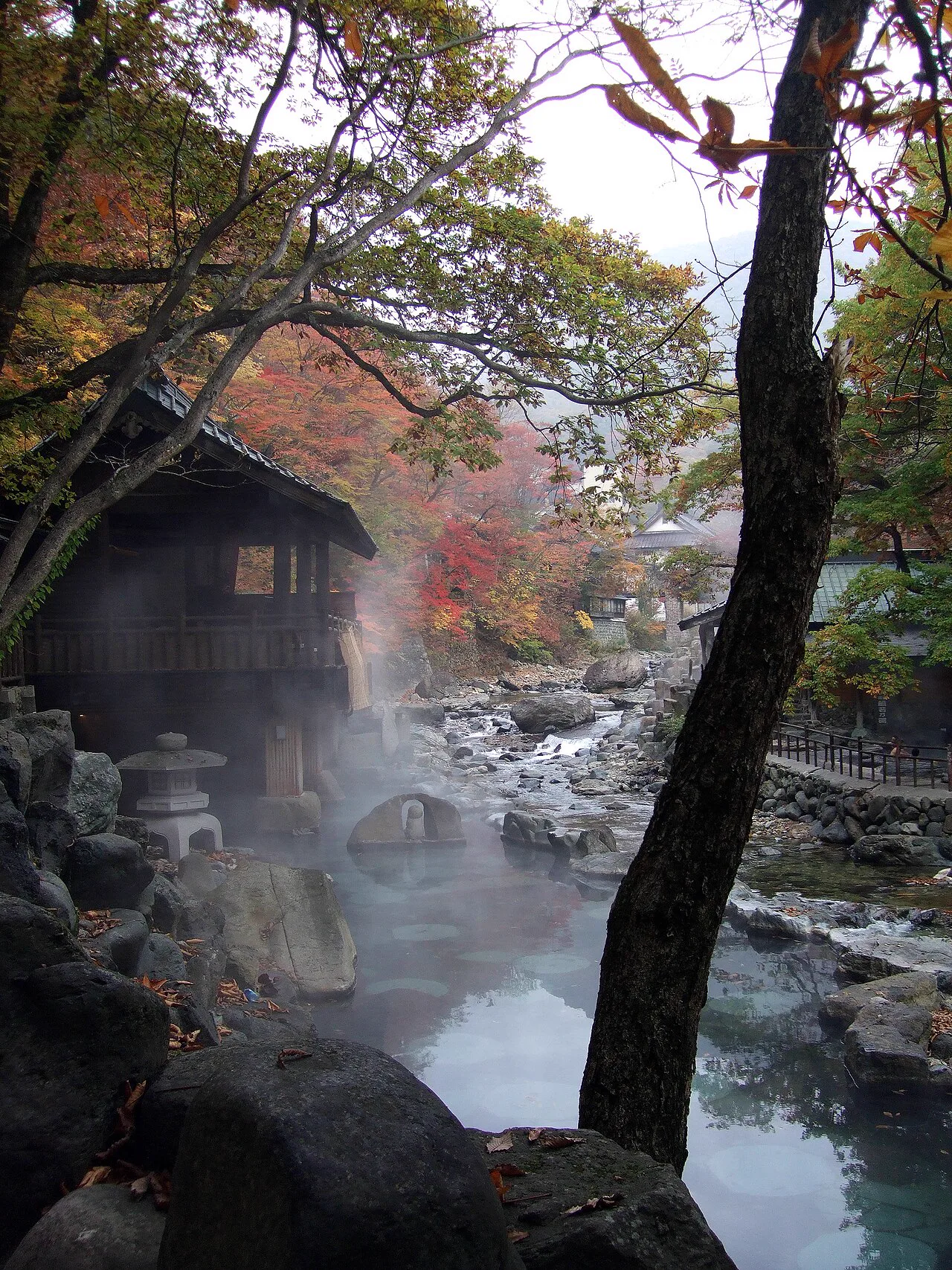
The landscape is part of the choice: Abugawa sits in a river valley with wooded hills and an onsen park, while Tamagawa’s garden-style outdoor bath sits among farmland, the roadside station, campground and RV park. If your route already runs along National Route 191 toward Susa, Masuda or Hagi-Iwami Airport, Tamagawa is a useful stop. Driving nearly an hour north from central Hagi just to save ¥150 usually is not.
Which one fits your route?
Choose Abugawa when your day is centred on Hagi town, or when you want a river-and-hills setting without driving all the way north. It is also the more straightforward choice if a sauna is a priority and you are visiting the Hagi side of the region.
Choose Tamagawa if you are heading toward Masuda, Susa, the northern coast, or staying at the nearby campground or RV park. Its later closing time gives a little more room after a day outdoors. The bath’s location is the reason to go; the lower admission is a bonus.
If you are travelling without a car, check the exact bus timetable for your date and direction before deciding. The facilities are outside central Hagi, and a closing time later than the last bus will not help with the return journey.
Compare location, closing time and the sauna arrangement before setting out.