Unazuki Onsen Day-Use Baths: Which One Fits Your Trip?
Compare Unazuki’s ¥510 station-side bath, seasonal lakeside Tochi-no-yu and Yamanoha’s short afternoon day-use window by transport and timing.
You can soak in Unazuki without staying overnight, but the three main options solve different problems. Yumedomokoro Unazuki is the easy station-side bath. Tochi-no-yu trades a remote lakeside setting for extra travel time and seasonal access. Yamanoha gives day visitors a ryokan-scale bath and a gorge view, but only during a short afternoon window.
| Bath | Adult admission | Regular hours | Best fit |
|---|---|---|---|
| Yumedomokoro Unazuki | ¥510 | 9 a.m.–10 p.m.; last entry 9 p.m. | Rail travellers, late return from the gorge, a simple low-cost soak |
| Tochi-no-yu | ¥510 | 10 a.m.–5 p.m.; last entry 4:30 p.m. | Drivers who want a lakeside outdoor bath |
| Yamanoha | ¥1,200 weekdays; ¥1,500 weekends and holidays | Afternoon only; shorter on Saturdays | A larger hotel bath and a gorge-facing view |
Schedules can change or be suspended. Tochi-no-yu closes for winter, and Yamanoha may stop day-use entry on busy or maintenance days. Check the facility notice before setting off, especially if a bath is the reason for your trip.
If you’re travelling by train, start with Yumedomokoro
Yumedomokoro is a short walk from Toyama Chiho Railway’s Unazuki Onsen Station and stays open later than the other two baths.
| Yumedomokoro details | Current terms |
|---|---|
| Walk from station | About 2–3 minutes |
| Admission | Adults ¥510 |
| Hours | 9 a.m.–10 p.m.; last entry 9 p.m. |
| Towels | Face towel ¥300; bath towel rental ¥150 |
| Amenities | Shampoo, conditioner, body wash and hair dryer provided |
The two baths, Tsukimi-no-yu and Momo-no-yu, rotate between men and women. Its regular closure is the fourth Tuesday of each month. This is the practical choice when you want a bath near the station without tying your afternoon to a hotel’s visitor hours.
Tochi-no-yu is about the view—and the approach
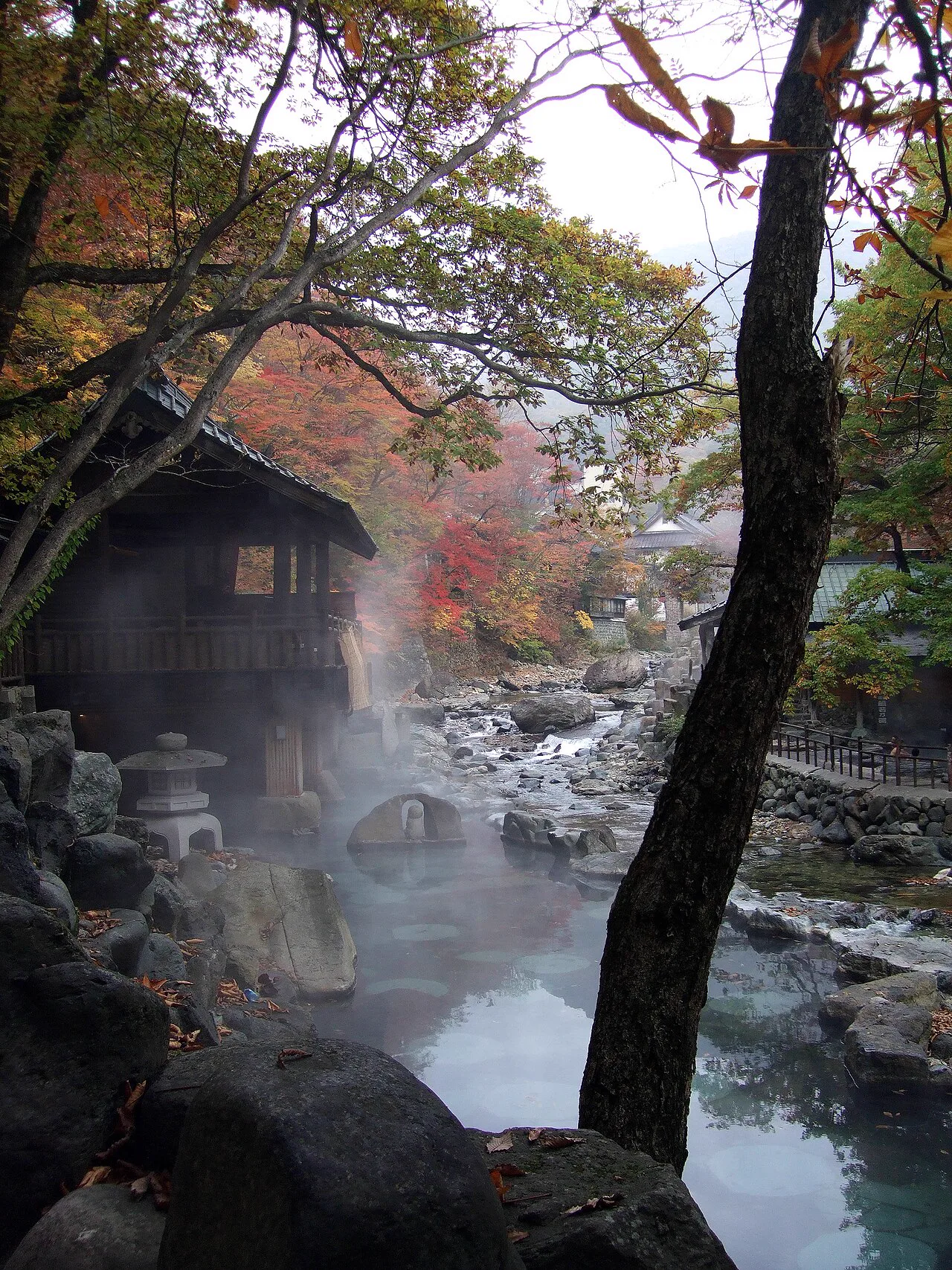
At Tochi-no-yu, the outdoor bath faces Unazuki Lake and the mountains of the Kurobe Gorge. A trolley train sometimes crosses the view on the far side, but there is no guarantee one will pass while you are bathing. The setting, rather than extra facilities, is the reason to make the trip.
The bath is about 10 minutes by car from town, with free parking for 35 cars. Walking from Unazuki Onsen Station takes about an hour each way via the Yamabiko promenade. The route is closed in winter and prohibited at night because most sections are unlit. A free, low-speed electric bus called EMU has offered a route to the dam and Tochi-no-yu, but it is seasonal; confirm the operating day and return trip before relying on it.
The regular admission is ¥510. The facility usually closes from early December until mid-to-late April, and the reopening date varies. Its latest notice at the time of this check, posted September 21, 2026, reported that power had been restored and staff were preparing to reopen around noon. The official site also lists a phone-line problem and gives an email address for enquiries. Check its latest notice before driving out.
Yamanoha costs more, but the bath is the experience
Yamanoha is about a three-minute walk from Unazuki Onsen Station. The hotel and tourism bureau list slightly different Sunday opening times, so confirm with the hotel if the half-hour affects your plan.
| Yamanoha detail | Current listing |
|---|---|
| Adult admission | ¥1,200 weekdays; ¥1,500 weekends and public holidays |
| Towels | Small rental towel included; bath towel ¥330 |
| Hotel hours | Weekdays 1–4 p.m.; Saturdays 1–3 p.m.; Sundays 1–4 p.m. |
| Tourism bureau’s Sunday opening | 1:30 p.m. |
The day-use bath is assigned by gender: women use Tanayu and men use Daikokubu. The hotel describes Tanayu as a tiered open-air bath overlooking the gorge, while Daikokubu has an outdoor bath that the hotel identifies as free-flowing spring water, with some water added for temperature control. These are not two baths that day visitors can choose between. Private baths are for overnight guests, not part of the day-use ticket, and the hotel does not admit guests with tattoos.
Yamanoha makes sense if the larger facilities and gorge-facing bath are worth paying more for. It is less useful as a late-afternoon backup: the last entry is 3 p.m. on most listed days and 2 p.m. on Saturday. Busy periods or maintenance can also affect day-use admission.
Match the bath to the rest of the day
If you are riding the gorge railway, fix that train schedule first. Yumedomokoro is the safest bath to leave until the return because it closes late and sits beside the station. Yamanoha’s short window makes it better for a day built around an early-afternoon soak. Tochi-no-yu needs a separate transport plan; do not start the one-hour walk late and expect to arrive before last entry.
For visitors without a car, the practical ranking is clear: Yumedomokoro is easiest, Yamanoha is also walkable but has limited hours, and Tochi-no-yu is possible only if you can manage the long walk or confirm seasonal transport. For drivers, Tochi-no-yu becomes much more appealing when the road is open and the weather leaves the lake and gorge in view.
None of the three offers a straightforward private day-use bath for a couple or family. Yamanoha has private baths for overnight guests, but its day-use policy excludes them. Yumedomokoro and Tochi-no-yu are shared public baths. If bathing together is essential, check a specific inn’s current day-use plan before travelling.
Sources
- Kurobe–Unazuki Onsen Tourism Bureau: day-use bath calendar and listings
- Kurobe–Unazuki Onsen Tourism Bureau: free EMU electric bus
- Yumedomokoro Unazuki: facilities, hours and prices
- Tochi-no-yu: visitor information and amenities
- Tochi-no-yu: latest notices
- Kurobe–Unazuki Onsen Tourism Bureau: Yamabiko promenade
- Yamanoha: hot springs and day-use information
- Kurobe–Unazuki Onsen Tourism Bureau: Yamanoha
- Image: Kurobe–Unazuki Onsen Tourism Bureau
Unazuki Onsen day trip / day-use onsen / Toyama hot springs / Kurobe Gorge / Yumedomokoro / Tochi-no-yu / Yamanoha