Tokachigawa Onsen Through the Seasons: When to Go and How to Plan
Plan a Tokachigawa Onsen trip around Hokkaido’s changing seasons, Obihiro bus times, day-bath hours and winter event dates.
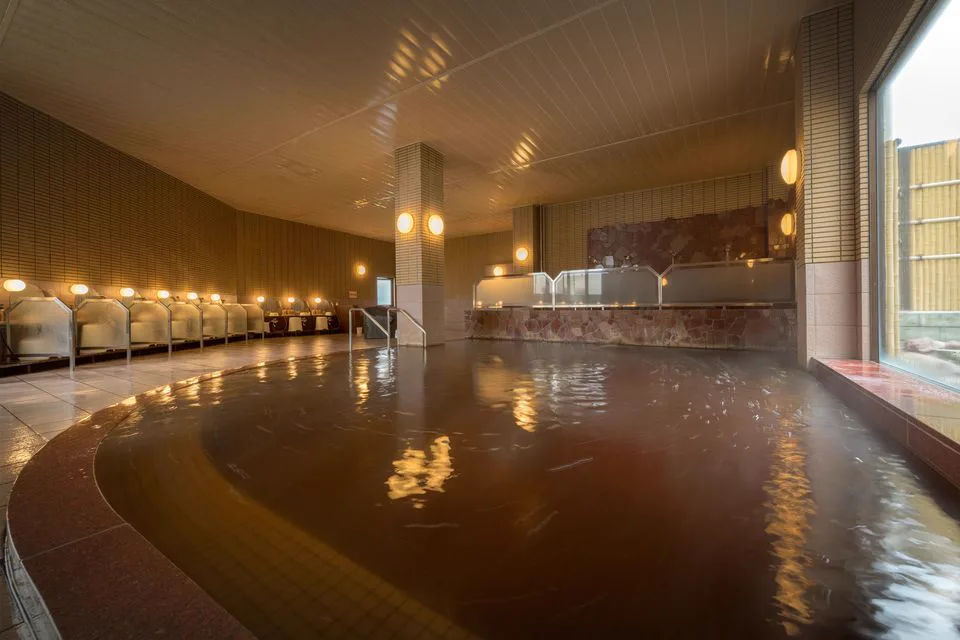
Tokachigawa Onsen works in every season, but the shape of a good day changes with the weather and the bus timetable. Spring can still feel wintry underfoot; summer gives you the longest window for outdoor plans; autumn’s early chill makes an overnight stay easier; and winter rewards a slower schedule built around the bathhouse. If you are coming from Obihiro without a car, choose your return bus before you choose your bath.
The area is known for its Moor hot spring water, but that regional label does not tell you how each hotel supplies or treats its baths. Check the facility you plan to use, especially if you are comparing day-use options.
Spring is for a short outing, not a packed road trip
March through May averages roughly -1°C to 11°C in the local tourism guide. Snow can linger, the ground may still be frozen, and mornings and evenings stay much colder than a sunny afternoon suggests. Waterproof shoes and a warm outer layer are more useful than planning around the first green fields.
For a day visit, keep the outdoor part close to the onsen area and leave the longer drive or market stop for Obihiro. A river walk is best treated as an optional stretch of the day, not a fixed appointment: shorten it if the path is icy or wet. With one night in Tokachigawa, you can arrive in the afternoon, bathe before dinner, then look for spring colour the next morning without racing a bus back to town.
There is a practical catch with day bathing. Hotel Daiheigen’s 2026 schedule starts at 3 p.m. on weekdays and 1 p.m. on weekends and holidays; the other hotels have different admission windows. Match the day and facility to your arrival rather than assuming every bath opens after lunch.
Summer leaves room for the countryside
Summer is the easiest time to combine a soak with a longer outdoor stop. Canoe and nature activities, farm visits and riverside scenery are all more plausible when the ground is clear and the days are long. Some operators run seasonal programs, though availability and weather cancellations vary, so book the activity itself before building the rest of the day around it.
Firefly viewing at Tokachigaoka Park is usually described as a short early-July season of about two weeks. That is a seasonal pattern, not a guaranteed date range: the 2026 viewing period has passed, and a 2027 schedule was not available on 27 September 2026. Check the organizer’s notice for the year you travel. A late evening event also makes the return-bus question more important; an overnight stay avoids turning the last part of the night into a transfer problem.
If you only want a bath and a look around the roadside area, a day trip from Obihiro can work. If the plan includes a timed outdoor activity, dinner, or evening fireflies, staying in Tokachigawa buys much more breathing room.
Autumn: the new local bus helps with Otofuke, not Obihiro
September to November cools quickly. The official seasonal guide gives an average range of about 16°C to 3°C, so a mild afternoon can give way to a cold walk after sunset. Harvest scenery and local food make a natural daytime stop, but set a return time before dinner rather than squeezing a final viewpoint into the fading light.
Starting 1 October 2026, Michibus links Roadside Station Garden Spa Tokachigawa Onsen with Roadside Station Otofuke Natsuzora no Furusato via Otofuke’s shopping and dining corridor and Yotsuba Dairy. It does not serve JR Obihiro Station; Tokachi Bus Route 45 remains the direct bus between Obihiro and the onsen area.
| Michibus fare | Reference conversion |
|---|---|
| ¥150–¥600 | About HK$8–HK$30 / NT$31–NT$123 |
Guests at participating Otofuke lodging properties may qualify for a free pass. Check eligibility and the timetable before travelling.
The 2026 autumn event dates were not available on the tourism association’s seasonal pages when checked. Confirm the festival calendar for your travel year before booking around an event.
Winter is the strongest reason to stay overnight
The official winter guide puts December–February averages between -1°C and -7.5°C, and notes that temperatures in the valley can fall to -30°C or below. Cold, clear weather can produce beautiful river mist—known locally as Unryu—but the conditions are specific: the association describes it near the Tokachi River on sunny January or February mornings at around -15°C or colder. Treat it as a lucky possibility, not a scheduled attraction.
Sairinka is another winter draw, but its date changes each year. The last published event ran from 24 January to 15 February 2026, with evening light-and-sound shows and a ¥500 maintenance contribution for visitors of junior-high-school age and older. Those dates are over; organizers had not announced the 2027 dates as of 27 September 2026. Check the event notice before booking, and do not assume the 2026 window will repeat.
Winter day trips need more slack. Snow can affect the road, and waiting outside for a bus in deep cold is uncomfortable. Route 45 takes about 28 minutes from Obihiro Bus Terminal to Tokachigawa Onsen, but departures are spaced out.
The association lists example departures at 11:20 a.m. and 1:26 p.m. from Obihiro, with returns at 5:35 p.m. and 6:55 p.m. Check the exact weekday or holiday timetable and whether your stop requires a reservation. An overnight stay or pre-arranged hotel transfer avoids a long wait after a missed bus.
A day-bath plan that works without a car
Start with the bath’s admission window and work backwards from the bus home. These listed Route 45 times show how a Daiheigen visit can fit:
| Leg | Departure | Arrival / opening |
|---|---|---|
| Obihiro to Tokachigawa Onsen | 11:20 a.m. on a weekday | About 11:48 a.m. |
| Daiheigen day-use bath | — | 3 p.m. weekdays; 1 p.m. weekends |
| Tokachigawa Onsen to Obihiro | 5:35 p.m. | About 6:15 p.m. |
| Later return | 6:55 p.m. | About 7:35 p.m. |
That leaves time for lunch or a nearby stop before the weekday bath opening. These examples are not a substitute for checking your travel date: weekday and weekend departures differ, and some stops require advance reservation.
The 2026 day-use listings differ enough that it is worth checking each one before you set out:
| Hotel | Adult admission | Towels | Timing detail |
|---|---|---|---|
| Hotel Daiheigen | ¥1,000 (about HK$50 / NT$204) | Towel set ¥200 (about HK$10 / NT$41) | Last admission 8 p.m. |
| Kangetsuen | ¥2,000 (about HK$101 / NT$407) | Included | Saturday admission pauses from 3–6 p.m. |
| Sasai Hotel | ¥1,300 (about HK$65 / NT$266) | Rental charged separately | Check the facility’s current schedule |
These are 2026 listings, not a promise of 2027 prices or operating hours; verify with the hotel before going.
An overnight stay changes the calculation. It makes sense when your priorities include a winter event, an evening activity, a longer countryside outing or simply avoiding a cold wait between buses. For a short summer soak after Obihiro, day use is more economical if the bus and bath hours line up. In shoulder seasons, weather and daylight are the deciding factors: fewer stops usually make for a better day.
Before leaving Obihiro
- Check Route 45 in both directions for the exact date. A scheduled stop at a hotel or Ecology Park may require a reservation.
- From October 2026, use Michibus only for its Otofuke local route; use Route 45 for Obihiro Station.
- Confirm day-use admission on the day, including last entry, weekly variations and towel arrangements.
- In winter, check road restrictions and bus notices, dress for standing outside, and keep an indoor fallback near your accommodation.
- Recheck seasonal event dates. Fireflies and Sairinka are short windows, not year-round attractions.