KAI Tsugaru or Fujiya Hotel? Is the Upgrade Worth It?
Compare KAI Tsugaru and Fujiya Hotel by bathing, meals, station transfers and how much time you will spend at the inn.
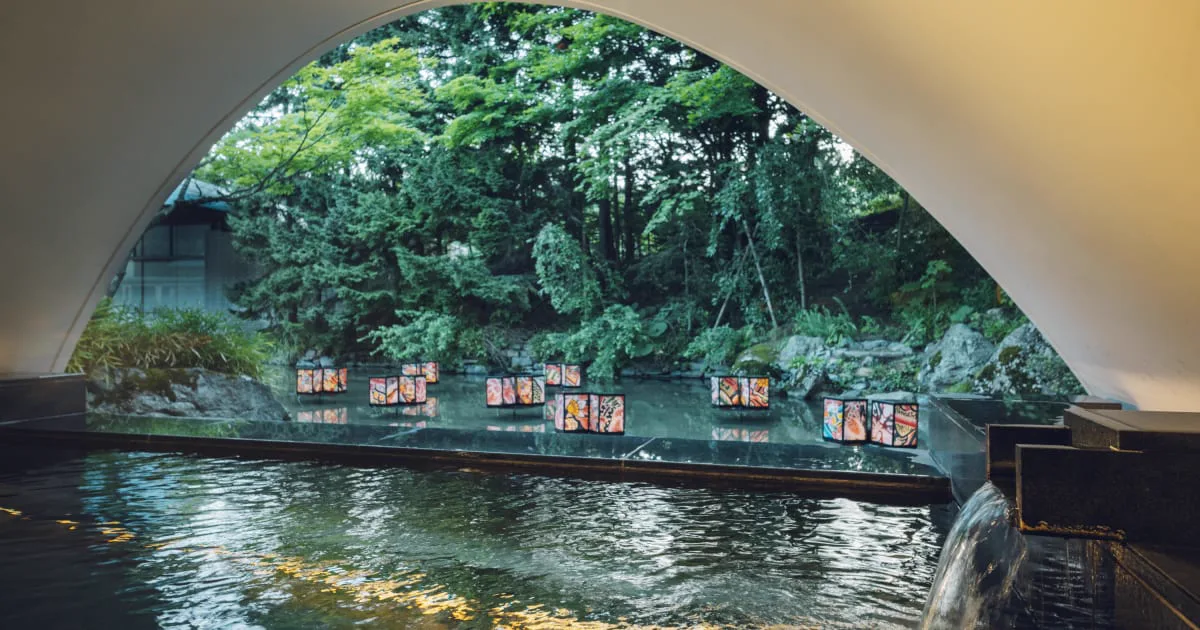
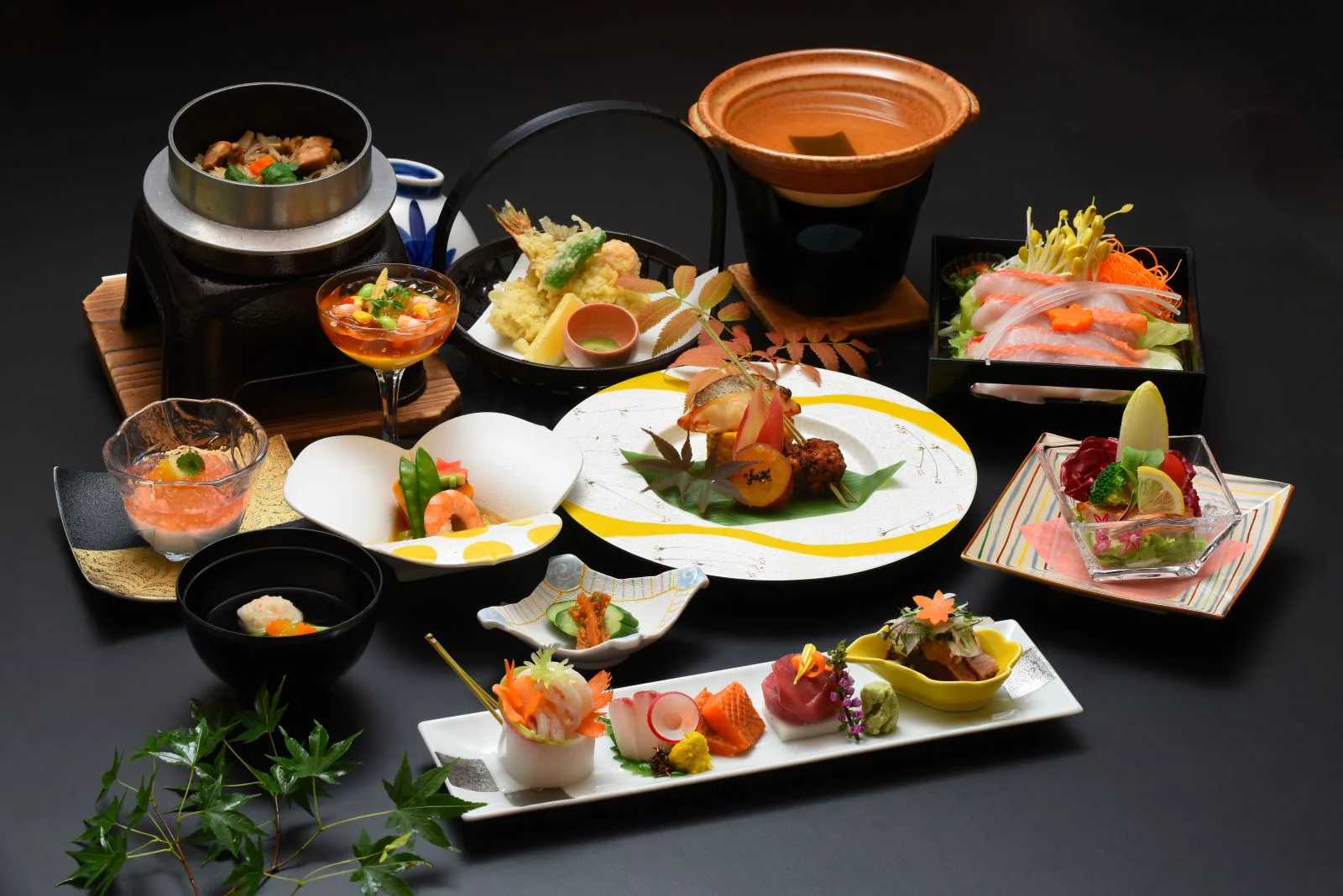
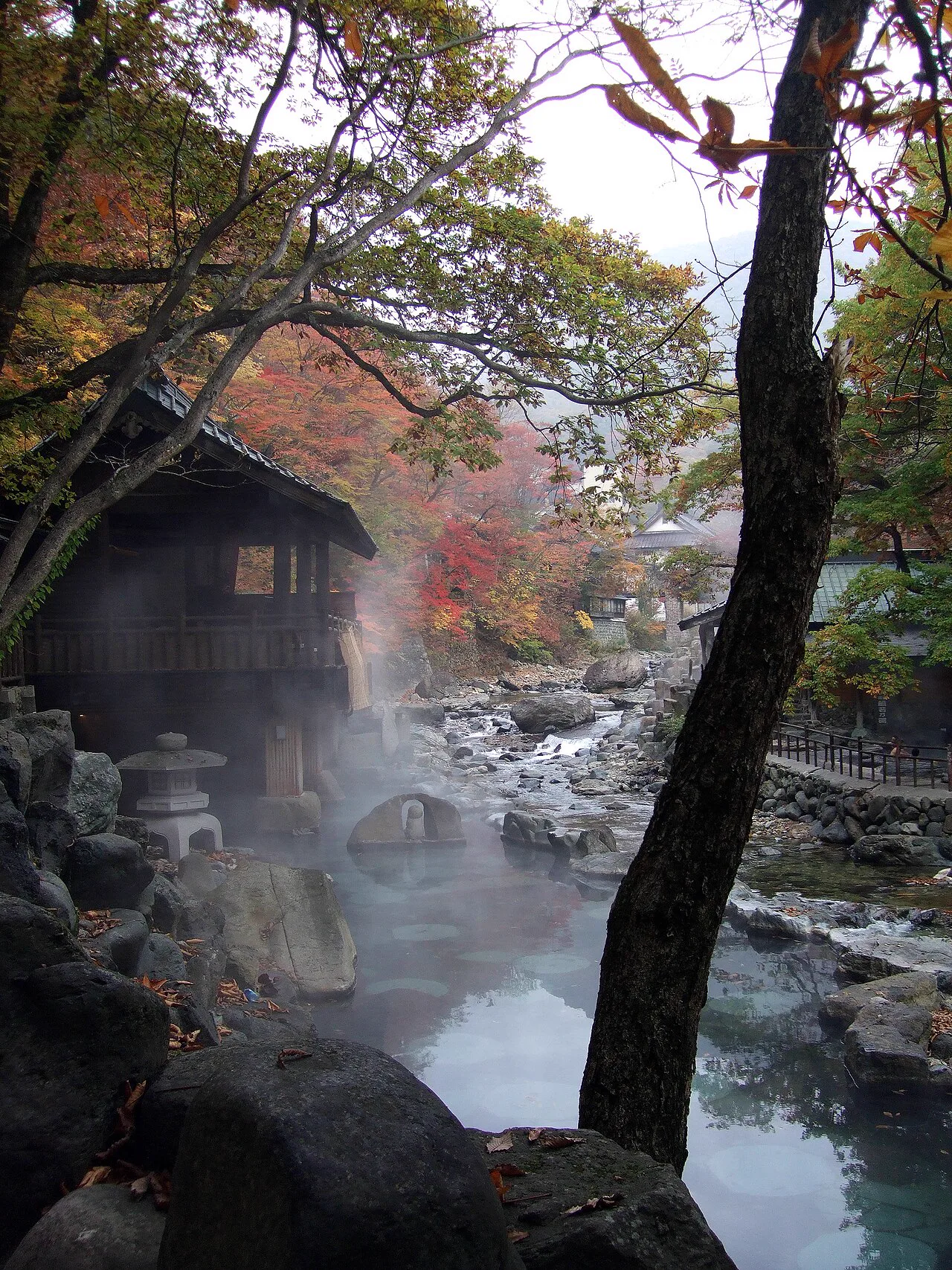
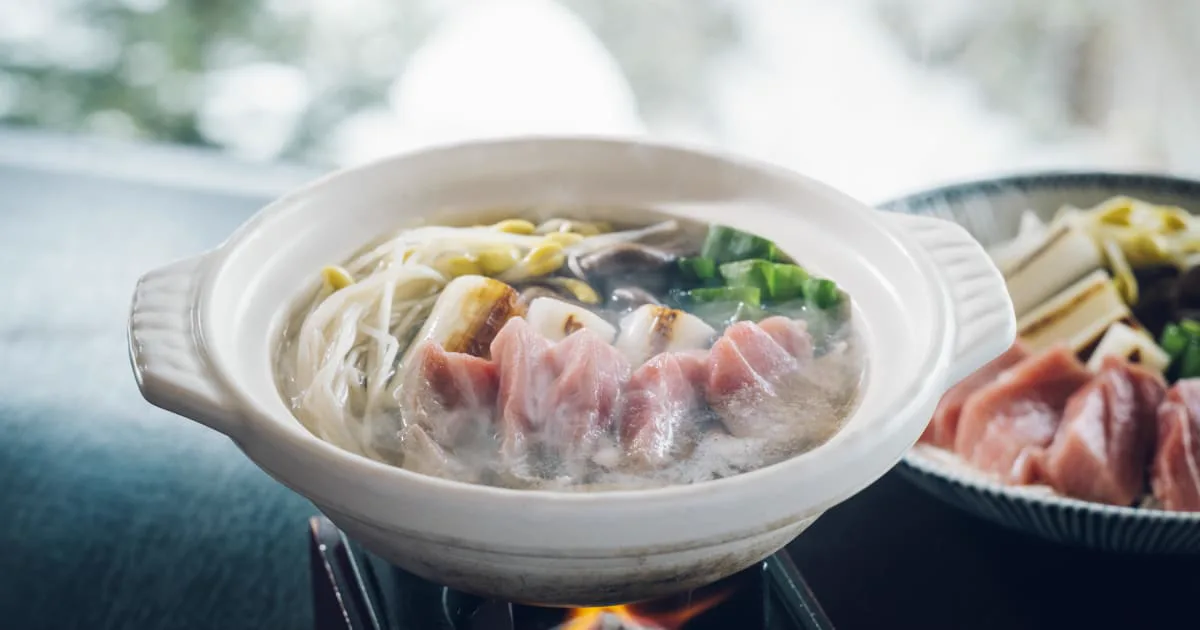
KAI Tsugaru is not simply Fujiya Hotel with a higher price tag. KAI builds a more immersive stay around Tsugaru craft, a water garden, shamisen music, seasonal bathing and kaiseki. Fujiya is a more conventional hot-spring hotel: a public bath, garden open-air bath, sauna, seasonal Japanese meals and a free station pickup by advance reservation.
If you want a comfortable night with dinner, a soak and a ride from the station, Fujiya is easier to justify. KAI is the better fit when the anniversary, design and cultural program are the reason for staying in the inn rather than just sleeping there.
| KAI Tsugaru | Fujiya Hotel | |
|---|---|---|
| Scale | 40 rooms | 37 rooms |
| Bathing | Hinoki indoor bath, snow-house-style outdoor bath and seasonal apple bath | Public bath, garden outdoor bath and sauna |
| Dining | Kaiseki; the Ōma tuna dinner upgrade is listed at ¥5,100 per person and requires advance booking | Seasonal Japanese set meal using Aomori ingredients; additional dishes may be ordered |
| Local experience | Tsugaru shamisen, kogin-stitching, Neputa lanterns and a designed water garden | Traditional ryokan stay centred on bathing, meals and a Japanese garden |
| Station access | About five minutes by car; free shuttle on a fixed, reserved schedule | Around 15 minutes on foot, or free pickup/drop-off reserved at least a day ahead |
| Best for | A celebration or a full afternoon and evening at the property | A first Owani stay, families, older travellers and a simpler two-meal trip |
The upgrade only works if you have time to use it
KAI’s listed check-in is 2:30 p.m. and checkout is 11 a.m. Arriving in the afternoon leaves time for the garden, bath, dinner and evening performance, followed by breakfast and another soak. That is when the higher-tier cultural stay has room to make sense.
If you will arrive at 7 or 8 p.m. after a full day in Hirosaki, you may have little time for anything beyond dinner, bathing and sleep. Fujiya can be the more efficient choice for that itinerary: reserve a pickup that matches your train, have dinner, use the garden bath and sauna, then leave the next morning.
The baths are different experiences, not a water-quality ranking
KAI publishes its spring as a sodium-chloride and sulfate spring. Fujiya lists a calcium-sodium chloride and sulfate spring. Neither property’s current public information provides a complete treatment record for every bath, including source temperature, pH, volume, dilution, heating, circulation, disinfection and discharge. The available information does not support saying that one has inherently better water.
Instead, KAI’s distinguishing feature is the atmosphere around the bath: hinoki, the seasonal outdoor setting and the snow-house design. Fujiya offers a garden outdoor bath and sauna within a conventional ryokan layout. Choose based on the bathing environment you want, not an unsupported claim about which spring is stronger.
Meals and rooms
KAI’s kaiseki dinner and semi-private dining are part of its premium stay. Some dates or plans offer an upgraded menu featuring Ōma tuna, but the actual menu depends on the booking. If you will not use the dining experience, part of the upgrade may be going to waste.
The current tuna-focused kaiseki upgrade is listed at ¥5,100 per person, with a booking deadline. Dinner starts at 5:30 or 7:30 p.m.; confirm the menu and cutoff for your dates rather than assuming the upgrade can be added after arrival.
Fujiya’s seasonal Japanese meal is a more familiar ryokan format, and extra dishes may be available. It offers Japanese-style and Japanese-Western rooms. Families can compare room capacity and children’s meal plans without paying for a cultural program they may not use.
KAI accepts children up to age six sharing a bed within the room’s stated capacity and lists separate children’s meals. Fujiya’s room and meal arrangements vary by plan; if you need a child’s meal, bedding or a room bath, confirm those details with the hotel instead of assuming they are included in a family label.
Getting there without a car
Both hotels offer station transfer, but neither should be treated as an on-demand shuttle. KAI’s free pickup uses a fixed timetable and requires a reservation. Fujiya lists a roughly 15-minute walk from the station and free pickup and drop-off when reserved by the previous day; its published pickup window is 2–6:30 p.m., while morning drop-offs are listed from 7–11 a.m. Confirm the current schedule and luggage arrangements before travel, especially in winter.
For a standard hot-spring stay, family trip or short stop between Hirosaki and elsewhere in Aomori, Fujiya will often be the practical choice. Choose KAI when you expect to spend enough time at the property to enjoy the garden, food and cultural program. Room prices fluctuate with dates and plans; compare the same number of guests, meals and cancellation conditions.
A note for solo travellers
KAI has offered a first-time solo onsen stay program for a specified period from Dec. 1, 2025 through Nov. 30, 2026. The offer includes meals and a semi-private dining setup, but rates depend on the date. Fujiya may have rooms with a one-person minimum occupancy, though displayed prices are often based on two guests sharing. Check the actual one-person search result rather than dividing a two-person quote by two.
Tattoo policies
Neither hotel’s current public information states a clear tattoo policy. Ask both properties directly before booking if you have visible tattoos, especially if you plan to use the shared baths.