Yutorogi no Yu in Shimabara: Hours, Admission and Getting There
Yutorogi no Yu in Shimabara charges ¥530 for adults and closes Wednesdays. Its source-fed bath, sauna and tatami rest room are a ten-minute station walk.
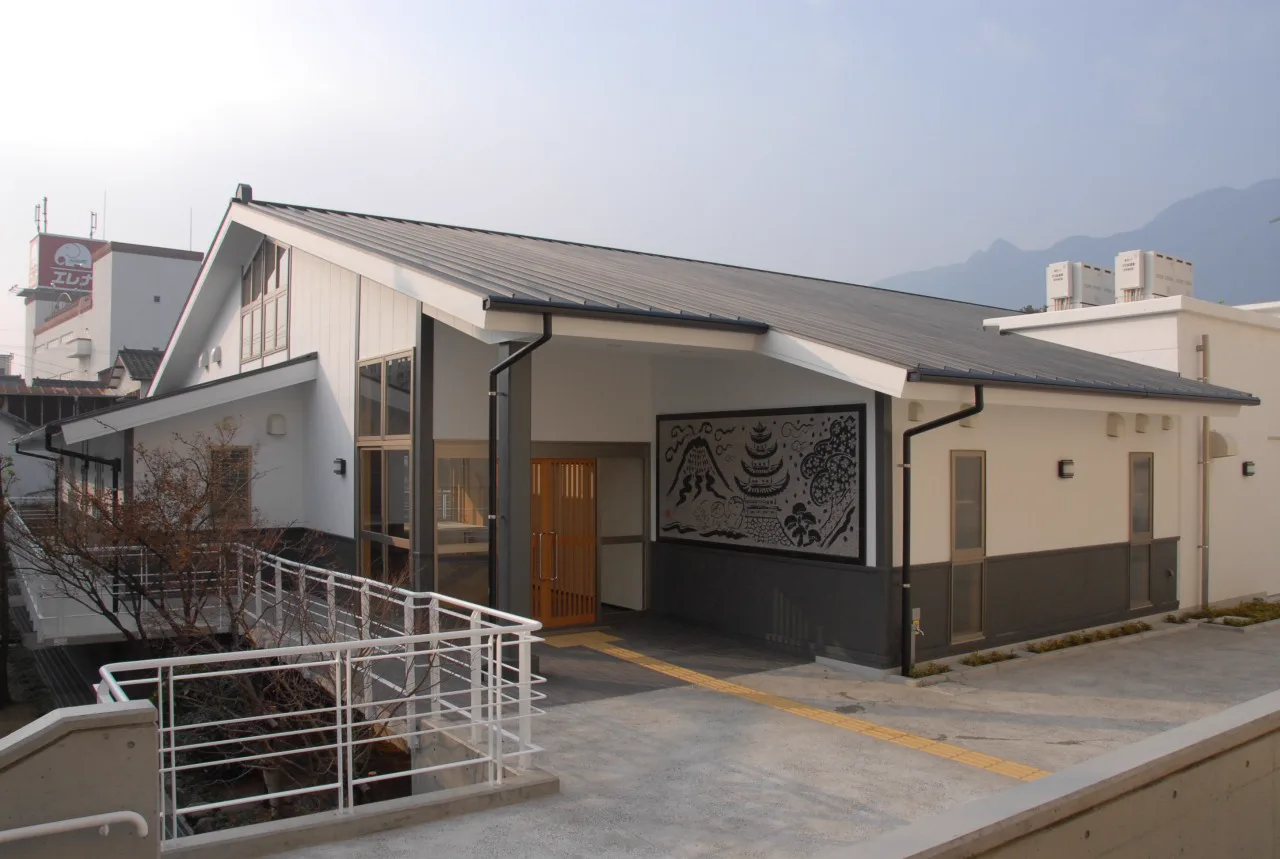
Yutorogi no Yu is a practical public bath to add after Shimabara Castle or the city’s spring-water district. It is about a ten-minute walk from Shimabara Station or Reikyu-koen Taiikukan Station, costs ¥530 for a general adult admission and has a sauna, medicinal bath, cold bath and a rest room. The bath is closed on Wednesdays, and last admission is 8:30 p.m.; it is not a scenic outdoor resort or a private-bath destination.
Current hours and admission
| Detail | Current listing |
|---|---|
| Hours | 10 a.m.–9 p.m.; reception ends 8:30 p.m. |
| Weekly closure | Wednesday |
| General admission | ¥530 |
| Elementary-school age and younger | ¥270 |
| Children under age three | Free |
| Visitors aged 70 and over, and eligible visitors with disabilities | ¥320 |
| Parking | Free for the first two hours for bathers |
These are the regular rules; the city may adjust operation for maintenance or other management reasons. Check for a current notice if your visit depends on a Wednesday exception or a specific date. The outdoor footbath nearby is a separate facility and does not follow the main bath’s Wednesday schedule as a matter of course.
What the ticket gets you
The public bath includes a source-fed bathing pool, medicinal bath, cold bath, sauna and a large tatami rest room. That is enough for a full soak-and-rest stop after walking around town, without paying for a hotel day-use package. The tourism association identifies a source-flow pool; that description should not be stretched to cover every tub in the building.
Shimabara City describes the local supply as a blend of the Motoike and Kannoshima sources, mixed at a ratio of 3:7. The water is classified as a magnesium-sodium bicarbonate spring. The sources are around 30°C, and the city’s distribution system heats the water before sending it through the network. Source temperature and bath temperature are different measurements; the published spring temperature is not a promise that the bathing pool will feel cool.
The city’s FY2026 policy also describes using waste heat from the local Takara Shuzo plant through a heat-pump system to help stabilize the district supply. That is a way of managing heat in the distribution system; it does not mean factory wastewater is being used as bathwater. The named natural sources and their spring classification remain the relevant details for visitors.
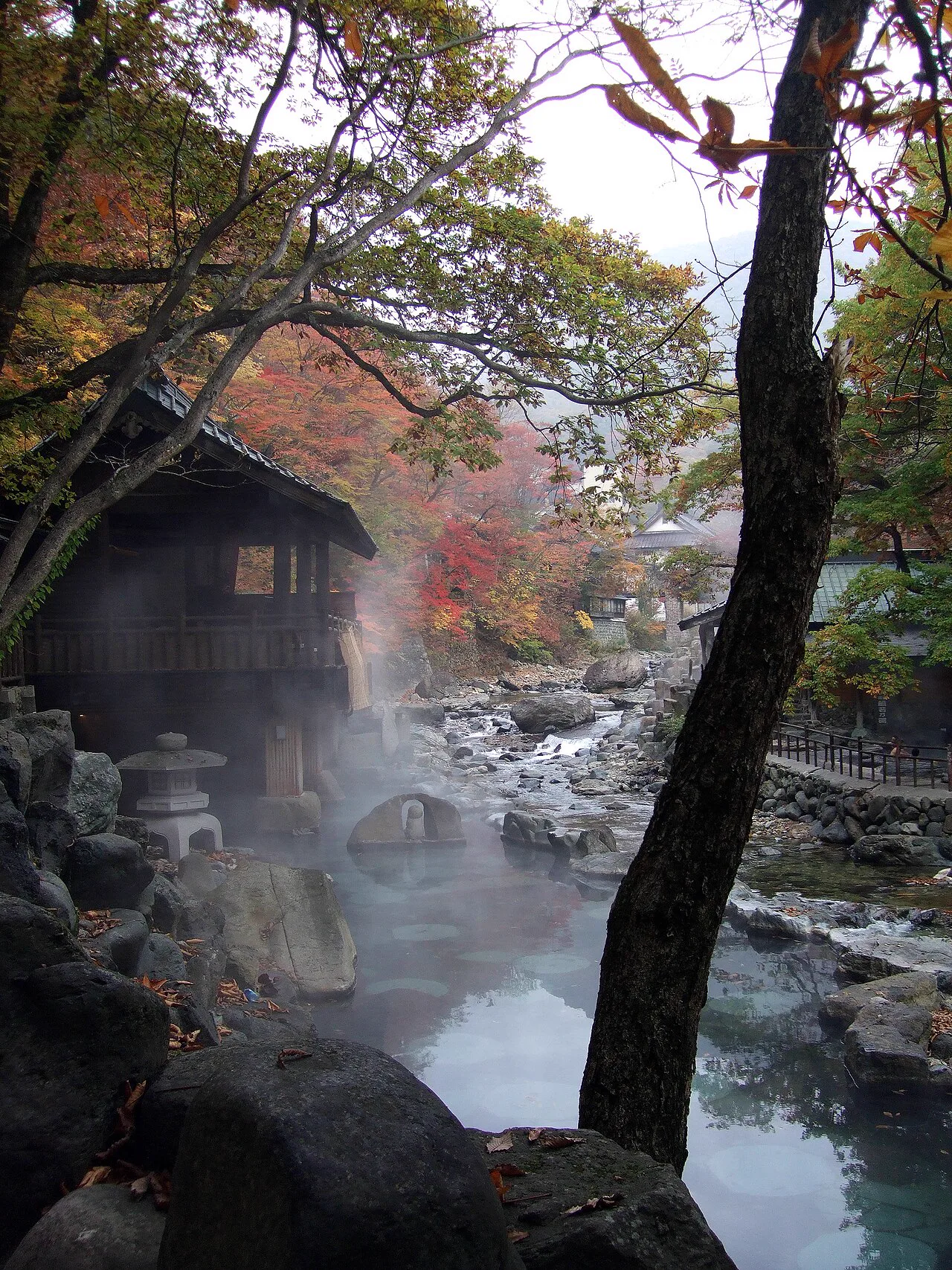
If a private bath, open-air view or resort-style lounging is essential, choose another property. Yutorogi is a shared urban bath with useful facilities, not a ryokan spa. Its value comes from being close to the town walk and keeping the bath portion of the day simple.
The official tourism description specifically identifies a source-flow pool. Keep that claim attached to the named bath; the available material does not establish that every tub in the building uses the same supply or treatment method. The facility is also described as barrier-free, and has free parking for bathers for the first two hours.
Fit it into a Shimabara walk
From Shimabara Station or Reikyu-koen Taiikukan Station, allow about ten minutes on foot. The Shimabara Peninsula tourism site also lists a bus stop at Shokokaigisho-mae, roughly five minutes away. From Shimabara Port, the bath is around a ten-minute drive; bus users can ride toward the city center and walk from that stop. Bathers receive two hours of free parking.
A natural sequence is Shimabara Castle, the samurai residence district and the spring-fed streets around Koi no Oyogu Machi, followed by a bath before dinner. The town layout makes this easier than taking a detour to a mountain resort, though Yutorogi itself is not open late enough for an unhurried final stop after a long ferry day. Keep the 8:30 p.m. last reception in view.
There is also a separate footbath nearby, listed as free and open around the clock, with a morning cleaning window. It can fill a short gap before the main bath opens, but it is not a substitute for admission to Yutorogi. For a mountain setting and a separate day-use decision, see the guide to Unzen Onsen.
Tattoo rules and the details worth checking
The city’s management rules address infectious illness, intoxication and conduct that could affect other bathers, but the sources reviewed do not give a clear tattoo rule for day visitors. The lack of a published prohibition is not confirmation that tattoos are accepted; ask the facility if this affects your plans.
The nearby footbath is a separate public facility. It is listed as free and open 24 hours, with routine cleaning around 8:30–9:30 a.m.; temporary maintenance can still affect access. It can be used while the main building is closed on Wednesday, but it does not provide access to the indoor baths, sauna or rest room.
A few common questions
- Is the water natural? Yes. Shimabara City identifies the supply as a 3:7 blend of the Motoike and Kannoshima sources; tourism information specifies the source-flow public bath.
- Does it have an outdoor bath? Current main-facility descriptions do not list a scenic open-air bath.
- Is the whole hot-spring area closed on Wednesdays? The main bath closes; the adjacent footbath is a separate facility with its own hours.
- Can you come from Kumamoto for the day? Yes, via ferry to Shimabara Port and onward bus or taxi. Build the bath into a Shimabara-town itinerary rather than trying to add a return trip to Unzen’s mountain area.