Sakakibara Onsen Day Trip: Choosing Between Three Baths
Compare Sakakibara Onsen’s Yunose, Yunosho and Seishounagon by day-use price, spring baths, bus access and current booking limits.
Sakakibara Onsen is a rural hot-spring area in Tsu, Mie, and the three practical day-use choices serve different kinds of visits. Yunose is the low-cost public facility with the broadest opening window; Yunosho is the pick for a documented cool, free-flowing source bath; Seishounagon is a hotel bath that requires a call before you make the trip. Without a car, the bus from Hisai Station takes about 40 minutes, so check the return timetable before choosing a facility.
| Facility | Adult admission | Day-use hours and last entry | Best reason to choose it |
|---|---|---|---|
| Yunose | ¥550 weekdays; ¥650 weekends and holidays | 8 a.m.–9 p.m.; last entry 8:30 p.m. Saturdays until midnight; last entry 11:30 p.m. | Lowest price, sauna and longer Saturday hours |
| Yunosho | ¥1,500 | 9 a.m.–8 p.m.; reception closes at 7 p.m.; bath stay limited to 2 hours | A 31.2°C source-fed bath alongside heated spring water |
| Seishounagon | ¥1,000 | Day-use intake is listed from 11 a.m. to 8 p.m. | Hotel bath option; confirm availability by phone first |
Yunose closes on the third Friday of each month. If that falls on a holiday, it closes on the following weekday. Yunosho publishes irregular closure dates, while Seishounagon’s day-use bathing can vary; a posted time range is not a guarantee of walk-in admission there.
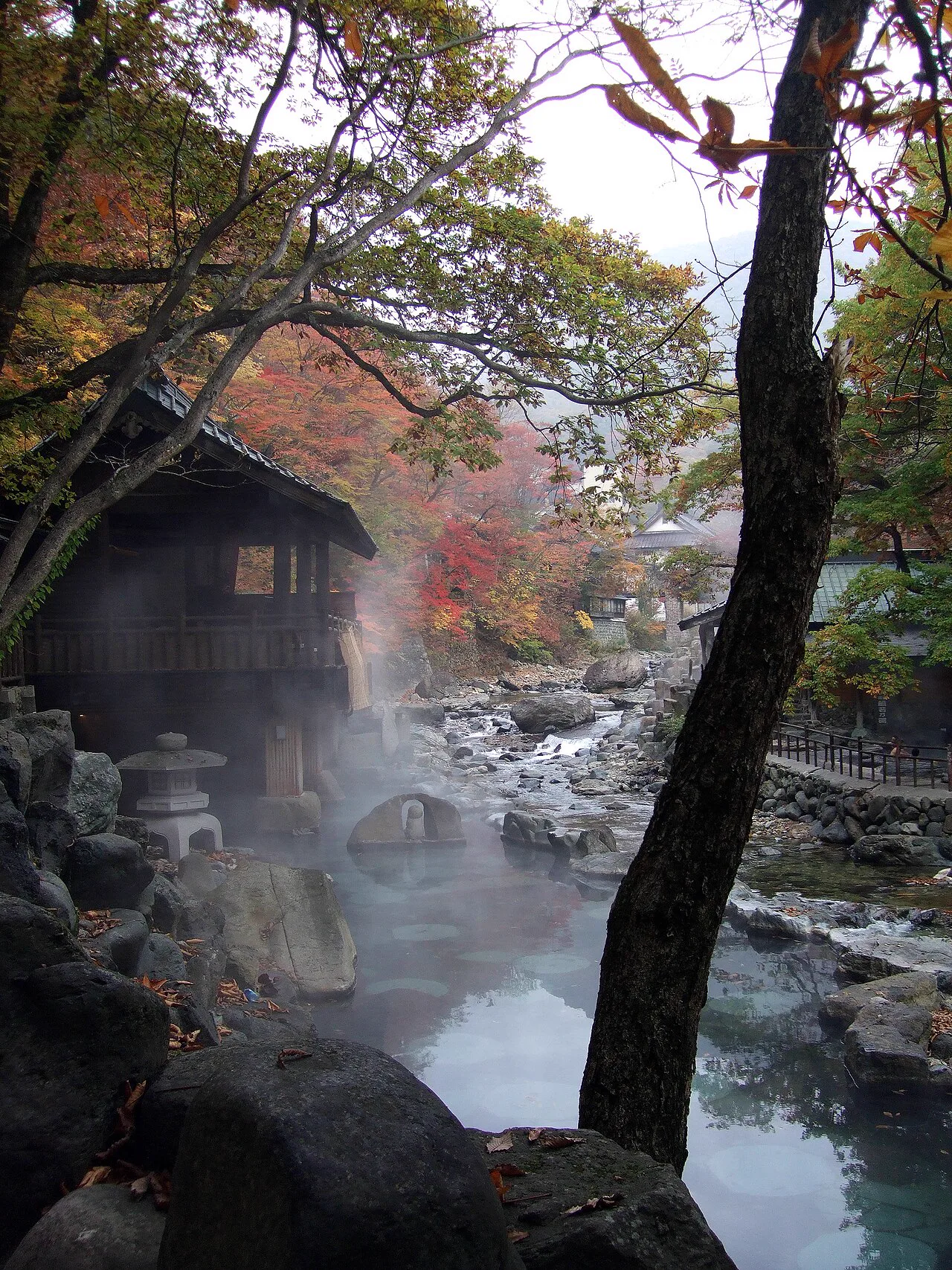
The spring has a long literary association: Sakakibara is often called one of the “seven famous hot springs” mentioned in The Pillow Book, and the area also sits on routes connected with Ise pilgrimage. That history gives context to the place, but it is a small rural onsen area rather than a large resort town with frequent transit.
The facilities differ more than the prices do
Yunose is a municipal bathing complex with indoor and outdoor baths, a sauna, restaurant and places to rest. Its low ticket price suits a straightforward soak, and Saturday’s later closing can help if you are already staying nearby. The current city visitor page does not provide a bath-by-bath spring analysis, so it is better not to assume every pool has the same water treatment or temperature.
Yunosho publishes the clearest source-water detail. Its bathing area includes an unheated, free-flowing source bath at 31.2°C and a separate spring bath heated at the source. The first pool is cool compared with a standard hot bath and suits people who want to experience the spring close to its natural temperature.
The regular ticket includes public bathing for up to two hours. On weekdays, guests already using the public bath may ask about a private panoramic bath for ¥3,000 per 45 minutes; advance reservations are not accepted, and availability depends on the facility’s schedule.
Seishounagon is a ryokan, so treat day use as a service to confirm rather than the default. The Tsu tourism listing says bathing intake runs from 11 a.m. to 8 p.m. and gives an adult price of ¥1,000, but it also advises visitors to inquire in advance. Call before setting out, especially if you are coming by bus or on a holiday.
The bus works only if the return fits
From Kintetsu Hisai Station, Mie Kotsu buses run toward Sakakibara. Yunosho’s access information directs visitors to a bus for Sakakibara Depot via Shimomura or Kamiinaba; get off at Yuno-moto Sakakibarakan-mae and walk about three minutes. The hotel’s free shuttle is for overnight guests, not a day-use transfer. Other baths have different stop and walking arrangements, so do not assume the Yunosho stop serves the whole area.
The route is a rural service rather than a frequent urban bus. Check the timetable in both directions before you leave Hisai, and use the operator’s current journey search for the exact date. If a late bath matters, Yunose’s Saturday extension does not solve the return journey: the bus schedule still sets your practical cutoff. Driving makes it easier to choose between the three, but arrange a designated driver if anyone plans to drink at the restaurant.
For a no-car budget, the bus fare from Hisai is about ¥650 each way (roughly ¥1,300 round trip), before the bath ticket. Yunosho is about a three-minute walk from its named stop. The Sakakibara Onsen-guchi rail station is not a walk-up alternative; it is still roughly a ten-minute drive from the baths. Yunosho’s complimentary shuttle is for overnight guests, and any Seishounagon pickup should be confirmed by phone rather than assumed for day visitors.
Yunose’s posted family and senior rates are separate from the adult prices in the comparison table: children aged 12 and under pay ¥200, while guests aged 65 and over pay ¥350 on weekdays or ¥450 on weekends and holidays. Yunose also lists a wheelchair-usable private bath; call the city facility to confirm arrangements and availability before travelling.
Yunosho’s private panoramic bath is a weekday add-on for guests already using the public bath: ¥3,000 for 45 minutes for two to six people. It is not bookable in advance, and availability depends on the day. Tattoos are prohibited at Yunosho. Seishounagon’s public day-use information is less consistent about reception and bathing hours, so a phone check remains essential.
For a plain-language explanation of source temperature versus bathing-pool temperature, see How to read onsen spring and bath temperatures. Sakakibara is a rural choice; the bus leg is part of the outing, not a small last-mile detail.