Is the Kurokawa Onsen Hopping Pass Worth It?
See when Kurokawa’s ¥1,500 pass pays off, what its three uses cover, and how inn-by-inn day-bath hours can affect your route.
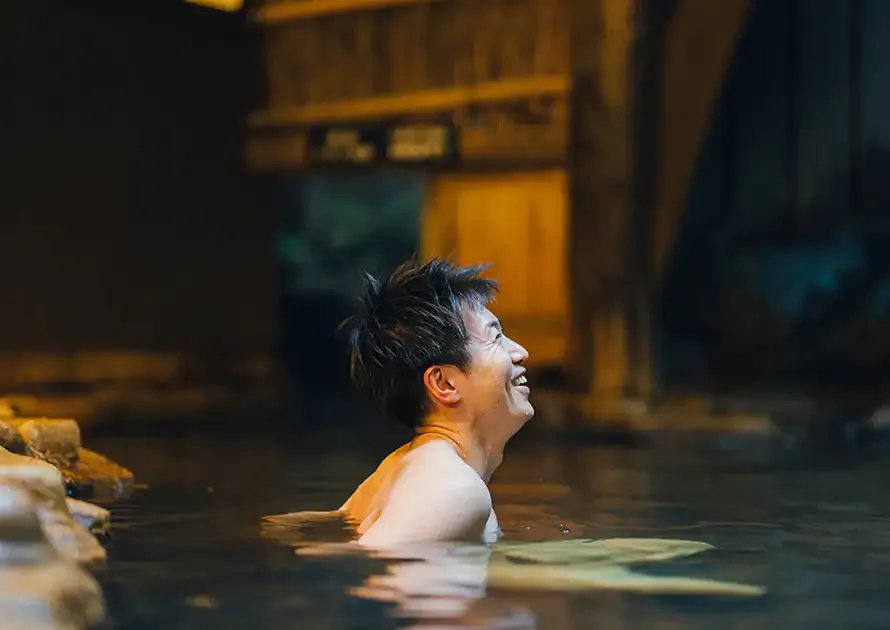
The pass is easy to value if you already know how many baths you want to visit. One adult pass costs ¥1,500 and has three uses. You can spend all three on participating outdoor baths, or use two for baths and the remaining one at an eligible food or souvenir shop. The pass belongs to one person, cannot be shared, and is valid for six months from purchase.
If you are planning only one bath, pay that inn directly. For two, compare their listed day-use prices with the pass and ask whether you will use the third option. Three baths can make the pass worthwhile, but the savings disappear if you rush between distant inns or arrive while one is closed to day visitors.
What the pass covers—and what it does not
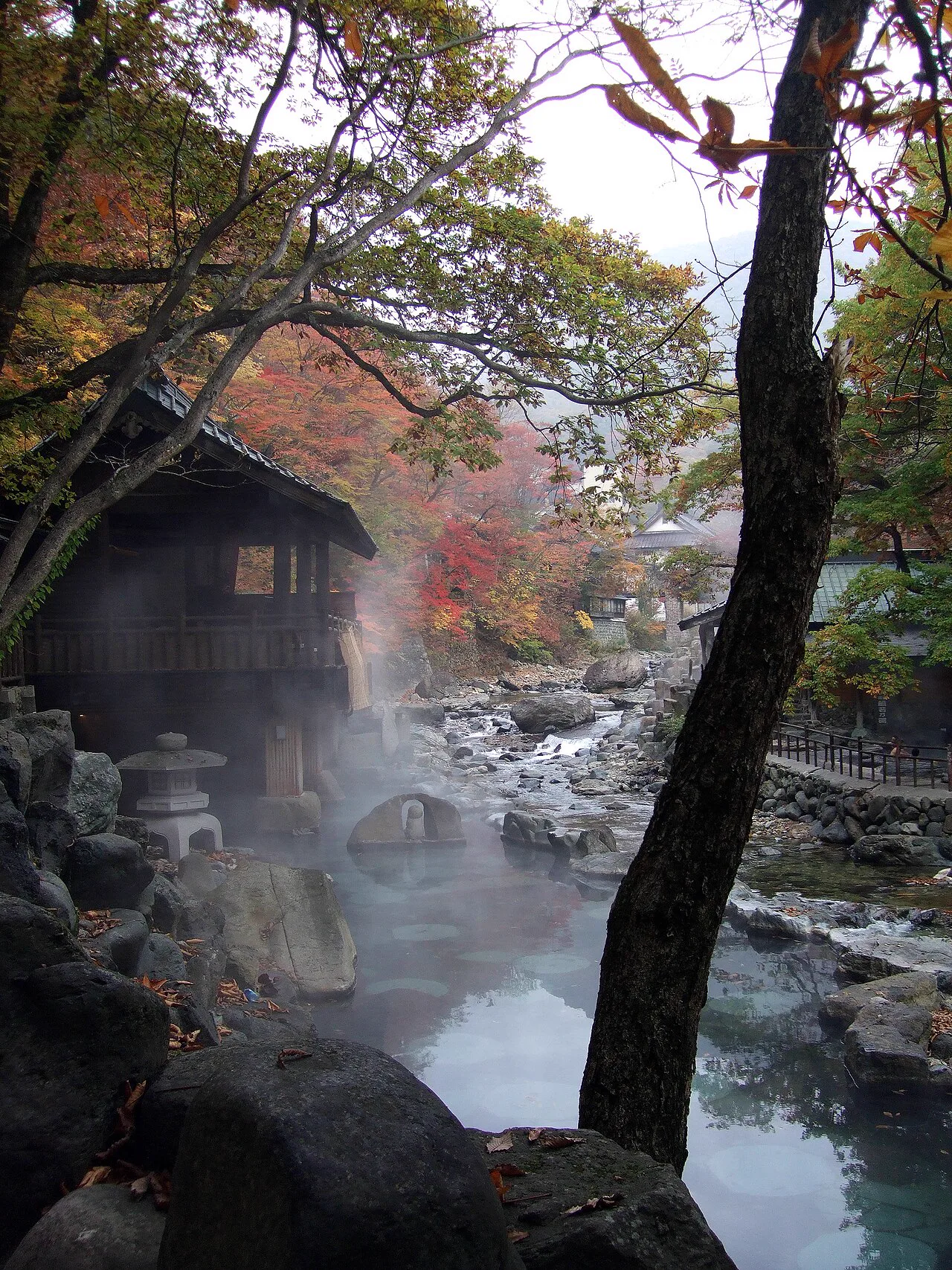
The association currently lists 25 participating inns with outdoor baths. The general bathing window is 8:30 a.m. to 9 p.m., but that is the framework for the pass, not a promise that every inn is open to day visitors for that whole period. Cleaning, repairs, occupancy limits and seasonal schedules can change a specific bath’s hours or availability.
The pass does not cover private family baths. Those are booked and priced separately by each inn. It also does not include transport between inns. Kurokawa is hilly, and some baths sit well outside the central walking area; a cheaper visit can cost more time if your chosen route requires a taxi or a long uphill walk. Taxis are limited, so do not assume one will be waiting outside a remote inn.
Check the association’s live day-use status on the day you plan to visit, then choose your stops. The Kurokawa day-use private-bath guide compares separate private-bath options if you want to bathe with your own group rather than use the shared outdoor baths.
A simple break-even check
Compare the total of the day-use outdoor-bath prices you would actually pay with ¥1,500. If three individual admissions add up to more, the pass saves money. If the total is the same or lower, buy it only if the six-month validity or the eligible food-and-souvenir option makes it useful to you.
The third use is not a general cash voucher. It is accepted only at participating shops for designated food or souvenir items. The eligible products can change, so confirm the current list before treating that use as part of your budget. You may also keep an unused pass for a return visit within its six-month validity; there is no need to finish all three uses in a single afternoon.
Build the route around opening windows
Some of Kurokawa’s most scenic outdoor baths have shorter day-use hours than the pass’s general window. Put the earliest-closing bath first, then use a central inn later in the day. Leave time to change, dry off and walk between stops; three separate bathing sessions take longer than the map distance suggests.
For a relaxed visit, two baths may be enough. Spend the remaining time on lunch or a walk through the village rather than squeezing in a third bath simply to use every stamp. If you are staying overnight, you can split the pass between arrival day and the next morning. Staying near the village centre makes that easier; the Kurokawa lodging-area guide explains the trade-offs between the bus-stop side, central lanes and outlying riverside inns.
A sample three-bath route
One useful mix is Yamamizuki, Kurokawaso and Ikoi Ryokan: the first two bring riverside and rock-bath scenery, while Ikoi has a wider variety of bathing styles and stays open later for day visitors. The association’s published adult admissions for these stops are ¥600, ¥700 and ¥800 respectively, or ¥2,100 in total against the ¥1,500 pass. On those listed prices, the pass saves ¥600. The exact admissions and opening status can change, so verify them on the live day-use page before setting off.
Put Yamamizuki first: its day-use outdoor bath closes earlier than the other two. Kurokawaso is also an early-closing stop; Ikoi is the more flexible final bath. Allow several hours for the route rather than treating each bath as a quick stamp—the walk, changing and rinse all add time. If the distance or hills are a concern, choose two closer baths and keep the pass for another visit within its validity instead of relying on a taxi that may not be available.
The standard pass is also different from the association’s limited 40th-anniversary premium offer. That campaign advertises two days of bathing at 27 outdoor baths, but it is tied to designated official lodging plans and limited to 1,000 passes. Check whether a qualifying plan is still available before comparing it with the walk-up pass; it is not a standard ticket you can assume will be sold at the visitor centre.
Where to buy and what to check
The standard pass is sold at Kurokawa’s inns and the association’s Kaze-no-sha information centre. Before buying, settle on the bathing style you want, check the live list for day-use closures, and confirm that the stops fit your walking ability and available time. Tattoos and admission policies are set by each inn; the pass itself does not override them.
Sources
- Kurokawa Onsen: Onsen Hopping Pass terms — current price, participating outdoor baths, uses, validity and general hours.
- Kurokawa Onsen: live day-use bathing status — check inn-by-inn availability before travelling.
- Kurokawa Onsen: frequently asked questions — village distances, slopes and transport notes.
- Kurokawa Onsen: 40th-anniversary project — separate, limited premium-pass offer.
Prices, eligible shops and inn access can change. Recheck the official pass and same-day bathing-status pages before setting out.