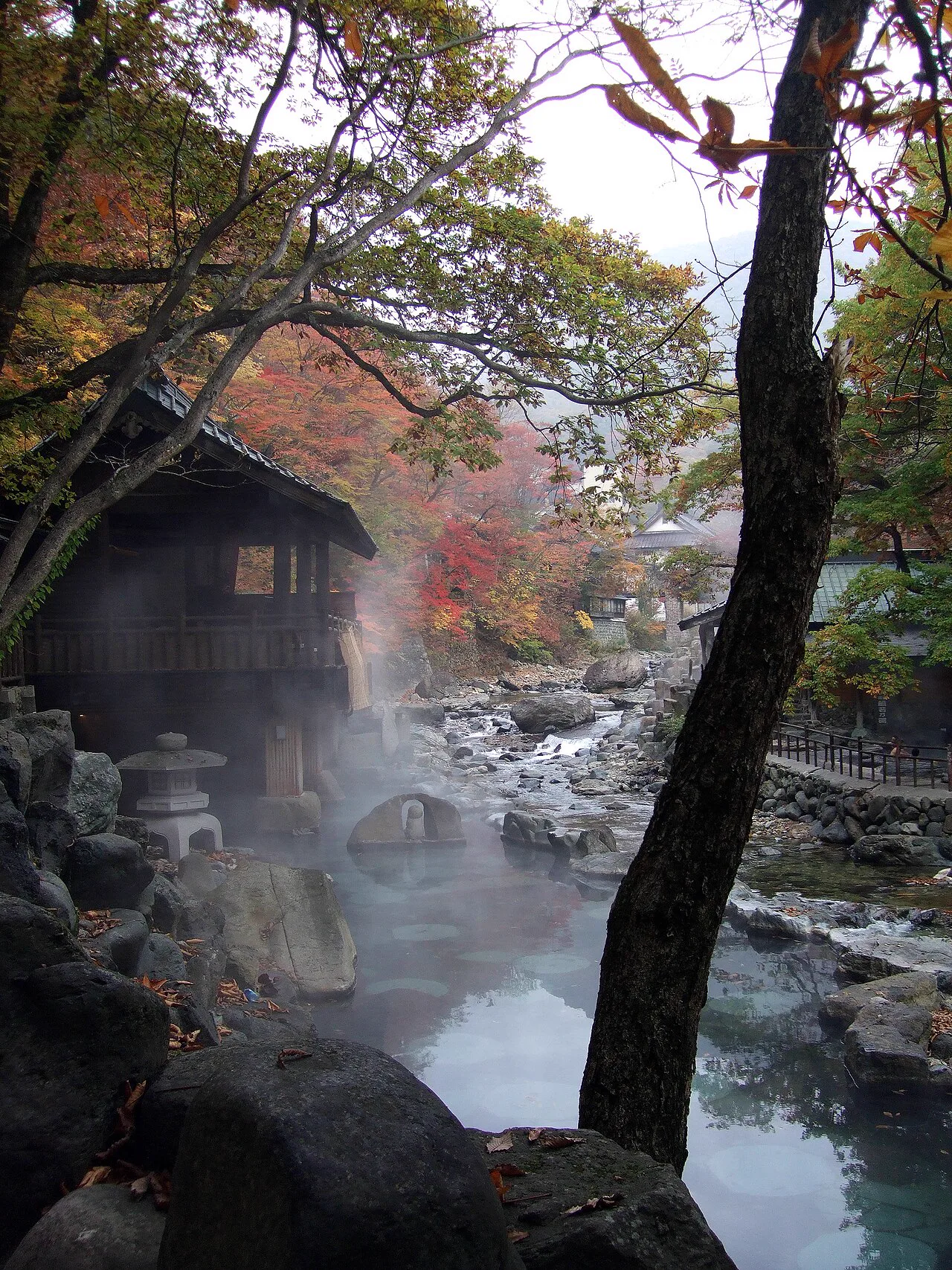
Nanjoen in Kurokawa Onsen: Is a Room with a Private Onsen Worth It?
Compare Nanjoen’s three in-room spring baths with standard rooms, which include free access to two private family baths when vacant.
Checked: September 27, 2026
At Nanjoen, the main room decision is whether you want a private bath inside your room or simply a private place to bathe. Those sound similar until the ryokan’s two family baths are already occupied after dinner.
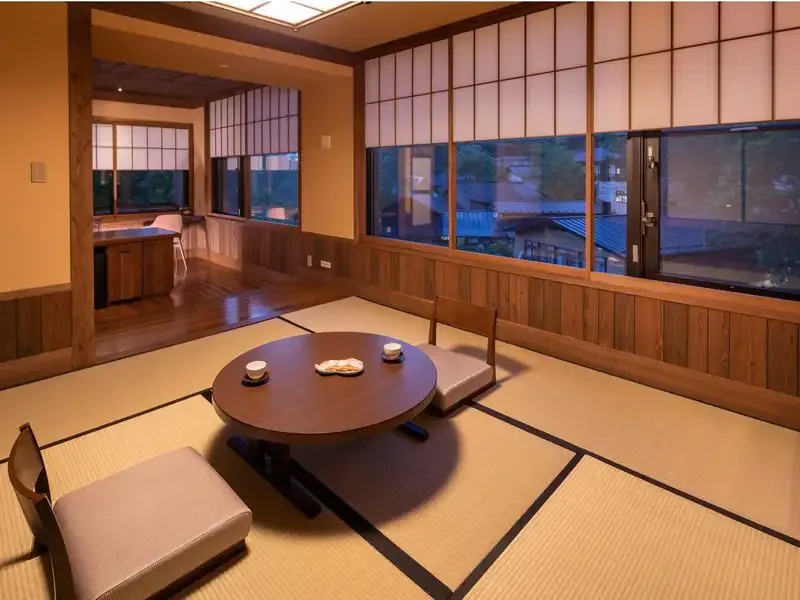
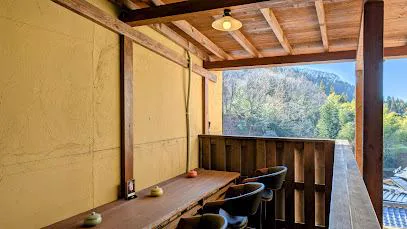
The inn sits in Kurokawa’s central village, and its regular rooms include a broad window-side sitting area. For many couples, a standard room plus a family bath is enough. The three special rooms make more sense if you want to bathe at any hour without leaving your room or checking whether another guest has finished.
What the room upgrade actually buys
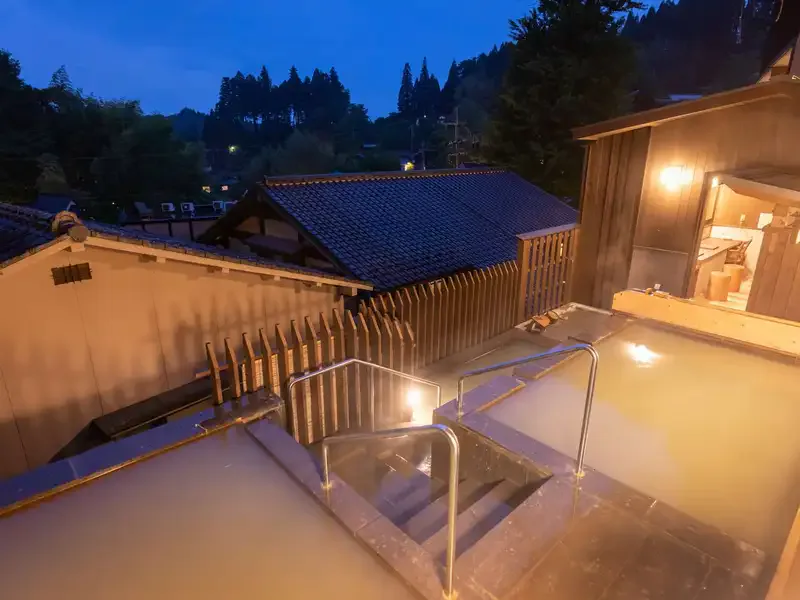
Nanjoen has 12 rooms. Three semi-open-air rooms are explicitly described as having a source-flowing hot-spring bath. Each is on a different floor—one on the first, third or fourth—and has an eight-tatami Japanese room, a roughly five-tatami sitting area and a separate twin-bed space. They sleep two to five guests.
The seven standard rooms are 7.5 to 10 tatami mats and sleep two to four. Two annex rooms have a larger 12-tatami room and five-tatami sitting area, with capacity for up to six. Nanjoen assigns rooms according to party size and use, so contact the inn if a particular floor or layout matters.
The room bath is the clear choice if someone in your party cannot comfortably use shared bathing areas, or if getting up and walking to a bath would make a late-night soak less appealing. It is also the only option that guarantees a private bath is ready when you are.
The two family baths are free, but not reservable by the hour
“Hana” is a wooden bath; “Hikari” is stone and looks out toward the surrounding hills. Both are indoor private rooms with showers, described for around two bathers. Overnight guests may use either at no charge from check-in through check-out while it is vacant. The inn’s current wording does not promise a fixed advance booking slot, so treat them as first-come, first-served and ask the desk how use is being managed on your dates.
That arrangement can be a good fit if one private soak is enough, or if your group can be flexible about timing. It is less dependable when everyone wants the same post-dinner window. If having a guaranteed private bath matters more than the room itself, ask about the special-room price before booking rather than assuming a family bath can be reserved.
The shared baths are more than a fallback
The outdoor Hoshi-no-yu has three baths set at different heights. Its upper pool is hotter, and one section is a 140-centimetre-deep standing bath. Use the handrail and check the depth before stepping in. The semi-open Tsuki-no-yu has two pools, including a milder one; both Hoshi-no-yu and Tsuki-no-yu change between men and women by day. They are open to overnight guests from 6 am to 10 pm.
Akane-no-yu is a separate men’s and women’s bath for overnight guests, open until 11 pm. The inn says the route from the elevator to its changing room and baths has few steps. That may be helpful for some guests, though it does not make every part of the property step-free.
Dinner and the last leg to the inn
Nanjoen’s two-meal plans generally expect guests between 2 and 6 pm. Dinner uses ingredients from Kumamoto and Aso, and the specific dishes depend on the plan. If your bus or drive may bring you in after 6 pm, check whether a room-only or later check-in plan is available. Don’t book dinner on the assumption that the kitchen can hold it if you arrive late.
The central location pays off once you reach Kurokawa: shops and other bathing spots are within walking reach, so you do not need to arrange a ride for each outing. Nanjoen offers pickup from the bus stop, but its published pages differ on how early the request must be made. Confirm the deadline and meeting point directly after booking. The main building has a lift, though that alone does not make every room or bath route step-free; ask about the exact route if someone in your party has limited mobility.
Room prices vary with date, guest count, meal plan and cancellation terms. Compare a standard room and one of the three rooms with an in-room bath for the same night. The upgrade buys a bath you can use without waiting; the two family baths already provide private bathing when vacant.
Who should choose which room
If you mostly want to enjoy Kurokawa’s village and have one private soak together, start by comparing the standard room rate with the special-room rate for the same meal plan. The free family baths cover the privacy requirement without automatically paying for an in-room spring bath.
Choose one of the three special rooms if you value control over bathing time, need to avoid waiting, or want to keep the whole soak inside your room. For a larger party, the annex has more floor space, but its listing does not describe an in-room hot spring. Confirm the exact layout and room assignment directly if either is essential.
For another example of how a ryokan’s family baths compare with an in-room spring, see the Wakaba room and bath guide. For a short visit without an overnight stay, see the day-use private-bath guide.
If you are comparing nearby properties, Kounoyu has an in-room bath in every guest room, while Okyakuya centres the stay on its shared bathing areas.
Sources
- [Nanjoen: guest rooms](https://www.nanjoen.com/room) - [Nanjoen: hot springs and family baths](https://www.nanjoen.com/hot_spring) - [Nanjoen: facilities and room count](https://www.nanjoen.com/page5) - [Kurokawa Onsen lodging directory: Nanjoen](https://www.kurokawaonsen.or.jp/oyado/innInfo.php?intYKey=12)Tags: Kurokawa Onsen, Nanjoen, family bath, private onsen, ryokan rooms