Day-Use Onsen and Public Baths in Kumamoto City
Compare Kumamoto City’s natural onsen, saunas and neighbourhood sento by price, hours and location, including the Tsurunoyu closure and Kame-no-Yu reopening.
Summary: Kumamoto City has a mix of natural hot-spring baths, long-hour spa facilities and neighbourhood sento. The right choice depends on whether you want a natural spring, a late closing time or an inexpensive local bath.
Checked: September 27, 2026
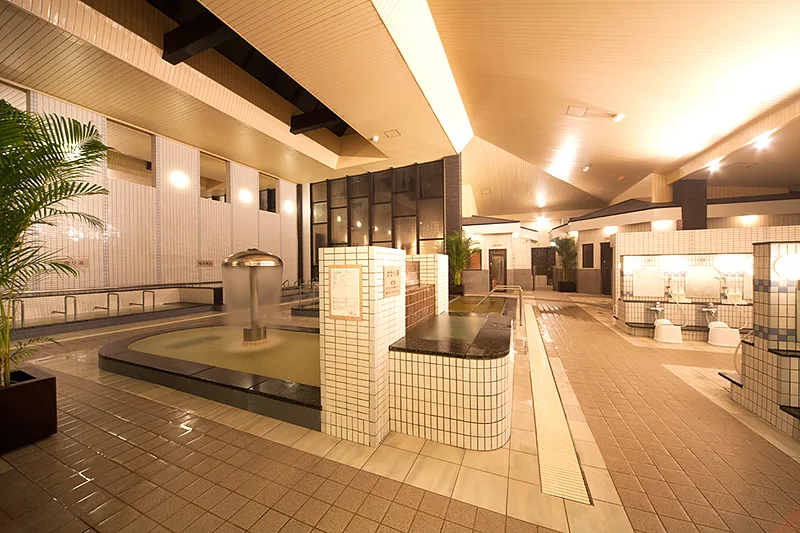
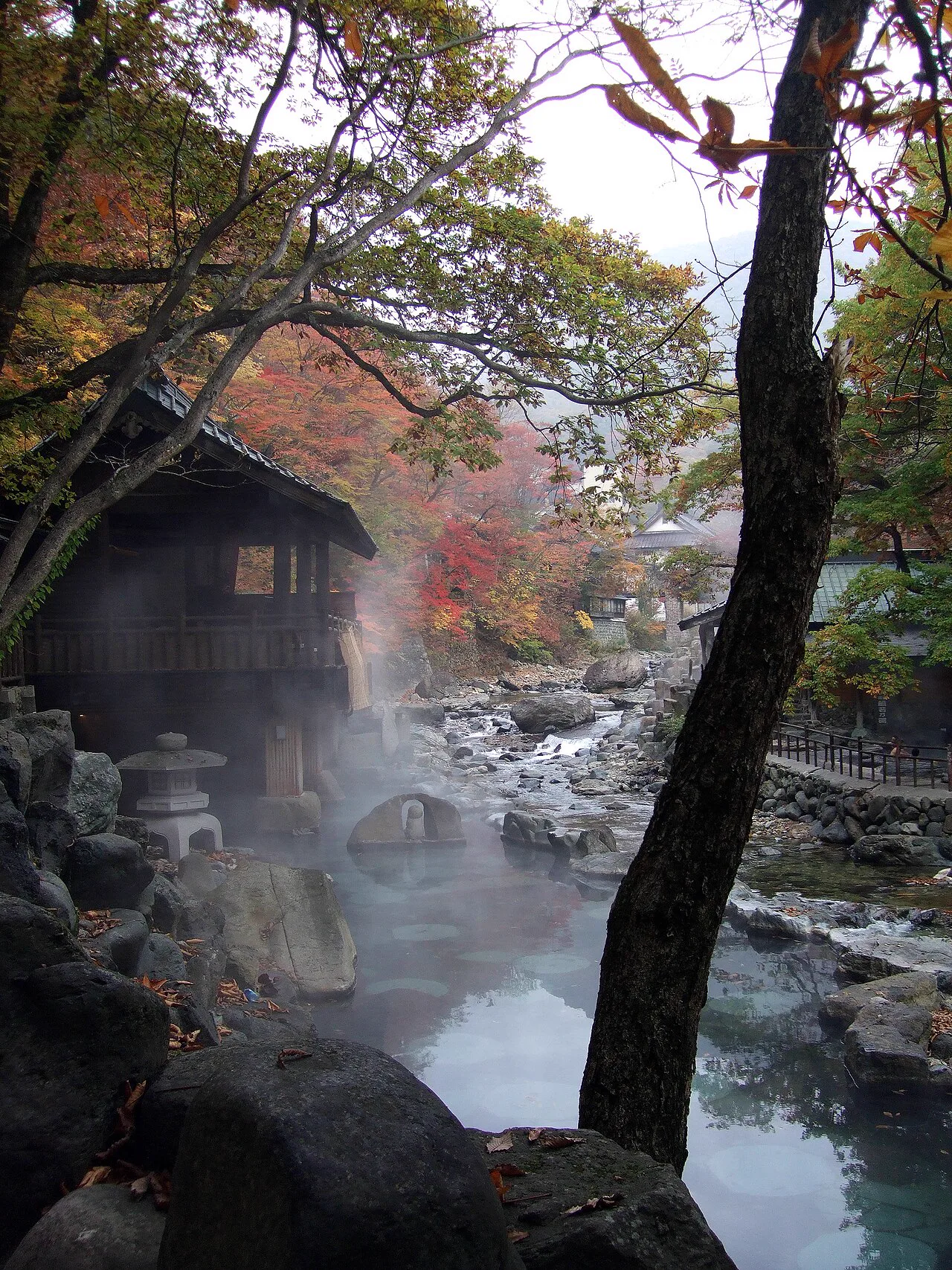
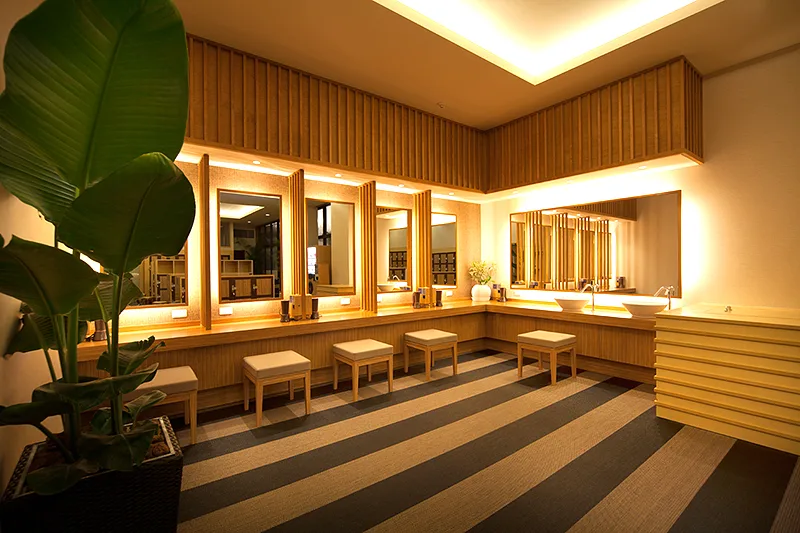
Kumamoto is famous for its castle and access to Aso, but you do not have to leave the city for a soak. There are natural hot springs, compact neighbourhood bathhouses and larger facilities with saunas and places to rest. They are spread across town, though, so check the location as well as the opening hours before setting out.
One date-sensitive change matters this autumn: the former Tsurunoyu Kumamoto Inter branch closed on August 31, 2026. The building is being renovated and is scheduled to reopen as Kame-no-Yu by HATAGO INN on November 1. It is not an option for a September or October visit.
Pick by the kind of bath you want
| If you want… | Start with… | What to know |
|---|---|---|
| A natural hot spring and a late closing time | Batten no Yu | Open 10:00 a.m.–2:00 a.m.; the late return is easiest by car or taxi. |
| A longer spa visit with sauna and rest areas | Agannasse | Opens 10:00 a.m.–midnight. Some rest spaces close during renovation from Sep 28 to Dec 6, 2026. |
| A local, lower-cost sento | One of the city bathhouses | The standard adult sento price is ¥550 from Feb 16, 2026; sauna or towel charges may be extra. |
| An early morning bath | Peaceful Yu-Yu | Its public bath is listed as 6:00 a.m.–midnight, but it is not identified as a natural hot spring. |
Natural hot springs: Batten no Yu and Agannasse
Batten no Yu, near Lake Ezu, combines a public bath with several family-bath rooms. It is open until 2:00 a.m. and is the more practical of the two if your evening runs late. The standard adult admission is ¥750; bringing your own shampoo and conditioner lowers it to ¥550. That lower rate is not an all-in price for visitors arriving without toiletries. The facility lists nine types of public bath and 15 family-bath rooms across its two buildings. Confirm family-bath availability and room pricing before going.
Agannasse, in the northern part of the city, suits a slower visit. Its basic two-hour bath plan costs ¥800 on weekdays and ¥900 on weekends and holidays. Longer plans add access to lounge areas and, depending on the ticket, the rock-bath area. From September 28 through December 6, 2026, two rest areas are closed for renovation; the three-hour plan is suspended, while the facility has announced discounts on its free-stay plans. Check the current price page before visiting.
Everyday sento and sauna facilities
Kumamoto Prefecture’s regulated adult price for a standard public bath is ¥550 as of February 16, 2026. That cap applies to ordinary sento admission, not every spa, sauna or private bath in the city.
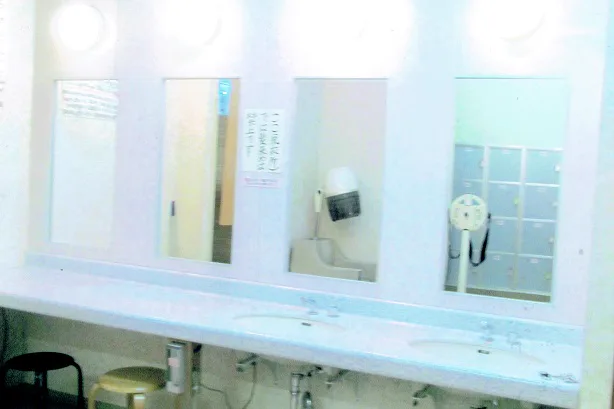
Daifuku-yu is a neighbourhood bathhouse with several pools and three sauna types; the sauna carries an additional charge. Seian-yu uses softened groundwater heated with firewood, while Jinsui Public Bath and Ryu-no-yu are smaller local options. These are useful if you want a straightforward bath rather than a resort-style visit. Check each operator’s current schedule: opening days differ, and the city’s September emergency-bathing list can change as facilities update their hours.
The five currently listed traditional sento each suit a different itinerary. Jinsui is near Kuwamizu-Kosaten tram stop but opens for only four afternoon hours and has no lockers. Daifuku-yu stays open until 11 pm and adds ¥100 for its three sauna types. Tatsunoyu is near Minami-Kumamoto and Heisei, but closes on six specific dates each month rather than one weekday. Seian-yu is the firewood-heated soft-water bath with a Mount Fuji mural; it closes at 9 pm and does not admit tattooed guests. Takanoyu is near Kengun-machi, open until 10 pm, and has no towel or toiletries rental. The five-bath sento comparison lists the hours and closure days side by side.
The ¥550 regulated adult price is only the entry baseline. Daifuku-yu adds ¥100 for the sauna; towels, soap or shampoo may add more or may not be available at all. Seian-yu, Jinsui and Daifuku-yu have basic rentals or toiletries, while Takanoyu asks visitors to bring their own. A low admission fee does not guarantee an easy walk-in visit if the bath is closed or you are carrying luggage.
Peaceful Yu-Yu opens early and stays open until midnight. Its official bath page describes a multi-purpose bathing and sauna facility, not a natural hot spring. That distinction matters if spring water is the reason you are going.
Where the old Tsurunoyu listing fits
Search results may still show Tsurunoyu’s former 6:00 a.m. opening and ¥550 admission. Those details describe the old operation, which ended August 31. The site is scheduled to reopen as Kame-no-Yu by HATAGO INN on November 1, 2026. Treat its published rates and facilities as pre-opening information until the new bath is actually operating.
Getting there and planning the return
These baths are not clustered around Kumamoto Castle or the central tram stops. Batten no Yu is near Lake Ezu; Agannasse is in northern Kumamoto; Peaceful Yu-Yu is on the eastern side. Check the last bus or tram before committing to a late session. Batten’s 2:00 a.m. closing time does not mean public transport runs that late.
The September 4, 2026 municipal emergency-bathing list is a helpful date-stamped operating check, but not a substitute for each bath’s own notice. It also keeps the old Tsurunoyu listing from being mistaken for an open early-morning bath: the former operator closed on August 31, and the address is scheduled to reopen under a new name on November 1. Treat the new operator’s opening hours and rates as advance information until it is operating.
These neighbourhood baths are not all natural onsen. Jinsui uses deep groundwater, Seian-yu softens groundwater, and Tatsunoyu and Takanoyu list tap water. Daifuku-yu’s “cold spring” wording does not come with an individual source analysis. If a legally confirmed hot spring is essential, stick to facilities explicitly identified as natural hot springs rather than the broad label “bathhouse.”
If choosing between the two natural-spring facilities, the Kumamoto City natural onsen comparison focuses on their different plans and current operating conditions. For Ueki, which is within Kumamoto City administratively but works more like a separate hot-spring district, see the Ueki day-use guide.