awa awa KOBE vs Tsuki-no-Yufune: A Kobe Onsen Choice for City Days or a Slow Soak
Compare these Kobe spas by transit, parking, sauna and water: Tsuki-no-Yufune has a 33°C source bath and seawater pool; awa awa is near HAT Kobe.
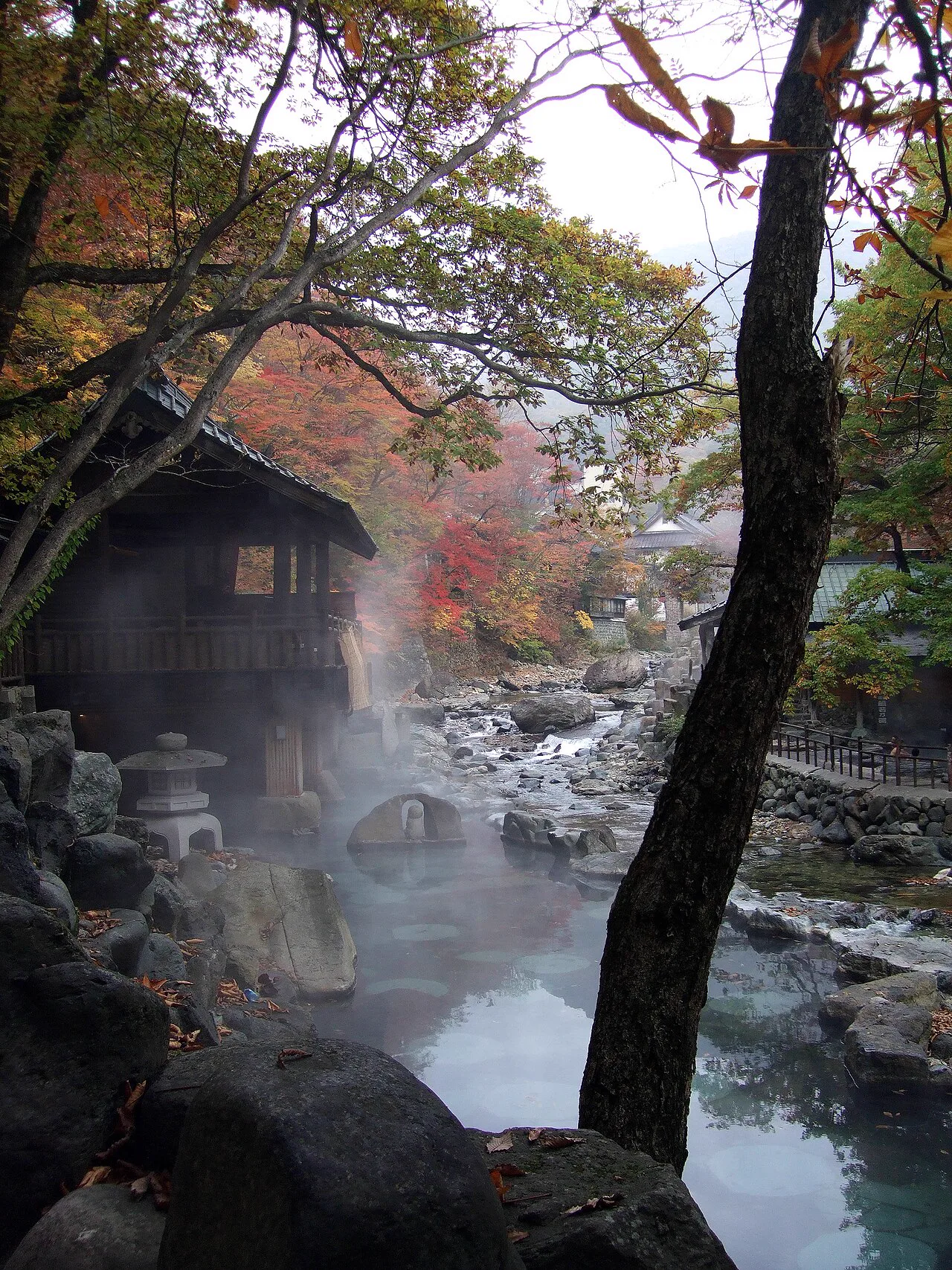
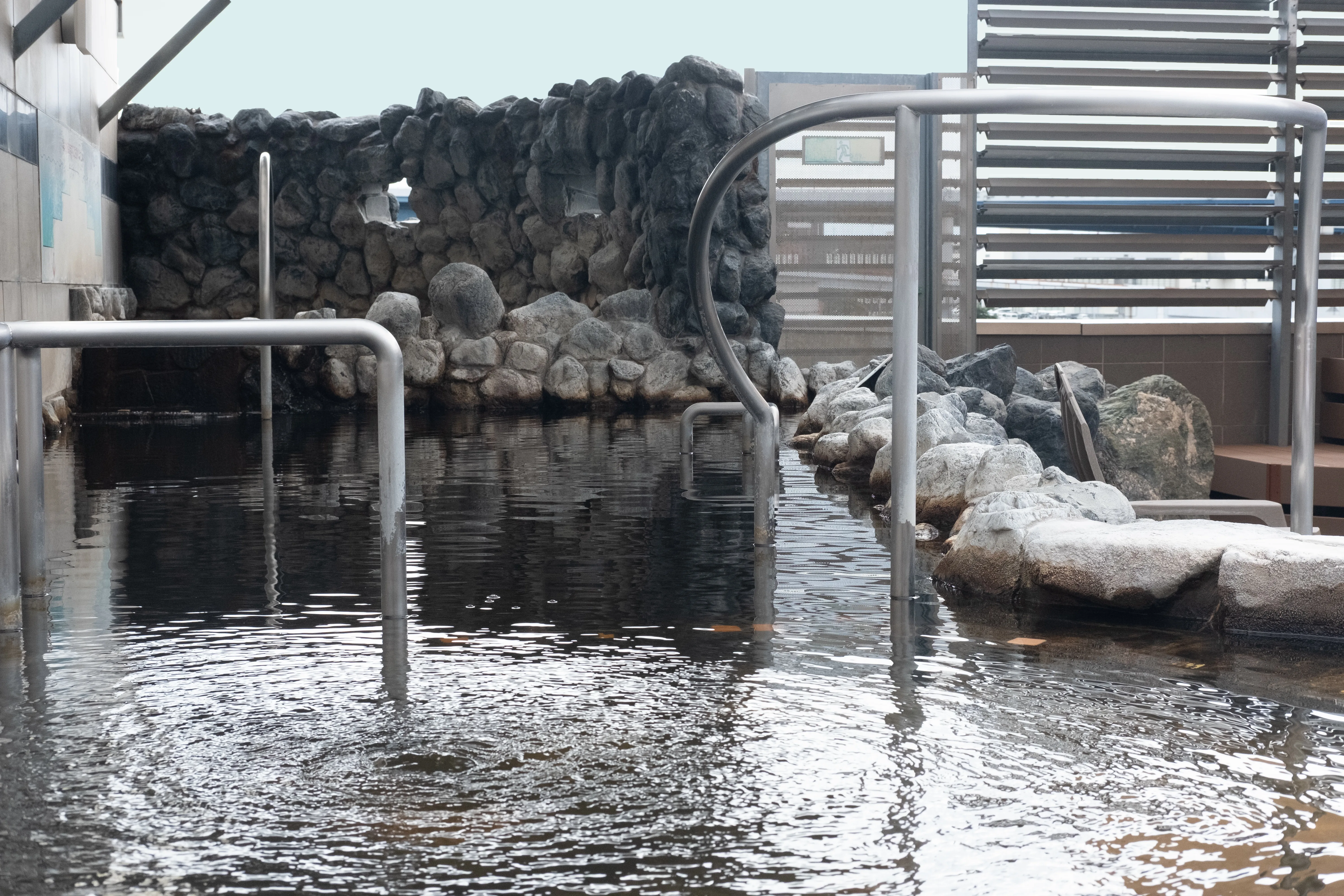
The weekday adult entry price is the same at awa awa KOBE and Tsuki-no-Yufune: ¥1,000. After that, the resemblance fades. awa awa sits in HAT Kobe, close to the waterfront museums, and offers a bookable swimsuit sauna for mixed groups. Tsuki-no-Yufune is in Tarumi’s James Yama area, where a bus or car is more practical; its outdoor bathing area includes a clearly identified 33°C free-flowing source bath and a separate natural-seawater bath.
Start with the part of Kobe you will be in
For an afternoon at the Hyogo Prefectural Museum of Art or along the HAT Kobe waterfront, awa awa is the simpler add-on. It opens at 10 a.m. and is about a 10-minute walk from Hanshin Kasuganomichi Station. From Sannomiya, Kobe City Bus route 101 serves the Nisseki Byoin-mae stop.
Tsuki-no-Yufune opens earlier, at 9 a.m., but sits farther west in Aoyamadai, Tarumi Ward. From JR or Sanyo Tarumi, take a Sanyo Bus toward Tsutsujigaoka and walk about five minutes from Miyamadai. From subway Myodani, take the bus toward Aoyamadai and walk from Matsukazedai. The facility has free parking for 150 cars, so it is a much easier choice by car than by rail alone.
| awa awa KOBE | Tsuki-no-Yufune | |
|---|---|---|
| Adult admission | ¥1,000 weekdays; ¥1,200 weekends/holidays | ¥1,000 weekdays; ¥1,030 weekends/holidays |
| Full spa hours | 10 a.m.–midnight; last entry 11 p.m. | 9 a.m.–midnight; last entry 11 p.m. |
| Distinctive water | Natural hot spring; outdoor rock bath heated to 42°C | 33°C source-fed reclining bath, hotter spring bath and natural seawater bath |
| Sauna | Public sauna; separate swimsuit-required private sauna | Public sauna; no equivalent mixed-group private sauna listed on its official site |
| Parking | Two lots listed, 250 spaces in total | Free parking for 150 cars |
Tsuki-no-Yufune also sells a ¥500 indoor-bath-only ticket. It excludes the outdoor baths and sauna, so it is not the right price to compare if those are the reason for going. The full-bath ticket is ¥1,000 on weekdays and ¥1,030 on weekends and public holidays.
The bathing water is the real difference
Tsuki-no-Yufune is the clearer pick for anyone who prefers a low-temperature soak. Its official outdoor-bath page describes Nemachi-no-yu as a 33°C source-fed, free-flowing bath. Mochi-no-yu is around 41.5°C, and Saku-no-yu uses natural seawater from the Shioya coast. The seawater pool is a distinct bathing option, not another hot-spring source.
awa awa’s published spring temperature is 35.2°C, but its outdoor rock bath is heated to 42°C for use. Those numbers describe different things: the source temperature and the temperature of that particular bath. If you specifically want a pool around body temperature, Tsuki-no-Yufune gives a more direct answer. For more on the difference between spring and bath temperatures, see how to read onsen water temperatures.
There is no need to treat the 33°C pool as a measure of every bath at Tsuki-no-Yufune. The facility also lists a hotter natural spring bath and a seawater pool. Likewise, awa awa’s published figures do not establish that every bath is supplied by a free-flowing source.
Shared sauna time costs extra at awa awa
The main practical advantage at awa awa is its private sauna, which can be booked for up to six people for 90 minutes. Guests wear swimsuits, so a mixed-gender group can use the same private space. The setup includes a self-loyly sauna, deep cold bath and outdoor cooling area, plus access to the public baths. Current fees start at ¥8,500 per person on weekdays and ¥9,500 on weekends and public holidays; extra guests and swimsuit rental cost more.
Tsuki-no-Yufune’s published offer centres on separate public bathing areas and public saunas. Its current official pages do not list an equivalent swimsuit-required private sauna for mixed groups. If that is the point of the outing, the two facilities are not direct substitutes. For an ordinary soak, both have public sauna facilities and the near-identical weekday admission makes location and preferred water more useful deciding factors.
Practical rules before you go
awa awa admits elementary-school children for ¥600 and preschool children free, with adult supervision. Tsuki-no-Yufune charges ¥450 for children aged four through elementary school. Both have restrictions on children bathing with adults of a different sex; Tsuki-no-Yufune’s price page cites a ban from age seven.
Both facilities publish strict tattoo rules. awa awa allows a tattoo only when completely covered by its specified 13 × 19 cm cover seal. Tsuki-no-Yufune’s bathing rules refuse entry to guests with tattoos and do not list a cover-seal exception. If a tattoo policy applies to you, check the facility’s current wording rather than assuming one venue will accept the other’s cover product.
For a short city stop, awa awa is the practical fit. For a car outing in western Kobe, a leisurely circuit of very different outdoor baths, or a deliberate low-temperature soak, Tsuki-no-Yufune has the more distinctive case. If you are comparing a third option, Uhara-no-Yu’s early opening and bedrock bath make it a different kind of Higashinada outing.