Yuraku Kinosaki Spa and Gardens: Five Private Baths, Two Ways to Use Them
Yuraku gives each booked room one scheduled private-bath session, plus two vacancy-based private baths. Learn what the room tubs and outside-bath pass include.
Yuraku’s strongest case is simple: every booked room is promised one 40-minute session in a private outdoor bath, and two more private baths can be used whenever vacant. That gives couples and families more flexibility than an inn with a single bookable tub. The catch is that a private bath in the guest room is a different thing: Yuraku says the flower-bath room tubs use heated water, not Kinosaki spring water.
A guaranteed slot, then two baths you use when free
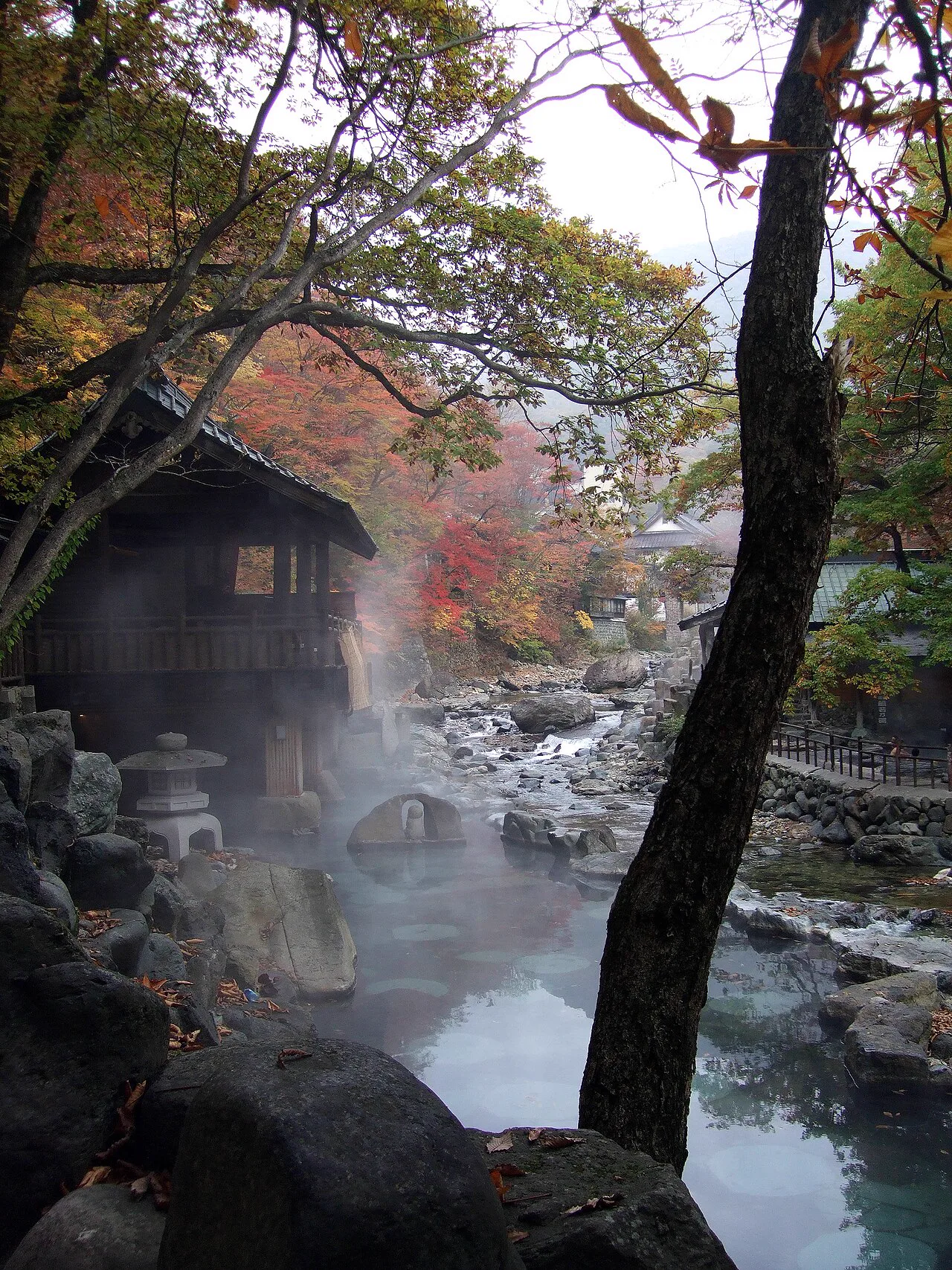
The three outdoor baths—Take, Tsuki and Kaze—are free for overnight guests. One 40-minute use is assured per booked room. Guests normally choose the bath and time at check-in, first come, first served. If having a particular time matters, the inn offers advance booking for ¥2,200; its official-site reservations currently include that advance reservation without charge. Check the booking conditions before assuming the perk applies to your plan.
Yama and Murasaki work differently. They are private-use semi-open-air baths with no advance booking; guests check availability by QR code and enter when one is vacant. In practice, the first group gives you a planned shared soak, while the other two may fill gaps in your evening. They are not guaranteed sessions, so keep the booked slot if you need one fixed time together.
The gender-separated indoor baths, Mizu and Akari, switch between men and women by day. Their hours run later in the morning than the private baths: the current official page lists 6–9:30 a.m. for Mizu/Akari, versus 6–7:40 a.m. for the private baths. If you want a private soak before breakfast, plan to get up early.
Room tubs are for privacy, not spring water
Most rooms do not have a bath. The Riraku rooms have semi-open-air flower tubs, but Yuraku’s official room information describes the water as heated tap water. Book one for a private bath in the room, not for an in-room natural onsen. The hotel’s natural spring water is in its shared and private-use bathing facilities.
That distinction matters when comparing room upgrades. If you expect to use the five in-house private baths, a standard room may be enough. If you want to bathe without leaving your room or coordinating around a slot, the tub can still be useful—the water source simply is not the upgrade.
The town is close; the building is not step-free
Yuraku says the nearest public bath is about a three-minute walk and provides an outside-bath pass to overnight guests. Its current bath page lists six public baths. Opening days and maintenance closures change which ones you can actually use, so check the live town schedule rather than planning around all six being open on one evening.
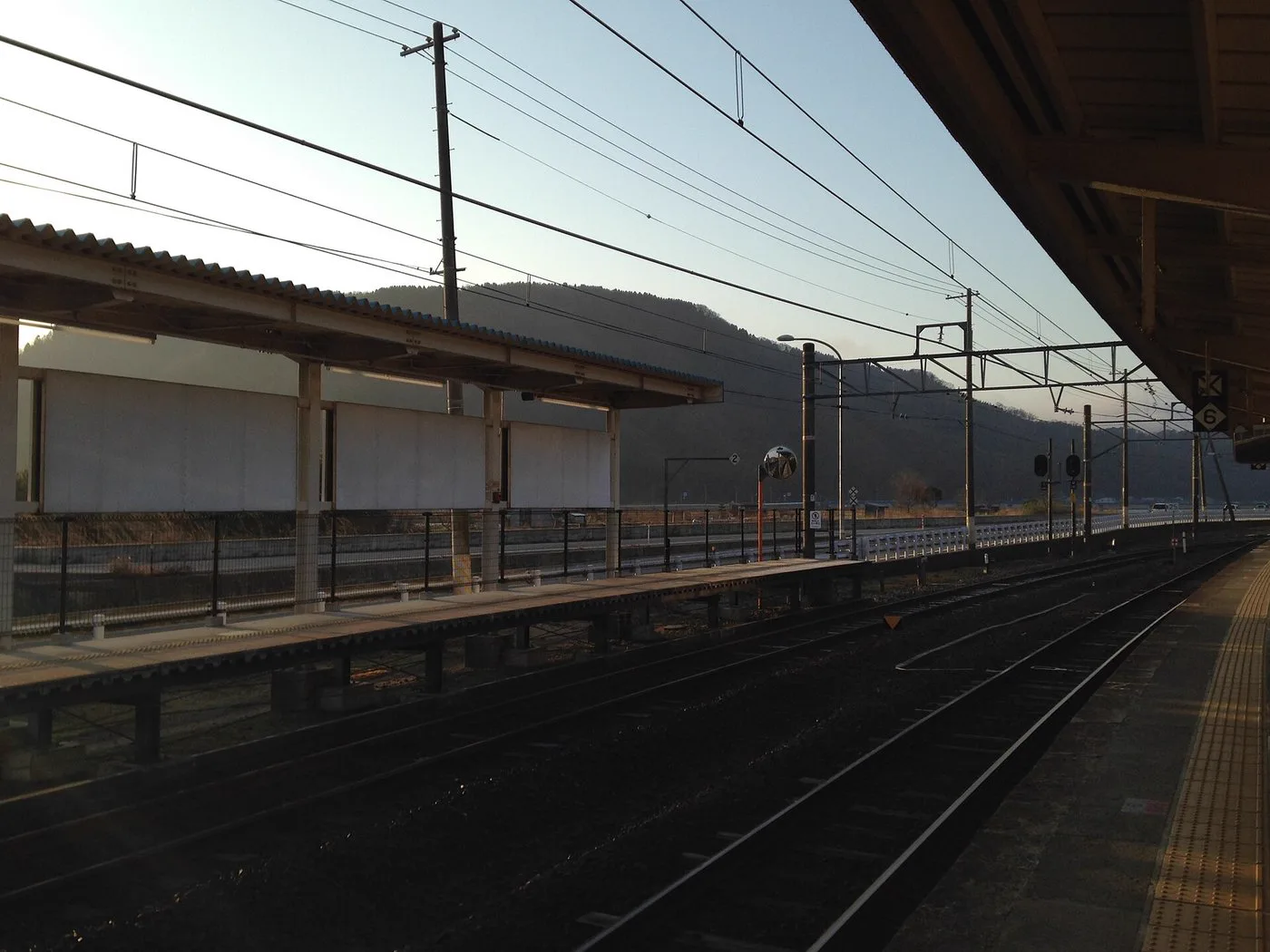
The inn is about a 15–20-minute walk from Kinosaki Onsen Station, and a free ryokan-association bus serves arriving trains during its operating window. Ask station staff for the current bus and departure details if you arrive outside that window. The property has an elevator, but Yuraku explicitly says it is not barrier-free: there are entrance stairs and level changes inside. An elevator does not guarantee a step-free route to your room, restaurant or bath; confirm the whole route if anyone in your party has mobility needs.
For another Kinosaki inn where two private baths are available without booking, see Sensui. Its smaller scale and stair-only layout create a different trade-off.