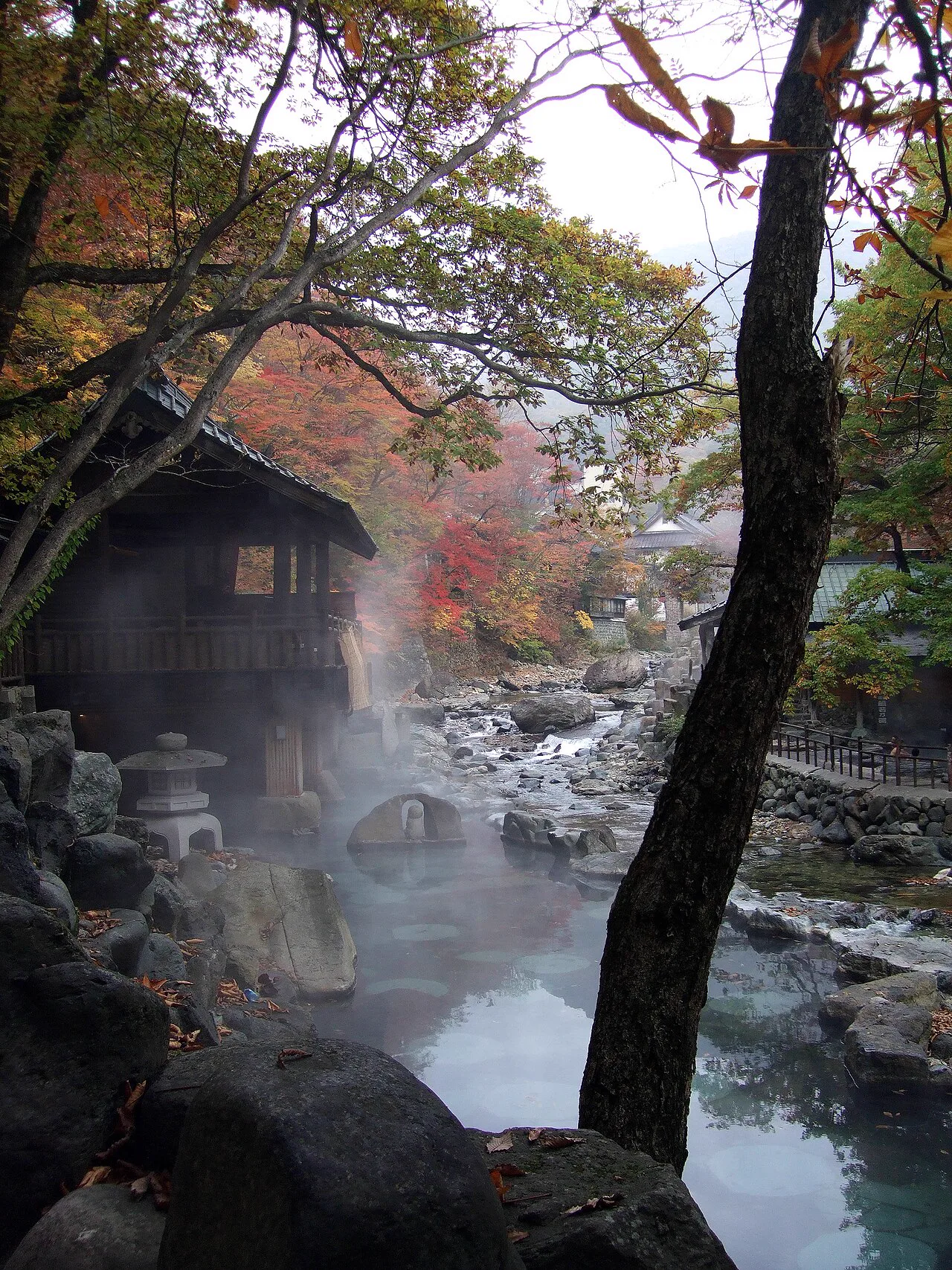
Kinosaki Onsen Solo Travel: Where to Stay, Eat and Use the Seven Public Baths
Plan a solo night in Kinosaki around one-person room plans, dinner, the seven public baths and luggage. Compare Morizuya with Tsuchiya and UTSUROI.
For a solo trip to Kinosaki Onsen, the first booking decision is often dinner, not the baths. Check whether an inn has a room and meal plan for one guest, then work backwards from the dinner seating and the last bath you want to visit. Rooms for one are limited, especially with dinner included; secure the stay before buying non-refundable train tickets.
Decide how you want to handle dinner
| Plan | Why it works alone | What to arrange first |
|---|---|---|
| Dinner and breakfast at the inn | You have a confirmed meal and can return after bathing | A one-person plan, dinner seating time and table arrangement |
| Breakfast only | You can choose dinner in town without giving up breakfast | A restaurant open that night and its last order time |
| Room only | The most flexible schedule | A backup restaurant; evening opening days vary |
Kinosaki is about 2 hours 40 minutes by limited express from Osaka and 2 hours 20 minutes from Kyoto. After arrival, you can walk to many inns or use the ryokan association’s shared shuttle when it is operating. A late arrival can collide with dinner, the shuttle window and bath hours, so check the actual train you plan to take against your inn’s schedule.
Restaurants are not guaranteed to be open every evening. Check the Kinosaki restaurant directory for your date, then confirm directly with the restaurant. CYAN, run by a local inn group, is one option for kamameshi and regional ingredients; check its reservation and menu details with the restaurant. If you plan to eat after bathing, ask about the kitchen’s last order rather than relying on map listings.
Two inns with rooms for one, two different evening plans
Morizuya: keep dinner and the return indoors
Morizuya is beside Ichinoyu and currently lists six-tatami Japanese-style rooms for one guest, with dinner-and-breakfast, breakfast-only and room-only plans. That makes it worth checking if you would rather not find a restaurant after arriving. It has two in-house baths; private use depends on the date and plan, so confirm how it works for your stay instead of assuming that a “private bath” can be reserved at any time.
One-person availability is limited and may not appear for every date. Dinner has a set serving time. If your train arrives close to that time, ask the inn about its latest check-in and whether the shared transfer aligns with your service.
Tsuchiya Ryokan and UTSUROI: choose dinner in town
Both the main building at Tsuchiya Ryokan and its UTSUROI annex list rooms for one, with breakfast or room-only options. This setup suits a solo traveller who wants to choose dinner independently or use the attached café for breakfast. Check which building a room belongs to: the names do not describe identical layouts.
The main building’s KIRI single room is a six-tatami Japanese-style room on the second floor, and there is no lift. UTSUROI has a different layout in a renovated building. Private-use bathing at either building follows the day’s operating rules; complimentary use does not necessarily mean you have a guaranteed reserved slot. Confirm the application method and whether you can bathe alone at your intended time.
A one-night schedule with room for dinner
Around 3 p.m.: Drop your bag at the inn or the ryokan association’s shuttle stop. The shared bus is timed around limited-express arrivals; it is not a late-night service. If you arrive later, ask the property how to reach it. The visitor centre offers luggage storage subject to its rules; keep electronics such as laptops and cameras with you.
Before dinner: Choose one public bath that is open and close to your accommodation. The seven baths share high-temperature sodium–calcium chloride spring water; the practical differences are their location, facilities and opening hours. There is no need to cross the whole town just to collect bath names. As of 27 September 2026, Kōnoyu is scheduled to remain closed through 30 October, while Satono-yu remains closed for an extended period. Recheck the official bath schedule for your date.
After dinner: If your plan includes dinner at the inn, return there instead of adding a distant bath. With a room-only or breakfast-only stay, eat before the last order time and pick a nearby bath. Yanagi-yu is compact and opens later in the afternoon; if it is busy, switch to another open bath rather than losing the rest of the evening in a queue.
The next morning: Visit one early-opening bath, then leave time to return, pack and check out. If you want to walk around after checkout, the visitor centre lists luggage storage at ¥500 per item, from 9 a.m. to 5 p.m.; collect bags before it closes. Pick a bath near your onward route so you do not have to walk back across town for your luggage. The validity period for a lodging guest’s bath pass depends on the inn and plan, so confirm yours directly.
When an overnight stay is more useful than a day trip
From Osaka or Kyoto, return travel alone takes close to five hours. A day trip can work if you want one bath and a meal, but an overnight stay lets you split bathing between arrival evening and the following morning. That matters most if you want to wear a yukata around town or sit down for dinner without watching the return-train clock.
Morizuya is the more straightforward option when a confirmed inn dinner matters. Tsuchiya or UTSUROI gives you more control over where to eat, but you need to check the restaurant’s opening day and access. If you arrive late, skip the farthest bath and confirm the inn’s late-arrival plan; one well-timed bath is better than spending the evening chasing closing times.
Sources
- Morizuya: single-occupancy rooms and plans
- Tsuchiya Ryokan: single-occupancy room and plan details, stay plans
- Kinosaki access and ryokan association shuttle
- Public bath hours, closures and spring type
- Visitor centre luggage service
- Kinosaki restaurant directory, CYAN dining
- Tsuchiya Ryokan: dinner cut-off, private baths and station transfers
- Image: Drivephotographer, Kita-Yanagi Street in Kinosaki Onsen, CC0 1.0; converted to WebP.