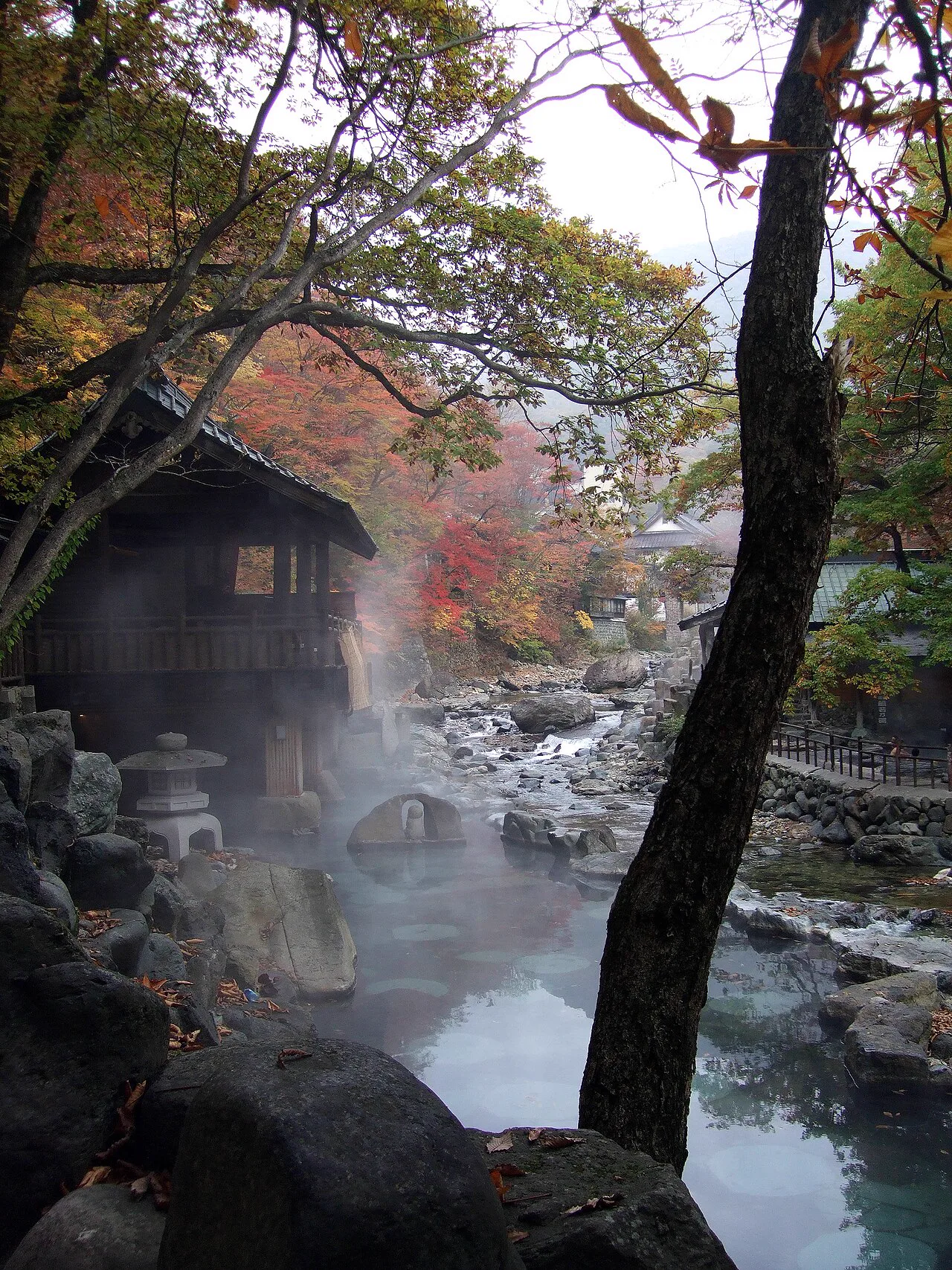
Kinosaki Onsen on a Budget: Hostel Waraku, Koman or Hanakouji Saigetsu?
Compare Hostel Waraku’s simple room, Koman’s in-house spring baths and Hanakouji Saigetsu’s station-side private bath by total stay cost.
Room prices change with the date, room and meal plan, so there is no reliable year-round price ranking. The previous comparison used rates for September 12–14, 2026, which have passed. Check all three for the same dates and guest count, then compare what each plan actually includes.
For context only, an archived search showed these two-night card totals:
| Stay | Archived total | Difference from Waraku |
|---|---|---|
| Waraku | NT$8,376 | — |
| Koman | NT$11,241 | NT$2,865 more |
| Saigetsu | NT$12,949 | NT$4,573 more |
These are historical search-card totals, not current quotes or a like-for-like promise about meals, room type or cancellation terms. Use the booking pages for a fresh comparison.
Compare what the room rate gets you
| Stay | Bathing included with the stay | Main budget trade-off |
|---|---|---|
| HOSTEL Waraku | A shower in each room and a bookable outdoor barrel sauna; the town’s public baths are the main hot-spring option | The simplest lodging setup, but meals and any public-bath pass need to be accounted for separately |
| Sennen no Yu Koman | Two natural-spring public baths and two private baths for overnight guests | Room-only plans can avoid a full dinner package without giving up the inn’s bathing facilities |
| Hanakouji Saigetsu | Two small natural-spring baths used privately at night and by gender in the morning | A station-side location and scheduled private bathing, with no passenger elevator and no room bath |
Kinosaki’s day pass, the Yumepa, allows unlimited entry to the town’s public bathhouses on the day you buy it. The official tourism site currently lists it at ¥1,500. Individual bathhouses close on different days, and temporary work can change what is open, so check the live schedule before counting on a particular bath. Overnight guests should confirm the pass terms attached to their own plan; inclusion and validity can vary by inn.
Waraku keeps the room basic and the baths outside
Waraku has eight rooms, each for up to two guests. Every room has two beds, a shower and a toilet. There is also a shared kitchen and lounge, plus an outdoor barrel sauna that requires advance booking; swimsuit use is required. The hostel has no elevator or guest parking, and the sauna fee can depend on the stay plan.
The natural hot springs are in town, not in the hostel. Waraku’s English guide says Yumepa can be bought at any public bathhouse counter; it does not promise a pass with every room booking. Check the reservation plan before treating public bathing as included. With a room-only rate, dinner and breakfast are also yours to arrange—useful if you want the flexibility, less useful if you expect the inn to handle the evening.
Kinosaki’s public bathhouses accept guests with tattoos. That town-wide policy does not automatically apply to baths inside a ryokan, so ask Koman or Saigetsu directly if you may need their in-house baths as a backup.
Waraku makes the most sense when bathing outdoors is already part of the Kinosaki plan and the room is mainly for sleeping. Its location also puts the town within reach on foot: the walk between Jizo-yu and Kono-yu, at opposite ends of the public-bath area, takes about 15 minutes. That distance matters on a rainy evening or after a long day, even if the room rate is the lowest of the three for your dates.
Koman adds in-house hot springs, even on room-only plans
Koman’s current room-only offers are listed with free access to the town’s public baths. The inn also has two natural-spring baths of its own, plus two private baths in its annex that overnight guests can use at no extra charge. Its room-only option is a useful middle ground if you want to skip a dinner package but still be able to bathe without heading back outside.
The two public baths, Jurei-no-Yu and Hakuya-no-Yu, are listed for use from 3 p.m. to midnight and again from 6 to 10 a.m. Both are chloride springs circulated through the baths. The two annex baths are also described as natural hot springs, but Koman’s page uses both “free-flowing” and “circulated” wording for them. The water-handling description is inconsistent, so it is safer not to book on the assumption that those private baths are continuously fed with fresh spring water.
One room upgrade can also be misleading if the reason for paying more is the bath. Koman’s room page explicitly says that none of its in-room tubs—including open-air baths—use hot-spring water. They may still offer privacy, but the natural spring is in the shared and annex baths.
The building has stairs and no elevator. If anyone in your group needs step-free access or has difficulty with stairs, ask the inn which rooms and routes are practical before booking.
Saigetsu puts privacy and the station first
Hanakouji Saigetsu is about a three-minute walk from Kinosaki Onsen Station. Its two indoor baths—one with an old-growth cypress tub, the other with granite—use Kinosaki spring water. At night each is reserved for one group at a time, with a session of about 40 minutes arranged at check-in. In the morning, they switch to separate men’s and women’s bathing. There is no large communal bath, and the rooms do not have baths.
The station is close, but the building is not step-free. It is a three-storey wooden inn with no elevator, and guests use the stairs to reach their rooms, dining room and baths. The inn also does not accept children through junior high school. These details can outweigh the convenience of being near the station if you have heavy luggage, limited mobility or children in your group.
Saigetsu suits two adults who want to arrive by train, keep the walk with luggage short and have a private soak at the inn. If you plan to spend most of your time in public baths, a simpler room may leave more of the budget for meals or other stops.
What the properties’ spring notes list
The following indications and cautions are summaries of the bathing information cited in the property-source checks updated September 8, 2026. They describe what those materials list; they are not medical advice, and they do not establish that bathing treats or prevents any condition.
| Property | Indications listed in the source material | Cautions or limits recorded |
|---|---|---|
| Sennen no Yu Koman | Cuts, burns, chronic skin conditions, neuralgia, muscle and joint pain, chronic digestive conditions, and sensitivity to cold. | The source summary lists cautions including acute illness, active tuberculosis, kidney or respiratory failure, bleeding disorders, severe anaemia, malignant tumours and serious heart disease. This is a summary, not a substitute for the property’s full bathing notice. |
| Hanakouji Saigetsu | Neuralgia, muscle pain, bruises, chronic digestive conditions, haemorrhoids and fatigue. | The reviewed source did not establish a separate contraindication list for this inn; do not transfer another spring’s warnings to it. Its private baths are limited to about 40 minutes per group, with the time arranged at check-in. |
The source page describes both Koman’s public baths as circulated natural spring water. For the annex baths, it uses both “free-flowing” and “circulated” wording, so the supply method remains unresolved. Saigetsu’s published 42°C figure is not clearly identified as source or tub temperature; it should not be read as a confirmed bathing temperature.
Compare the real cost for your dates
Line up the same dates, guest count, room type and cancellation deadline, then add meals, any Yumepa pass not included in the plan, and the cost of getting to the baths you want to use. A room-only rate can look cheaper until dinner and a late taxi are added; a higher rate may make sense if its in-house baths replace several trips outside. The Kinosaki ryokan guide explains how in-house baths and guest passes differ, while the Saigetsu and Koyado Enn comparison covers their private-bath arrangements.
Yubiyori’s seven-point ratings offer a separate editorial comparison, not measured standards or review averages. Koman scores 90 for bath comfort, 95 for variety, 85 for upkeep, 75 for setting, 85 for quiet, 85 for access and 90 for value. Saigetsu scores 90, 75, 90, 65, 85, 95 and 85 respectively. That reflects the different emphasis: Koman has more kinds of baths, while Saigetsu is closer to the station. Neither score changes the practical limits of stairs, room facilities or a scheduled private-bath window.
Sources
Official property and destination information
- HOSTEL Waraku: [English accommodation guide](https://kinosaki-waraku.com/en/stay/), [Kinosaki and Yumepa](https://kinosaki-waraku.com/en/kinosaki/), [location, parking and luggage storage](https://kinosaki-waraku.com/en/location/) - Sennen no Yu Koman: [room-only plans](https://www.sennennoyu-koman.com/), [baths and spring handling](https://www.sennennoyu-koman.com/kannai/spa.html), [room-bath note](https://www.sennennoyu-koman.com/room/room.html) - Hanakouji Saigetsu: [facilities and room floors](https://hanakoujisaigetsu.com/facilities/), [FAQ on age policy and bath sessions](https://hanakoujisaigetsu.com/faq/), [station access and public-bath pass](https://hanakoujisaigetsu.com/access/) - Visit Kinosaki: [public bathhouses, Yumepa price and operating notes](https://visitkinosaki.com/about-kinosaki/the-7-mystic-onsen/) - Image: [Kinosaki Onsen street on Wikimedia Commons](https://commons.wikimedia.org/wiki/File:Kinosaki_onsengai01.jpg)Checked: September 28, 2026