Ibusuki Without a Car: Sand-Bath Aftercare and When to Stay Overnight
Plan Ibusuki without a car around infrequent buses, Saraku’s sand bath and recovery time. Compare local buses, a ¥18,000 taxi tour and an overnight stay.
Ibusuki is possible without a car, but the day works best when you choose your southern Satsuma stops before leaving the station. Kagoshima Kotsu buses serve Nagasakibana and Lake Ikeda; JR Ibusuki-Makurazaki Line trains serve Nishi-Oyama Station, whose sparse departures do not line up neatly with every bus. The sightseeing bus is suspended, so older itineraries that include it are no longer usable.
A bus-based day: choose one distant stop or accept short visits
The following is a weekday example based on the Kagoshima Kotsu timetable effective 1 April 2026. It leaves little slack; weekend and holiday services differ. Recheck the current timetable and return bus before setting out.
| Example time | Plan | What the connection allows |
|---|---|---|
| 9:10 | Leave Ibusuki Station by local bus for Nagasakibana; scheduled arrival is about 9:51 | Walk around Ryugu Shrine and the coast, then check the return departure before exploring |
| 11:09–11:50 | Take the return bus to Ibusuki Station | This is a southern-coast stop, not a connection to Nishi-Oyama Station |
| 11:50–13:10 | Lunch and a break near the station | Missing the next bus can squeeze the afternoon considerably |
| 13:10–about 14:20 | Ride the local bus toward Lake Ikeda | The example allows about 30 minutes by the lake |
| 14:50–about 16:00 | Return to Ibusuki Station | If you want a longer lakeside walk, drop Nagasakibana instead |
| After 16:00 | Walk or take a short ride to Saraku | Allow about an hour at minimum for the visit; longer if it is busy |
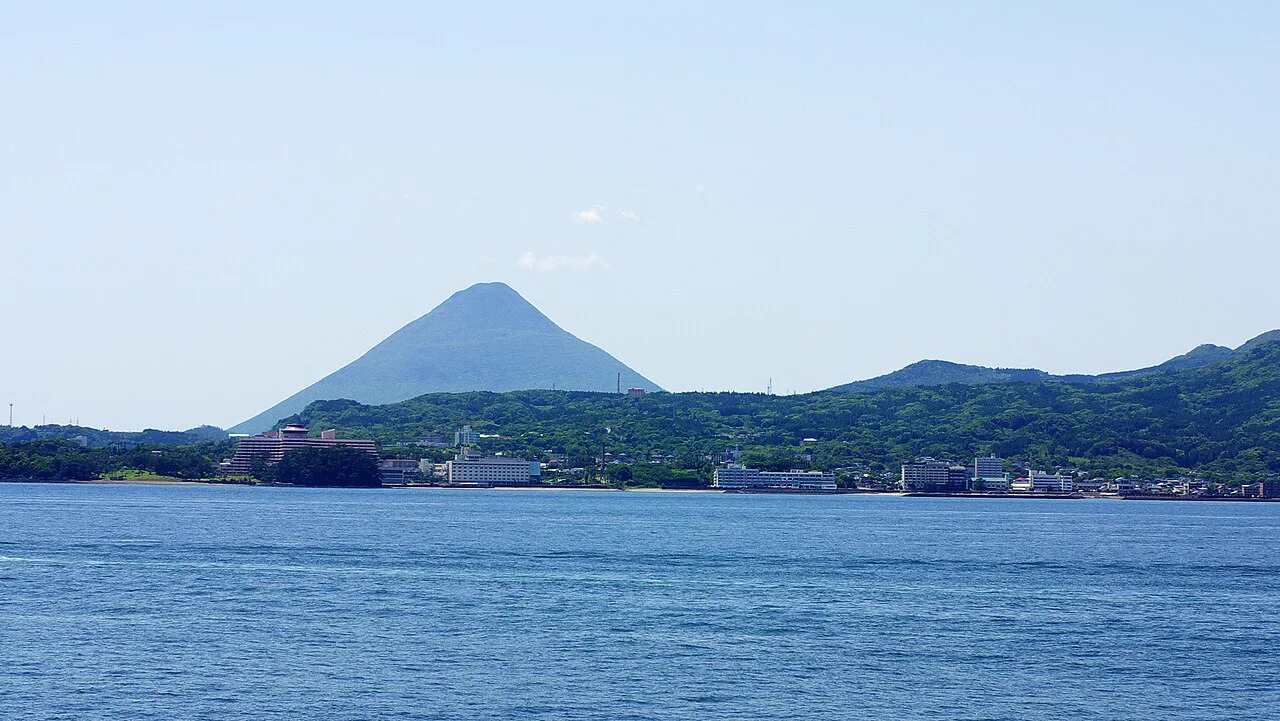
The bus route gives you brief looks at the Nagasakibana coast, Mount Kaimon and Lake Ikeda, but it does not stop at Nishi-Oyama Station. If that station matters, treat it as a separate JR outing: check trains toward Makurazaki first and build your stop around the return train. It is not a transfer hub, and a missed train can mean a long wait. Leave large luggage near Ibusuki Station rather than taking it to the platform and trying to arrange onward transport there.
A three-hour sightseeing taxi from Ibusuki Station can replace the two long bus legs. The standard-car route visits Nishi-Oyama Station, Nagasakibana and Ryugu Shrine, passes Mount Kaimon, and includes Lake Ikeda. It costs ¥18,000 per car for up to four passengers—about ¥4,500 each for four people or ¥9,000 each for two.
Stops are short, so decide where you want extra time. Adding Tosenkyo requires a longer route and can cut into lunch or the sand bath.
For groups of five or more, the tourism association says to arrange a suitable jumbo taxi in advance. For up to four, ask at the Ibusuki Station Tourist Information Centre about the sightseeing taxi. The ¥18,000 fare covers the car, not admission, food or other personal expenses. If you use the local bus instead, keep Nishi-Oyama as a separate rail plan rather than assuming it is a bus stop.
If you only have half a day
Choose either Nagasakibana or Lake Ikeda, then go to Saraku. Do not try to squeeze both in before a departure from Ibusuki. If you miss the 13:10 bus in the sample, the next Lake Ikeda connection and return leave little room for bathing, dinner or onward travel. On a day when you must catch a long-distance train or bus, dropping Lake Ikeda is the safer way to protect the return buffer.
Mt. Kaimon is weather-dependent: low cloud can hide its outline, while wind or rain makes the exposed Nagasakibana paths more tiring. Shorten the outdoor portion to one stop in poor conditions. A summit hike needs at least half a day and does not fit this itinerary.
Put Saraku before the last connection, not after it
Saraku is about a 20-minute walk or five-minute drive from Ibusuki Station. Its published hours are 8:30 am–9 pm, with final reception at 8 pm; weekday sand-bath reception pauses from noon to 1 pm. Maintenance closures, weather or equipment problems can change service, and a long queue may bring an earlier cutoff. Sand bathing is not reservable. Check the facility’s calendar on the day you go.
The current minimum sand-bath set is ¥1,500 for adults and ¥800 for children. It includes the sand bath, a rental yukata and access to the large bath. Other sets with towels or rental innerwear cost more, and Saraku applies special-period prices during some holiday seasons. Confirm the current price list before visiting; the fee is separate from transport and meals.
Saraku says to allow about an hour for the whole visit. That covers changing, the sand-bath session, washing off and getting dressed; queues can extend it. For a busy day, budget 75–90 minutes rather than booking the next leg immediately after the nominal hour. The last reception is not a promise that you can arrive at 8 pm and be finished by 9.
After the sand bath, rinse the sand from your skin and hair before using the large bath. Change into dry clothes, sit down and drink water before continuing. If you feel dizzy or unwell, cancel the next outdoor stop and rest; do not turn the timetable into a reason to push on. Anyone with a health condition or concerns about bathing should check with a clinician and ask Saraku about its current guidance before taking part.
If a companion is not bathing, agree on a meeting point and time in advance. Photography is not allowed in the changing rooms, sand-bath area or baths, including for non-bathing visitors.
When a night in Ibusuki makes the day easier
A day trip from Kagoshima can work if you leave early, pick two or three stops and are comfortable heading back after the bath. It becomes tight if you arrive near midday and want to combine the southern coast, Lake Ikeda and a sand bath. Staying overnight is the more practical choice if you are travelling with an older companion, want an unhurried wash and dinner after bathing, or would rather not watch the clock after the sand bath.
The two inns below suit different plans. Ibusuki Hakusuikan has its own sand bath and Genroku Bath, so bathing, resting and dinner can stay within the property. The grounds are large; check which building your room is in and account for the walk to the baths. Its free station shuttle is limited to the published departures: Hakusuikan leaves at 9:00 and 10:10 am; the station departure is 3:15 pm. Confirm service details with the inn before relying on a connection.
Ibusuki Syusuien is near Saraku and is a fit if you want to pair the public sand bath area with a ryokan dinner. Its complimentary shuttle between the inn and Ibusuki Station must be reserved for a selected departure. The currently listed station pickups are 2:20, 3:10, 3:40, 4:20, 4:50 and 5:20 pm; departures from the inn are 7:50, 9:10 and 9:30 am, and 10:30 am. Check the current schedule and reserve before planning around a train.
Compare dinner seating, shuttle times and your next morning’s departure before choosing a room. If you need an earlier train than the inn’s first shuttle, arrange a taxi or other transport ahead of time rather than assuming the hotel bus will match every service.
Rough costs and a slower overnight rhythm
The three-hour sightseeing taxi is ¥18,000 per standard car, whether two or four people share it; JR fares, Saraku admission and meals are additional. An overnight schedule can leave the late afternoon for the sand bath and recovery, dinner around 6 pm, and breakfast around 7:30–8:30 am before checkout. Use the specific shuttle times above to set your morning, not the other way around.
Allow 75–90 minutes at Saraku on a busy day for the queue, changing, bathing, rinsing and getting ready. Afterward, change into dry clothes and keep a buffer before your next bus or train. If the sea is rough or the weather turns, spend less time on the exposed coast and use that margin to rest in town.
Sources
- Kagoshima Kotsu, Ibusuki-area bus timetable, revised 1 April 2026
- Ibusuki Tourism Association, sightseeing bus service information; the sightseeing bus has been suspended since April 2025
- Ibusuki Tourism Association, sightseeing taxi routes and fares
- Saraku, hours, admission and current calendar, visitor FAQ, and sand-bath guide
- JR Kyushu, Nishi-Oyama Station timetable
- Ibusuki Hakusuikan, station shuttle and access
- Ibusuki Syusuien, station shuttle and access
- Photo: “Ibusuki Onsen-Kaimon.jpg” by 名古屋太郎 (Nagoya-taro), photographed from the Mishima Ferry on 1 May 2015 and licensed under CC BY-SA 3.0. The displayed image is cropped and resized.
Tags: Ibusuki without a car, Ibusuki sand bath, Saraku, Ibusuki day trip, Ibusuki overnight stay, Nishi-Oyama Station, Lake Ikeda, Nagasakibana