Ibusuki Healthy Land: Choose Hoyo-kan or Tamatebako Onsen
Pick indoor Hoyo-kan or seaside Tamatebako at Ibusuki Healthy Land. Compare fees, closures, facilities and bus links; both can fit a Yamakawa day.
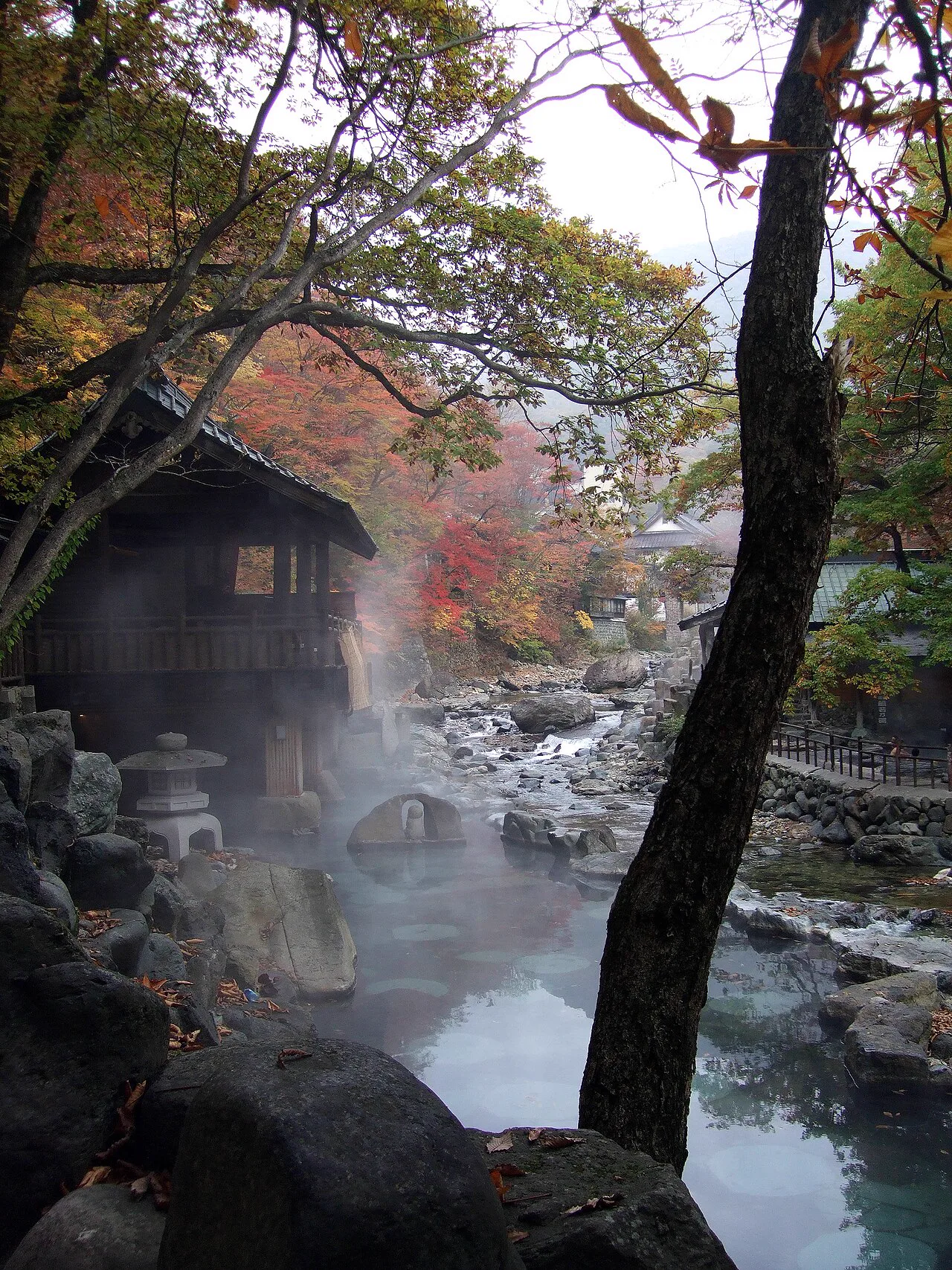
The name “Healthy Land” covers more than one bathing facility. The Onsen Hoyo-kan is an indoor day-use complex with several bath types, saunas, a heated pool and bookable private baths. Tamatebako Onsen is a separate outdoor bath in the same grounds. It is the choice when the open-air setting is the main reason for coming; Hoyo-kan makes more sense for an indoor soak, sauna or swim.
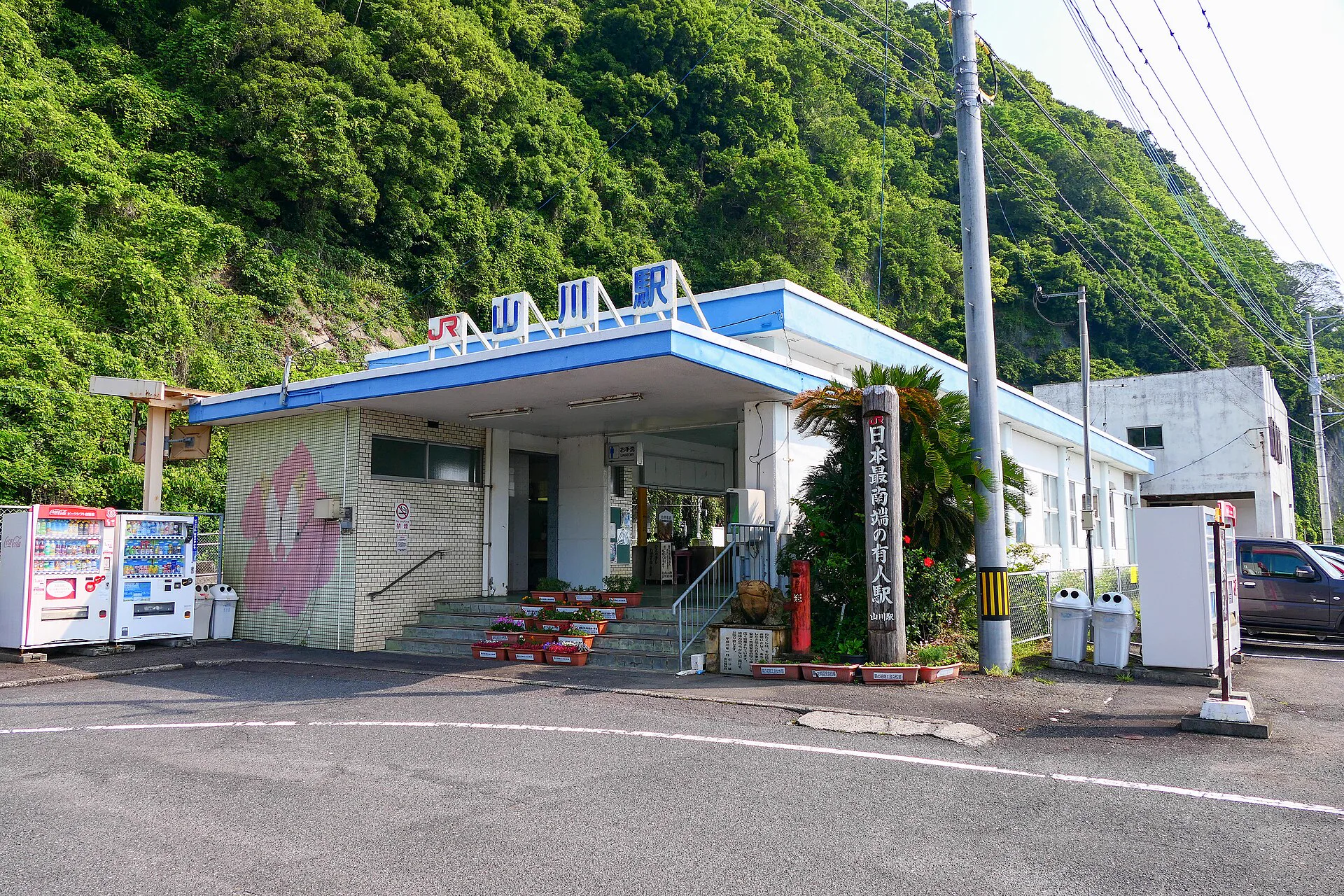
One other point of confusion: the nearby Yamakawa Sand Bath Sayuri is separate from both. Hoyo-kan admission does not include sand bathing. Tamatebako and Sayuri have a combined ticket, but it is not the same as a Hoyo-kan ticket.
What each ticket gets you
| Onsen Hoyo-kan | Tamatebako Onsen | |
|---|---|---|
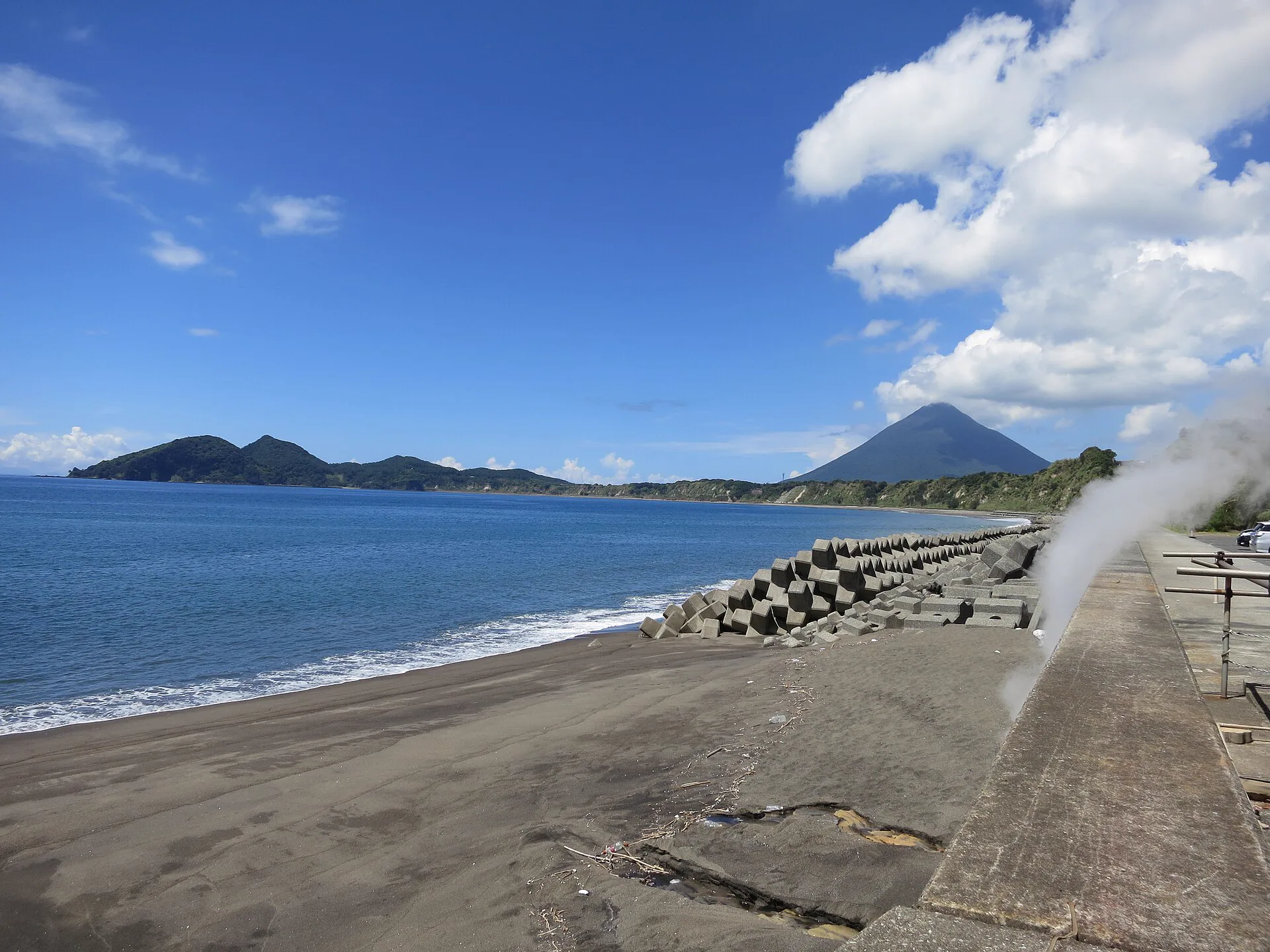
| Main experience | Indoor public baths with two alternating layouts, saunas and cold baths | Outdoor bathing with views toward the sea, Kaimon-dake or Mt. Takeyama |
| Regular adult admission | ¥500 (about HK$25 / NT$102) | ¥900 (about HK$45 / NT$184) |
| Children | Ages 3+ ¥250 (about HK$13 / NT$51); under 3 free | ¥450 (about HK$23 / NT$92); under 3 free |
| Hours | 10:00 a.m.–9:00 p.m.; last entry 8:30 p.m. | 9:30 a.m.–7:30 p.m.; last entry 7:00 p.m. |
| Weekly closure | Tuesday; if it is a public holiday, closure moves to the following day | Thursday; if it is a public holiday, closure moves to the following day |
| Bring | Your own towel and soap/shampoo for the public bath | Towel, or pay to buy/rent one; bathing amenities are listed |
The regular prices and weekly schedules above come from the facilities’ current visitor information and the city ordinance. Hoyo-kan closes earlier on December 31. Each building can also change its hours or close temporarily for management or maintenance, so check its latest notice before travelling.
Hoyo-kan: more to do indoors for a lower entry fee
The public bath ticket includes the indoor bathing area. Its current fees and add-ons are:
| Use | Fee | What to know |
|---|---|---|
| Adult public-bath entry | ¥500 | Children under three enter free |
| Child entry, age three and up | ¥250 | Public bath |
| Heated pool, adult | ¥760 | Pool admission also includes the public bath |
| Heated pool, child | ¥380 | Children’s pool is available |
| Private family room | ¥1,000 per room / hour | Added to each bather’s entry fee |
Admission runs from 10:00 a.m. to 9:00 p.m., with reception ending at 8:30 p.m. The regular weekly closure is Tuesday, moved to Wednesday when Tuesday is a public holiday; Hoyo-kan otherwise lists holiday-season exceptions for New Year, Golden Week and Obon.
The public baths are indoors only. Both men’s and women’s sides have high- and medium-temperature baths, an electric bath, a cold bath and an infrared sauna. The two sides are not identical, and the gender assignment changes daily:
- On odd-numbered dates, men use Takeyama and women use Kaimon-dake.
- On even-numbered dates, women use Takeyama and men use Kaimon-dake.
Takeyama has a loyly sauna and a walking bath. Kaimon-dake has a steam bath and a relaxation bath. If either of those is a must, check the date first; the side you can use depends on both the date and the facility’s daily rotation.
Pool admission includes access to the public bath. Private family rooms have shampoo and body wash, but those are not supplied in the public bathing area; bring your own or buy them at the facility.
Tamatebako: a separate outdoor bath with its own calendar
Tamatebako is a separate outdoor bath. Its standard hours, admission and Thursday closure are listed in the comparison table above. The key planning difference is its earlier last entry, at 7:00 p.m.
Its two open-air baths alternate between men and women daily. On odd-numbered dates, women use the Japanese-style bath facing Kaimon-dake and men use the Western-style bath facing Mt. Takeyama. The assignment reverses on even-numbered dates. The outlook you have in mind is therefore not available to everyone on every date.
The normal rates do not apply during every holiday period. The facility lists special periods around New Year, Golden Week, Obon and Silver Week:
| Tamatebako ticket | Listed fee during special periods | Note |
|---|---|---|
| Adult | ¥1,500 | Higher than the regular ¥900 rate |
| Child | ¥700 or ¥750 | Current official pages disagree; confirm before travelling |
| Tamatebako + Sayuri combined ticket | ¥2,000 | Not available during special periods |
Children under three are listed as free. Check the date-specific calendar rather than assuming the regular fare applies.
Tamatebako reopened after renovation on November 26, 2025. It had been closed during the extensive works that began in June 2024, so older pages describing it as suspended are out of date. Hoyo-kan reopened earlier, in October 2025. Both now publish operating information, but any new maintenance closure should take precedence over the regular schedule.
Which days let you visit both?
The different closure days can help or frustrate your plan. On a Tuesday, Hoyo-kan normally closes while Tamatebako is open. On a Thursday, Tamatebako normally closes while Hoyo-kan is open. The other weekdays are the clearest opportunities to visit both, subject to public-holiday shifts and special seasonal schedules. If you only have one day and both baths matter, do not build the trip around a Tuesday or Thursday without checking the exception calendar.
The shorter opening window belongs to Tamatebako: last entry is 7:00 p.m., compared with Hoyo-kan’s 8:30 p.m. If you want both, visit the outdoor bath first and leave Hoyo-kan for later only if the return bus allows it. That order also avoids relying on Hoyo-kan’s later closing time to rescue an already missed Tamatebako entry. This is a planning suggestion, not a guarantee of same-day admission; weather, maintenance or an unexpected closure can change the sequence.
Both facilities reopened after major renovation in 2025. The city says Hoyo-kan’s work included accessibility and safety improvements, but its main listing does not spell out every step-free route or transfer point. Tamatebako’s prefectural accessibility page notes slopes leading to the outdoor baths and steps inside the bathing route. Ask the facility about a specific mobility need before setting out.
Getting there from Ibusuki Station
The Ibusuki sightseeing loop bus takes about 24 minutes from Ibusuki Station to Healthy Land Entrance. From there, allow five minutes on foot to Hoyo-kan or eight to Tamatebako. The timetable lists four return services a day; the one-day pass costs ¥1,500 for adults and ¥750 for children. Check the date-specific timetable and where to buy the pass before boarding.
The two facilities are in the same broader complex, but the bus listing distinguishes their stops and walking times. Do not use “Healthy Land” as if every bus drops you at the door of both. For other Yamakawa transport choices, see the Ibusuki–Yamakawa half-day guide. If your real target is the sand bath, read the separate Sayuri Sand Bath guide; it has its own location and operating arrangements.
Spring-water details and what they do—and do not—tell you
Hoyo-kan lists sodium-calcium chloride-sulfate water at a source temperature of 87°C, with dilution and flow-through supply. Its cold baths use well water, not hot-spring water. The published page does not give a fixed temperature for each main bath, so 87°C is not the temperature you will bathe in. The source also does not provide a complete pool-by-pool breakdown of heating, circulation or filtration.
Tamatebako lists sodium-chloride water at 100.4°C at source, diluted and flowing. Again, that number is not a tub temperature. Neither bath’s source temperature is a sensible way to compare comfort; the practical difference is indoor variety versus the outdoor setting.
The choice changes with the weather and your group
Hoyo-kan is usually the steadier option in rain, winter wind or low cloud because its main bathing area is indoors. Tamatebako’s appeal depends on being outside, so visibility and comfort can change with the weather. That does not guarantee Hoyo-kan will open during a typhoon or maintenance closure; check the day’s notice.
Hoyo-kan suits groups splitting their time between the bath and pool; pool admission includes the public bath, and a children’s pool is available. Private family rooms cost extra per room. Tamatebako is the outdoor-view choice, but its route includes slopes and steps. Hoyo-kan’s 2025 renovation included accessibility and safety work; visitor information does not describe every step-free route. Contact the relevant facility about a specific mobility requirement.
A quick comparative scorecard
These numbers are editorial comparisons, not formal facility ratings. Hoyo-kan’s strength is the range of indoor facilities; Tamatebako’s is the setting. Neither is the obvious winner on every measure.
| Measure | Hoyo-kan | Tamatebako |
|---|---|---|
| Bathing comfort | 90 | 85 |
| Variety of baths | 100 | 55 |
| Cleanliness and upkeep | 90 | 90 |
| Setting and views | 50 | 100 |
| Quiet atmosphere | 70 | 80 |
| Ease of access | 50 | 55 |
| Overall experience for the price | 100 | 90 |
Hoyo-kan’s public bath has no complimentary shampoo, conditioner or body wash; bring your own or buy supplies there. Private rooms are different and include shampoo and body wash. Tattoo admission is not clearly established in the current facility information, so contact Hoyo-kan or Tamatebako directly if that affects your plans.
If your choice is simply “one indoor bath” versus “one scenic outdoor bath,” the decision is easy. If you want both, first check that day’s closures and bus timetable, then allow for the separate walks from the stop. Sayuri is nearby but is a different facility, with its own ticket and admission rules.