Lake Akan or Kawayu Onsen? Choosing Between Lake Views and Volcanic Water
Compare Lake Akan and Kawayu Onsen for scenery, spring water, day-use bathing and public transport. See which eastern Hokkaido base fits your trip.
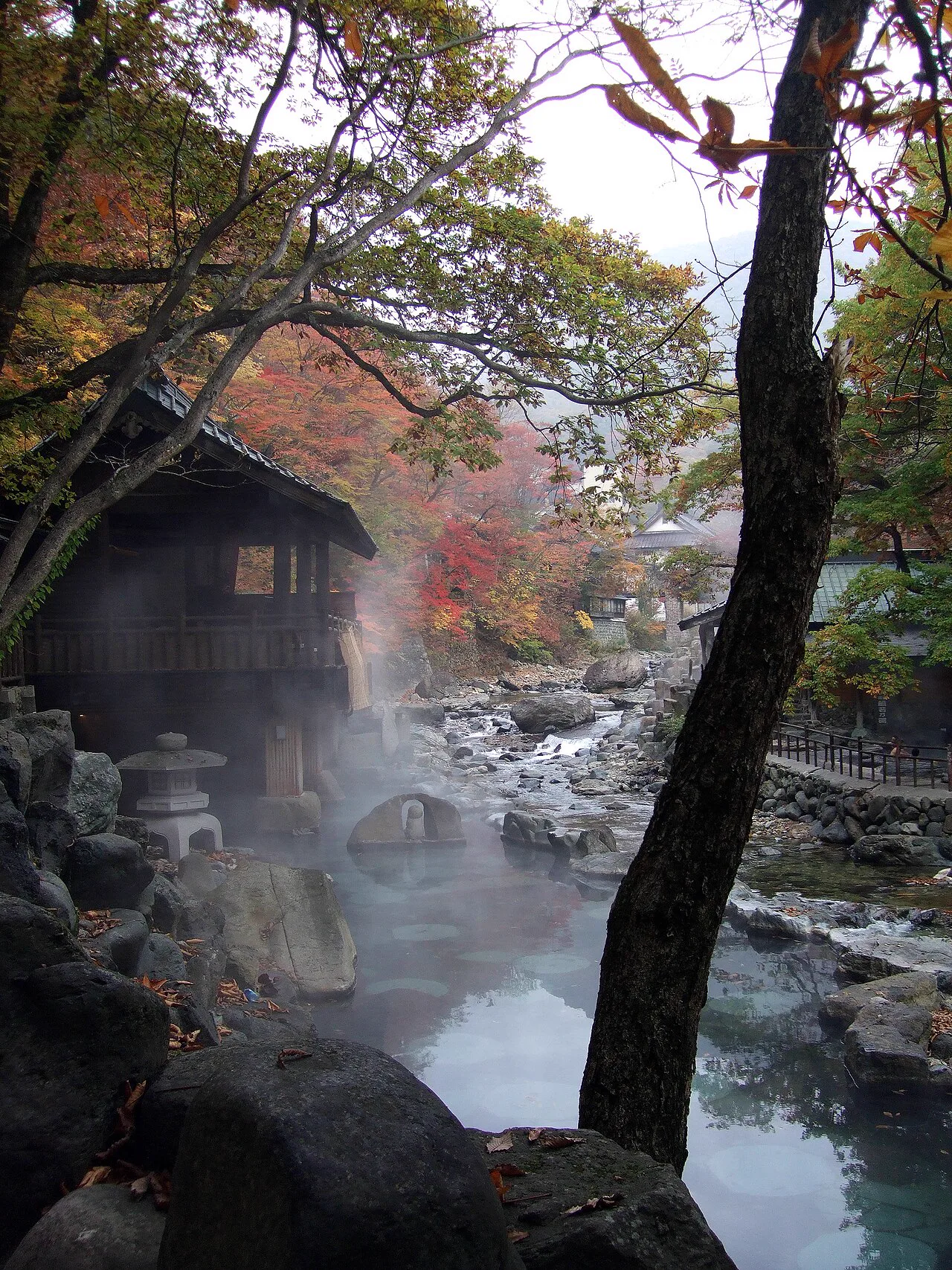
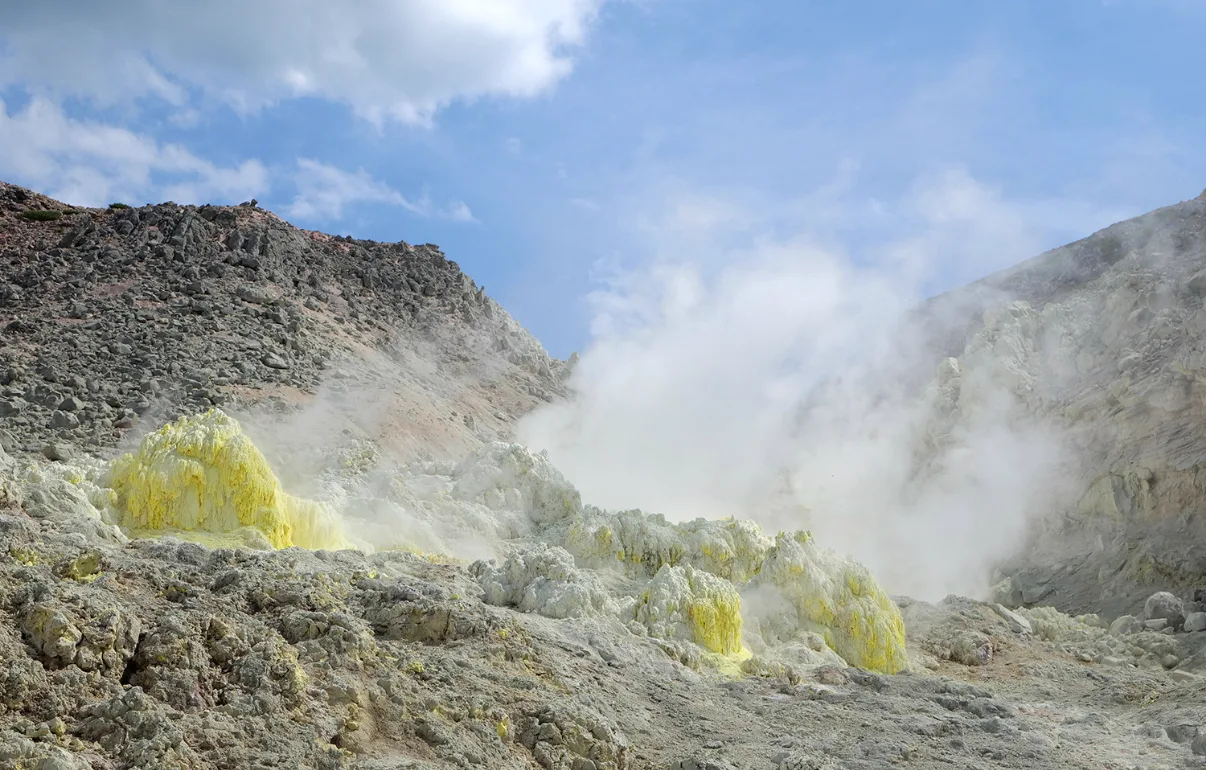
Lake Akan and Kawayu Onsen sit in the same broad corner of Hokkaido, but they make very different bases. Akan is a lakeside resort town, with hotels, boat trips and Ainu culture close together. Kawayu is smaller and more focused on the hot spring itself: its strongly acidic, sulphur-bearing water comes from the volcanic landscape around Mount Iō.
The short version
Pick Akan if you want a resort-style stay where the lake, walks, sightseeing and hotel facilities all matter. It is also the easier choice when travelling with people who are not keen on spending the whole day comparing spring water.
Choose Kawayu when the bath is the point of the trip. The local tourism association describes the spring as strongly acidic, with a pH around 1.7, and rich in sulphur. Individual baths vary, but the volcanic character is much more prominent than at the representative Akan hotels discussed here.
| What matters most | Lake Akan | Kawayu Onsen |
|---|---|---|
| Setting | Lakefront resort town | Compact hot-spring town near Mount Iō |
| Best for | Scenery, hotel facilities, boat trips and Ainu culture | Acidic sulphur spring and a more bath-focused visit |
| Useful day-use option | New Akan Hotel, including its shared Sky Garden Spa | KKR Kawayu, with 100% source-fed bathing |
| No-car approach | Direct airport coach services operate from Kushiro Airport; check the date-specific timetable | JR Senmo Line to Kawayu-Onsen Station, then a local bus or taxi into town |
Akan is easier to make a full holiday of
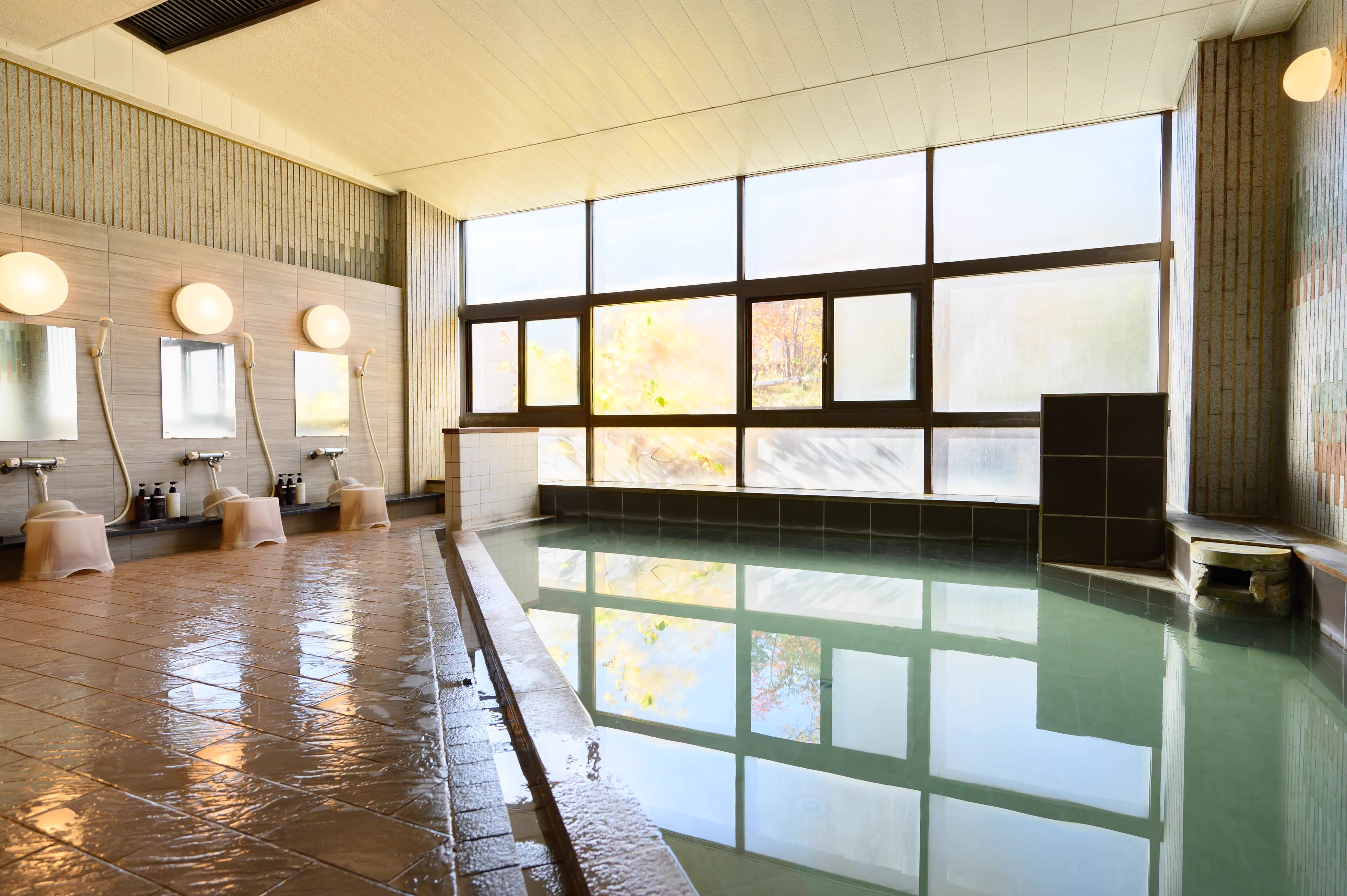
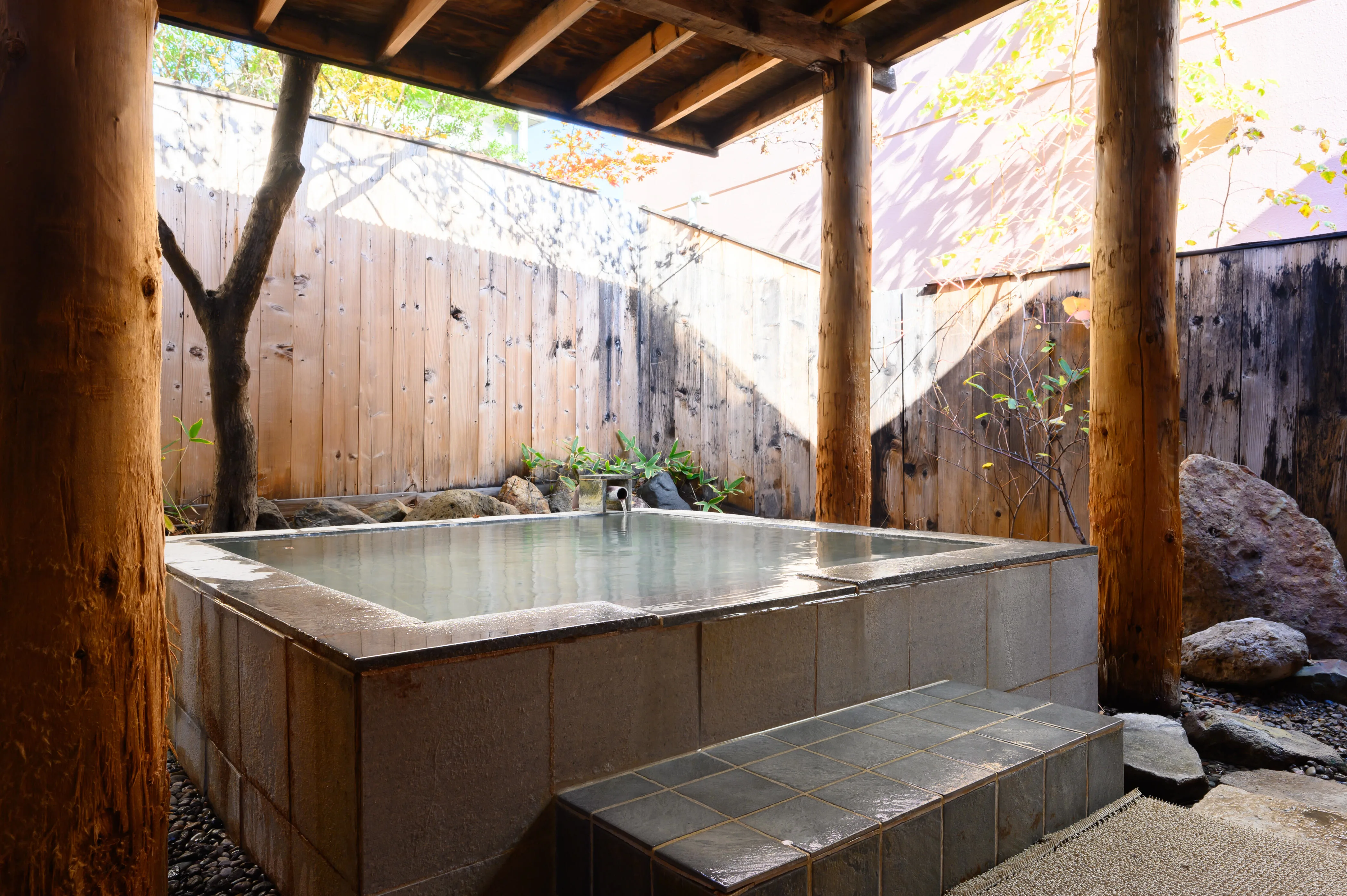
At Akan, the lakeshore, boat trips and Ainu Kotan can fill out a stay around the bath. New Akan Hotel’s day-use admission covers its large bath and Sky Garden Spa from noon to 5 p.m. Adults pay ¥1,300; a towel set is ¥300. The spa is shared and requires swimwear or the hotel’s bathing wear, so mixed groups can use it together.
Hotel Gozensui offers a more straightforward bathing stop. Its day-use hours are listed as noon to 7 p.m., adult admission is ¥1,000, and towels are not included. The hotel notes that day-use bathing may be suspended on holidays, so call before building a tight itinerary around it.
Kawayu puts the spring water first
The local spring flows from the volcanic area around Mount Iō toward the town. Its acidity and sulphur character are unusually pronounced; the regional listing gives a pH of about 1.7. That is a description of Kawayu’s spring, not a guarantee that every hotel bath has identical water or treatment.
KKR Kawayu publishes its own details: the day bath is open from 1 p.m. to 8 p.m., adult admission is ¥700, and the hotel describes its bathing water as 100% source-fed. Towels are extra. The low entry price makes it a practical way to try the town’s distinctive spring, but check the facility’s current rules before setting out.
For anyone sensitive to acidic water, start with a short soak and follow the bath’s posted guidance. A strong spring is a feature to choose knowingly, not a reason to stay in longer.
Getting there without a car
Akan has direct airport-coach service from Kushiro Airport, which can save a trip into central Kushiro first. Confirm that the service aligns with your flight; a late arrival can turn a simple transfer into a long wait.
Kawayu works better as part of a rail journey on the JR Senmo Line. Kawayu-Onsen Station is outside the hot-spring town, so the last leg still needs a local bus or taxi. The station name can make the place look more walkable on a map than it is. Check the onward connection before choosing a train, especially if you are arriving in the evening.
If you have only one night and your group has mixed interests, Akan is the more flexible base. If the water itself is what brought you east, give Kawayu the time it deserves rather than trying to squeeze both areas into one rushed afternoon. For a closer look at Akan’s day-use baths and transport planning, see the Lake Akan day-trip versus overnight guide and Kushiro Airport and station access guide. Our guides to reading onsen spring labels and understanding bath temperatures are useful across both towns.