Early-Morning Natural Onsen in Hiroshima: What Opens Before 9 am?
For a natural-spring bath before 8 a.m., Spa Seare in Saka is the option; bathing closes for cleaning 8–10 a.m. Compare later-opening Honoyu branches.
Before 8 a.m., Spa Seare in Saka is the only option in this group, except on its monthly closure days. Its bathing areas close for cleaning from 8–10 a.m. Ujina and Rakurakuen Honoyu open at 9 a.m.; their cheaper ¥500 bath-only ticket excludes the outdoor natural-spring baths.
The right choice depends on your cutoff time and where you are staying. A 7 am soak points to Seare; after 9 am, Ujina is more convenient from central Hiroshima, while Rakurakuen suits Miyajimaguchi, Hatsukaichi and the Miyajima tram line.
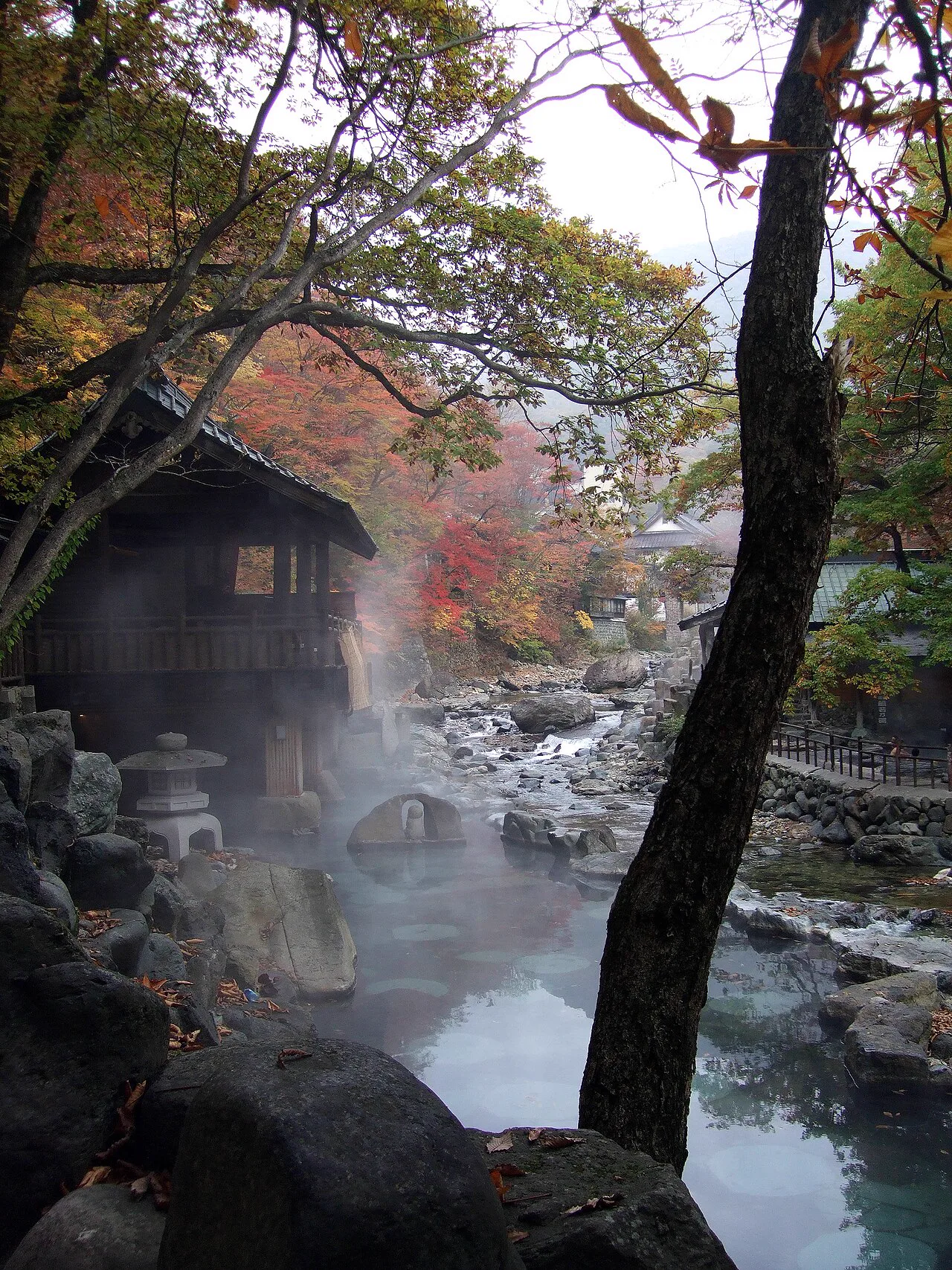
Rakurakuen’s outdoor spring and rock baths use undiluted, free-flowing water from about 1,100 metres underground; the listed yield is 392 litres per minute. Seare identifies spring water in designated outdoor baths, and Ujina names its outdoor source and rock baths. Other pools are not all described as spring-fed.
| Facility | Earliest regular bath | Adult ticket for the natural-spring baths | Access | The catch |
|---|---|---|---|---|
| Spa Seare | Before 8 am, except during closures | ¥1,200 general admission; ¥1,000 with a Seare membership card | JR Saka Station, then a 3-minute walk | Baths close daily 8–10 am; monthly closure on the second Tuesday and Wednesday, subject to schedule changes |
| Ujina Honoyu | 9 am | ¥1,000 weekdays; ¥1,100 weekends and holidays; ¥1,200 on designated dates | Hiroshima Port-bound tram to Ujina-nichome, then a 10-minute walk | The ¥500 bath-only ticket excludes the outdoor baths, sauna and cold plunge |
| Rakurakuen Honoyu | 9 am | ¥1,050 weekdays; ¥1,150 weekends and holidays; ¥1,250 on designated dates | Rakurakuen tram stop, then a 5-minute walk | The ¥500 bath-only ticket excludes the outdoor baths, sauna and cold plunge |
Before 8 am: Seare, with a two-hour gap to plan around
Seare operates around the clock. JR Saka Station is about 16 minutes from Hiroshima Station, then it is roughly a three-minute walk to the spa.
| Seare admission and extras | Price |
|---|---|
| Adult general admission | ¥1,200 |
| Adult member admission with membership card | ¥1,000 |
| Overnight surcharge, 1–5 a.m. | ¥1,000 |
| Towel set | ¥300 |
Natural spring water drawn from about 1,000 metres underground is used in the outdoor baths, among other areas. The full admission gives access to those baths. The ¥500 basic bath ticket does not include the open-air bathing area, sauna or cold bath, so it is not the ticket to buy for an outdoor natural-onsen soak.
The daily bath-cleaning window is 8–10 am. Seare may remain open for guests during that time, but bathing is not available. If a hotel checkout or train connection leaves only the 8–9 am hour free, wait for one of the Honoyu branches to open rather than paying to sit through the cleaning break.
There is also a recurring closure: Seare lists the second Tuesday and Wednesday of each month as regular closing days, with changes possible around public holidays. Check its monthly schedule or call before setting an early alarm. Tattoos, body painting and tattoo stickers are not permitted. Children under elementary-school age cannot enter alone, and mixed bathing is not allowed for elementary-school-aged children or older.
From 9 am near Hiroshima Station: Ujina is usually the simpler trip
Ujina Honoyu opens at 9 a.m.; last bathers enter at 10 p.m., an hour before closing. The full natural-onsen ticket includes the outdoor source bath, sauna and cold plunge. Its ¥500 bath-only ticket excludes them.
| Ujina admission | Weekday | Weekend/public holiday | Designated date |
|---|---|---|---|
| Natural-onsen ticket, adult | ¥1,000 | ¥1,100 | ¥1,200 |
| Bath-only ticket | ¥500 | ¥500 | ¥500 |
The outdoor source bath and rock bath use natural spring water. To get there by tram, take a Hiroshima Port-bound service to Ujina-nichome; the remaining walk is about ten minutes. There is also a Hiroshima Station bus route to the Prefectural University of Hiroshima stop, followed by a five-minute walk. By car, the facility estimates about 15 minutes from Hiroshima Station, though traffic can change that.
Ujina is a natural fit if you are staying around Hiroshima Station, Hatchobori or the port. Its regular 9 am opening makes a cross-city detour to Rakurakuen hard to justify unless you are already staying west of central Hiroshima.
Staying near Miyajimaguchi or Hatsukaichi: Rakurakuen
Rakurakuen opens at 9 a.m.; last admission is 10 p.m., ahead of an 11 p.m. close. The ¥500 bath-only ticket excludes its outdoor baths, sauna and cold bath.
| Rakurakuen admission | Weekday | Weekend/public holiday | Designated busy date |
|---|---|---|---|
| Natural-onsen ticket, adult | ¥1,050 | ¥1,150 | ¥1,250 |
| Bath-only ticket | ¥500 | ¥500 | ¥500 |
Its outdoor source bath and rock bath use natural spring water drawn from about 1,100 metres underground, with a listed flow of 392 litres per minute. The facility also has 14 bath types and a Korean-style heated-rest area called jjimjilbang, which has a separate fee and closes at 10:30 pm. For a morning soak before heading to Miyajima, the tram stop is a five-minute walk away. JR Itsukaichi Station is about 25 minutes on foot, so the tram is the more practical rail connection.
Rakurakuen makes sense when it lies along your route. From central Hiroshima, Ujina is the more direct morning choice; travelling west solely to bathe at the same opening time adds a detour without buying an earlier start.
Check recurring closures before an early start
Seare’s baths close daily for cleaning from 8–10 a.m.; it also has a regular monthly closure. Check its schedule before travelling. The Honoyu branches publish holiday and maintenance changes on their own facility pages.
As a broader facility comparison—not a score for the morning hours alone—the source guide rates comfort, variety, cleanliness, scenery, quiet, no-car access and value. The standout trade-off is clear: Seare scores highest for variety and access but lower for quiet; the two Honoyu branches score well for bathing choice, while neither is a substitute during the 8–9 a.m. gap.
| Whole-facility measure | Seare | Ujina | Rakurakuen |
|---|---|---|---|
| Comfort | 85 | 85 | 90 |
| Bath variety | 95 | 90 | 100 |
| Cleanliness | 80 | 85 | 85 |
| Scenery | 80 | 70 | 75 |
| Quiet | 60 | 60 | 60 |
| Access without a car | 95 | 90 | 90 |
| Value | 90 | 85 | 85 |
Tattoos, including stickers and body paint, are not accepted at either Honoyu branch. At both branches, children in grade three or above—or anyone at least 120 cm tall—cannot bathe with someone of the opposite sex. If travelling with a child near either limit, plan the changing-room arrangement before arriving.
For a later soak after arriving by train, see the Hiroshima Station evening onsen guide. The Spa Seare comparison with Yamato covers the facility beyond its early-morning window, and the Ujina vs. Rakurakuen comparison looks at the two Honoyu branches side by side. Visitors checking tattoo policies across the region can also use the Hiroshima tattoo-friendly natural onsen guide.
Sources
- Spa Seare, [access, hours and regular closure days](https://seare.jp/eigyou) - Spa Seare, [admission, overnight surcharge and towel fees](https://seare.jp/charge) - Spa Seare, [natural spring water and daily bath-cleaning hours](https://seare.jp/bath) - Spa Seare, [visitor rules](https://seare.jp/up) - Spa Seare, [monthly schedule](https://seare.jp/category/schedule) - Ujina Honoyu, [admission, bath-only ticket and visitor rules](https://www.honoyu.jp/ujina/guidel/) - Ujina Honoyu, [natural spring baths](https://www.honoyu.jp/ujina/onsen/) - Ujina Honoyu, [access](https://www.honoyu.jp/ujina/access/) - Rakurakuen Honoyu, [admission, hours and visitor rules](https://www.honoyu.jp/rakurakuen/guidel/) - Rakurakuen Honoyu, [natural spring baths and source data](https://www.honoyu.jp/rakurakuen/onsen/) - Rakurakuen Honoyu, [access](https://www.honoyu.jp/rakurakuen/access/) - The two September closures mentioned above were date-specific notices for 8–10 and 14–16 September 2026; both have expired.Checked: 2026-09-27
Tags: Hiroshima onsen, Hiroshima day-use onsen, early morning onsen, natural hot spring, Spa Seare, Ujina Honoyu, Rakurakuen Honoyu, Hiroshima Station, Saka Station, Ujina, Rakurakuen, Miyajima access, public bath prices, onsen opening hours, tattoo rules