One Night in Higashiyama Onsen: A Relaxed Aizu Itinerary
Plan an Aizu-Wakamatsu sightseeing stop, dinner check-in and evening and morning baths in Higashiyama; timing depends on each inn’s plan.
Checked: September 27, 2026
A workable timing template
One source-based outline for two adults is to reach Aizu-Wakamatsu Station around 10 a.m., see one city sight, leave for Higashiyama around 1:30 p.m., arrive at the inn near 2 p.m., check in at 3, have dinner around 6, then bathe at 8. The next morning, use the bath around 7, have breakfast and check out around 9:30. Treat those as planning anchors, not guaranteed hotel hours; the actual meal, check-in and bath schedule depends on the property and plan.
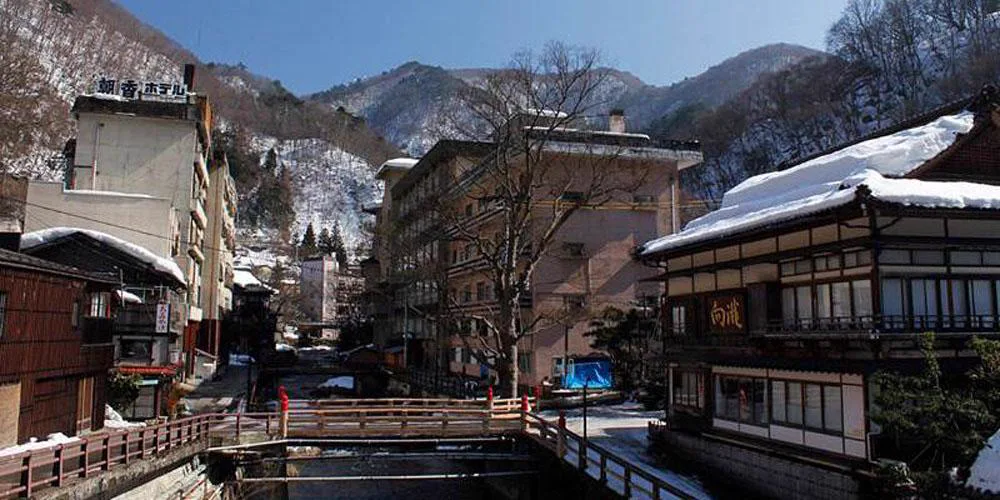
Higashiyama is close to Aizu-Wakamatsu, but it is a separate stop from the city’s historic sights. Treat the transfer as part of the itinerary. A bus takes about 20 minutes from the station; a taxi is around 10–15 minutes. In winter, leave extra time for the road and the final walk with bags.
Day one: choose a city stop, then head uphill
Arrive in Aizu-Wakamatsu in the morning and leave your luggage at the station or ask the inn about early bag drop. Visit one major sight—Tsuruga Castle, Iimoriyama or Aizu Bukeyashiki—rather than trying to cover all three before check-in. After lunch, travel to the onsen district with enough time to settle in before dinner.
The onsen’s history and water vary by inn
Higashiyama’s history is commonly dated to about 1,300 years ago, when the monk Gyōki is said to have discovered the spring. The tourism association describes the area’s water as a calcium-sodium sulphate/chloride spring, with roughly 1,500 litres per minute across the district. Those are regional figures, not a guarantee that every hotel bath uses the same source or temperature.
Harataki, for example, publishes its own source analysis; Toho and the Grand Hotel describe different water-treatment methods.
Check the inn’s actual dinner start and check-in deadline when booking. A late arrival can affect the meal, and pickup arrangements differ by property. Toho can collect guests from Aizu Bukeyashiki-mae after a call; that is not a direct transfer from the station. Harataki’s pickup has separate eligibility rules. The no-car guide explains both.
Let dinner set the bathing rhythm
Use the first bath before dinner if you arrive early and the inn’s schedule allows it. Otherwise, settle in, eat, and save the soak for later. Large baths may alternate between men’s and women’s areas, and cleaning periods can close a bath during the day; read the property’s schedule rather than assuming every facility stays open continuously.
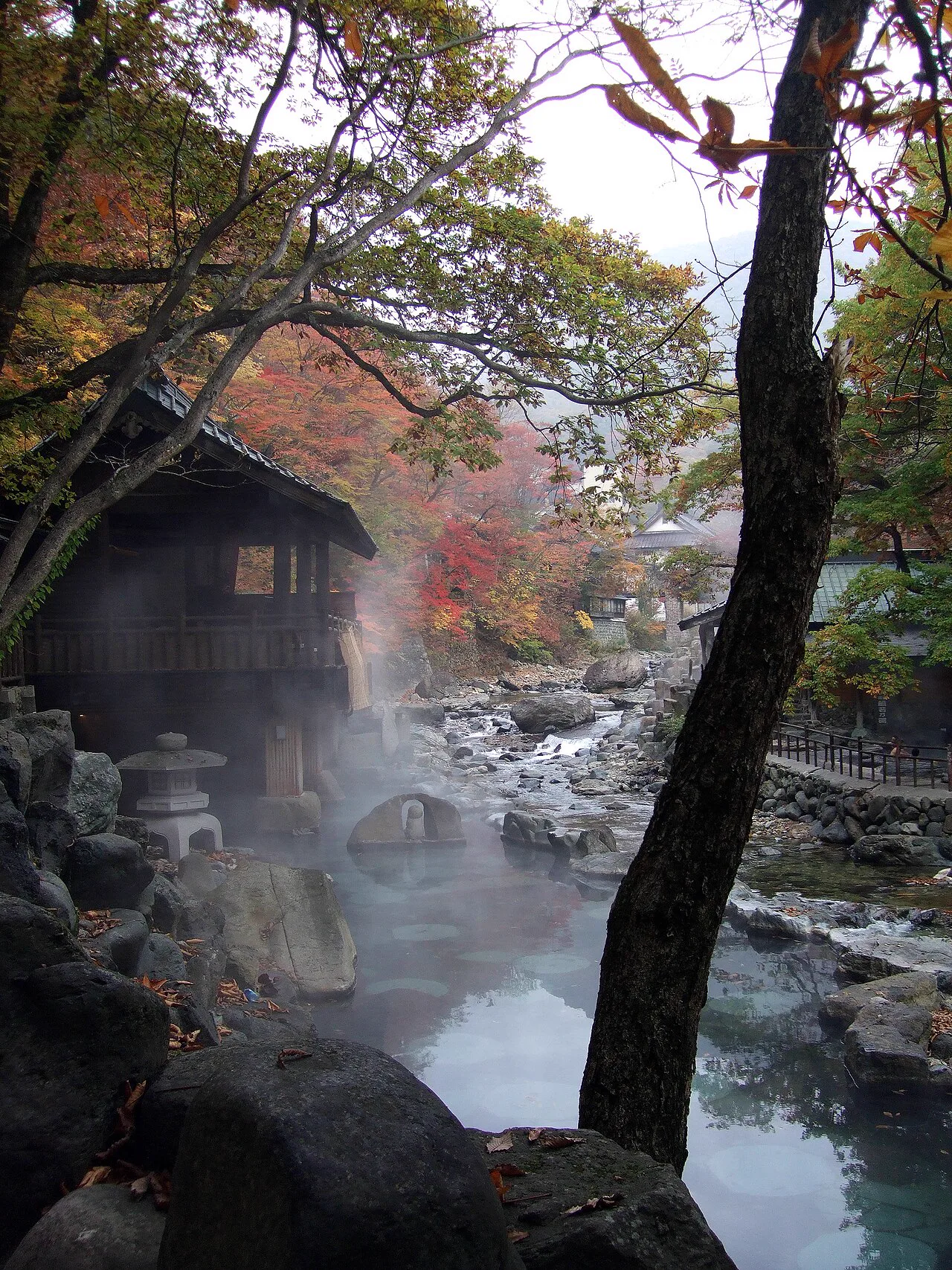
Harataki is known for its gorge-side setting and has selected rooms with a private spring bath. Toho sits above town and has large outdoor baths with city views. Higashiyama Grand Hotel has indoor and outdoor bathing alongside buffet dining. The ryokan comparison helps distinguish the stay itself; use the private-bath guide if a room bath or a reserved session matters.
Day two: morning bath, breakfast, then one last stop
If you want a second soak, bathe before breakfast or use the morning window listed by your inn. After checkout, leave enough time to collect luggage and reach the station. Travellers continuing toward Tokyo or Sendai should check the onward train connection before adding another city sight; those staying in Aizu can make room for one short visit after checkout.
A practical fallback
If arrival runs late, skip the second city attraction and go straight to the inn. If snow delays the transfer, protect dinner and the main bath rather than trying to recover every planned stop. Room rates, meal plans and access to special baths depend on the selected room and date, so compare the final booking details rather than relying on a property-wide headline price.
There is no verified same-date, two-adult room total to quote across these inns. Keep the calculation in separate lines—return transport, lunch, the booked room and meals, and any optional bath or towel charge—and do not add a day-use ticket for bathing already included with your room plan. If snow or a late arrival removes one sightseeing stop, keep dinner and the main soak; they are the parts that make this an overnight trip rather than a rushed day visit.
For the return leg, travellers heading to Tokyo or Sendai should leave time to collect bags, reach Aizu-Wakamatsu Station and make the onward train. If you are staying in Aizu longer, checkout can be followed by one nearby city sight. With children or older travellers, confirm the room-to-bath route, elevator or stairs, dinner venue and pickup eligibility before choosing the inn; “hotel shuttle” does not automatically include every guest or transfer.