Higashiyama Onsen on a Budget: Compare the Whole Stay, Not Just the Room
Compare Higashiyama Onsen hotel costs by meals, baths and transport; similar room rates can produce different totals at Grand Hotel, Harataki and Onyado Toho.
Checked: September 27, 2026
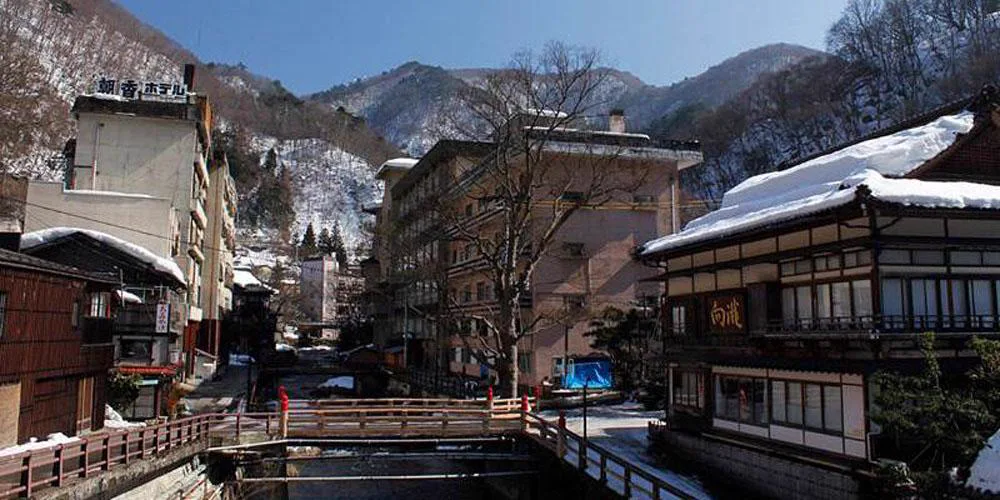
An onsen night can look affordable until dinner, a private bath or a taxi changes the total. Aizu Higashiyama is about a 20-minute bus ride from Aizu-Wakamatsu Station, so compare each booking as a complete stop: room, meals, transport and which baths are actually included.
Three different ways to spend the budget
| Stay | What the property is built around | Cost detail to check |
|---|---|---|
| Higashiyama Grand Hotel | Buffet dining, open-air and indoor baths, and a broad range of on-site facilities | Whether dinner and breakfast are included; peak-date pricing; towel rental for day use |
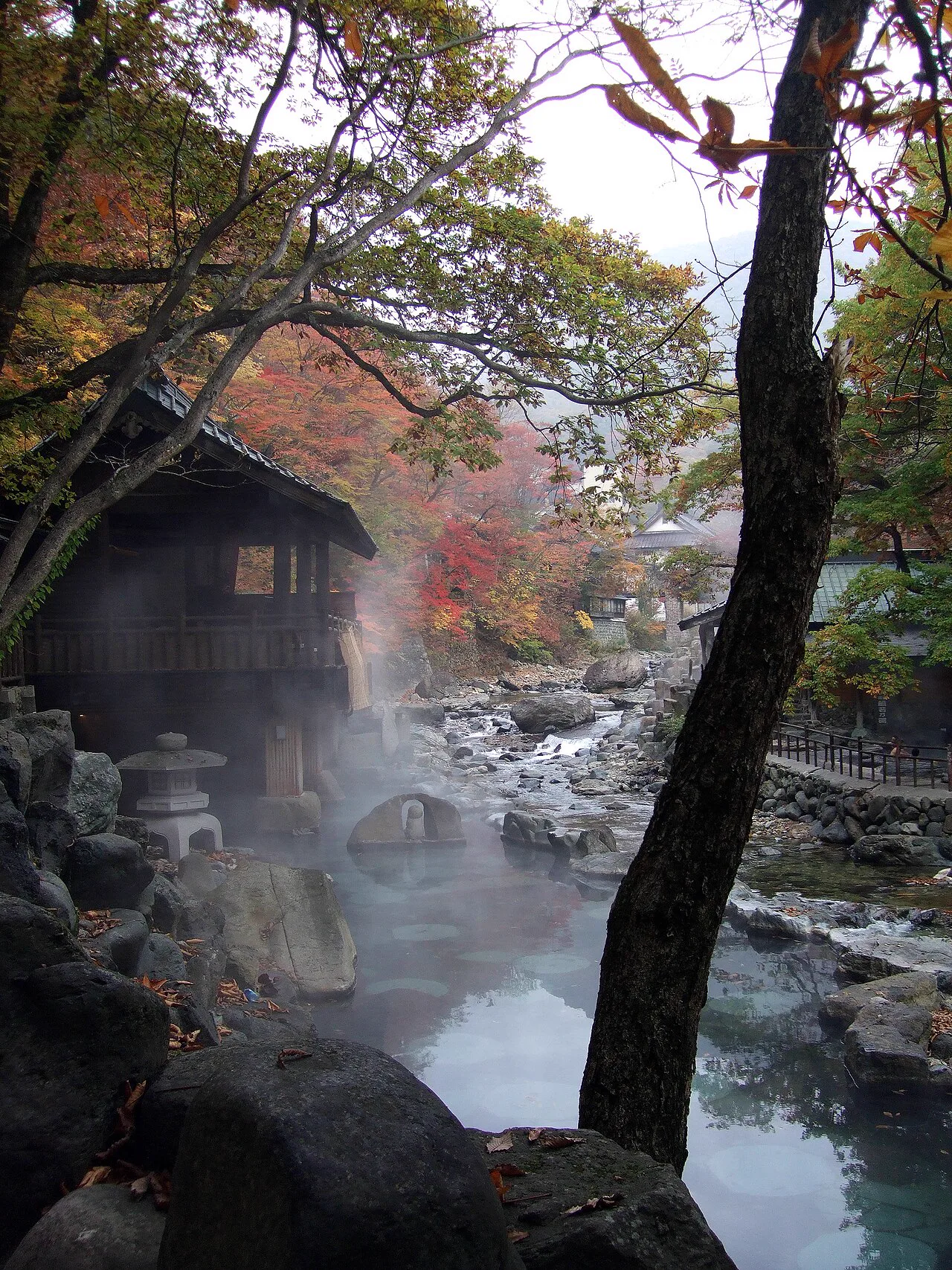
| Harataki | Its own spring, a gorge-side outdoor bath, four reservable private baths and some rooms with a private spring bath | Room category, meals, and any private-bath fee or time slot |
| Onyado Toho | Hilltop views over Aizu-Wakamatsu, two large scenic bath areas and buffet dining | Room building and view, meal plan, and the short day-bath reception window |
There is no single “cheapest hotel” that stays cheapest for every date. The Grand Hotel’s published day-use bathing is a helpful indication of its value-oriented setup, but an overnight quote still depends on availability and the plan you select. Harataki’s private-source baths and rooms with a spring bath are specific upgrades, not features to assume in every room. Toho’s city-view setting and room inventory also vary by category.
Make the offers comparable
Choose an exact night and enter the same number of adults and children on each booking page. Then compare the final price for the room, dinner, breakfast, taxes and cancellation terms. A room-only plan is not a fair match for a two-meal plan; neither is a standard room equivalent to a valley-view room with a private bath.
The bath line needs its own check. Harataki’s public baths use its own spring, while its scenic private baths are booked in 50-minute sessions for a separate charge. The operator lists some rooms with a private onsen bath as well.
At Toho, the property’s room pages specify which room category you are looking at; do not infer that an in-room bathroom uses hot-spring water from the fact that the hotel has an onsen. Grand Hotel’s public bathing has generous morning and evening windows, but busy dates can have a different day-use price or no day-use service.
Add transportation before deciding whether a city hotel is really cheaper. The bus to Higashiyama is a manageable ride, but a late dinner in town followed by a return to the ryokan adds another leg. Conversely, staying in the onsen district means less flexibility for dinner outside the property. If the hotel’s shuttle only covers guests or a particular stop, verify that condition; Harataki’s pickup service excludes visitors coming only for a bath.
Where the extra spend can matter
For a short overnight stay, a larger room or private bath may not earn its cost if most of the day is spent at Tsuruga Castle and Nanukamachi. A standard room and a meal plan that matches your appetite can leave more budget for Aizu’s historic sights.
The calculation changes for a family, an older traveller or anyone who wants a slow evening. Staying where dinner, a bath and rest are all under one roof can save a second bus or taxi trip. A private bath can be useful when children need a flexible bathing time, but it is a poor value if the booking forces a slot that overlaps with dinner or bedtime.
Harataki is the most specific choice for the valley and its own spring; Toho suits travellers who want an elevated city outlook; the Grand Hotel offers a more self-contained buffet stay. The no-car guide explains the transport trade-offs, while the private-bath comparison separates room baths from reservable ones.
Build the comparison from four costs
Write down the room and meals first, then add transport between Aizu-Wakamatsu and the onsen, any bath fee or towel charge, and small items such as luggage storage or drinks. Harataki’s day-use admission includes a mini towel, while the Grand Hotel charges separately for towel rental; the private baths at Harataki are another ¥2,200 per 50-minute session. A ride that looks inexpensive on its own can change the total if you need a taxi after dinner or miss the last useful bus.
There is no reliable same-night price spread in the source material, so I’m not ranking these inns by an invented nightly rate. Compare the same date, party size, room category, meal plan and cancellation terms on the booking pages. The source’s comparative scores are 8.7/10 for Harataki, 8.4/10 for Onyado Toho and 8.6/10 for Higashiyama Grand Hotel; these are editorial comparison figures, not guest ratings or a price league table.
Set priorities by who is travelling
Solo travellers may get more value from breakfast and an easy transfer than from paying for a larger room. Couples can put the budget toward dinner or a view, but check that the selected room actually faces the scenery shown in the listing. Families should compare child meals, beds and bath hours; an included private-bath slot only helps if it fits around dinner and bedtime. For an older traveller, a pickup and fewer uphill walks can matter more than an extra bath or a lower headline rate.
The onsen association lists Higashiyama as a calcium-sodium sulphate/chloride spring with about 1,500 litres per minute across the area. Harataki’s own 2019 analysis lists a 58.0°C source and pH 7.6. Those figures describe spring background, not a room rate or every inn’s bath water; read the property’s own water-treatment notes before paying extra for a particular bath.